I thought I knew Filipino food.
After a year and a half away, I came back to Japan with one question:
What happens to Filipino food when it leaves the Philippines?
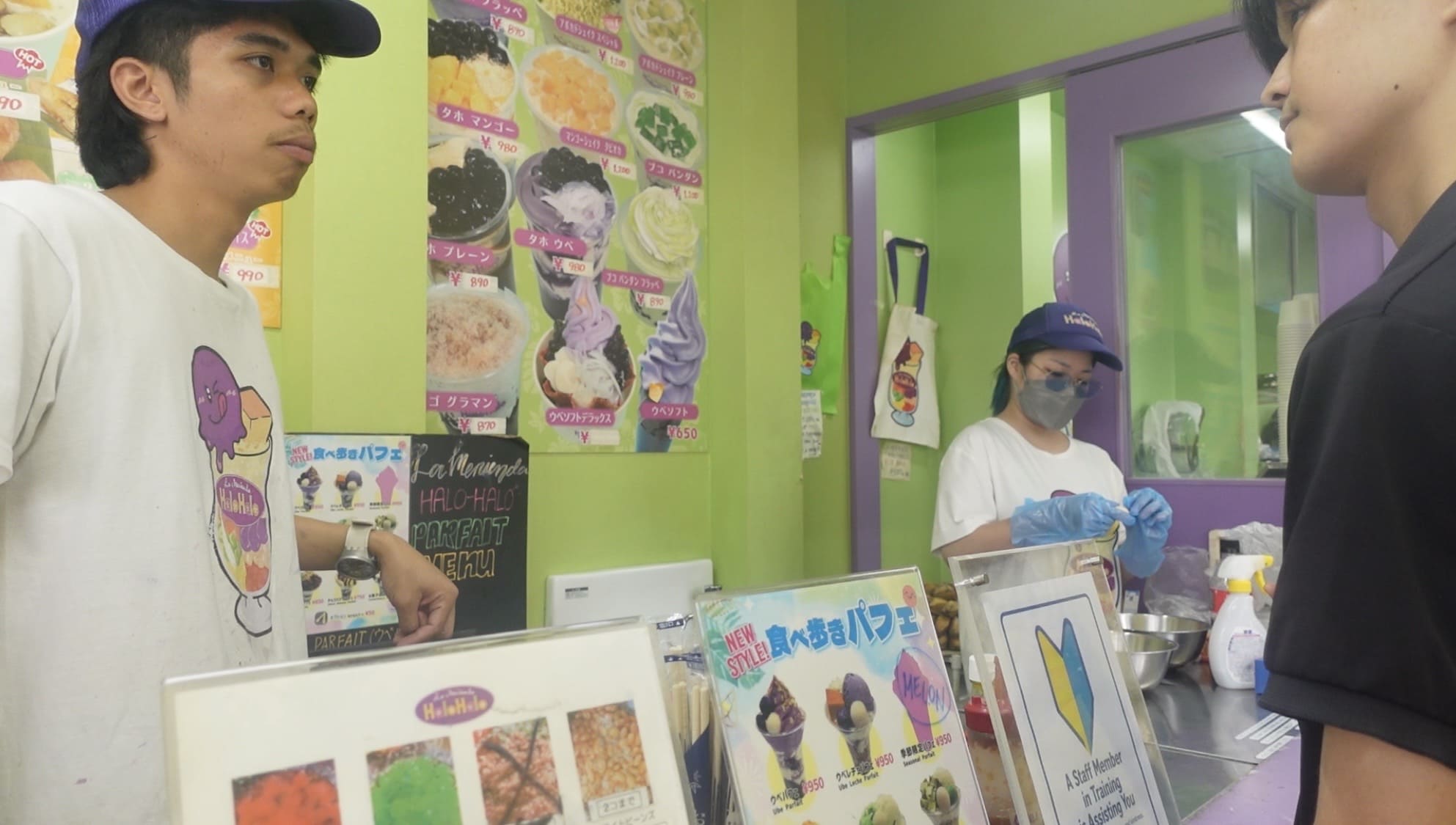
So I went to a Filipino halo-halo shop in Nagoya to investigate for myself.
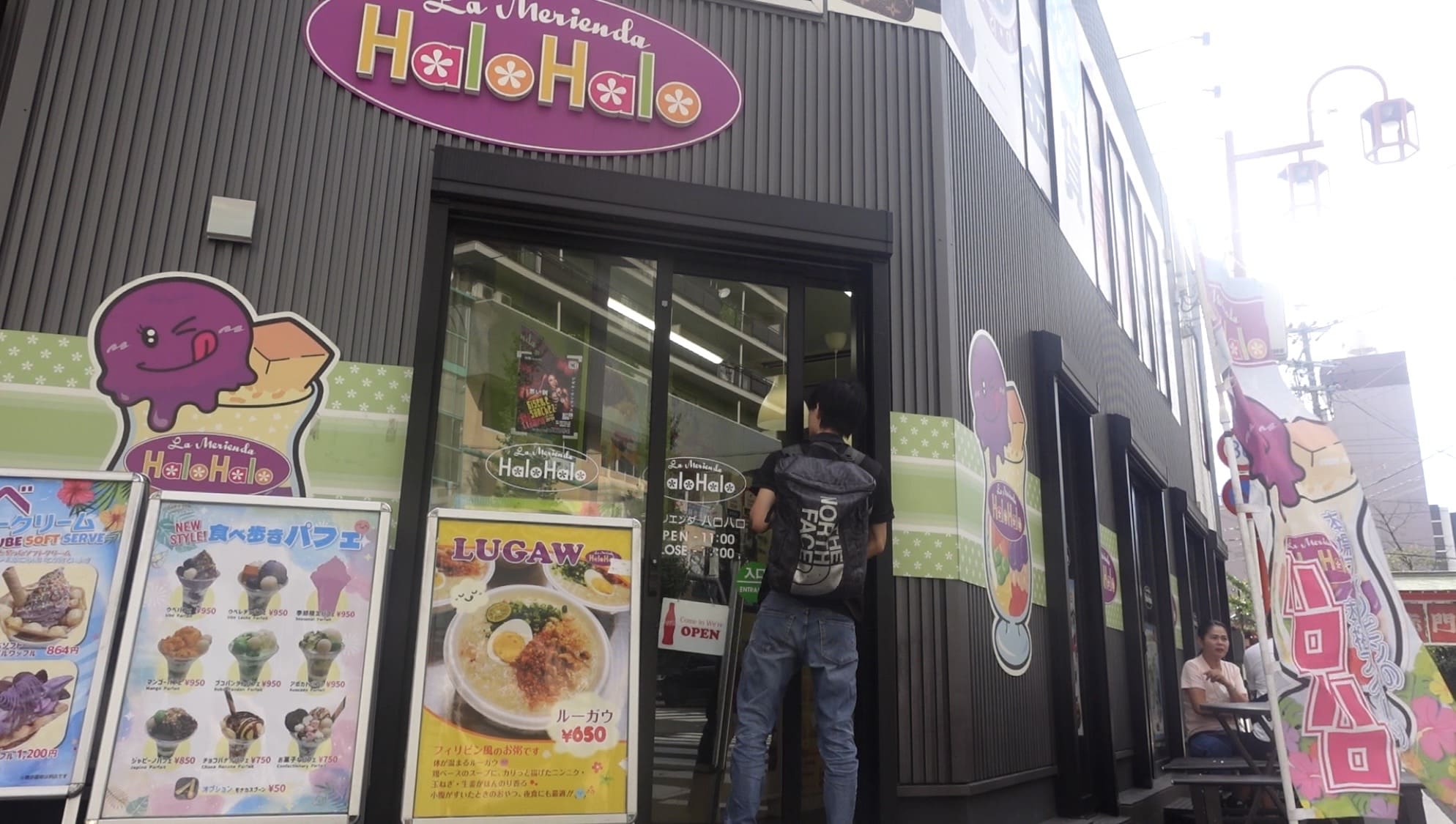
And almost immediately, I started noticing things I didn’t expect.
Back home in the Philippines, I’m used to halo-halo being served with a set of toppings:
Leche flan,
Ube ice cream,
Langka,
Beans.
Here, there were 17.
Taho, which I’m used to seeing warm in the Philippines, was cold here.
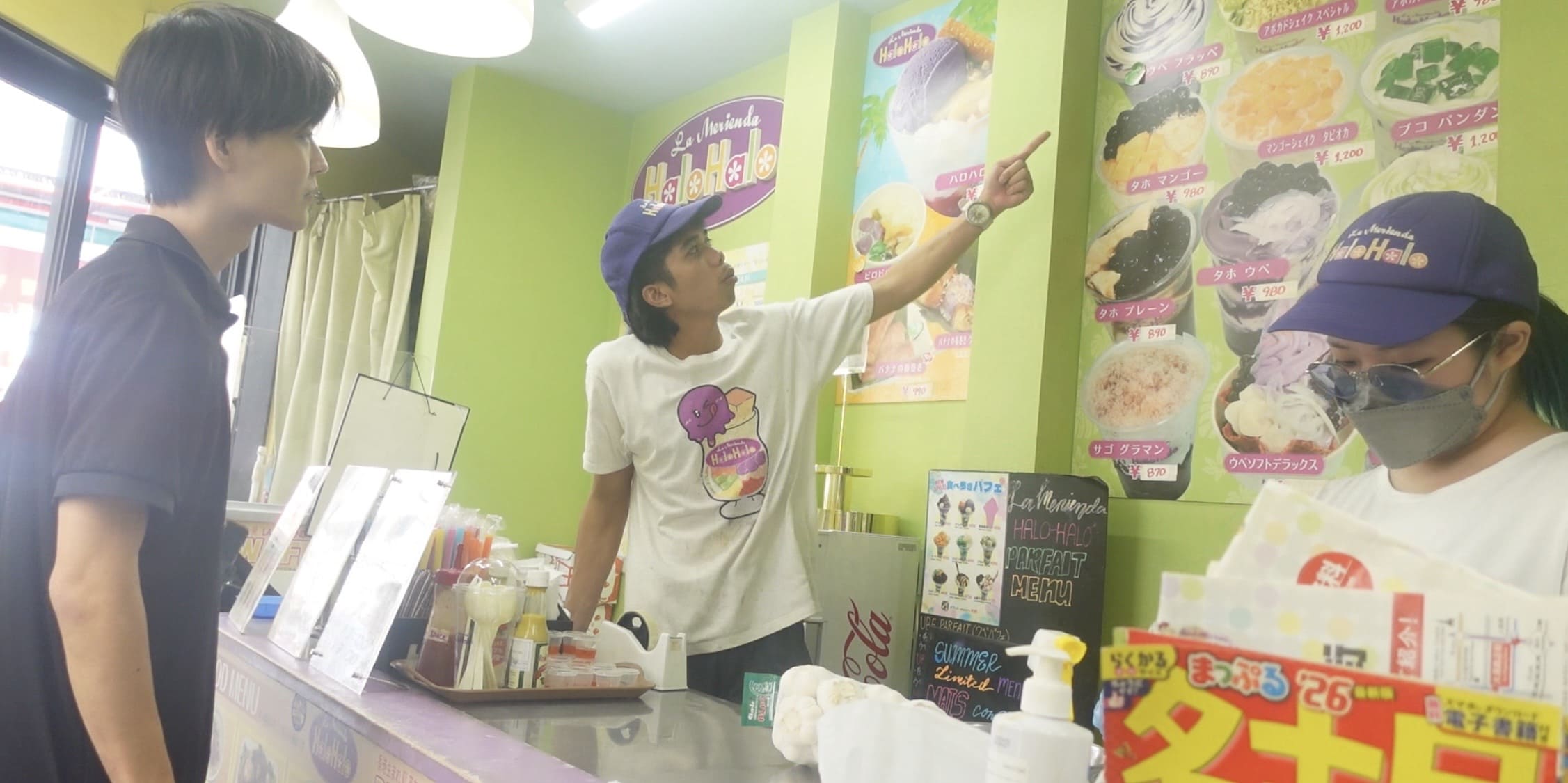
Then I asked:
"What's the most popular menu for Japanese customers?"
I expected halo-halo.
...It was waffles.
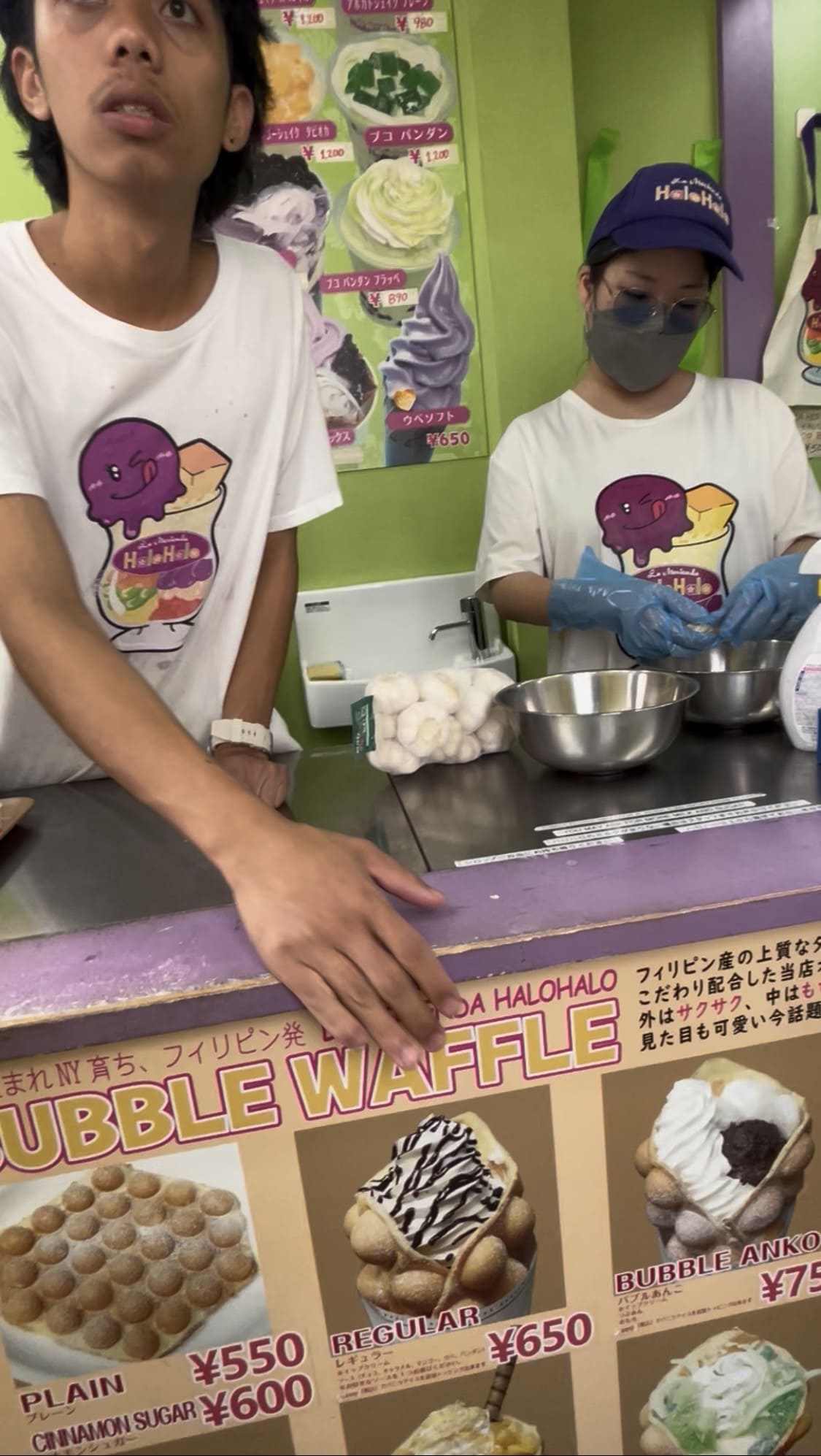
"Oh, okay..."
Even back in Japan, I keep finding my assumptions challenged 😂
Then I tried speaking Bisaya with two Filipino customers.
One was from Bulacan and mainly spoke Tagalog and English.
The other was from Iligan.
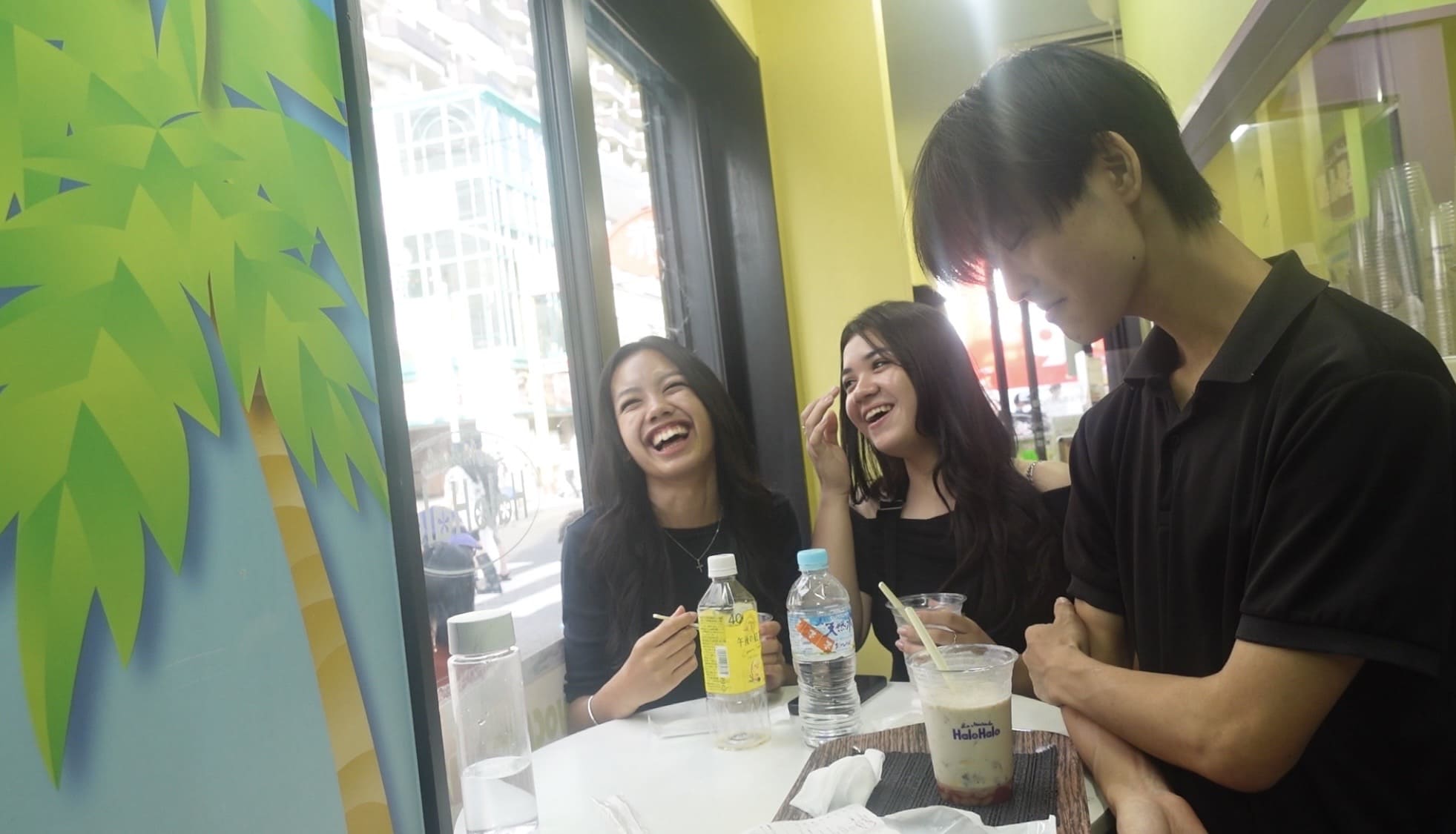
I expected we might speak Bisaya together.
But she told me she had grown up in Japan and didn’t know Bisaya either.
Hala oy...😂
After almost 3 years of trying to understand Filipino food and culture, I realized something:
I’m not sure there’s one version of “Filipino food” anymore.
It changes depending on where you are, who’s making it, what’s available…
and maybe even who’s eating it.
The funny part?
The best thing I ate that day wasn’t even the halo-halo.
It was calamansi sauce with lugaw.
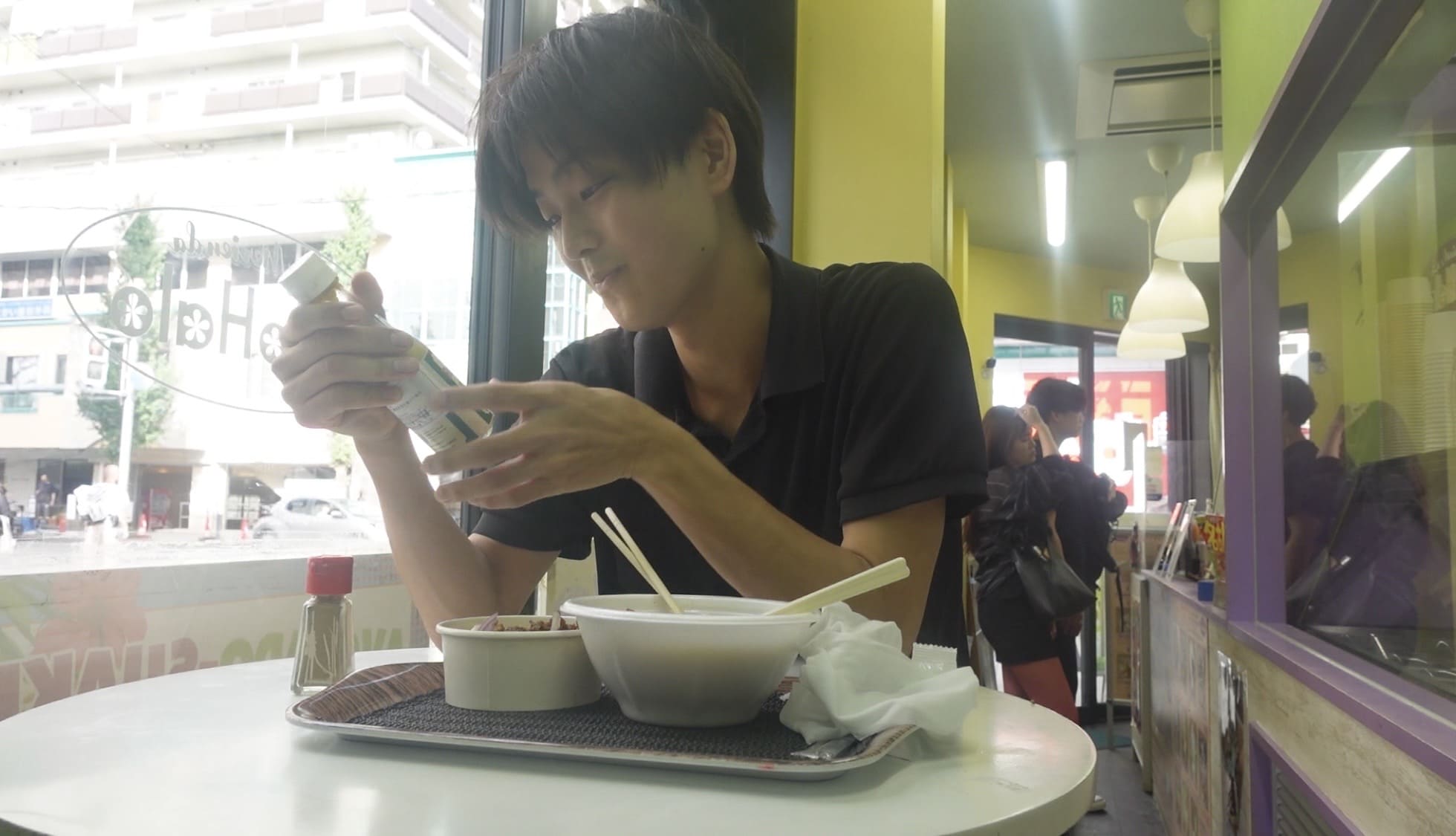
I genuinely think it might be the best lugaw I’ve ever had.
So now I’m left with one question:
If Filipino food changes when it crosses a border...
is it still Filipino food?
FILIPINOS VERIFIED? 🇵🇭🇯🇵
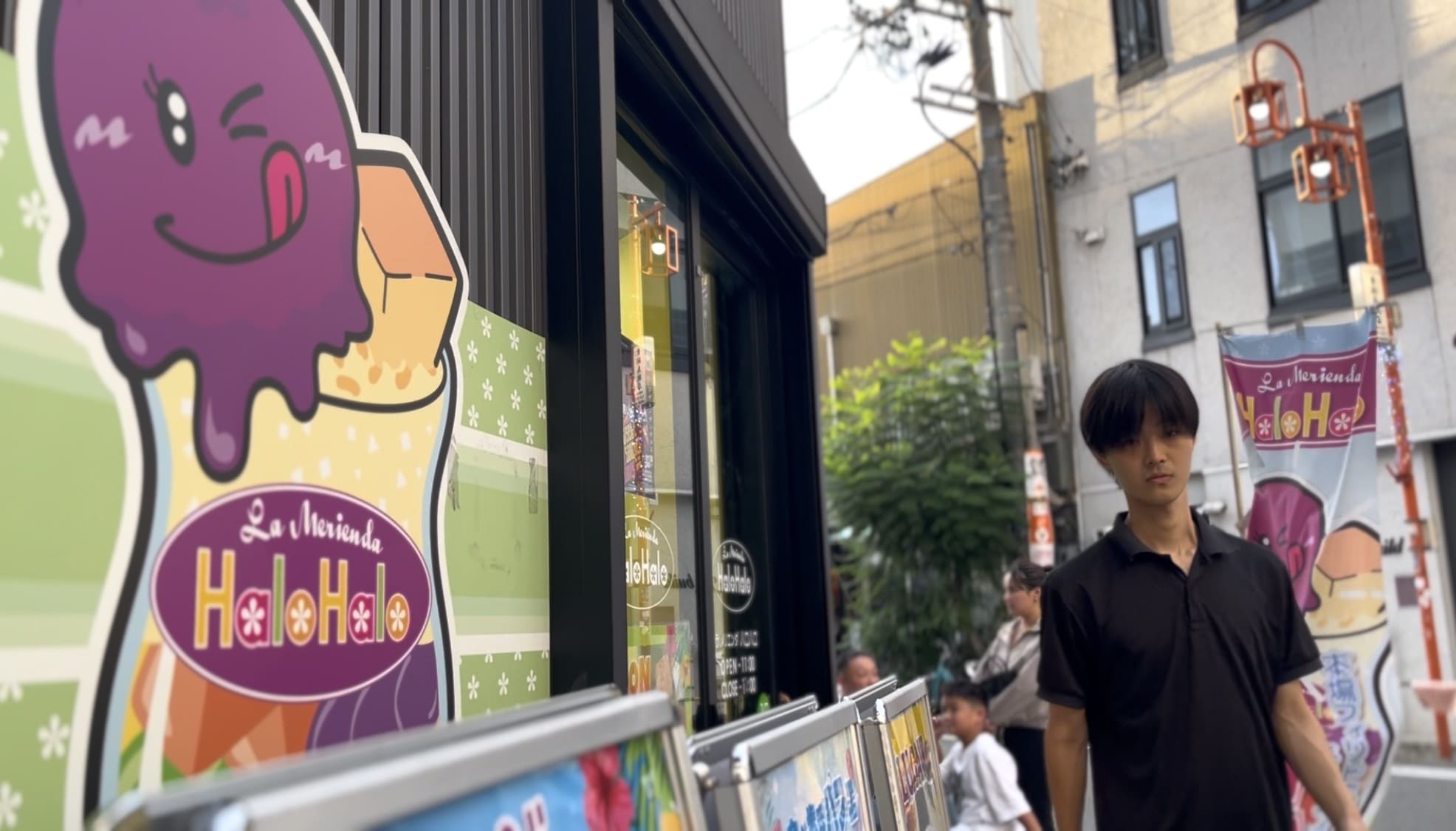
Still Learning
Still Exploring,
Even in my hometown.
"OK, I will teach you Bisaya," — Me, getting a little carried away, from Japan
I went in thinking this would be a simple comparison — Filipino food here versus Filipino food back home. What I didn't expect was how quickly the comparison fell apart. Seventeen toppings instead of four. cold taho instead of warm. A menu where waffles, not halo-halo, is what actually sells to the regulars.
Then there was the Bisaya. I've spent almost three years building a life in Cebu, learning the language one mistake at a time, and I walked into that shop half-expecting it to be the one word that connected me to whoever I met. Instead, one customer answered me in Tagalog and English, and the other — from Iligan, a place where I'd assume Bisaya is just how you talk — told me she'd grown up in Japan and forgot it either.
It made me stop for a second — and then laugh. Different provinces. Different languages. Different orders at the counter. And somewhere in the middle of all that mismatch, I recognized something closer to home than I expected: I was born in Nagoya and barely know it, the same way "Filipino food" apparently doesn't hold still long enough for anyone, including me, to fully pin down.
I realized there isn't one fixed version of "Filipino food" anymore — it changes depending on where it's made, who's cooking it, and who's eating it, the same way I've quietly become someone a little different depending on which country I'm standing in.
| Date | September 21, 2026 |
|---|---|
| Location | Nagoya, Aichi, Japan |
| Event Type | Diaspora Food Investigation |
| Access Method | Creator-initiated collaboration |
| Food Featured | Halo-Halo (17 toppings) & Lugaw with Calamansi Sauce |
| Cost to Attend | Complimentary |
| Rarity | 🟨🟨🟨⬜⬜ — Homeland food reinvented for a Japanese audience |
| Bayanihan Index | 🟨🟨⬜⬜⬜ — Warm but brief exchanges, not a full communal gathering |
Whether that's true only for food that crosses a border, or true for anyone who does the same, is something I still don't know.