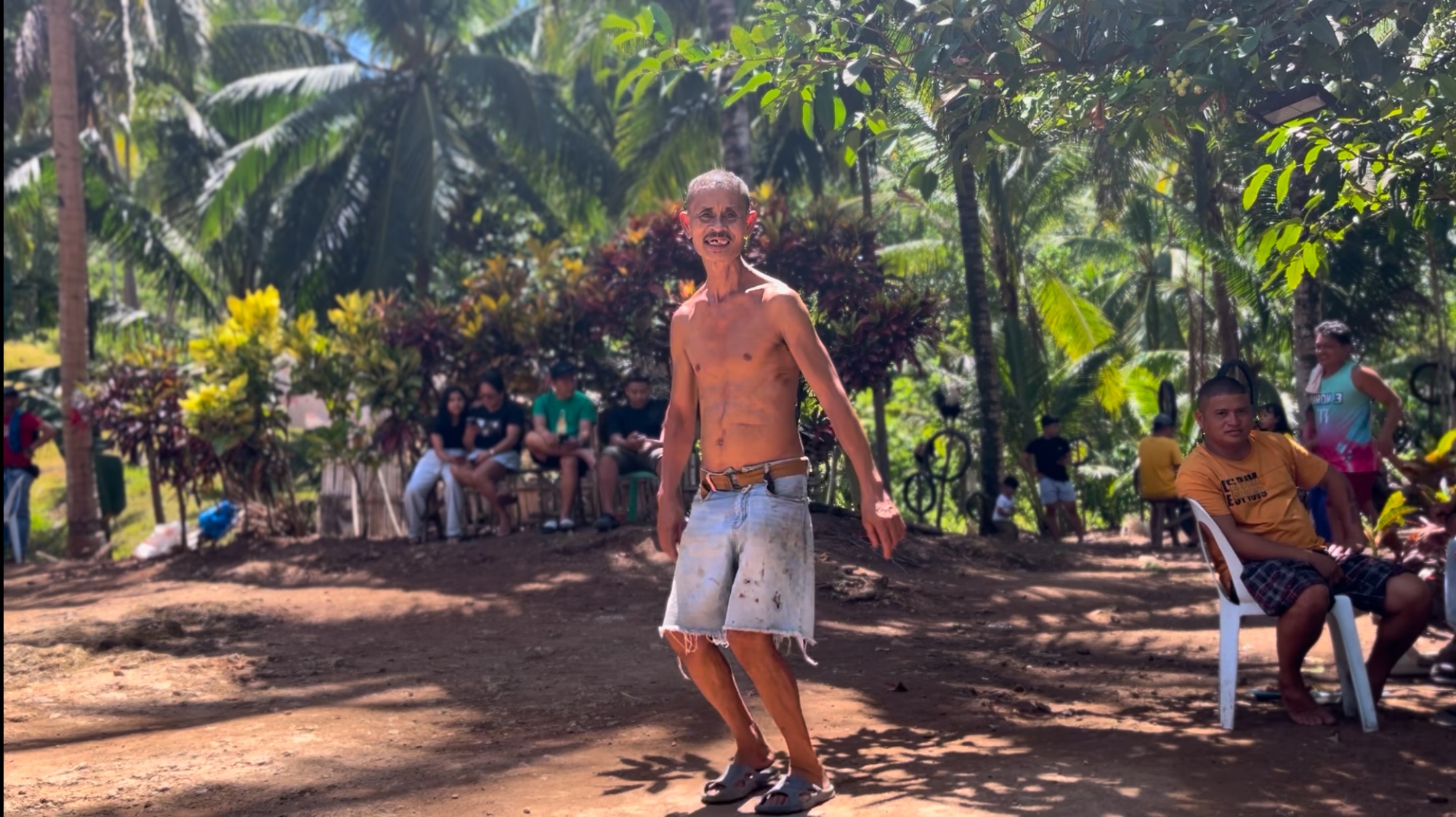
I still don't understand one thing.
Why me?
Out of everyone…
why did they invite a random Japanese guy?
I wasn't from Catmon.
I didn't grow up with this food.
I didn't even understand it at first.
But they welcomed me like I belonged there.
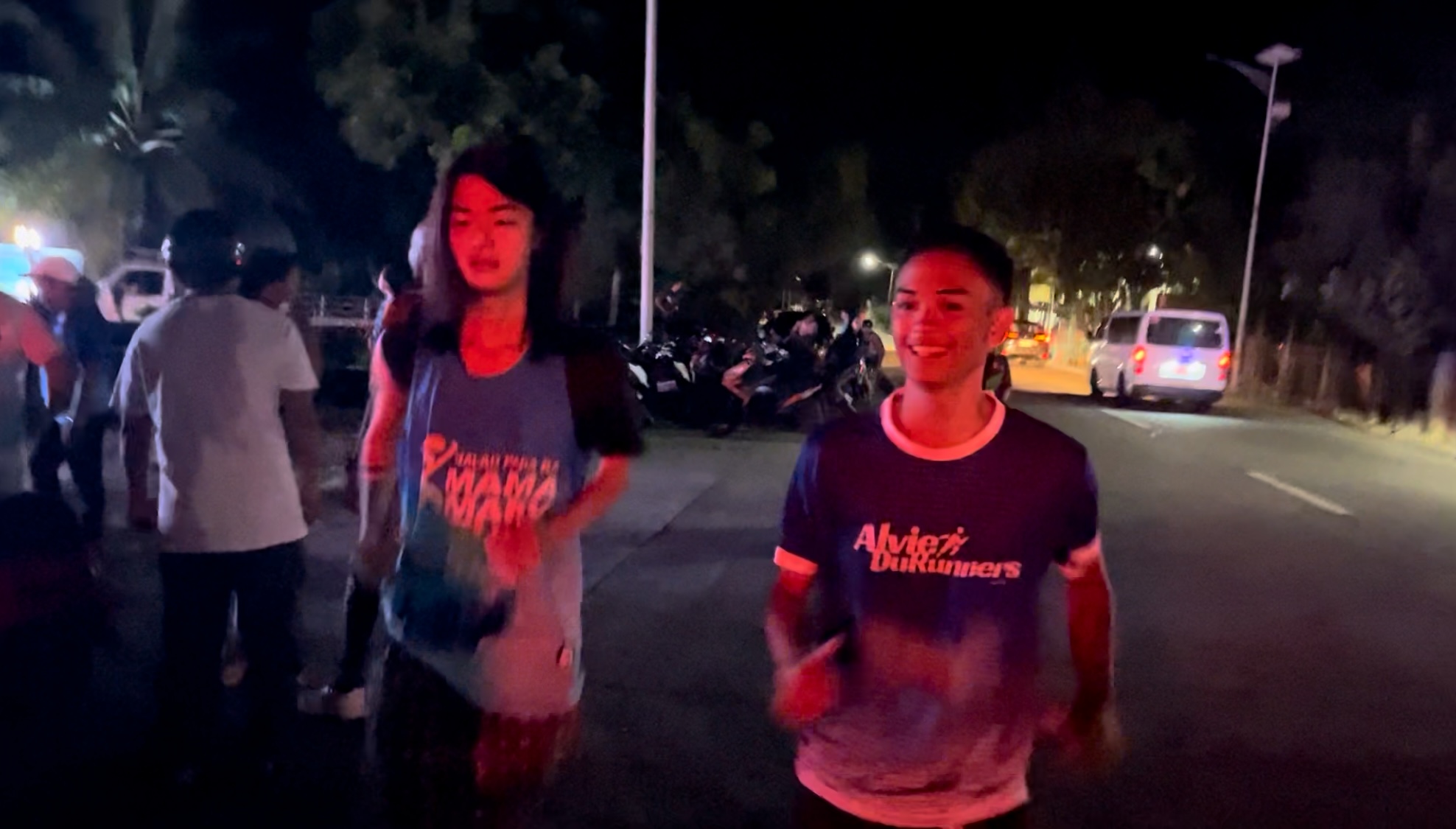
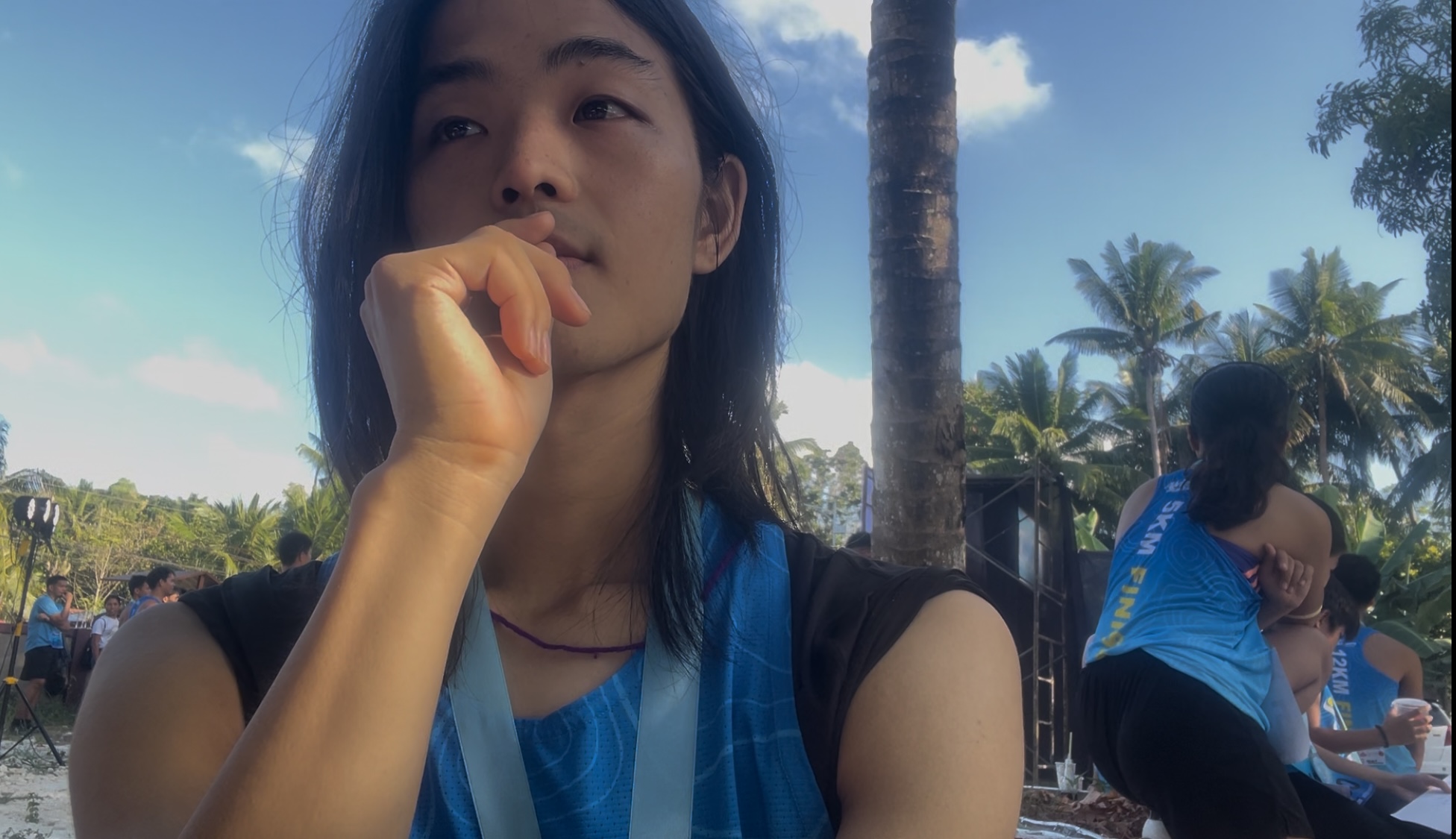
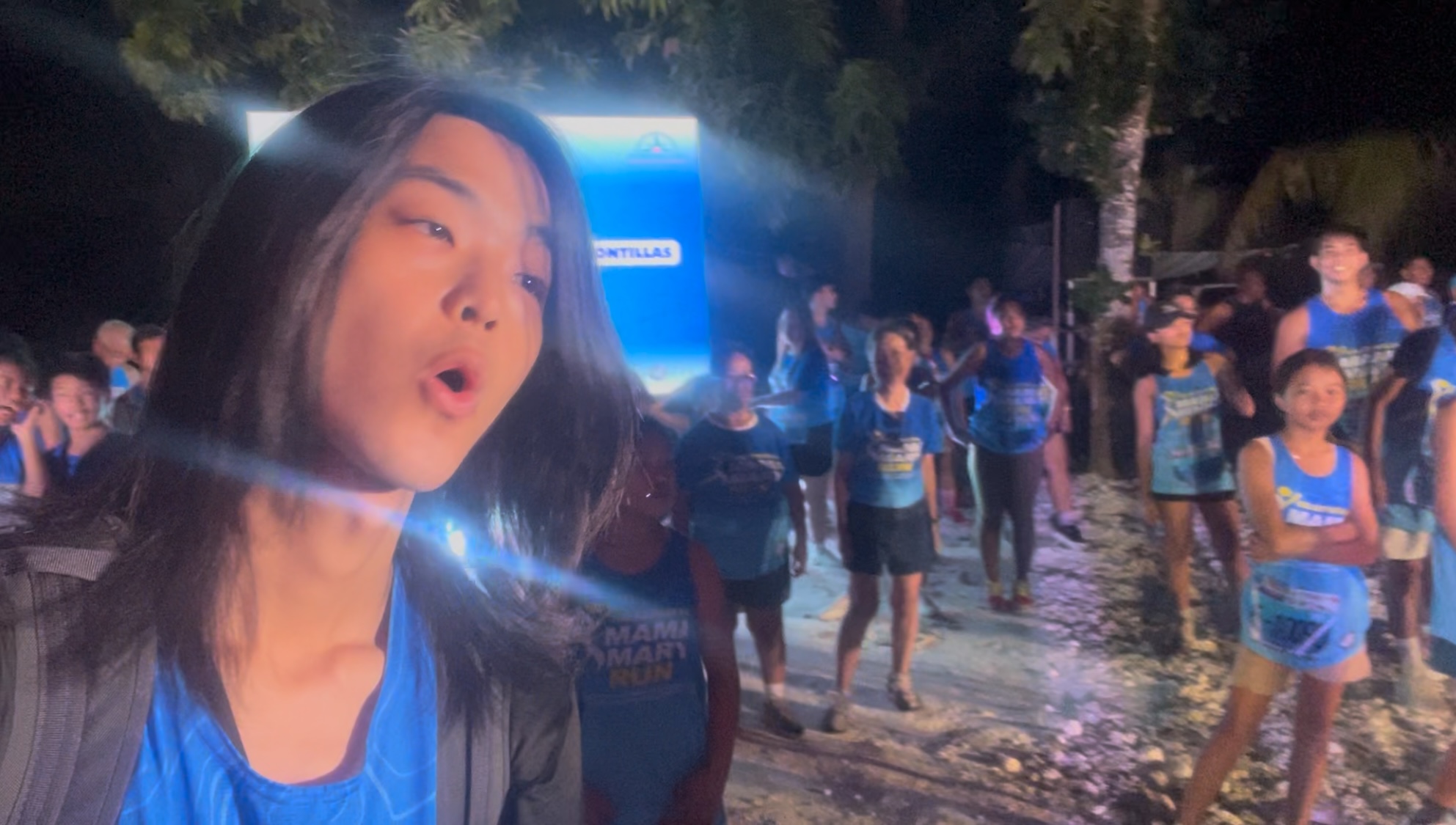
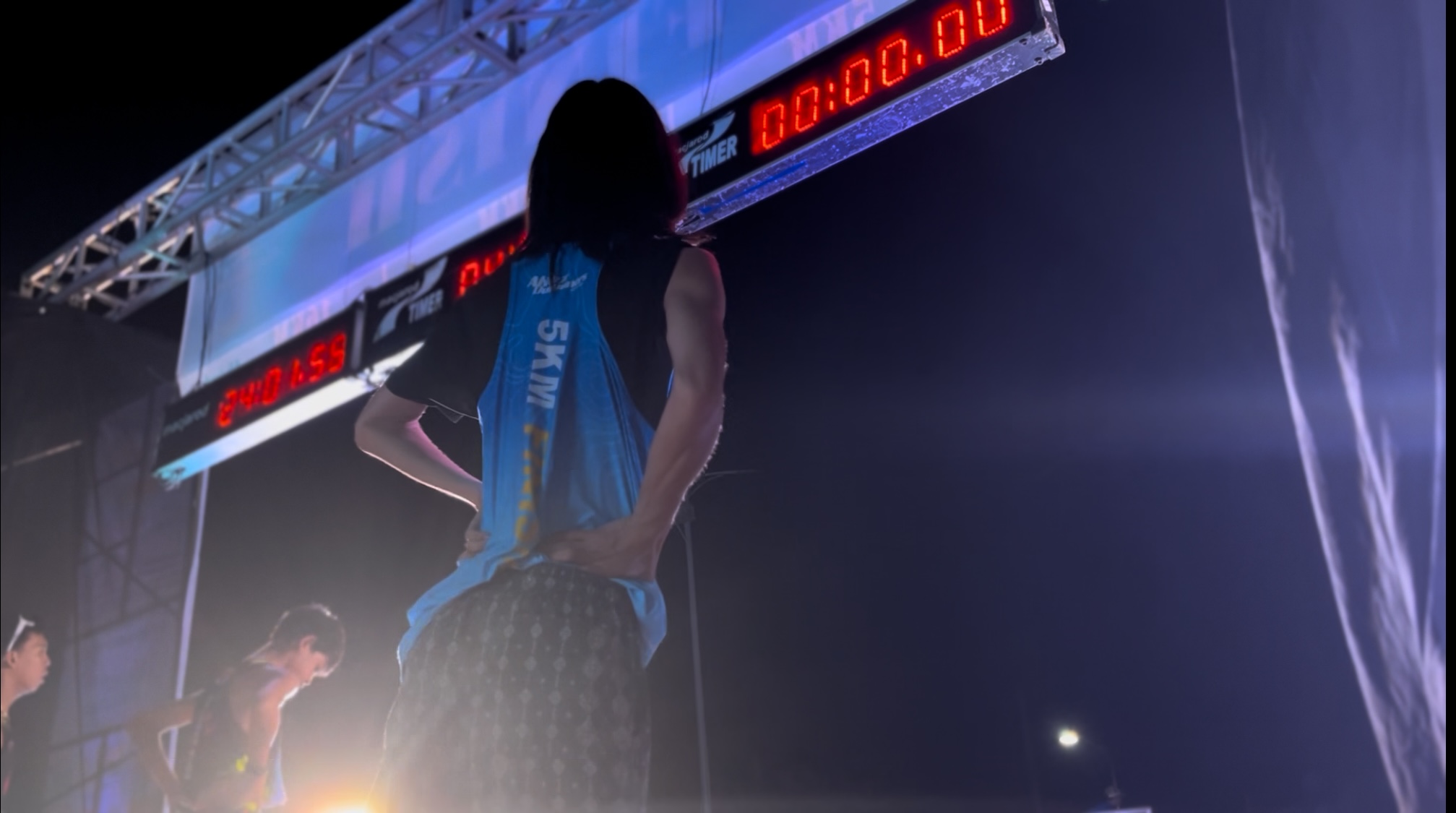
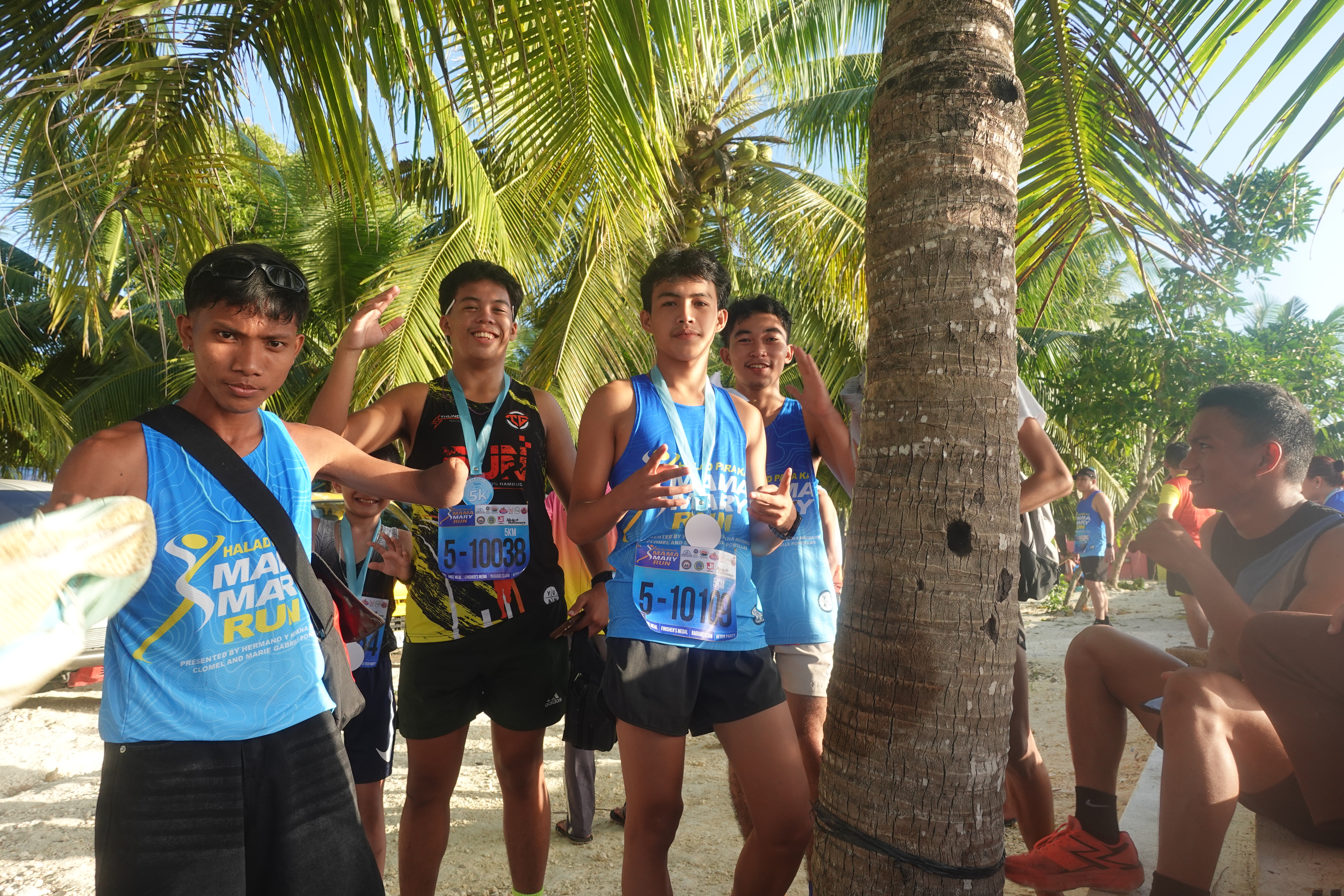
They let me run with them. Eat with them. Sit with them.
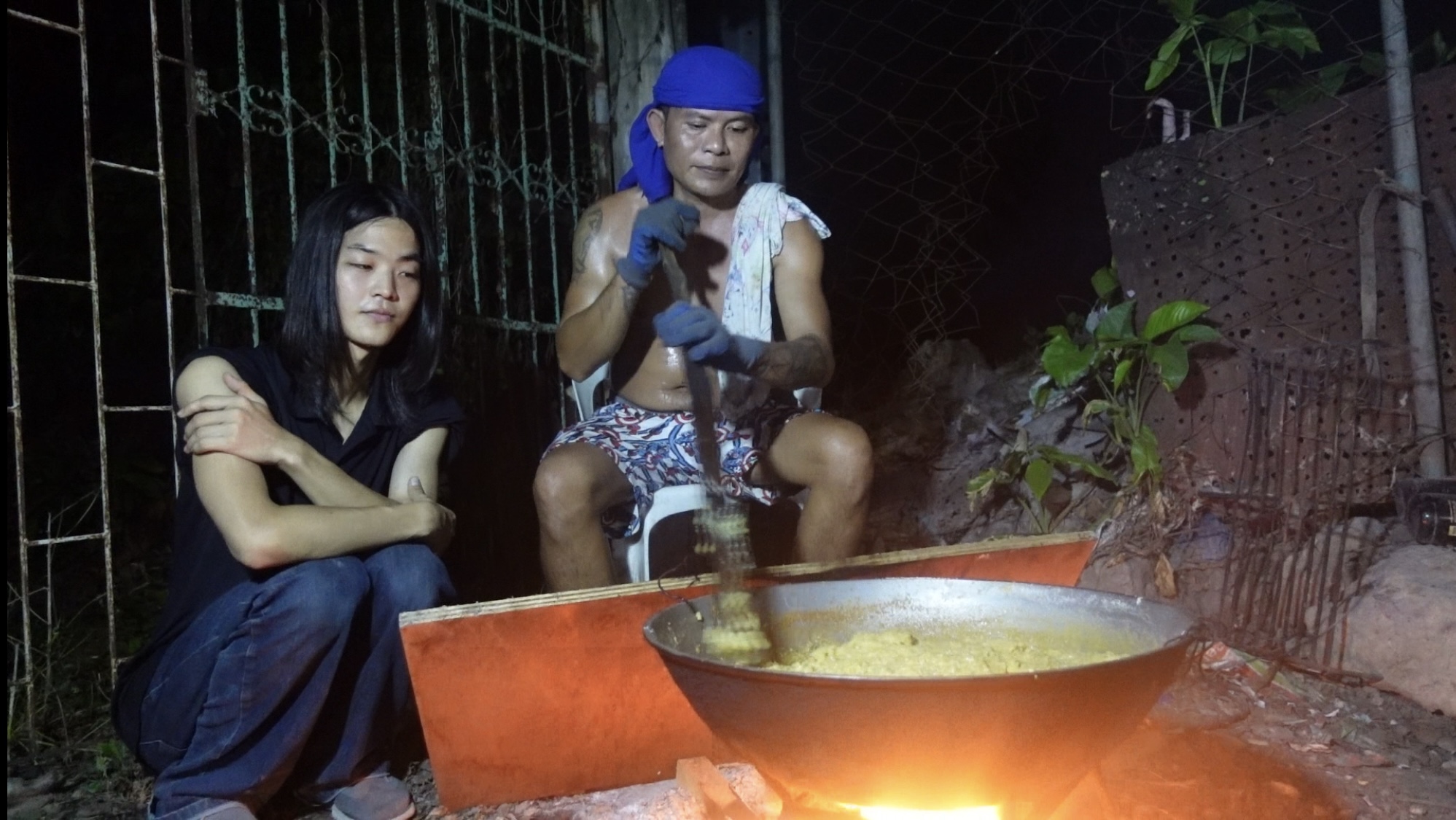
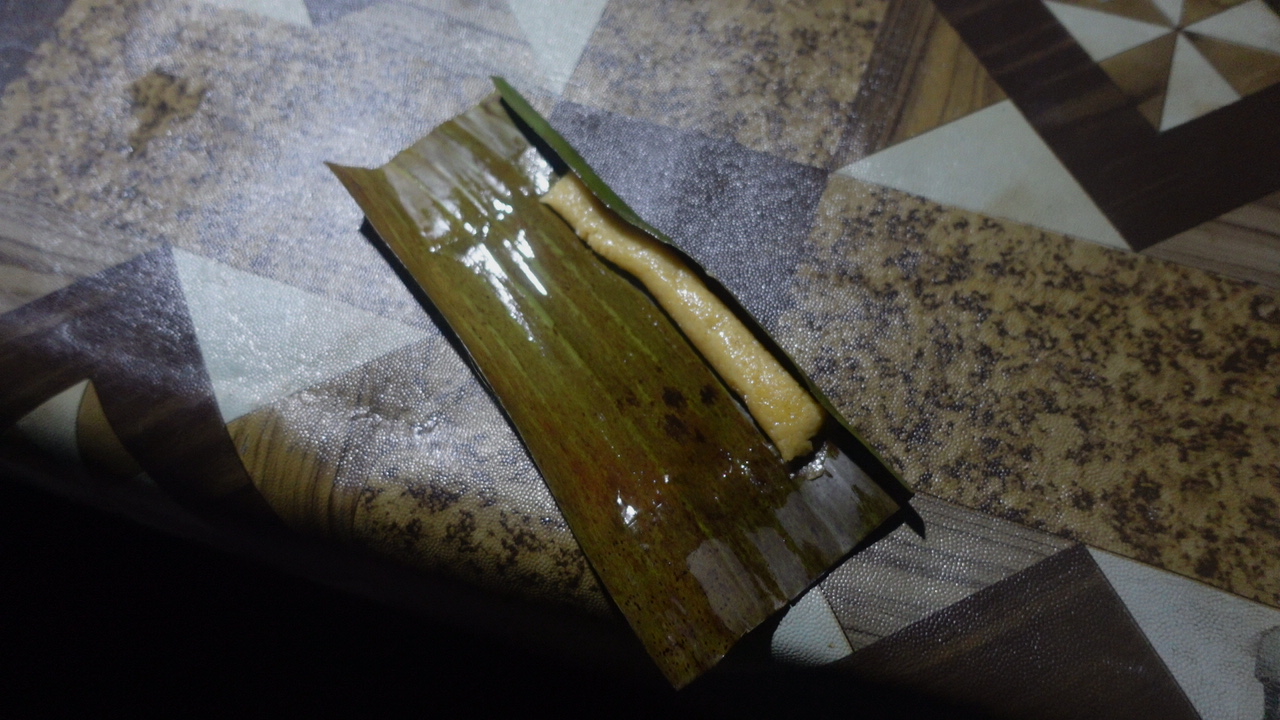
And even watch how they make it.
No explanation. No questions.
Just… "you're here now."
Maybe it wasn't about understanding.
Maybe it wasn't about the food either.
Maybe—
I was never supposed to "figure it out."
Just to be there.
The Heat of the Place — and the Heat of the Work
Catmon sits close to the sea, and the woman who hosted me explained it plainly: "It's hot here because we're near the ocean." She was right. The air in Catmon carries that particular coastal density — wet, warm, still — that doesn't ease up even after dark. But on the fourth day, she took me inland, up toward the mountains. Suddenly it made sense why this town feels different from anywhere else in Cebu: you can hike a ridge trail in the morning and reach a beach by afternoon. That rare geographical compression gives Catmon its own unhurried rhythm.
The heat wasn't just outside. It was inside the production space too. I was filming the Budbud Kabog maker at close range — watching the raw millet being mixed, kneaded, and set to boil. At some point my iPhone gave out. Overheated. Completely shut down from the thermal stress of being inches from the boiling process in already-sweltering conditions. While I waited, my host fanned the phone back to life with a small electric fan. It was a small, generous act that I keep thinking about. The work was that hot, and they just… kept going.
The Disco That Wasn't There
There was a disco event in Catmon that night. In Cebu City, 2:30 AM is when things peak — the floor fills, the energy crests. So I went at 2:30 AM expecting exactly that. I arrived to an empty venue. Everyone had already gone home. Catmon has its own clock. It doesn't accelerate the way the city does after midnight; it winds down. That empty room taught me something the daytime footage couldn't: this is a place that belongs to mornings and early evenings. Nightlife here isn't late-night — it just doesn't exist in the way I expected. That's not a flaw. It's the character of the place.
Coconut as Vocabulary
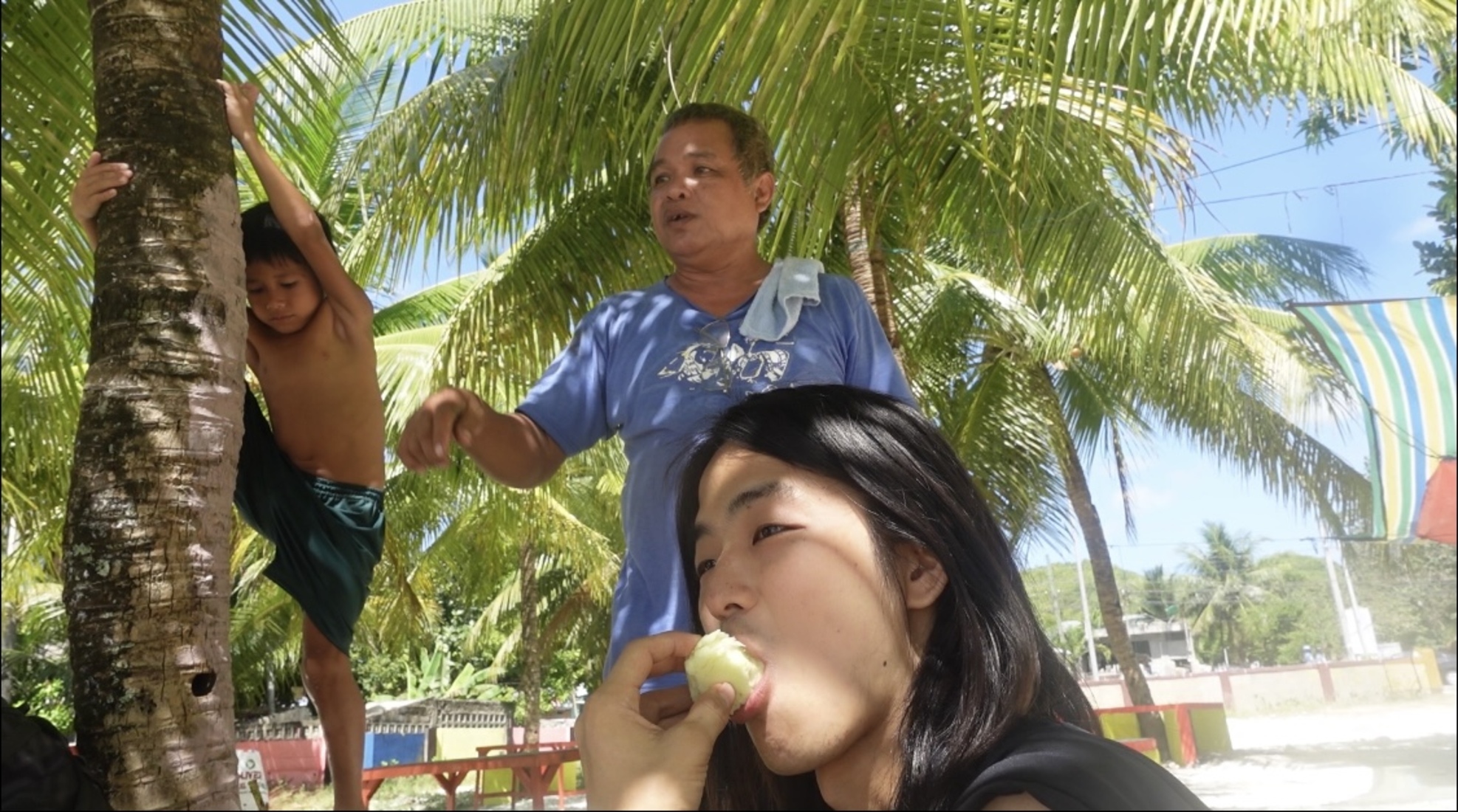
After the run event, once the equipment was packed up, I sat for a while by the water. A group of five strangers — people who had no idea who I was — came over and started talking. One of them, a kuya with limited English said something I won't forget: "Coconut is very important in the Philippines." Simple sentence. But he said it with the conviction of someone passing down something real.
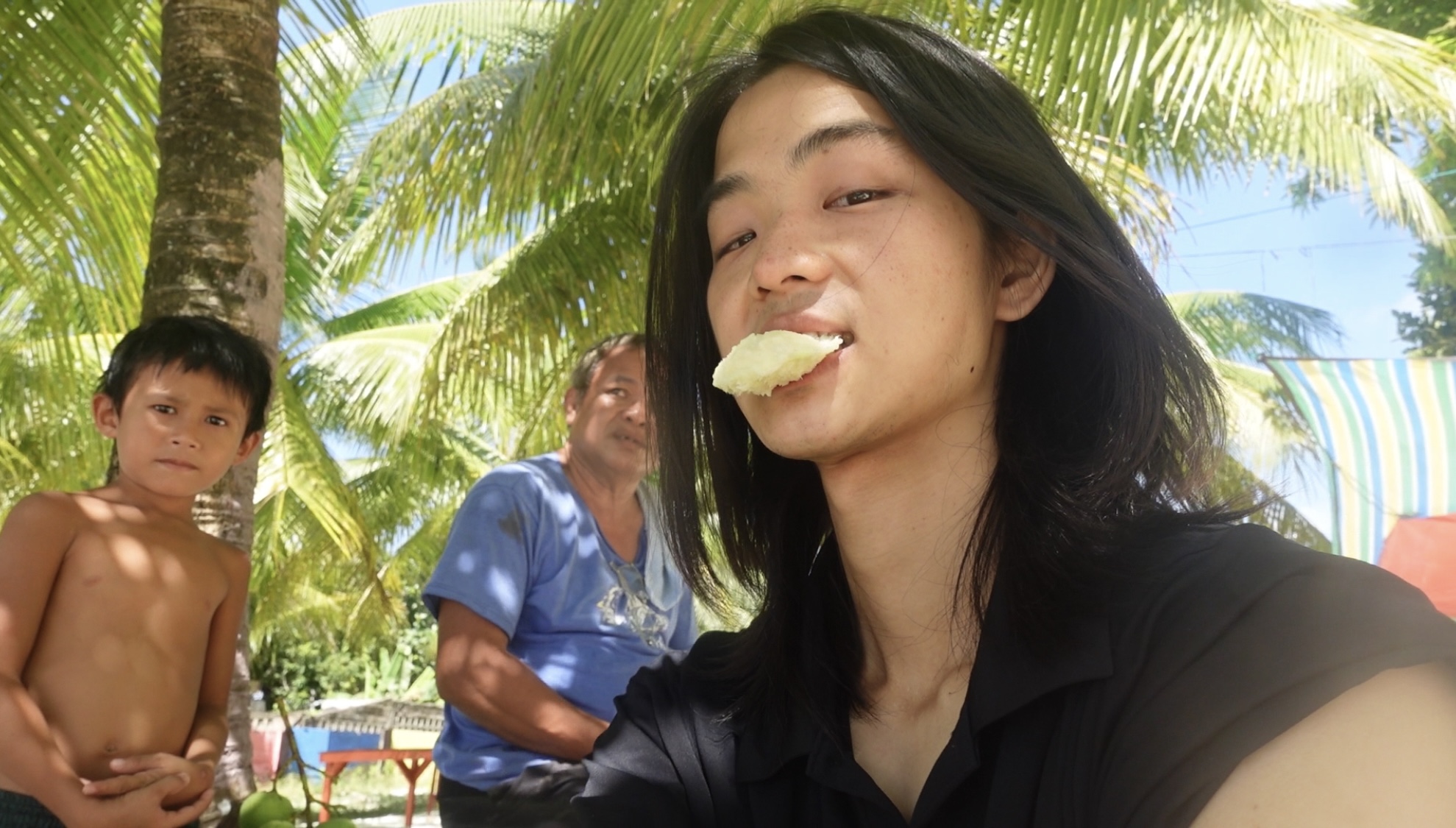
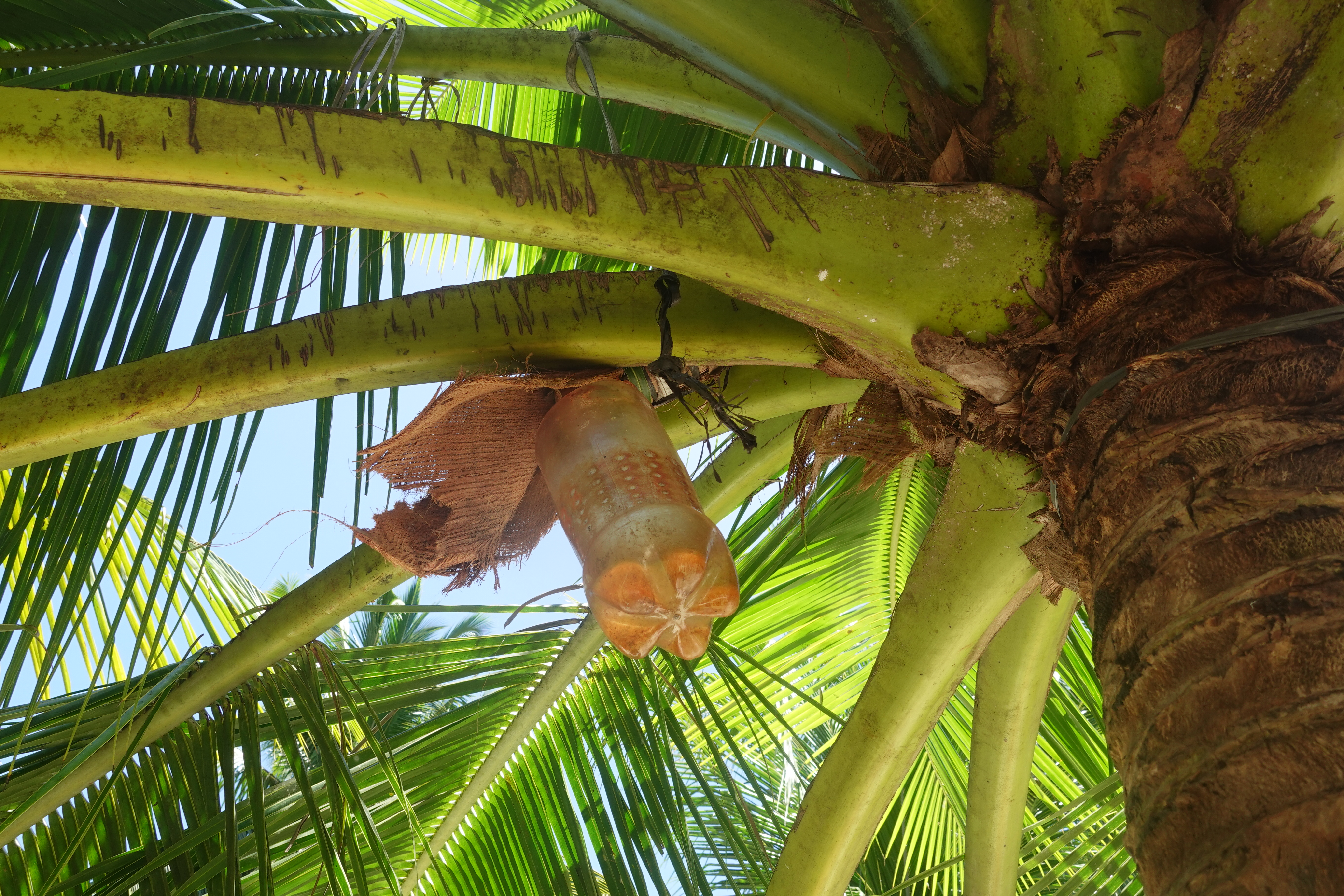
Then he handed me a fresh tuba — palm wine drawn directly from the tree. The sweetness was nothing like bottled coconut water. It was alive. One of the kids in the group cracked open a buko and offered it to me without saying anything, just watching to see if I liked it. I did. That exchange — no shared language, no formal introduction, just a coconut and a quiet moment by the sea — might be the most honest form of welcome I've ever received anywhere in the Philippines.
On Living There Permanently
The honesty that comes with returning somewhere again and again: Catmon is one of my favorite places in Cebu. The people are genuinely warm — not performatively, not for the camera. Warm the way people are when they've never learned to be otherwise. But if I'm being fair, living here long-term would be hard. Past midnight, your options narrow fast: 7-Eleven or a handful of nearby restaurants. For someone used to urban infrastructure, that gap would be felt. Still — that limitation and the warmth aren't separate things. They come from the same source. A town that closes early is a town that has somewhere else to be. Usually home.
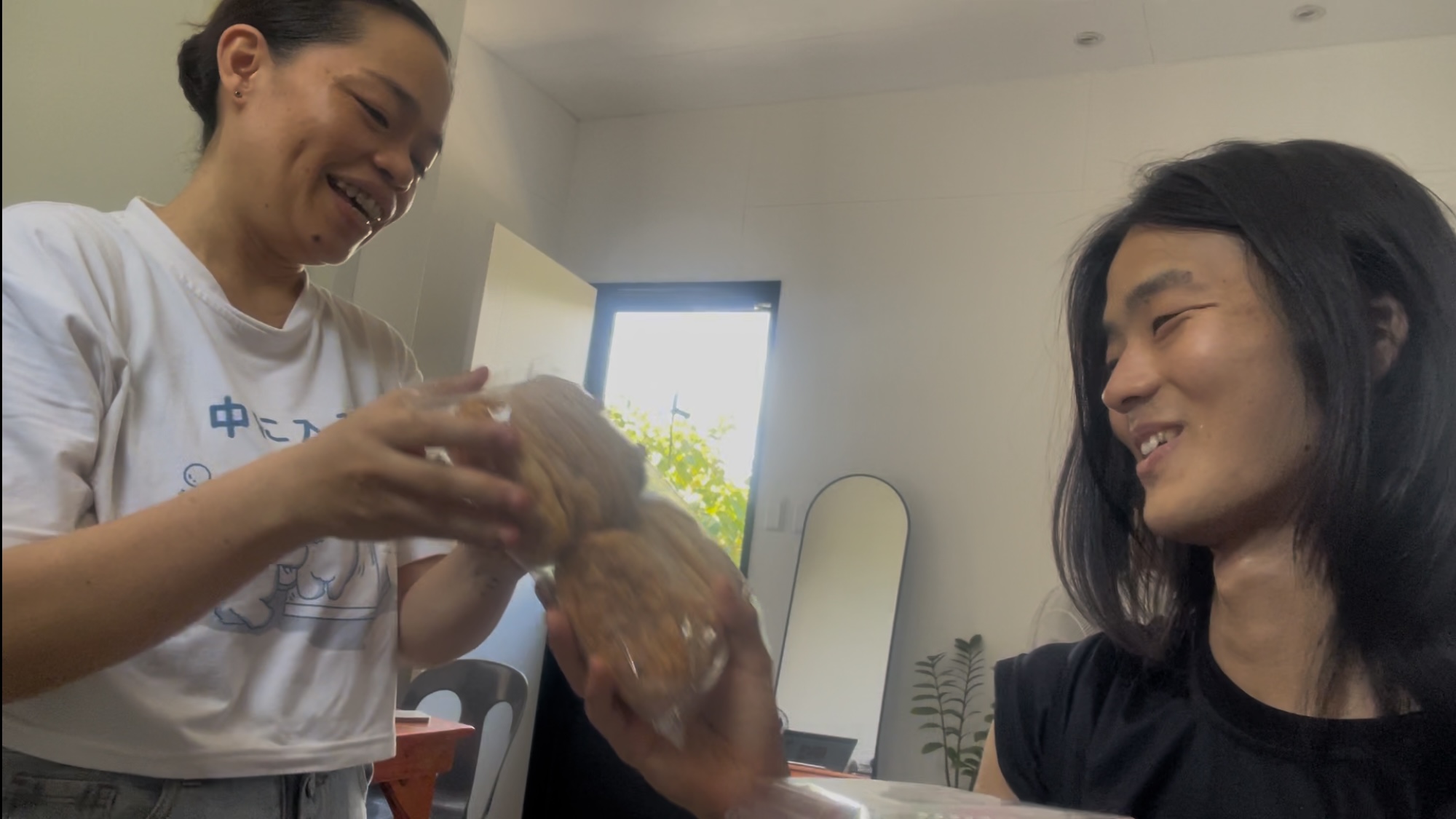
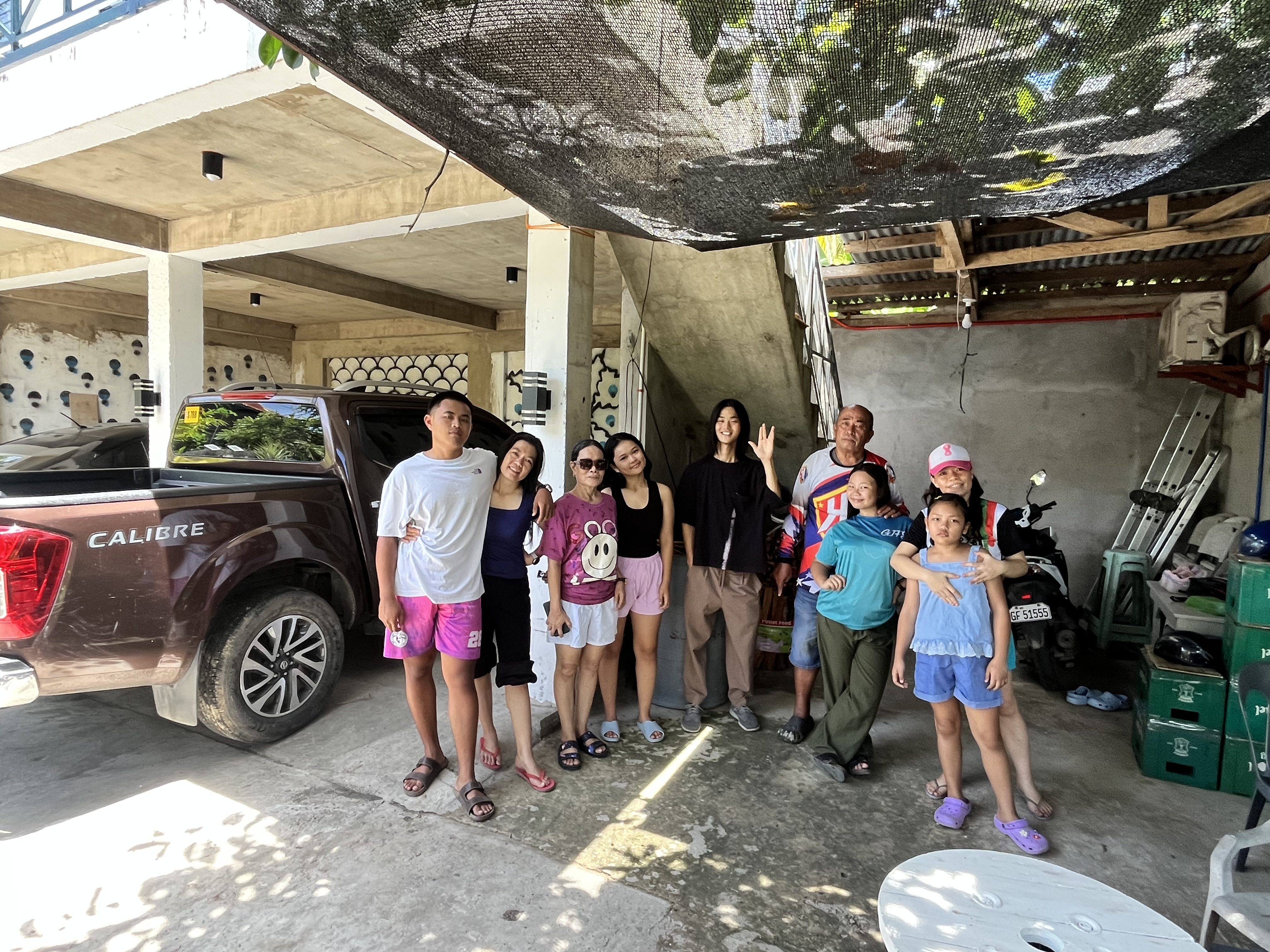
Salamat kaayo, Ate Cle family🖖
There's a version of this story where I'm the outsider who came to document something exotic and left with footage. That version is accurate and also completely wrong. What happened in Catmon was different from every other field trip I've done — not because of what I filmed, but because of what I was handed without asking. Access that had nothing to do with credentials or cameras. A coconut because they had one. A seat because there was room.
I still don't have a clean answer to the question I started with. Why me? But I'm starting to think the question itself misses the point. In Catmon, "why you" isn't how hospitality works. You're there. That's enough. And for a place trying to hold onto its food traditions, its coastlines, its mountain trails, and its unhurried pace — maybe that kind of radical openness is the thing most worth documenting.
It was never about earning an explanation — the coconut handed to me by strangers on a beach, with no shared language and no formal introduction, was the most honest form of welcome I'd found anywhere, and it never once asked me to figure anything out first.
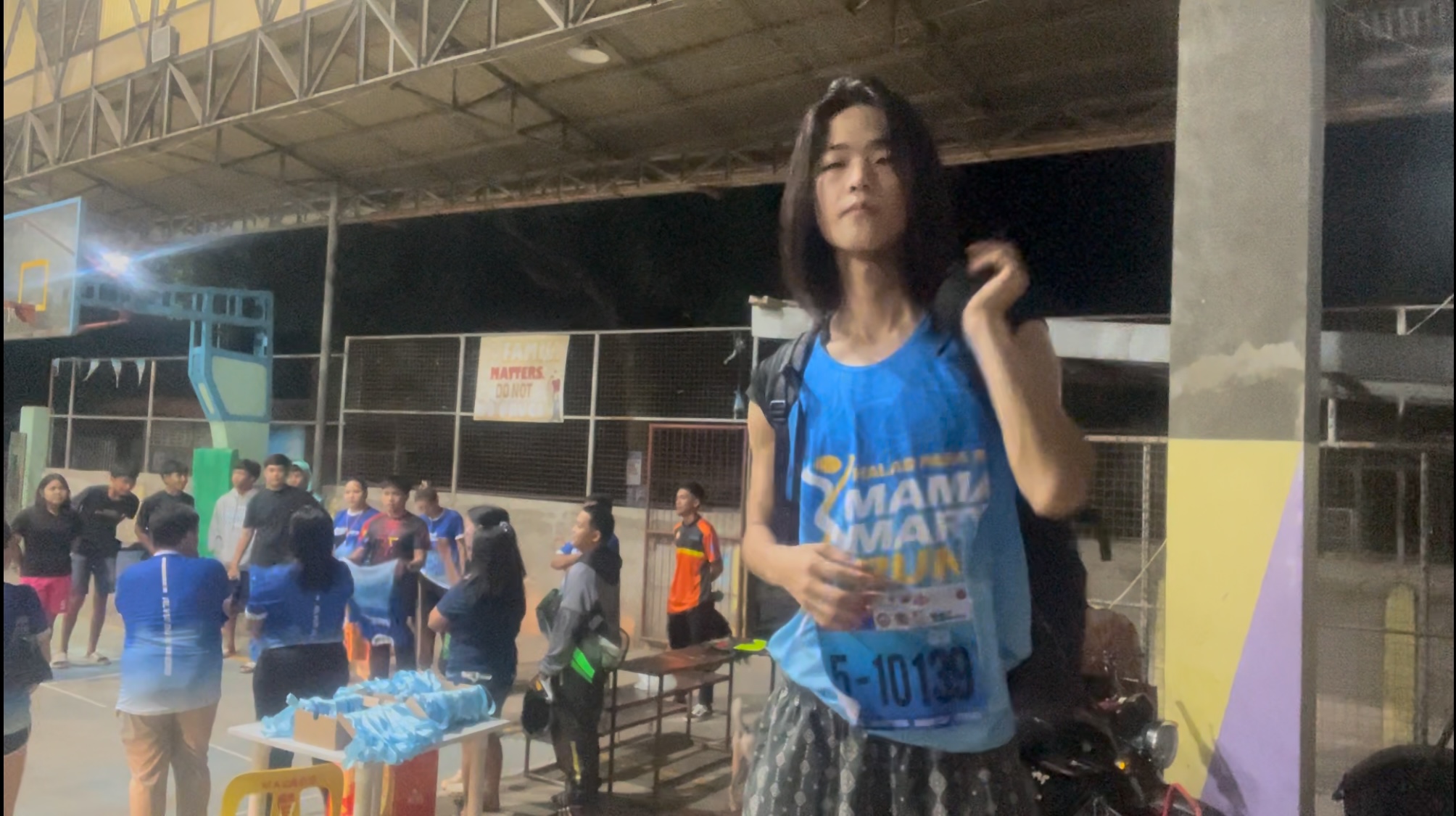
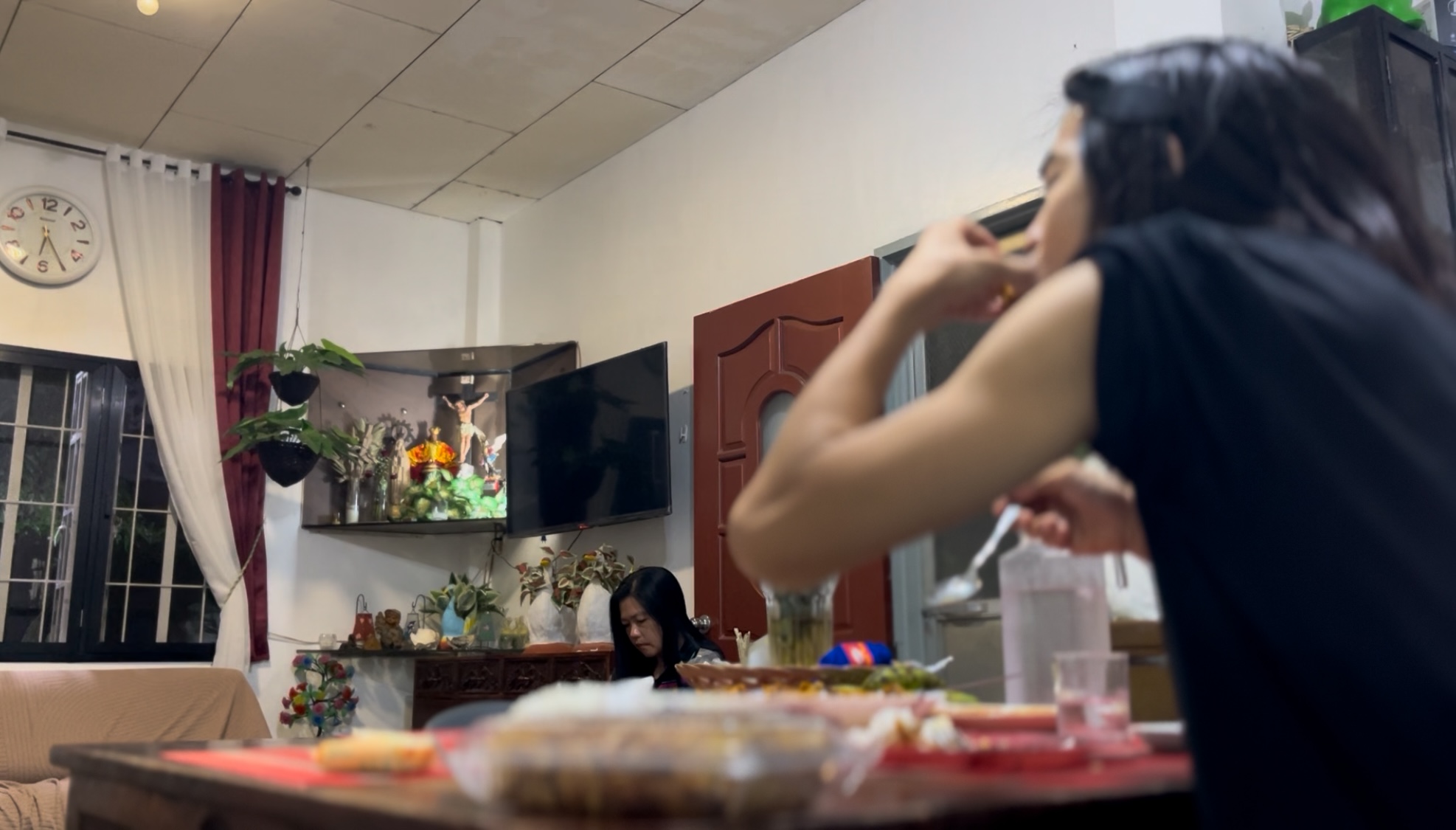
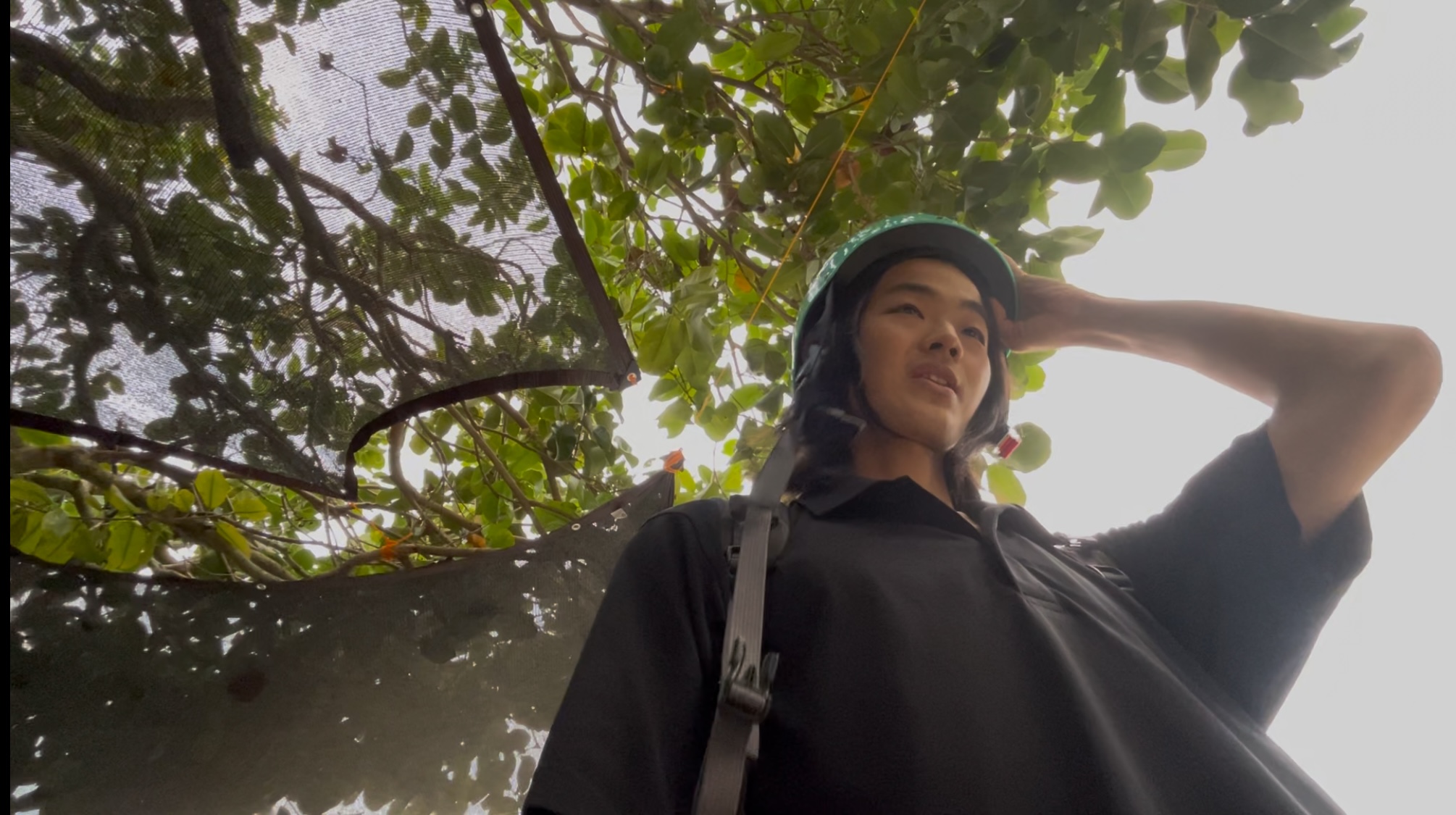
I still don't have a clean answer for why they let me in so completely — maybe in Catmon, asking "why me" misses the point entirely, and that unresolved question is exactly what pulled me back to this town again and again.