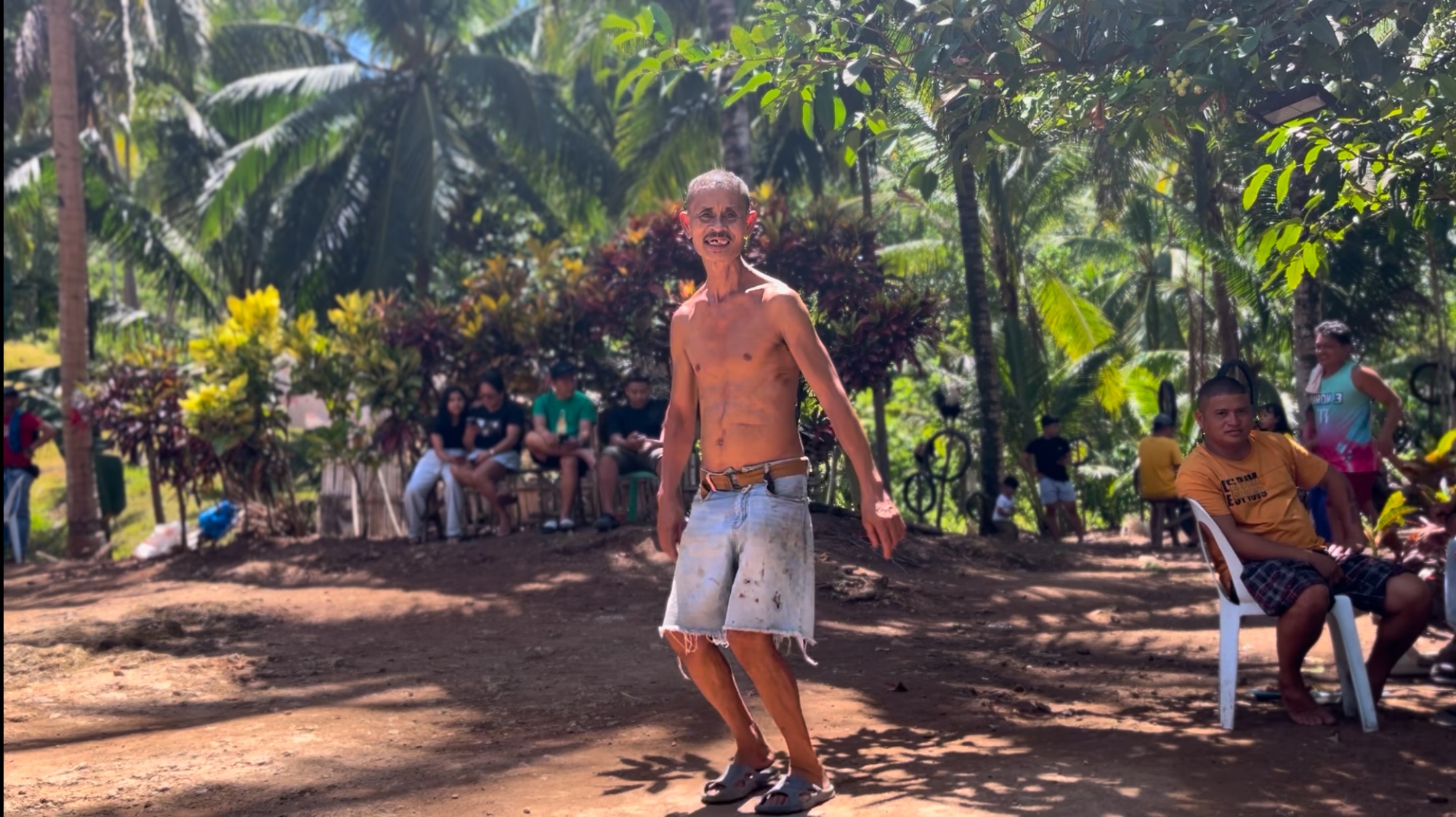
Power outages are a regular part of life in the Philippines. Here in Cebu City, they've become less frequent over the years — maybe once every two months or so at my base — but they still happen, and when they do, nobody seems to lose their minds over it. Nobody except visitors. I was one of those visitors once, complaining loudly about why the lights kept going out. That version of me feels like a different person now.
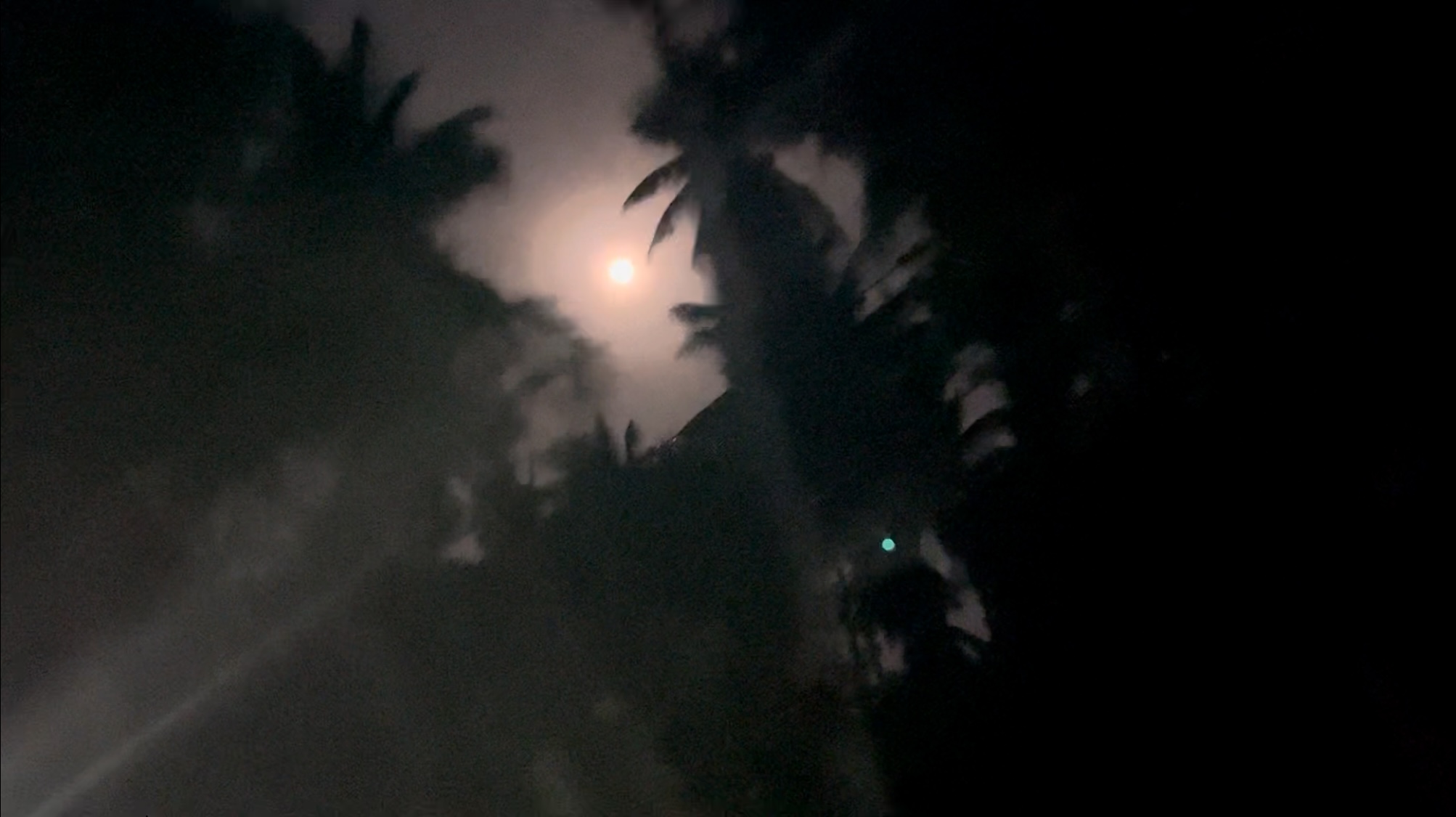
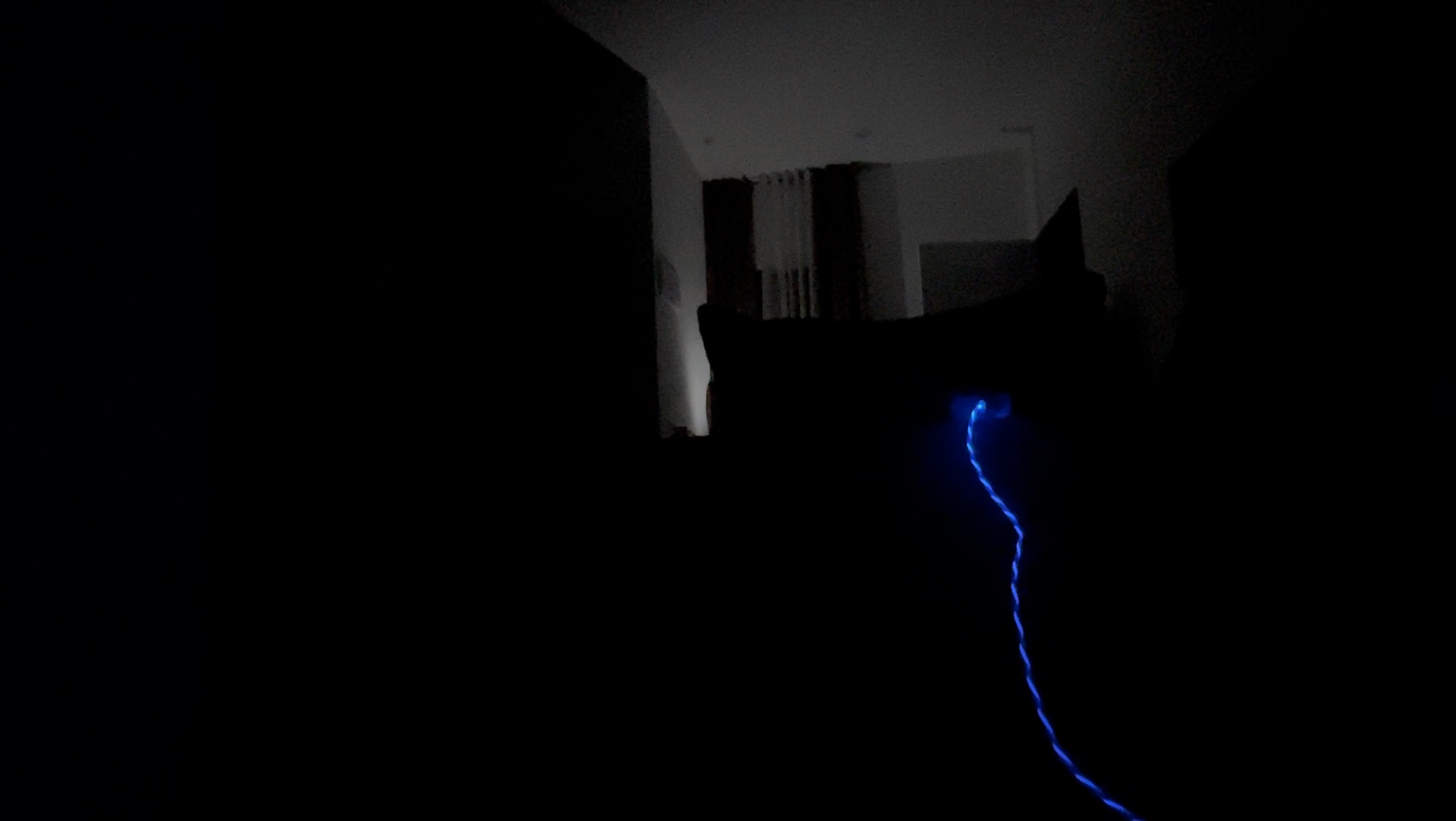
This particular blackout lasted around three hours — long enough to make locals raise an eyebrow. The people around me said something to the effect of: "It usually comes back faster than this." That's the tell. When the locals themselves notice the duration, you know it's not a routine flicker. This one was a proper outage, the kind that changes your evening plans whether you like it or not.
My concern that night was specific: there was a disco I'd been planning to check out. Word was it ran until 2:30 or 3:00 in the morning, and I'd been told that 2:30 was when the energy peaked — the sweet spot between late-night momentum and last-call desperation. I had timed my arrival accordingly. What I had not accounted for was three hours of darkness throwing the entire schedule into chaos.
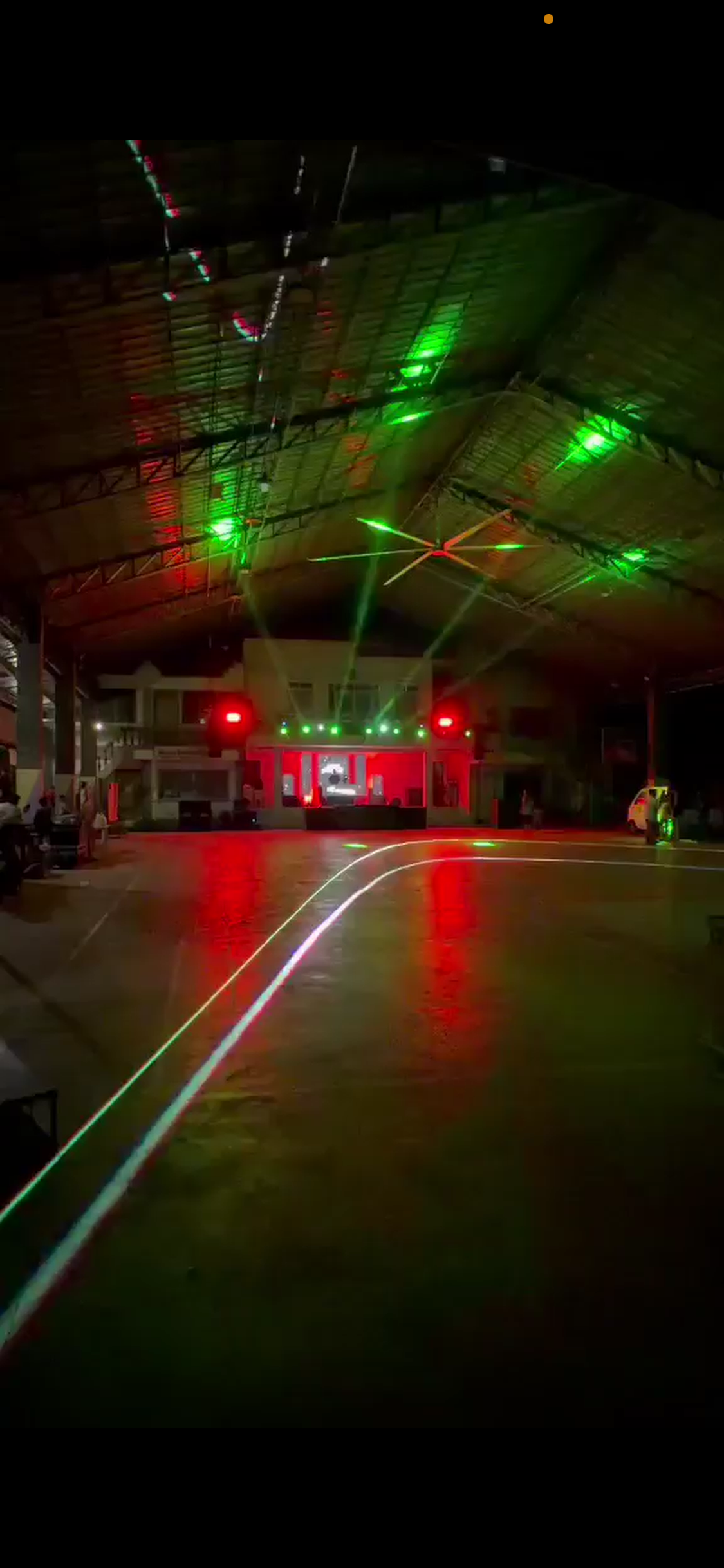
The blackout passed. The night continued. I made my way to the disco around the time that was supposed to be prime hours. The dancefloor was empty. Completely, almost comically, empty. The music was playing. The lights were on. But the people — the momentum — the crowd I'd been promised — had already dissolved into the Cebu night, long before I arrived.
That's the thing about the Philippines that I've come to appreciate rather than fight against: timing here is elastic. Plans bend around power cuts, weather, and the general rhythm of people who have learned not to grip their schedules too tightly. I showed up at the "right" time, by every measure I'd been given. And I got the punchline of an empty room. That's the story. And honestly? It's a better story than a crowded dancefloor would have been.
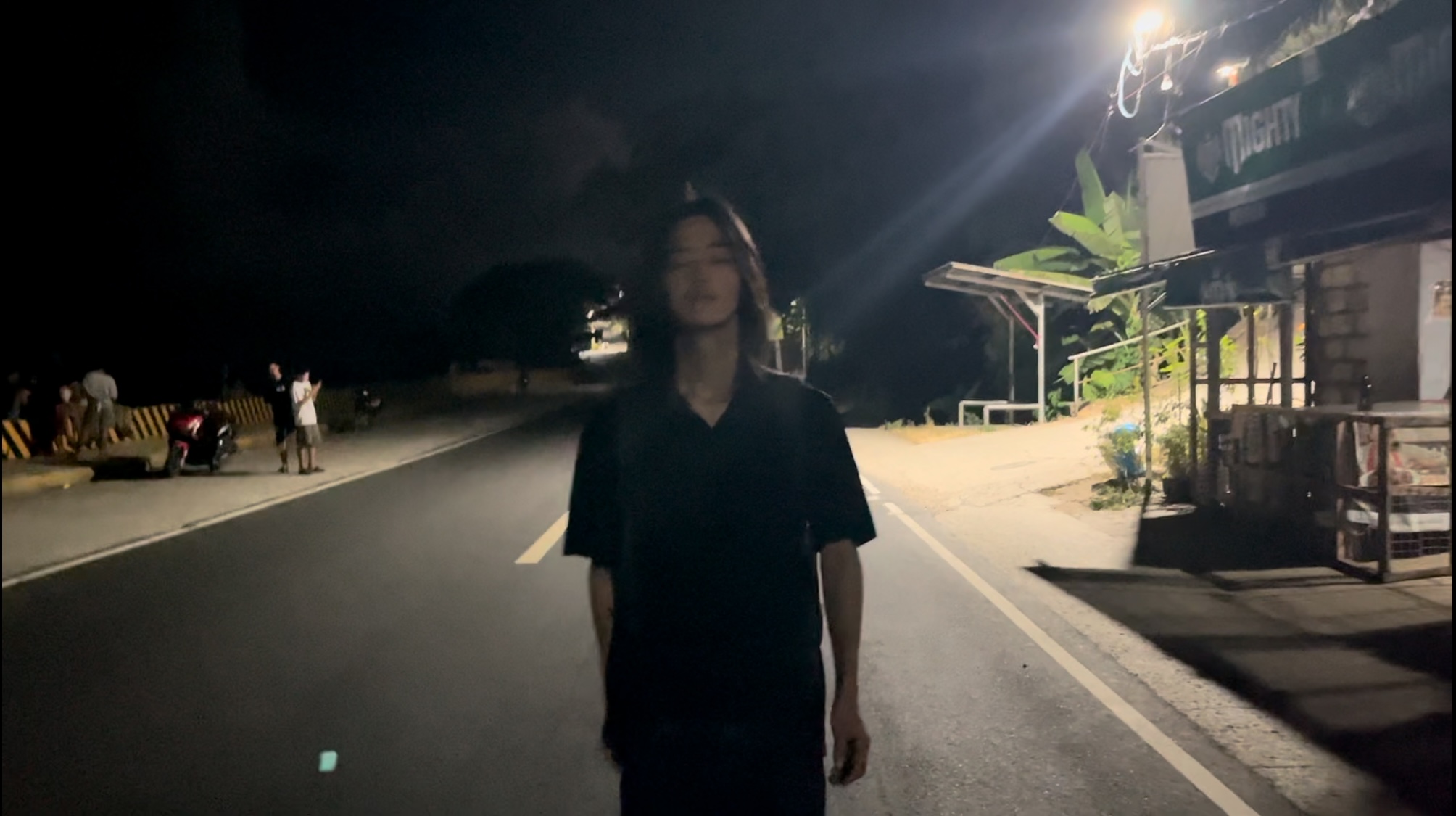
The moment the lights went out, I reached for my camera. Not out of panic — out of instinct. There's something embedded in the way I move through the world now: anything that disrupts the expected flow is worth documenting. A blackout is inconvenient. A blackout with no dancefloor at the end of it is content. I didn't make that calculation consciously. It just happened.
What struck me later — sitting here writing this — is that Japan almost never loses power. Outages there are rare enough to feel like emergencies, tied to fires or major natural disasters. The infrastructure is built around continuity. In the Philippines, infrastructure is built around people. And people adapt. The city didn't panic in the dark. Everyone just... waited. Talked. Found usblight. When the power came back, they resumed as though pressing play on a paused film.
I used to see that adaptability as a gap in the system. Now I see it as something different — a practiced ease with impermanence that most people in developed countries have engineered themselves out of. The Philippines hasn't. And whether or not that's by design, there's something in it worth watching closely. Even when — especially when — the lights are off.
A blackout is not a news story. But it is a cultural window. The way a place responds to a loss of power tells you more about its daily texture than any tourist brochure ever could. Cebu, in the dark, is still Cebu — just quieter, slightly slower, a little more honest. Nobody performs for the lights when the lights are gone.
The empty dancefloor is the detail I keep returning to. I planned for peak hours to get the most exciting momemnts. I prepared for a crowd: I took a sleep before leaving for the dance party. What I got was a room that had already moved on without me. That's not a failure of logistics. That's the Philippines teaching me — again — that its timeline is not mine to control. The best content I've captured here has always come from moments I didn't plan. This night, as anticlimactic as it felt, is one of them.
The blackout didn't ruin the night — it revealed that timing here is elastic, and the empty dancefloor I got instead of a crowd was a more honest picture of Cebu than the crowded one I'd been promised.
| Date | May 2, 2026 |
|---|---|
| Location | Catmon, Cebu |
| Event Type | Unplanned Power Outage + Late-Night Disco Visit |
| Outage Duration | Approx. 3 hours — longer than usual by local standards |
| Actual Crowd Found | Zero — dancefloor completely empty on arrival |
| Cost to Attend | Free entry |
| Rarity | 🟨🟨⬜⬜⬜ — Blackouts are common; this combo of timing and outcome is uniquely Filipino |
| Adaptability Index | High — locals unbothered, life resumed without disruption |
I still don't know if that particular disco empties out that early, or if the blackout simply rewrote one night's schedule — either way, I clearly can't trust my own sense of "peak hours" here yet.