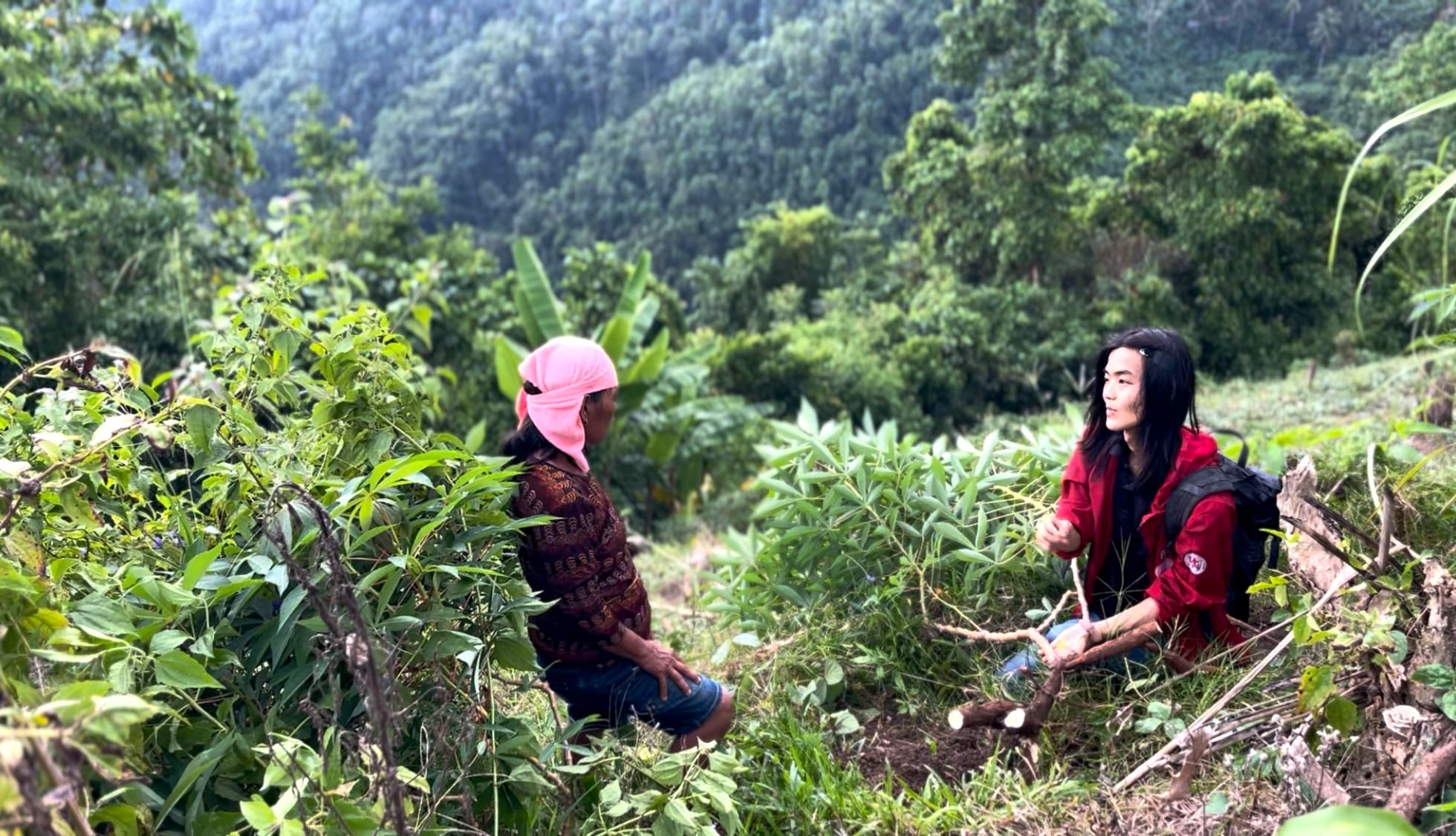
Some got the grant.
But what happened to the rest?
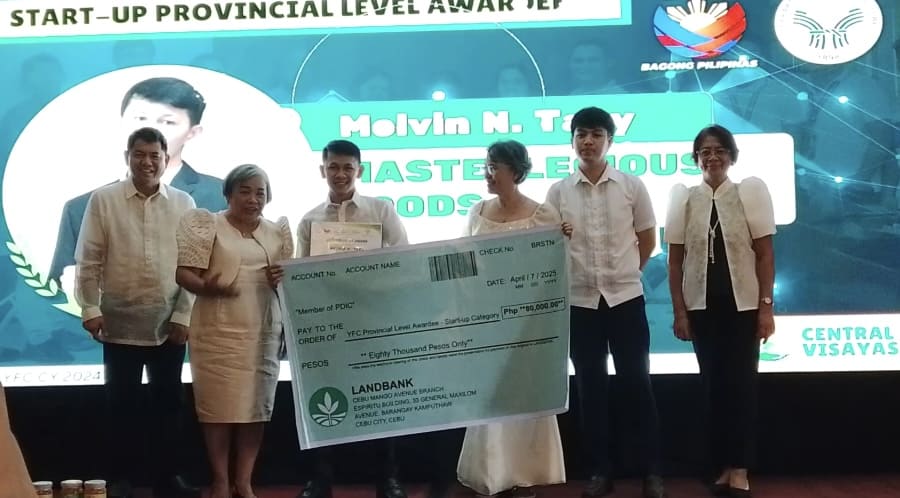
In 2024, there was a government orientation for young entrepreneurs across Cebu.
Melvin was one of the people who received support.
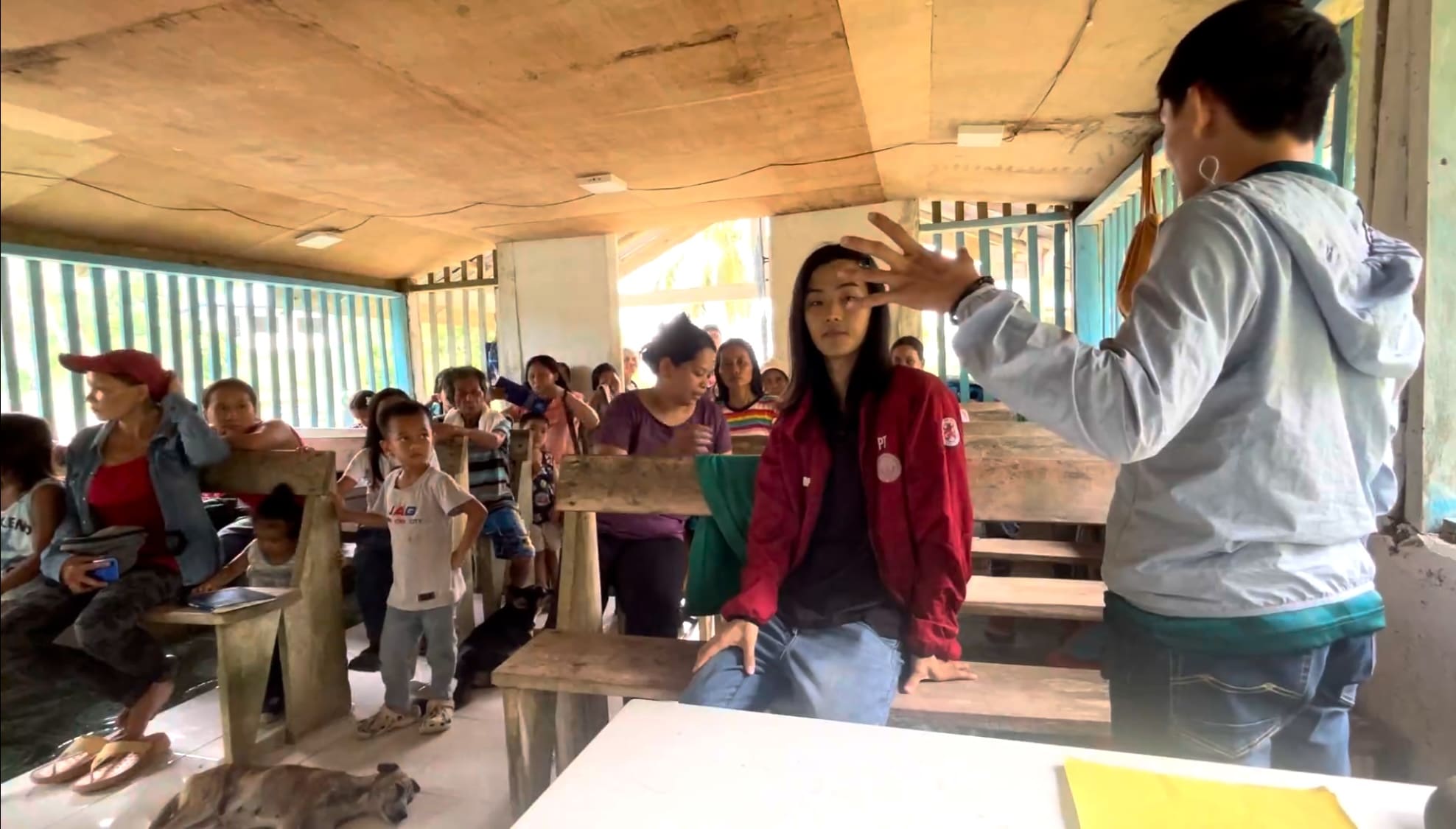
Two years later, I was sitting with him in Corazon, Catmon looking at the business he had built around cassava.
At first, I thought this was going to be a success story.
A young entrepreneur.
A local food business.
A grant that helped him move forward.
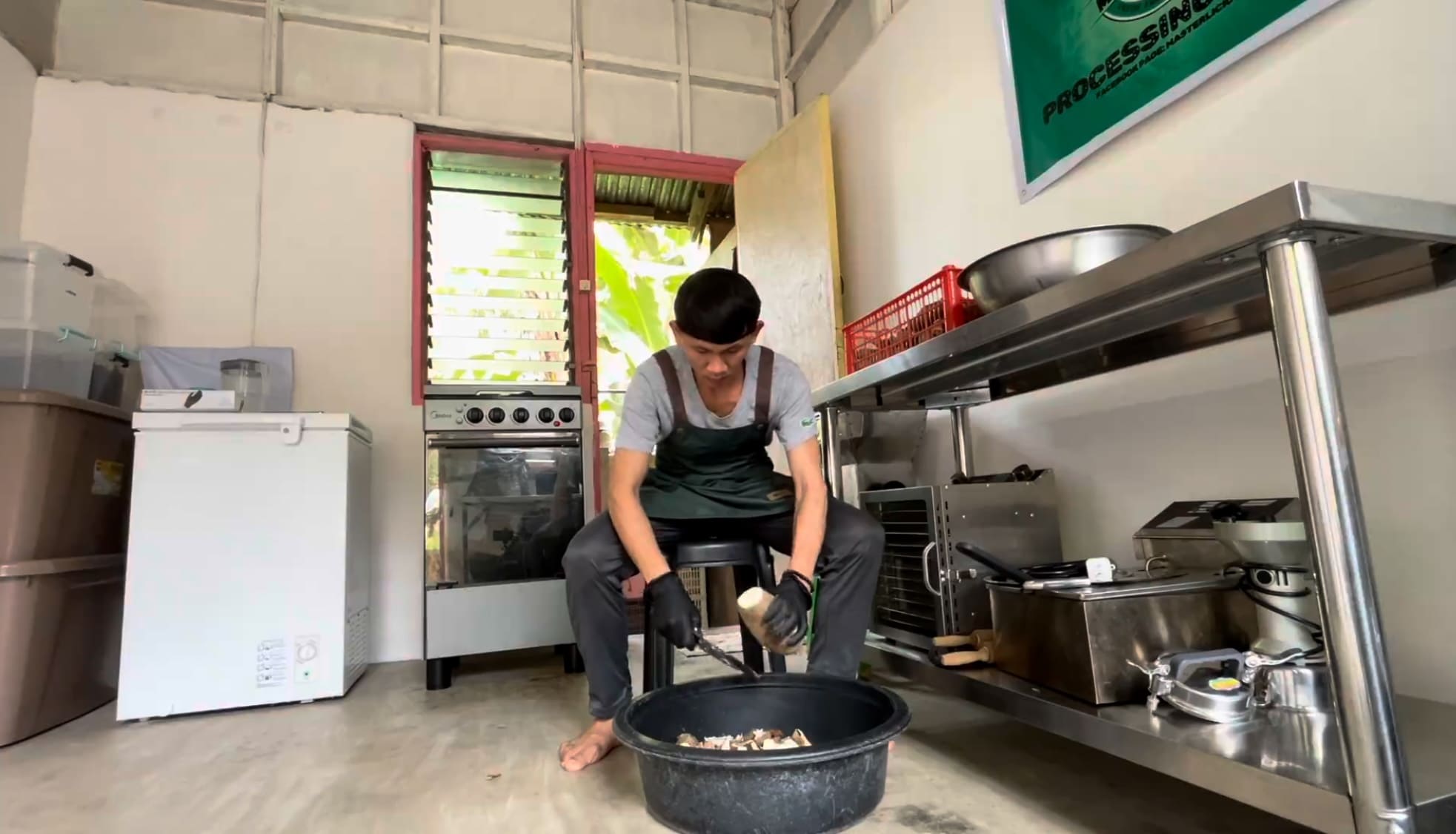
Then I asked about the other people who were there with him.
Some were granted.
Others weren't.

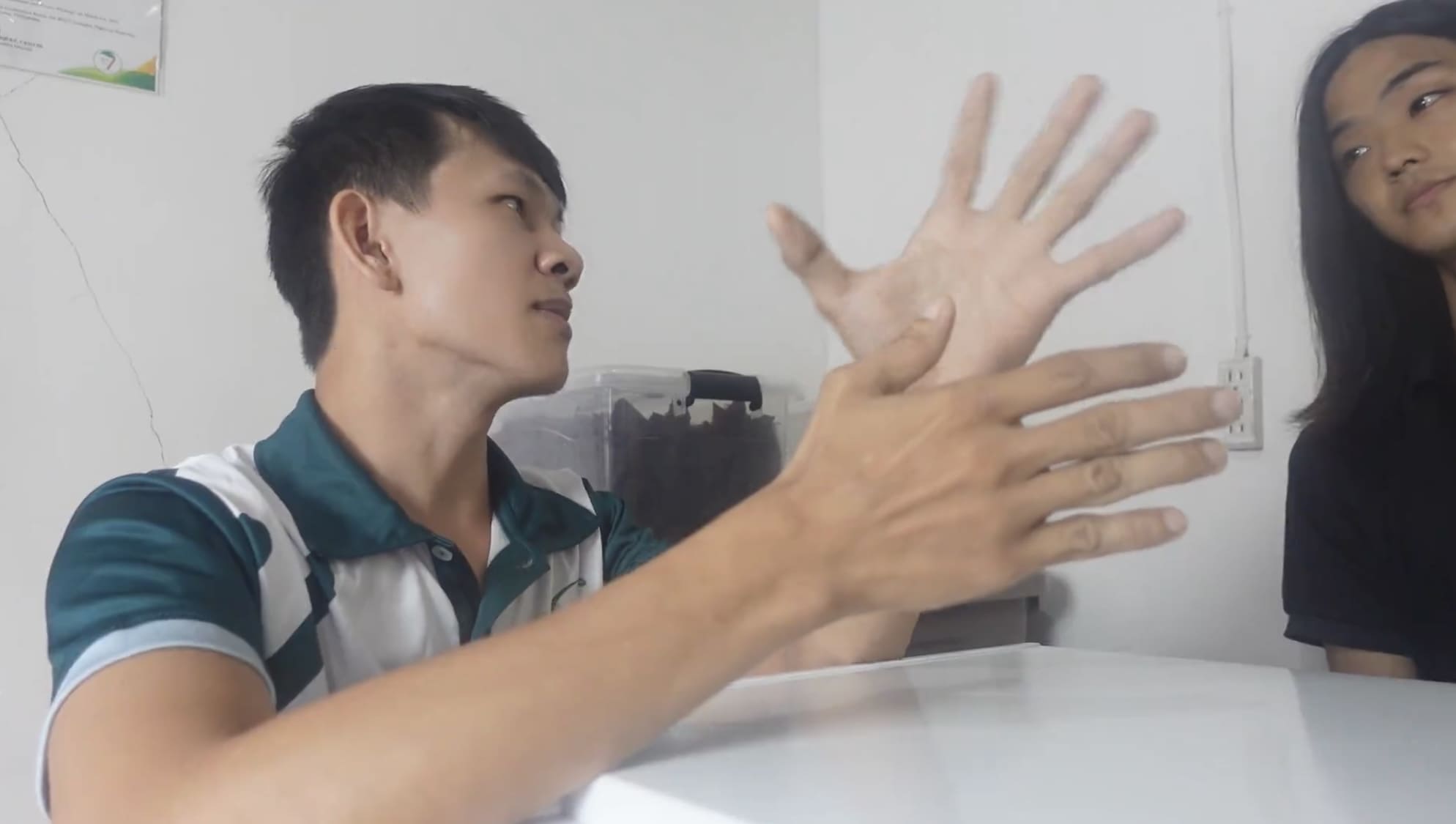
And Melvin told me:
“I don't know if they continue their businesses.”
I didn't expect that answer.
Not because it was dramatic.
Because it was simple.
He knew what happened to his own business.
He didn't know what happened to everyone else's.
And honestly, neither did I.
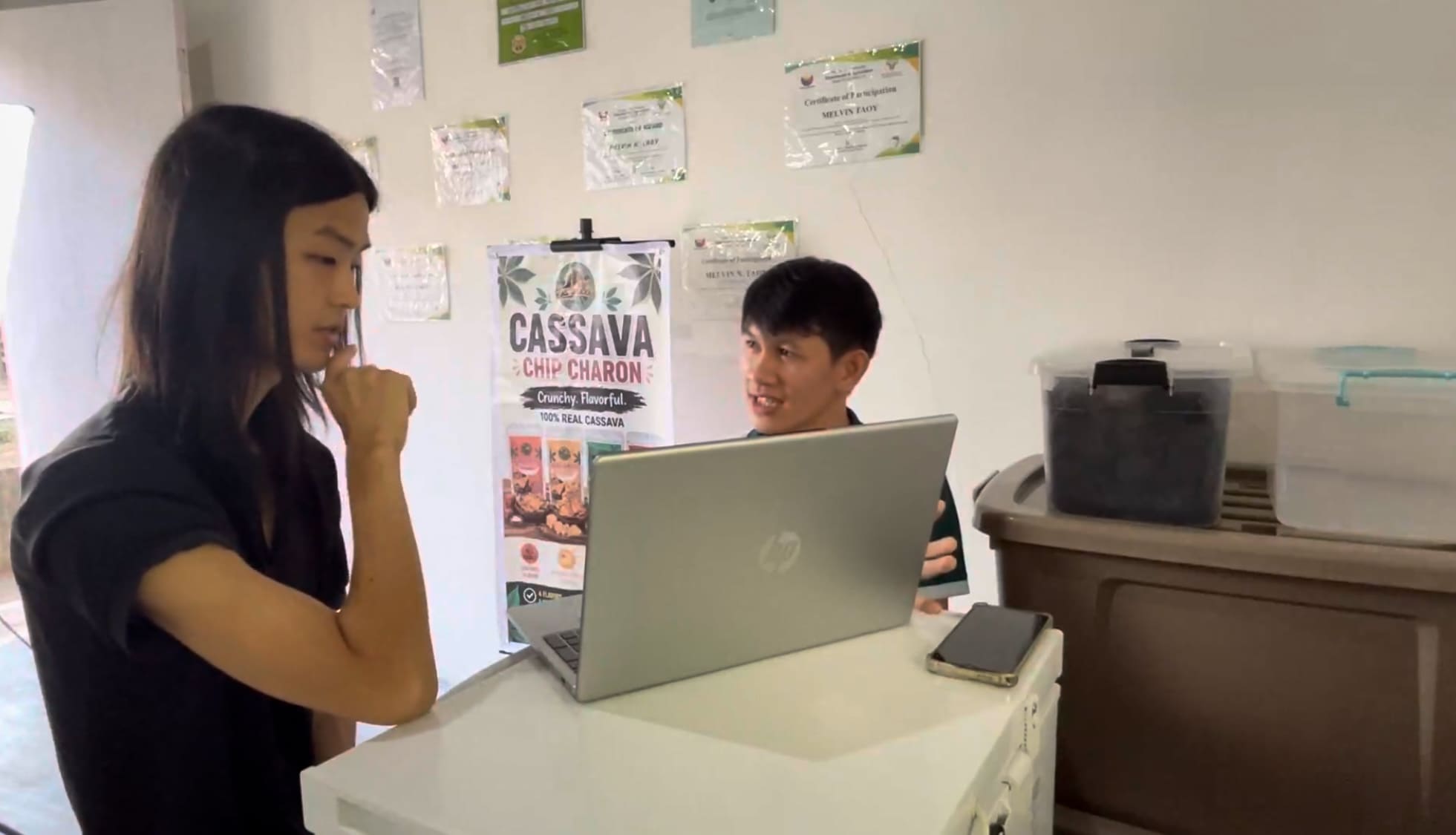
That's the part that stayed with me.
Getting support is one story.
What happens after that is another.
The grant can help someone buy equipment, build a product, or take the next step.
But what happens to the people who didn't receive it?
I don't know.
Maybe they found another way.
Maybe they stopped.
Maybe they're still quietly trying to make it work.
Almost three years in Cebu, and I'm still learning that food stories aren't only about what's on the plate.
They're also about farmers, young entrepreneurs, markets, opportunities, and the people trying to build something with what they have.
After spending the day in Catmon, I made my way back to IT Park.
And I kept thinking about the same question:
If some people got the chance to move forward...
what happened to everyone else?
Still Learning.
Still Exploring.
One local story at a time.
"Some of these young entrepreneurs are also granted so they can pursue continue their business. The other were not granted, so... I don't know if they continue their businesses." — Melvin
I went to Corazon expecting a straightforward success story — a young entrepreneur, a government grant, a business built from nothing. And on paper, that's exactly what I found. Melvin got his support back in 2024, and two years later he's running a cassava business that actually works.
But the moment I asked about the other people who sat in that same orientation with him, something shifted. Melvin didn't dodge the question or dress it up. He just said he didn't know. Not "they probably struggled" or "some made it, some didn't." Just — he didn't know. And sitting there, I realized I didn't know either.
The real discovery wasn't Melvin's grant or his business — it was realizing how much of a success story depends on never asking what happened to everyone who didn't make it into one.
| Date | August 13, 2026 |
|---|---|
| Location | Corazon, Catmon, Cebu |
| Event Type | Follow-Up Interview · Grant Outcomes Check-In |
| Access Method | Invited back by a local contact, Melvin |
| Food Featured | Cassava Products (Discussed, Not the Focus) |
| Cost to Attend | Free (by arrangement) |
| Rarity | 🟨🟨⬜⬜⬜ — A quiet, reflective conversation, not a rare cultural spectacle |
| Bayanihan Index | 🟨🟨🟨⬜⬜ — One entrepreneur's story, pointing toward a wider, unanswered community question |
Whether the others from that same 2024 orientation found another way, quietly stopped, or are still trying, is still something I don't know.