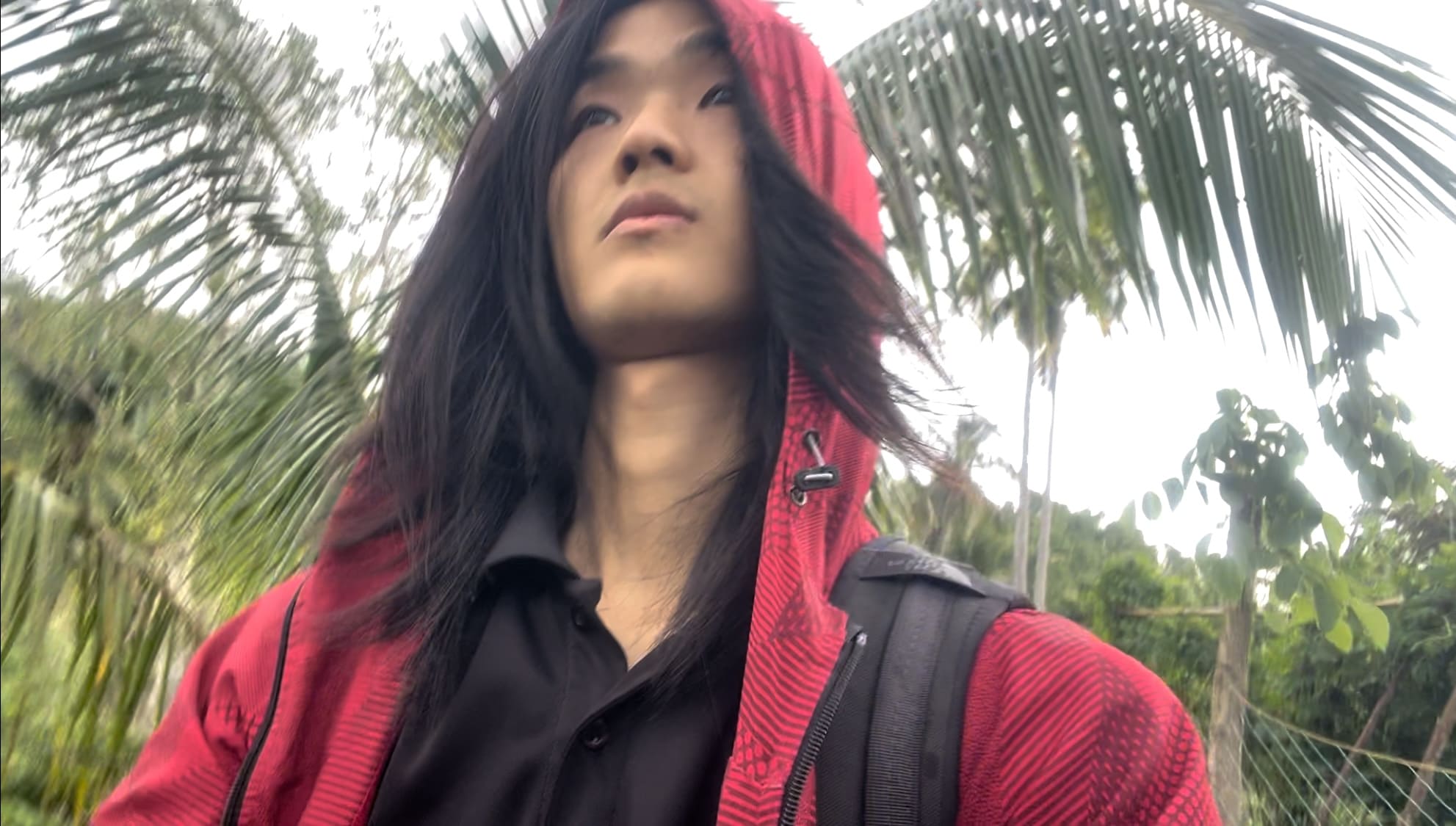
I found a snack in the mountains of Cebu that completely confused me.
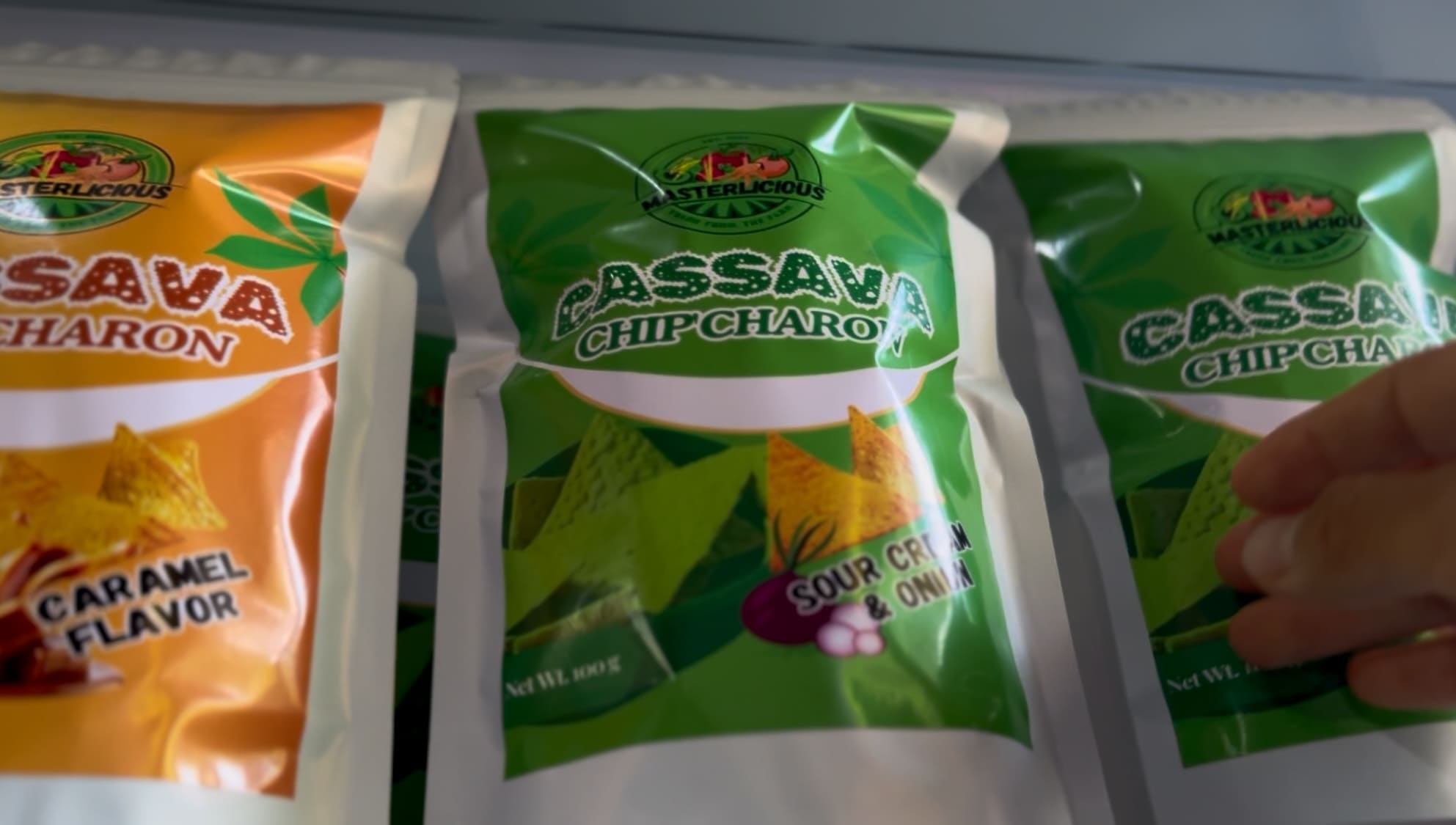
No preservatives.
No big machines.
Yet somehow…
it lasts for an entire year.
I honestly thought there had to be some hidden ingredient.
So I went into the mountains to find out.
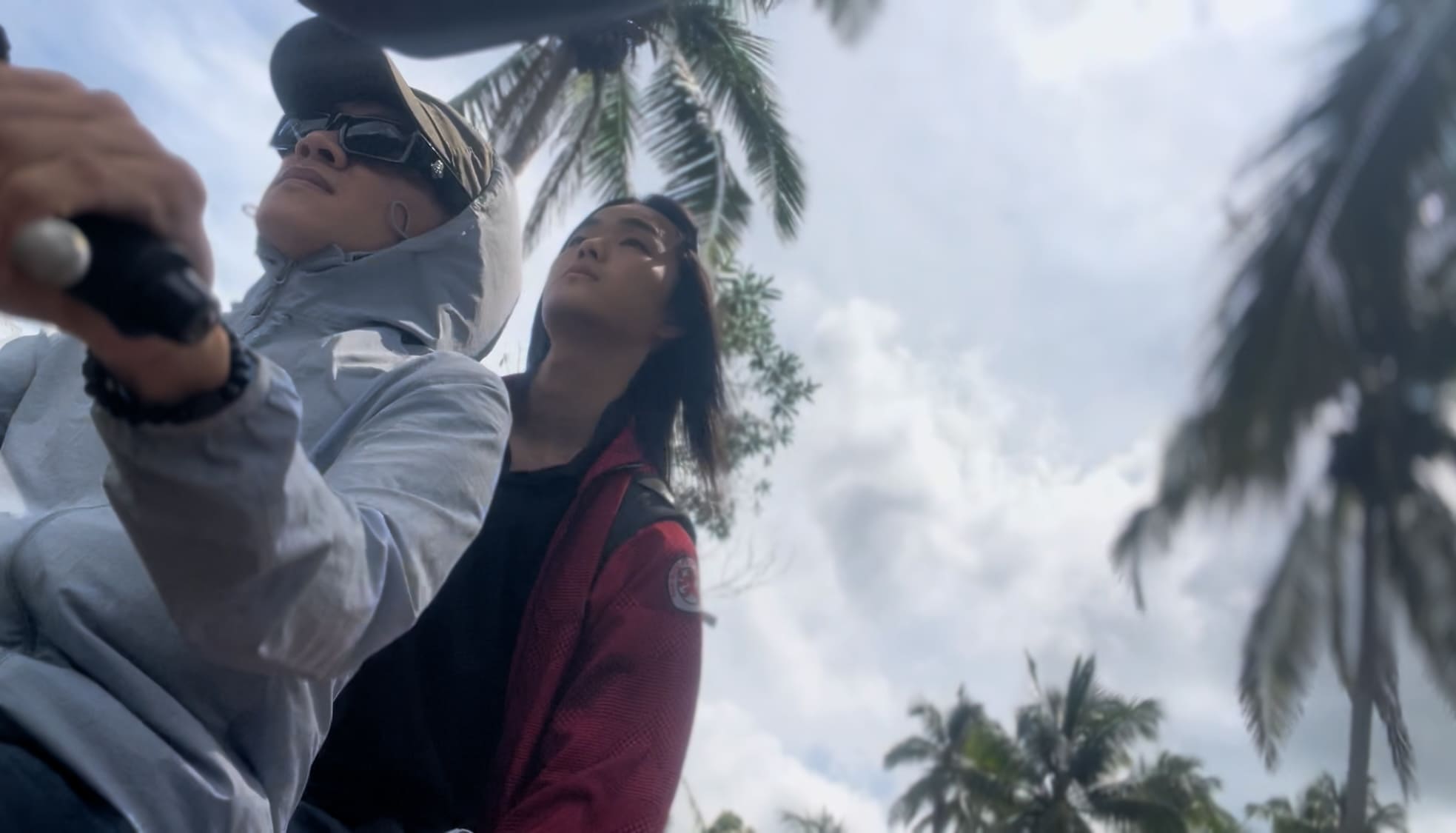
The processing area was small.
Just two people working inside.
No production line.
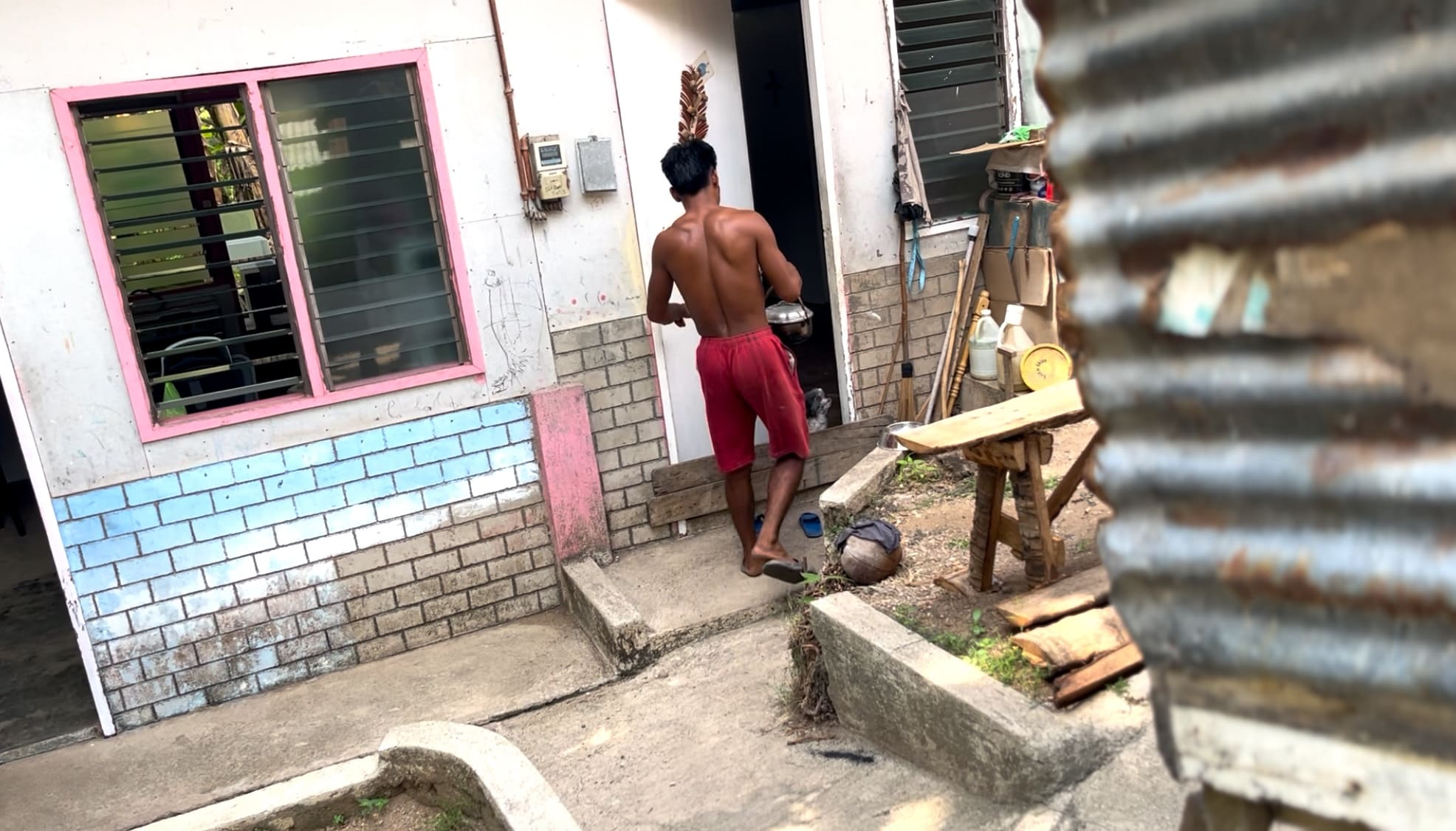
Only cassava, grated by hand, steamed, then slowly dried for hours.
That explained how it lasts.
But somehow...
it wasn't the answer I was really looking for.
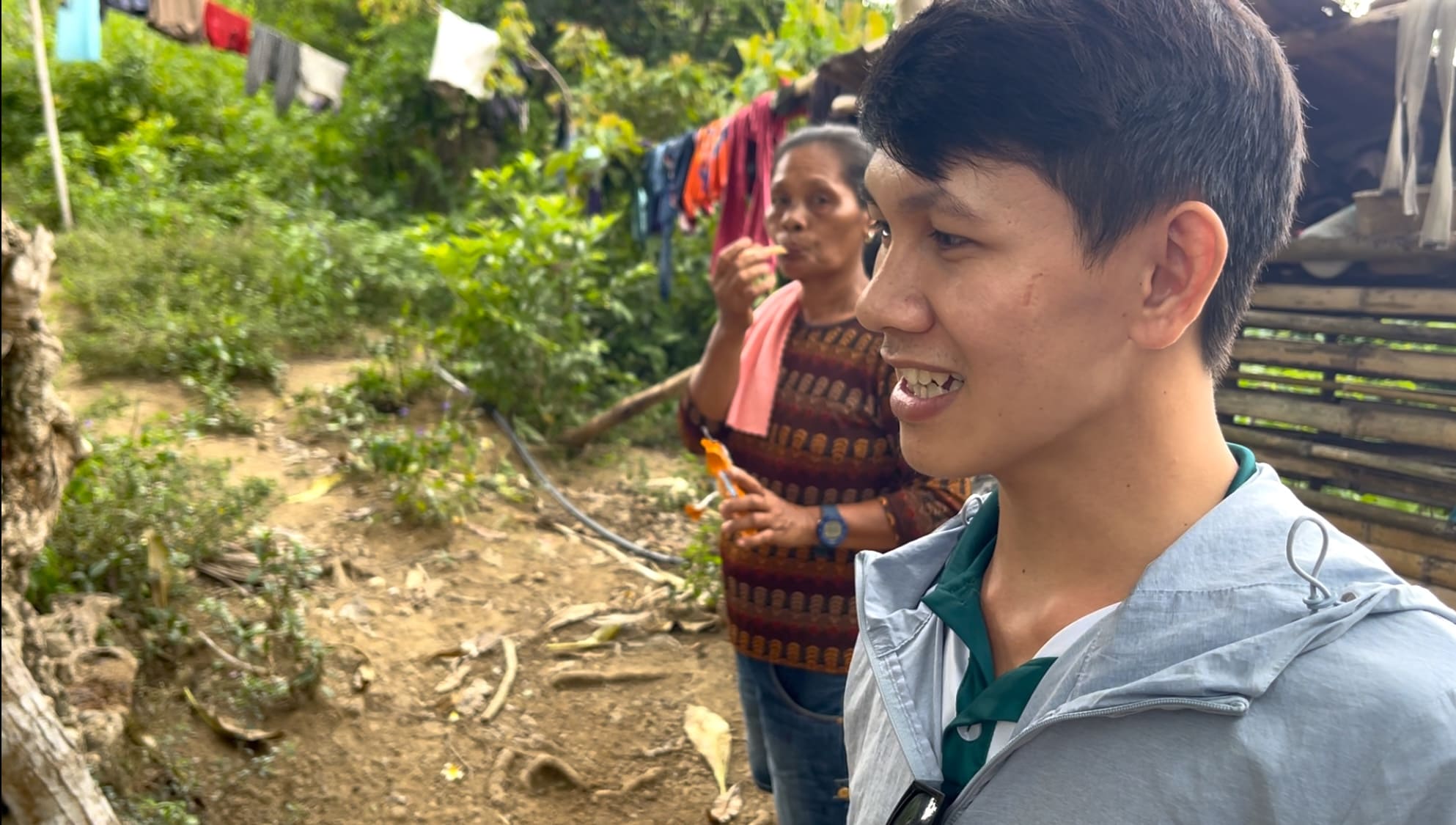
Then Melvin showed me where everything begins.
Not in the processing room.
In the soil.
I met Nanay Nina, who has been growing cassava for about 20 years.
I asked her,
"What is the happiest time?"
She answered simply.
"When the cassavas grow."
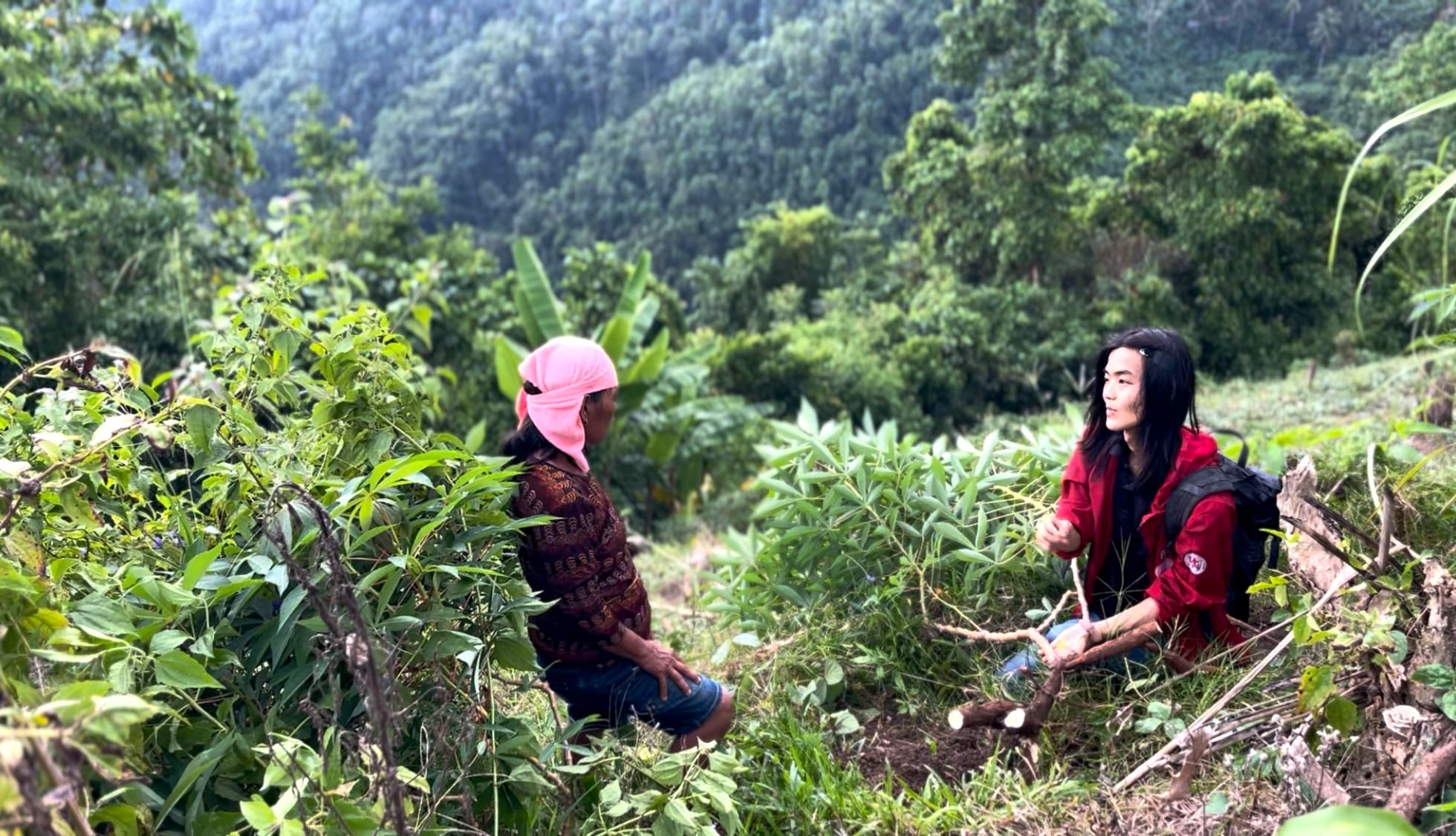
Such a simple answer.
But somehow, it stayed with me.
Later, Melvin told me something else that changed the way I looked at the snack.
Melvin told me farmers were getting around ₱15 per kilo.
He chooses to pay ₱25.
Not because he has to.
Because he remembers what it feels like to have limited choices himself.
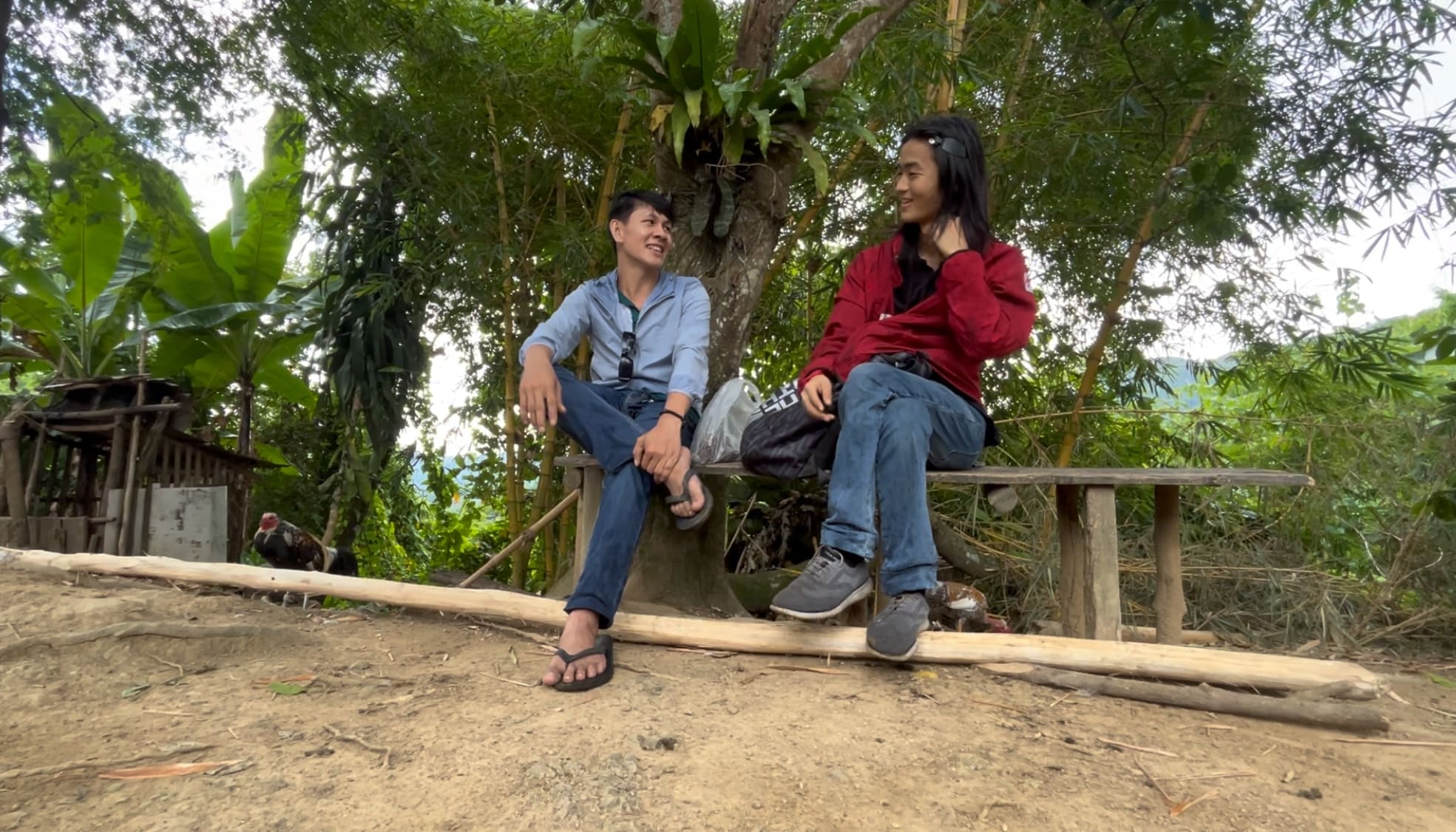
At that moment, I realized I hadn't come all this way to learn how a snack lasts for one year.
I came to understand what keeps the story behind it alive.
Before I left, I asked Melvin one last question.
"What score would you give yourself out of ten?"
"Around Seven," he laughed.
The snack can last a year.
But the people behind it are still growing.
I came here looking for the secret behind a snack.
I left thinking about the people who keep that story alive.
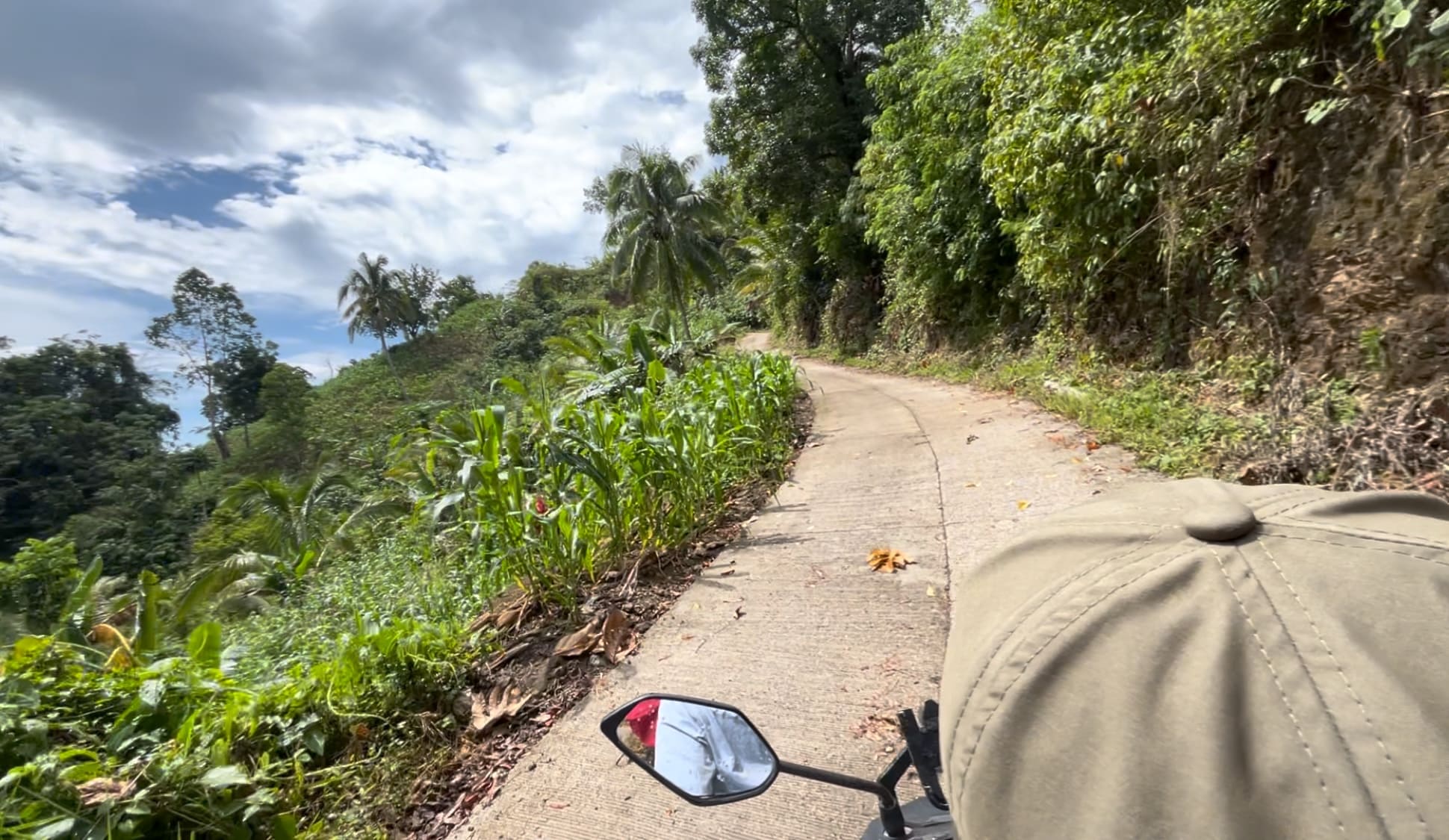
Almost three years into living in Cebu, that's what keeps surprising me the most.
Every answer seems to lead to another story.
Still Learning.
Still Exploring.
One story at a time.
I went in chasing a shelf-life question. Grated cassava, steamed, dried for hours — that part I could write down and move on. But it wasn't the answer I actually kept thinking about.
It was Nanay Nina's answer when I asked her the happiest time of her work. She didn't need to think before she answered. When the cassavas grow. That's it. No complicated explanation. No big words. Just a simple answer.
Then there's the ₱15 versus ₱25. Melvin doesn't have to pay farmers more. He could have followed the market price. Instead, he chose to pay more. He just decided that was the kind of business he wanted to run.
Different backgrounds. Different countries. Different lives. And somehow the same instinct — take care of the people upstream of you, even when nobody's checking.
When he laughed and rated himself "around seven," it made me stop for a second. Not a founder story with a clean ending. A guy still building, still unsure, still honest about it.
Maybe I was asking the wrong question. I wanted to know how the snack could last a year. But after meeting Nanay Nina and hearing what Melvin does with the extra ₱10, I started wondering something else — what actually makes a small business like this one last at all.
It turned out the answer wasn't in the drying racks at all — it was in a farmer who still finds joy in watching cassava grow, and a processor who decided to pay her more for it.
| Date | July 19, 2026 |
|---|---|
| Location | Amancion, Catmon, Cebu |
| Event Type | Rural Food Entrepreneurship Investigation |
| Access Method | Brought along by Melvin, local processing facility owner |
| Food Featured | Cassava Snack (Naturally Preserved, 1-Year Shelf Life) |
| Cost to Attend | Free |
| Rarity | 🟨🟨🟨⬜⬜ — Distinct small-scale preservation method |
| Bayanihan Index | 🟨🟨🟨⬜⬜ — Fair-trade style farmer support |
Whether paying farmers more is just Melvin's own way of doing business, or something quietly repeating in mountain villages across Cebu, is still something I don't know.