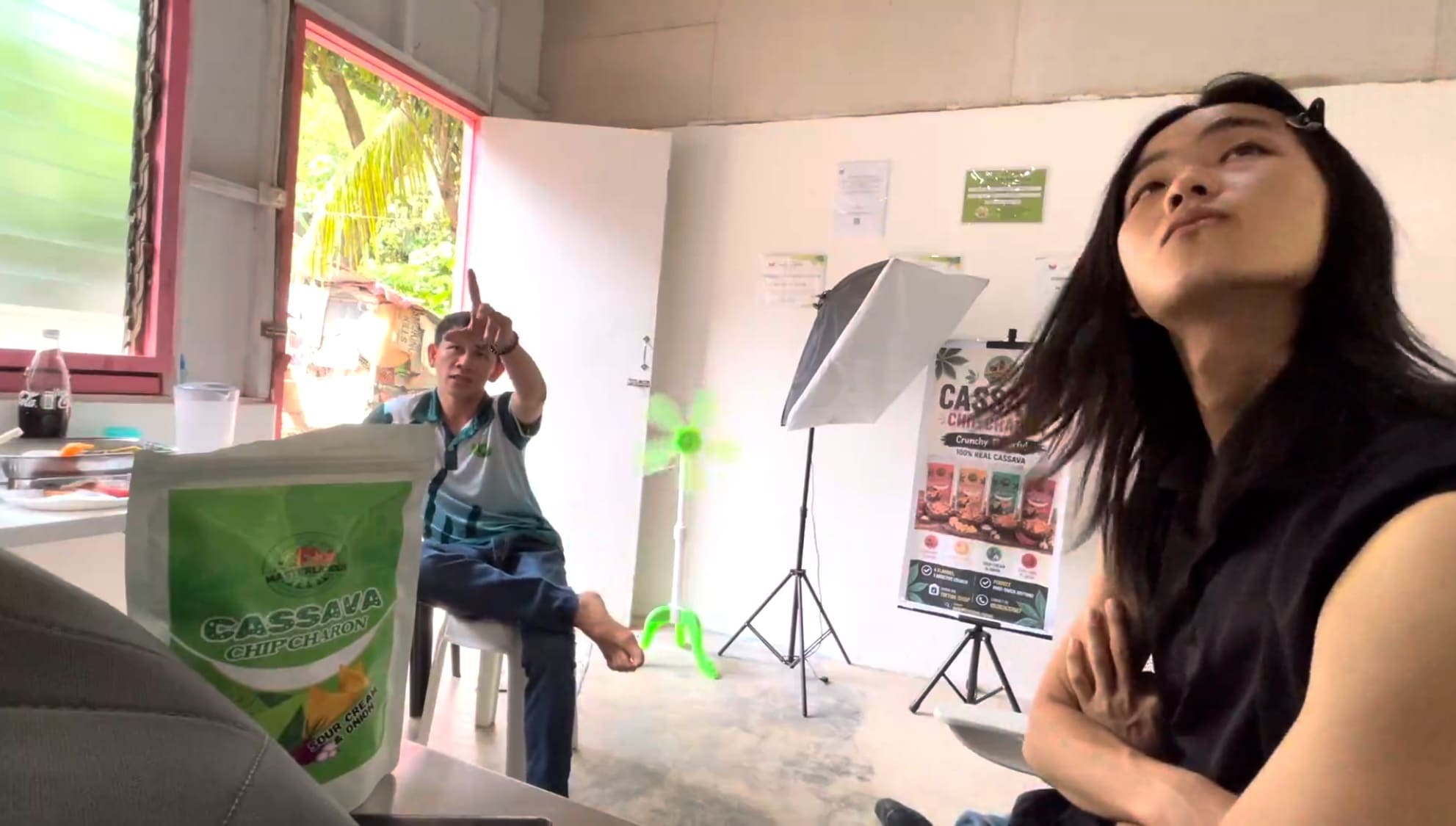
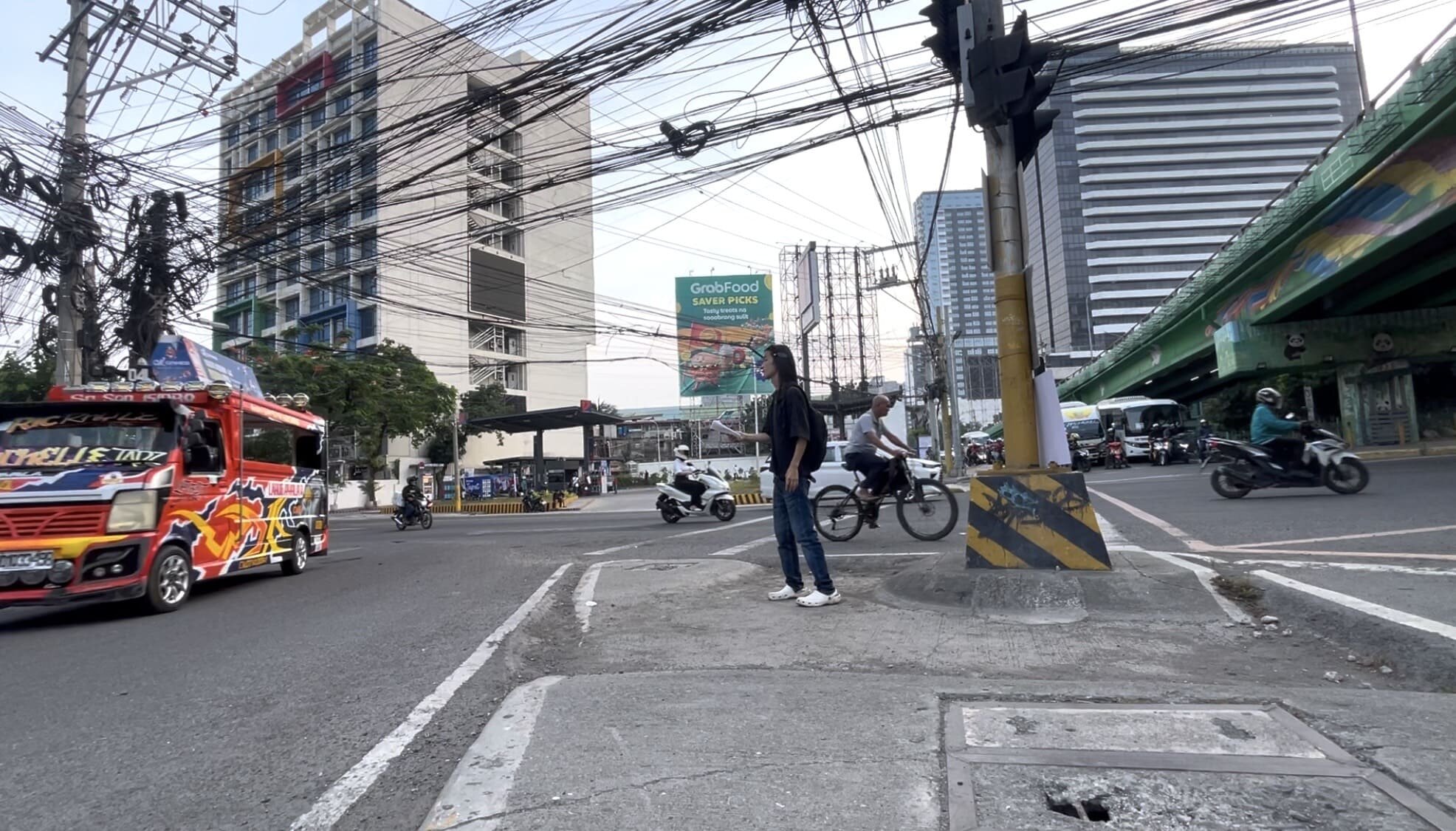
Today, I interviewed 7 traditional jeepney drivers around IT Park in Cebu to better understand how fares are actually determined.
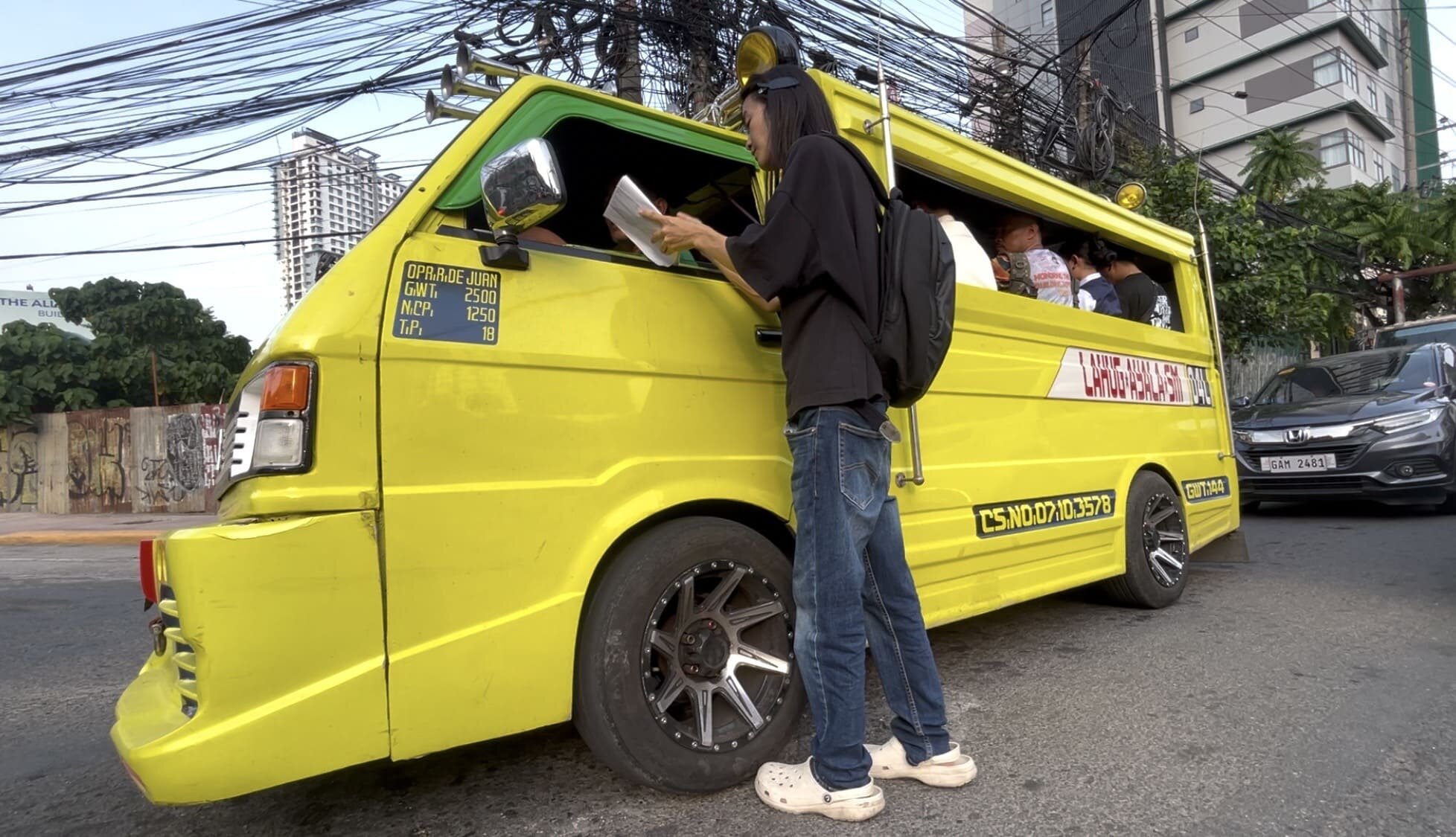
I asked three questions:
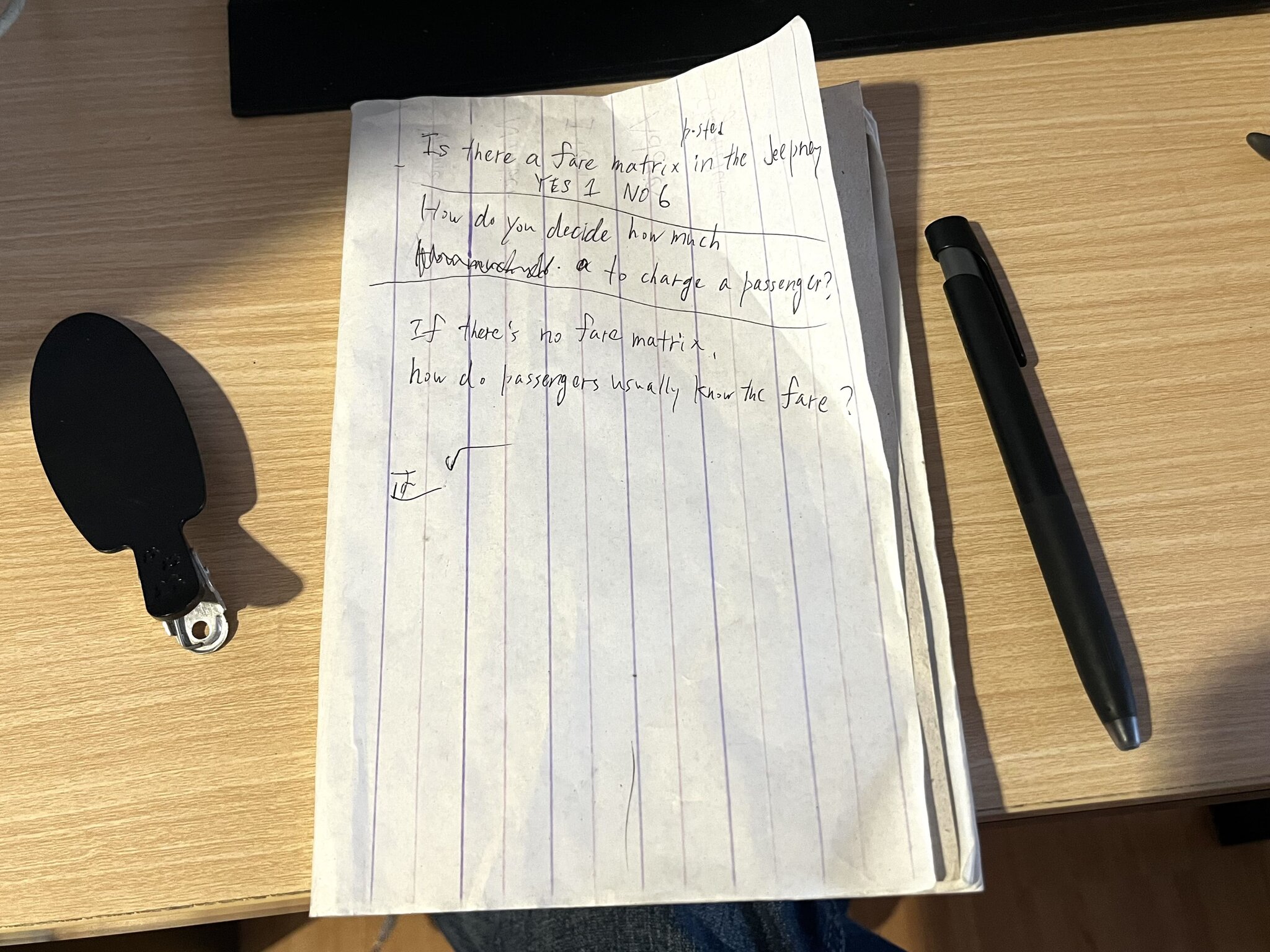
1. Is there a fare matrix posted in the jeepney?
2. How do you decide how much to charge a passenger?
3. If there’s no fare matrix, how do passengers usually know the fare?

Only 1 out of 7 jeepneys had a fare matrix. 4 drivers said “No,” and 2 said “I don’t know”... I didn't expect it.
When asked how they determine the fare, most drivers simply answered “₱13,” referring to the minimum fare. Only 1 driver said, “It depends on the km.”
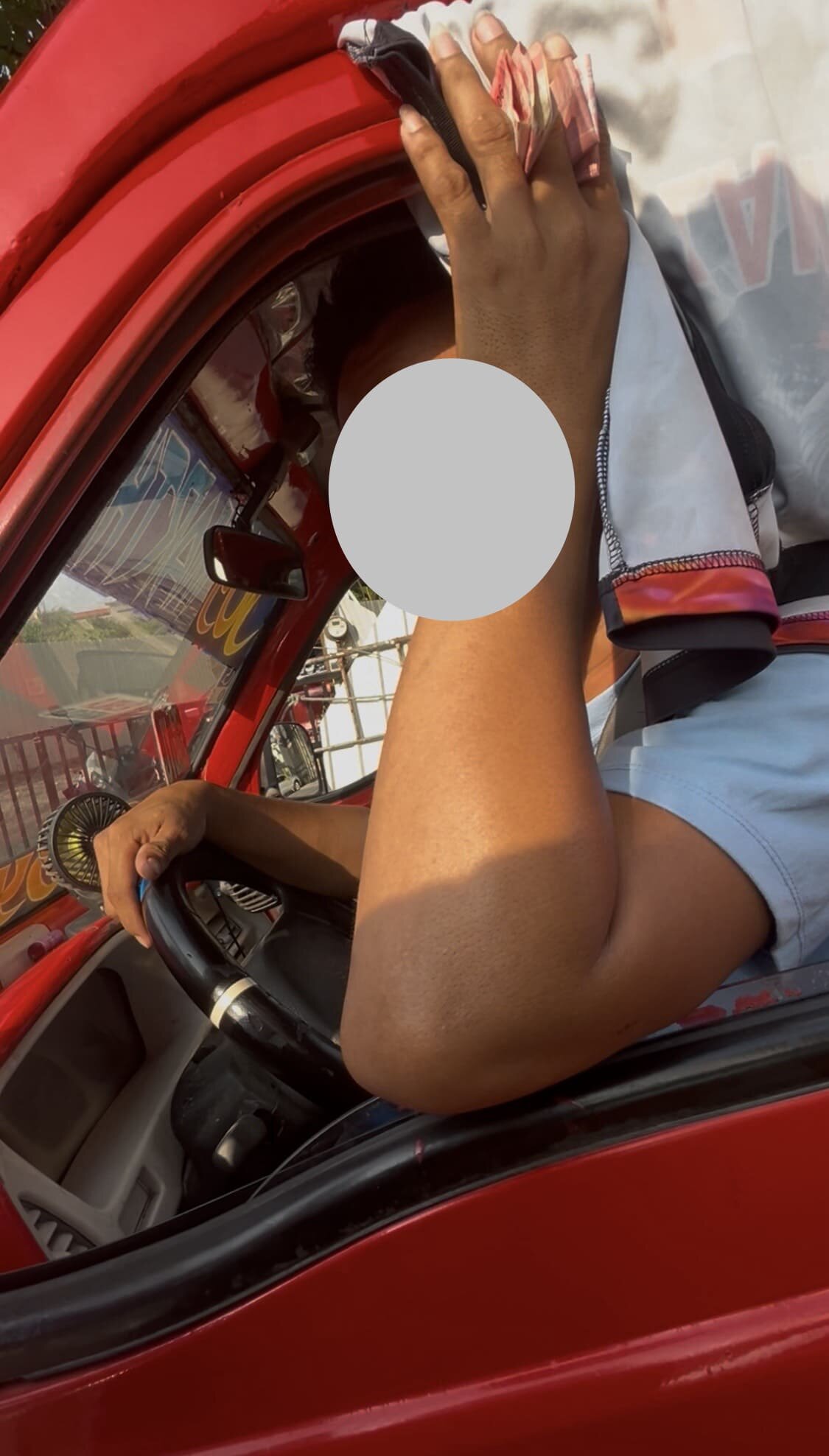
One driver explained that there is a minimum fare, with additional charges based on distance. The others didn’t even answer or said “I don’t know.”
I originally planned to build the service assuming that most traditional jeepneys have a fare matrix that passengers can refer to.
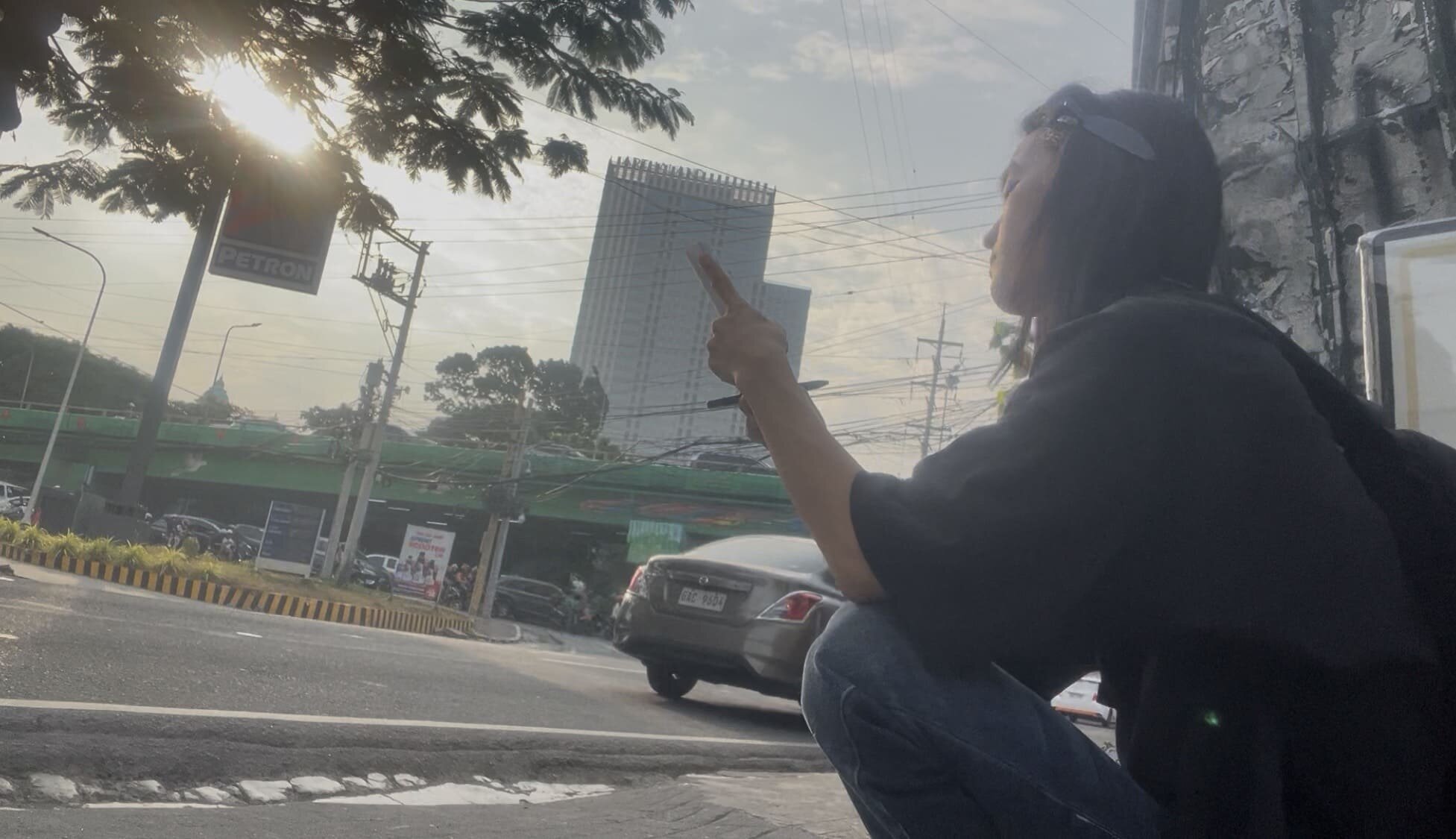
But today’s interviews made me realize that this assumption may not reflect the reality on the ground.
I’ll need to rethink the approach and better understand how passengers and drivers actually determine fares when there’s no fare matrix.
Still Learning,
Still Exploring.
I came into this thinking the hard part would be the math — pull a from-and-to distance, match it against the fare matrix taped up somewhere inside the jeepney, apply the senior or student discount, and show the passenger a number they could trust. That was the whole plan. I just needed to know how a fare matrix actually gets read on the ground.
Six of the seven jeepneys I stopped that day didn't have one. Four drivers told me flatly there wasn't a fare matrix. Two said they didn't even know if there was one. When I asked how they decided what to charge, almost all of them gave me the same answer — ₱13, the minimum fare — without mentioning distance, discounts, or anything beyond that starting number. Only one driver, when I pushed further, told me it depends on the km.
I had built my whole plan around a document that, in practice, mostly isn't there. It made me stop for a second — not because the drivers were doing anything wrong, but because I realized the gap I was trying to design around wasn't between a passenger and a fare matrix. It was between a passenger and any shared, checkable answer at all.
The real discovery wasn't that the fare matrix was missing — it was realizing that even the drivers didn't share one clear, consistent answer for what a fare should be.
| Date | September 7, 2026 |
|---|---|
| Location | Pope John Paul II Ave, Cebu City |
| Event Type | Field Interviews · Jeepney Fare Transparency |
| Access Method | Self-directed roadside interviews with jeepney drivers |
| Food Featured | None |
| Cost to Attend | Curiosity |
| Rarity | 🟨⬜⬜⬜⬜ — An everyday system most riders never examine closely |
| Bayanihan Index | 🟨⬜⬜⬜⬜ — Individual driver interviews, not a group or community event |
Whether this is a Pope John Paul II Ave quirk, a citywide pattern, or something that changes once fare regulations are actually enforced, I still don't know.