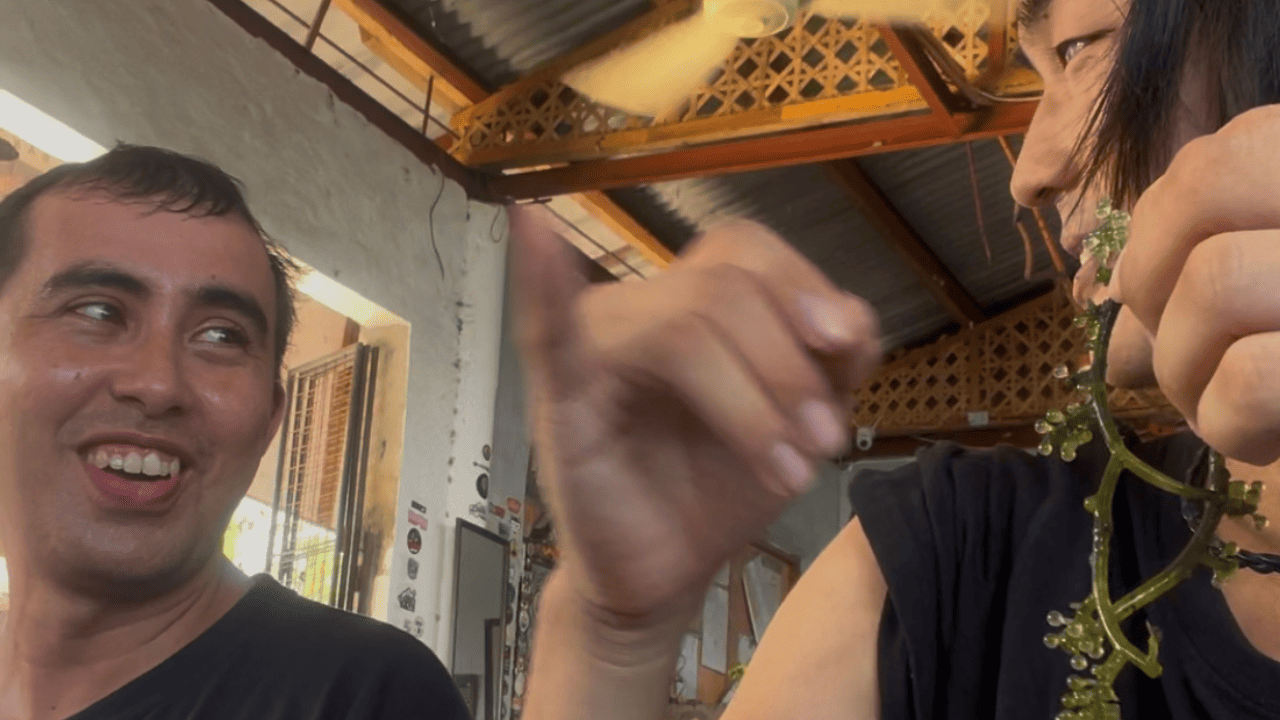
Butong is the Bisaya (Cebuano) word for coconut. Buko is the same thing in Tagalog — not Bisaya, despite being the word most outsiders learn first. Lubi is also a Bisaya word tied to coconut, but locals in this story described it slightly differently: one resident used it interchangeably with Butong (sometimes for the tree or fruit itself), while a vendor interviewed separately said Lubi specifically means the coconut milk. Read on for how a fresh coconut in Can-ibuang, Catmon, took three years to sort out.
I thought I knew what "buko" meant. I was wrong.
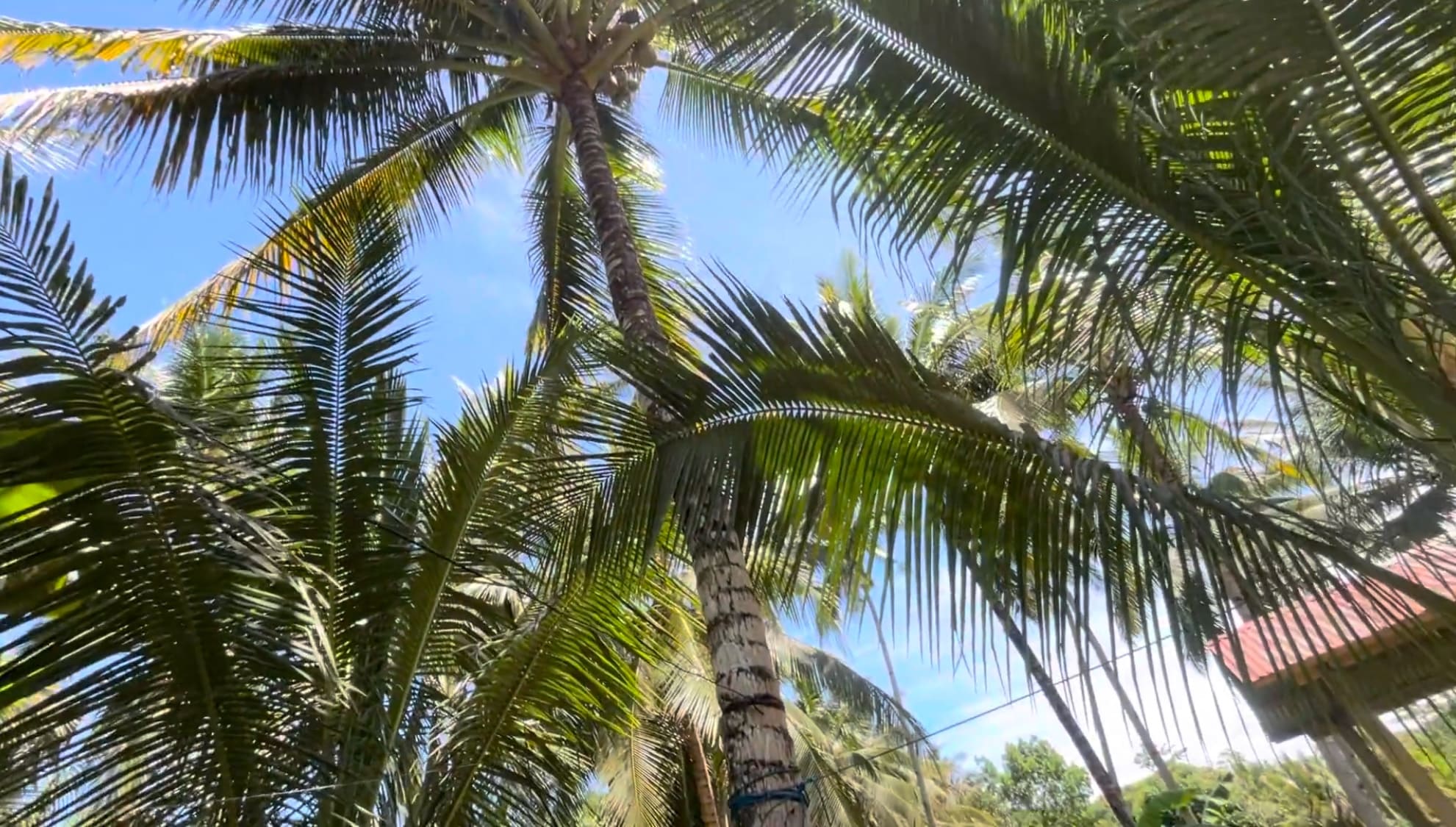
Almost 3 years into living in Cebu, I thought all coconuts here were called one thing: buko. Then, the morning after a fiesta in the mountain barangay of Can-Ibuang, my host family handed me a fresh coconut before I headed back to Cebu City. I pointed at it confidently. "Ah, buko." Kuya looked at me and said: "Butong." I thought he was talking about something completely different. "Butong?" "Coconut." Then came another surprise. "Buko is Tagalog. Butong is Bisaya." Almost 3 years here… and somehow I never knew that.
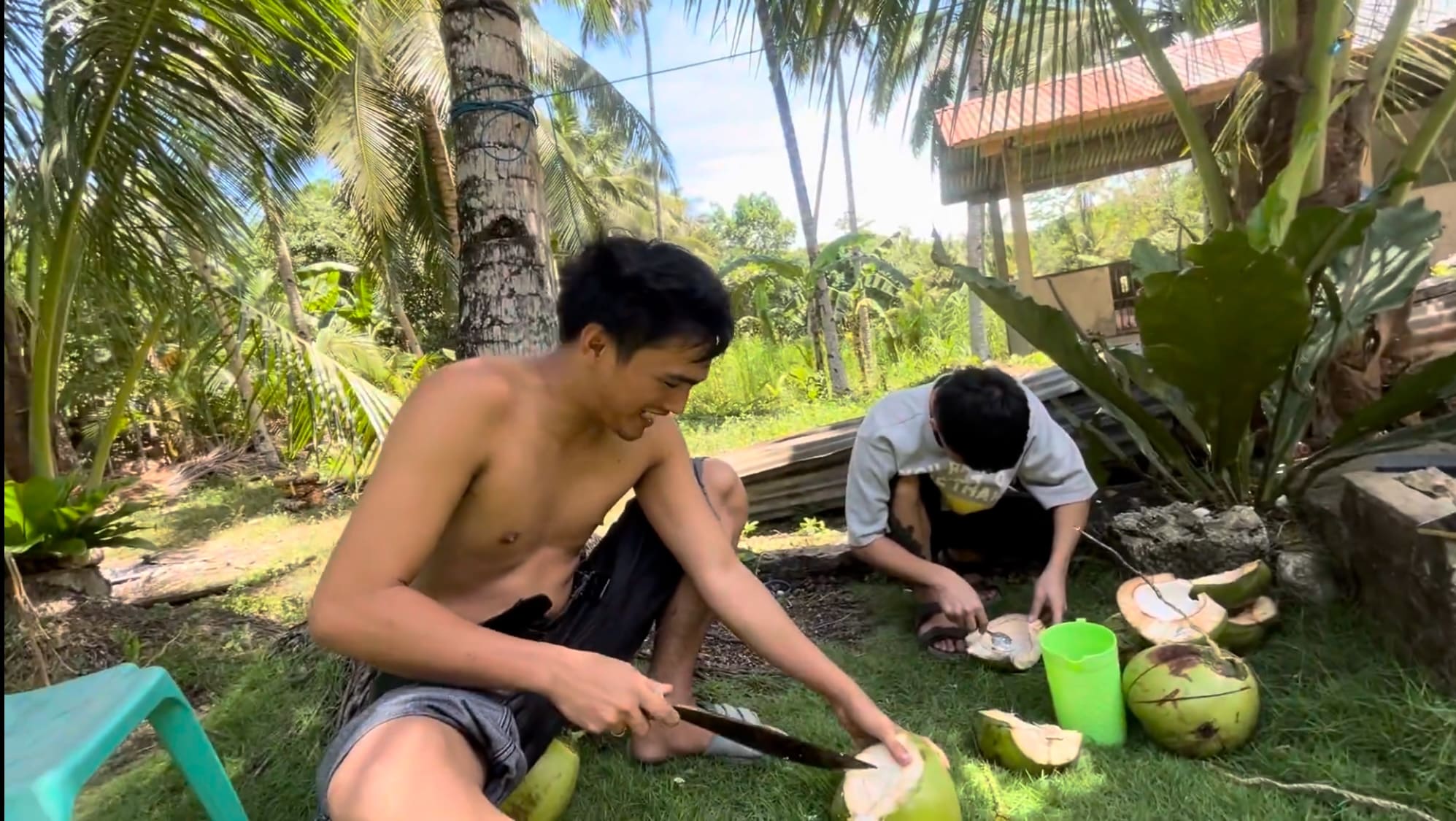
Then things got worse. Kuya pointed at the coconut and said: "Lubi." My brain immediately heard: "Ruby?" I genuinely thought he was talking about some local treasure hidden in the mountains 😂 He laughed. I laughed. Everyone around me laughed. Only later, after I made it back to Cebu City and looked it up, did I realize what he was actually saying. Lubi simply means coconut in Bisaya. Not ruby. Not a hidden treasure. Just coconut.
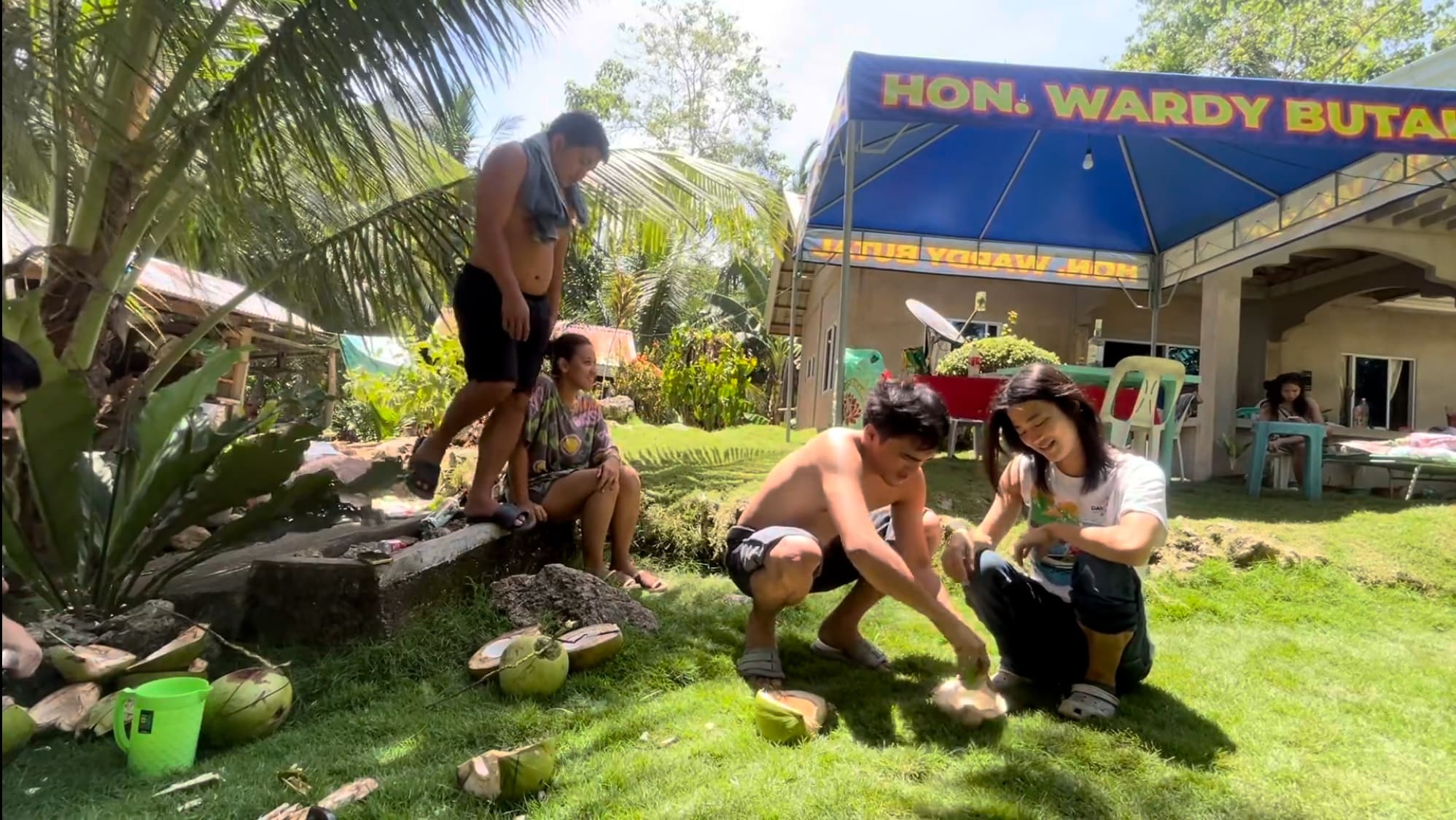
And somehow that small misunderstanding stayed with me.
Because moments like this keep happening.
Every time I think I finally understand Cebu, something small reminds me that I'm still only scratching the surface.
A word.
A food.
A custom.
A conversation.
The deeper I go, the more I realize how much I still don't know.
And honestly, I think that's why I keep exploring.
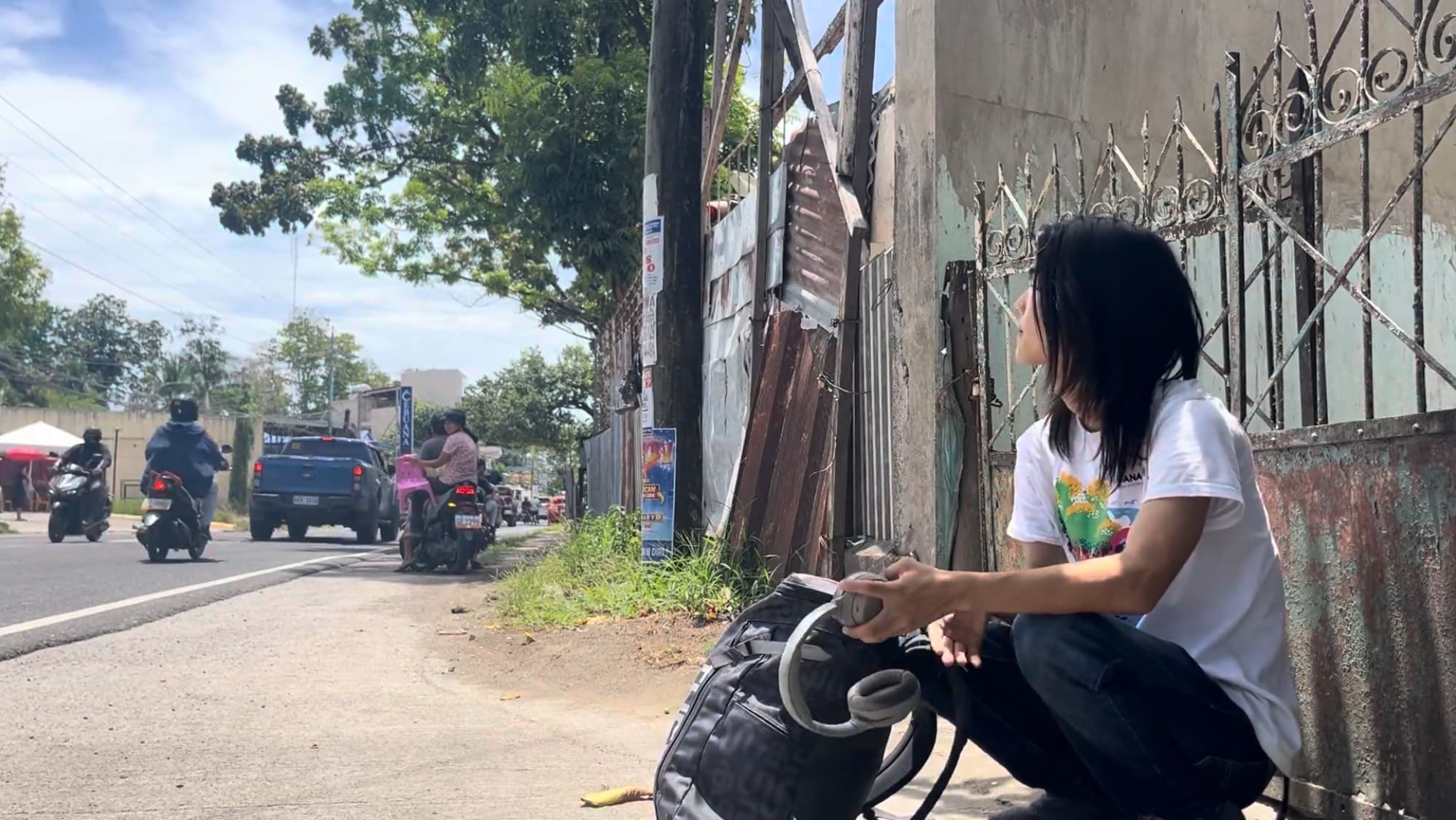 Still learning.
Still getting corrected.
Still confusing coconuts with gemstones.
Daghang salamat to the family in Can-Ibuang for the lesson—and for showing me the correct way to eat coconut too 😂
Still learning.
Still getting corrected.
Still confusing coconuts with gemstones.
Daghang salamat to the family in Can-Ibuang for the lesson—and for showing me the correct way to eat coconut too 😂
Still Learning.
Still Exploring.
Before this morning in Can-ibuang, I was sure I had coconuts figured out. Nearly three years in Cebu, and I had been casually calling every coconut "buko" — confident, unbothered, completely wrong. The word had worked in markets, at festivals, in conversations. Nobody corrected me. And that, I think, is part of the lesson: comfort can make you stop noticing the gaps. It took a quiet mountain morning, a generous family, and a single word — "butong" — to crack open something I thought I already understood.
What surprised me more than the vocabulary itself was how deep the language goes when you actually step inside a community. Tagalog and Bisaya don't just sound different — they carry different worlds. And I've been living at the surface, borrowing words from the national language while the local tongue ran underneath, quietly describing everything with more precision, more intimacy, more history. I thought "lubi" was a gemstone. It's a coconut. And somehow that gap — between what I heard and what was actually being said — captured everything I still don't know about this island. I'm still learning. Still getting it wrong. And honestly, I think that's the only way to actually get it right — eventually.
Still… I'm not sure I'll ever fully catch up. And maybe that's okay.
Buko was never wrong exactly — it just wasn't Bisaya, and the quiet correction from butong to lubi (which I first heard as "ruby") showed me how much of this island's language I'd been skating past without noticing.
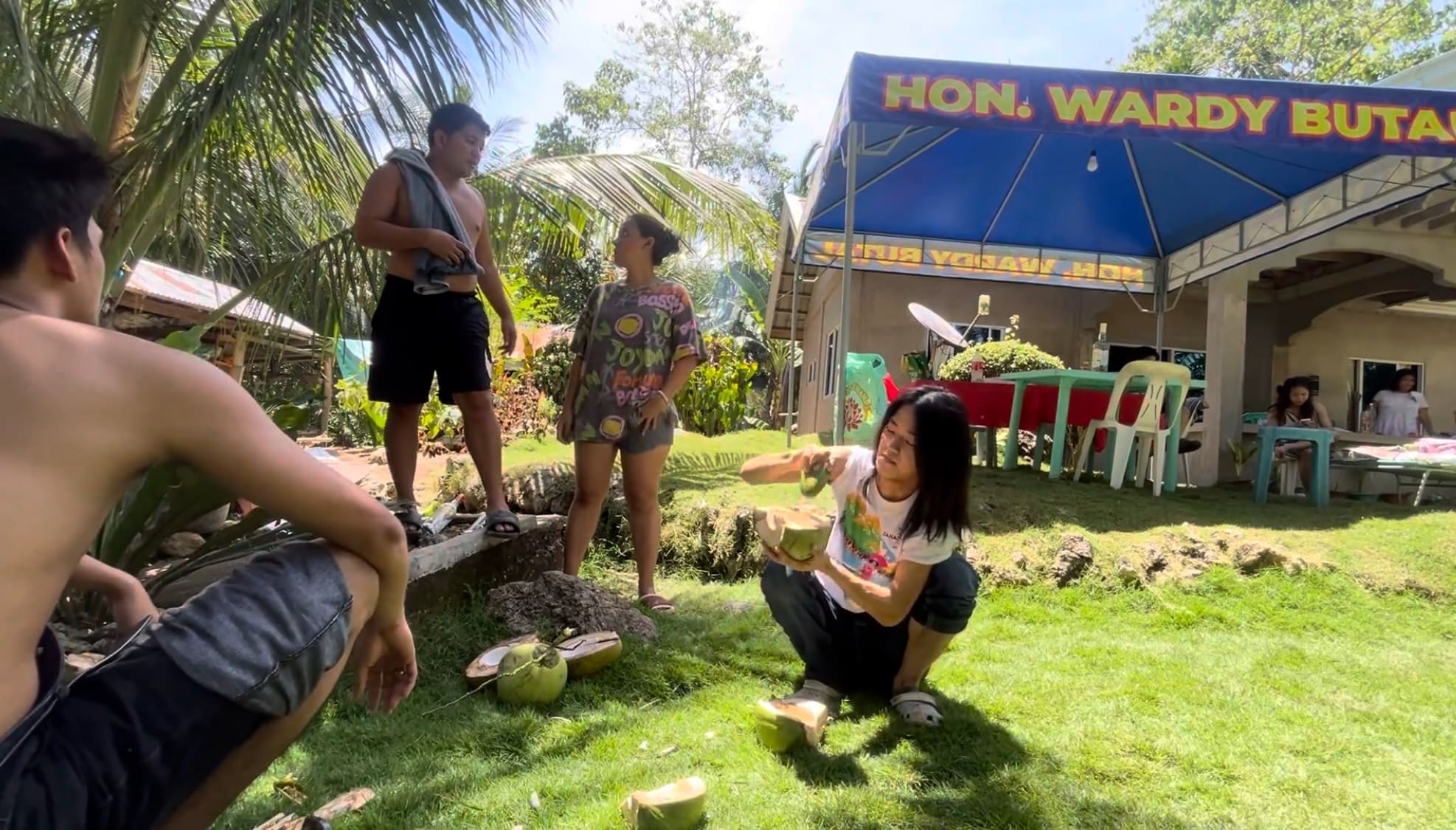
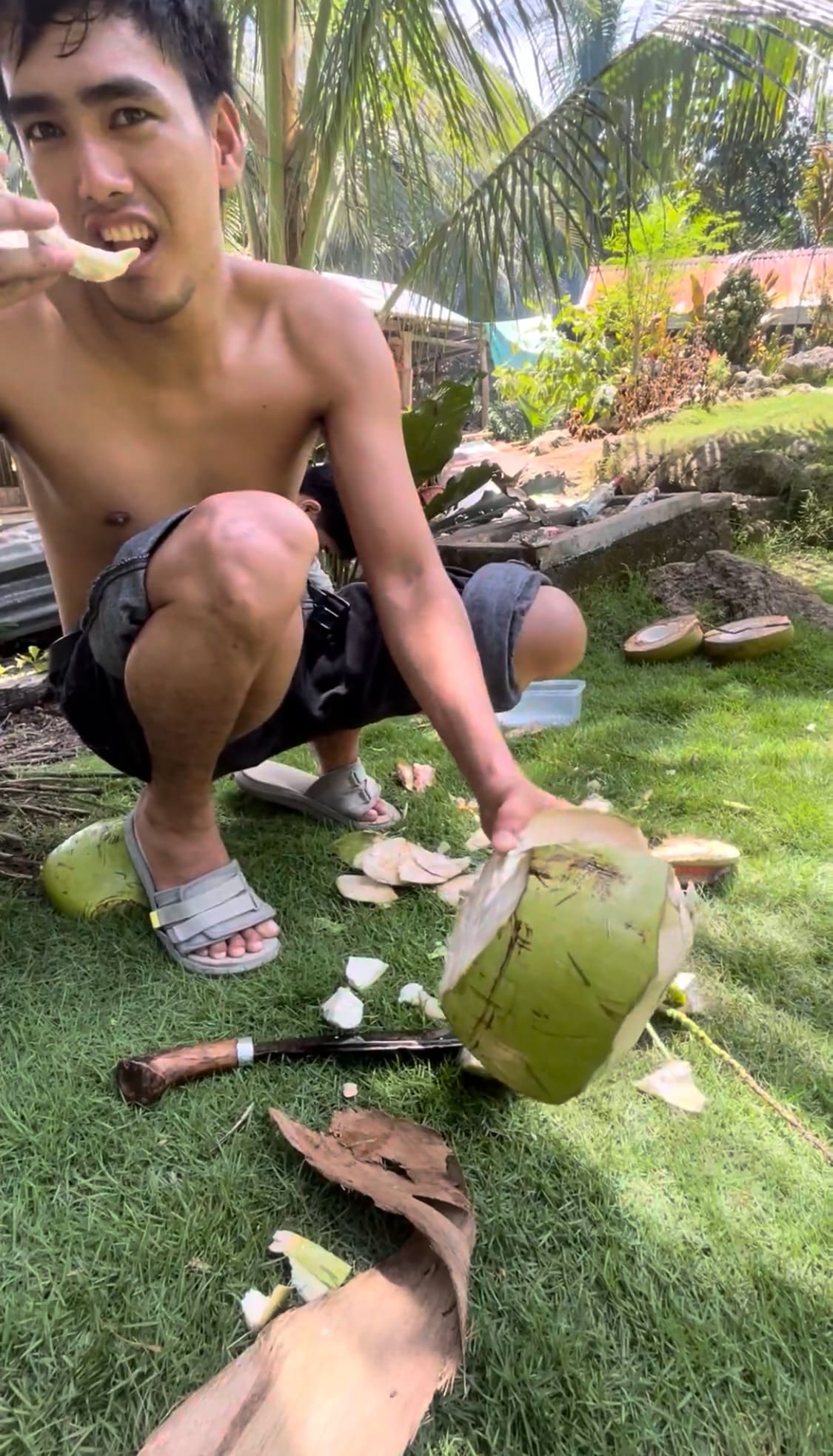
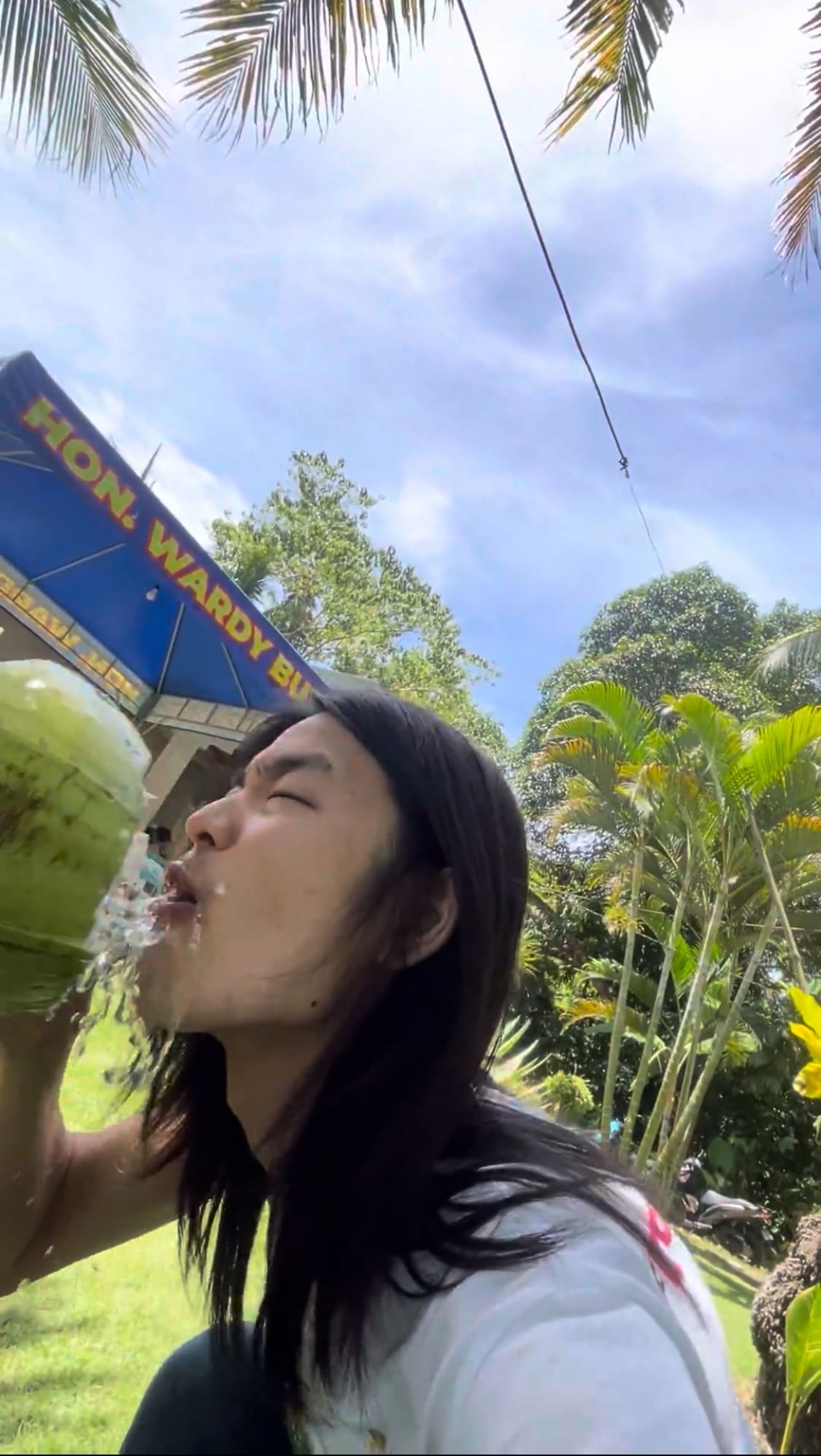
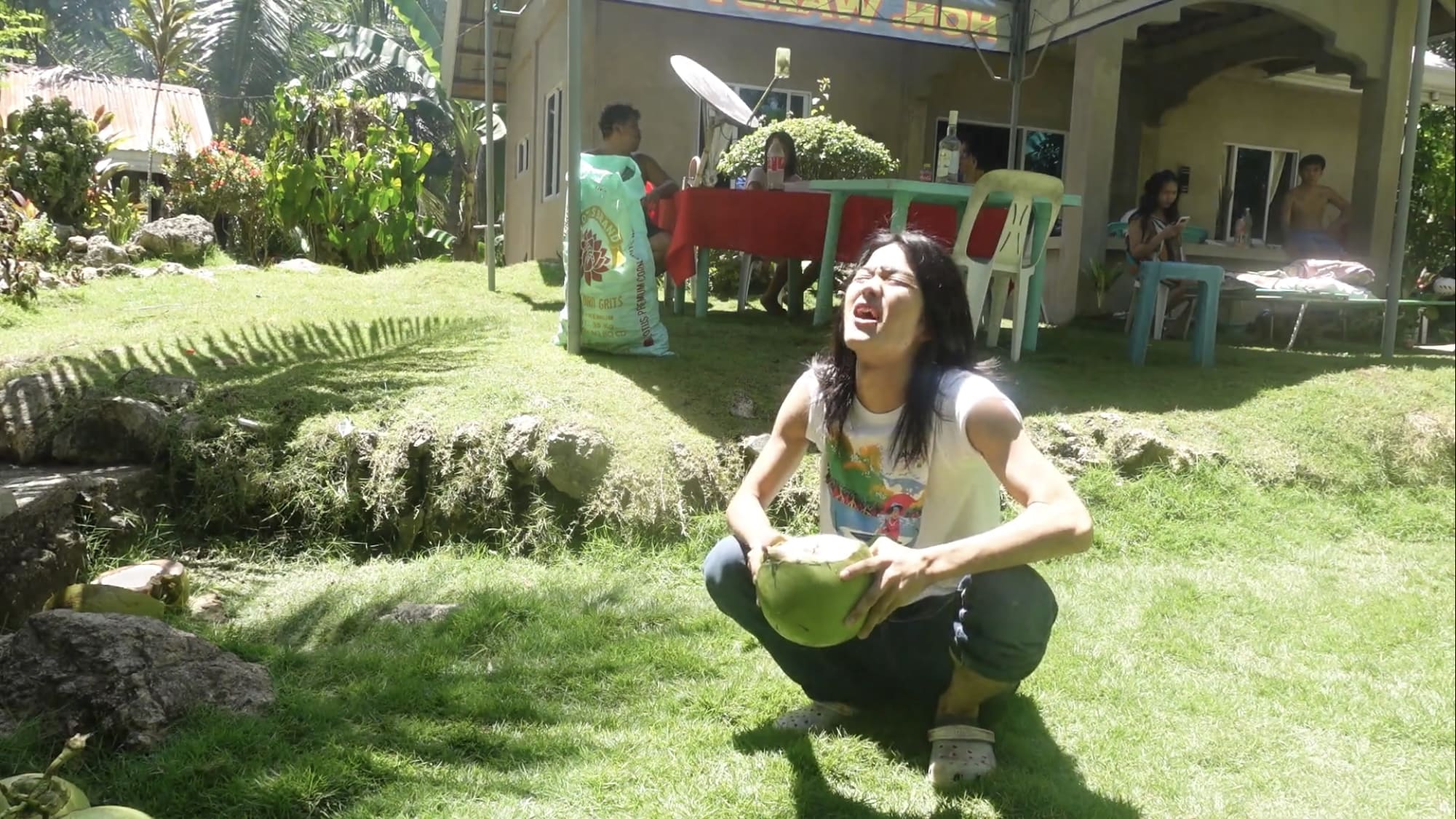
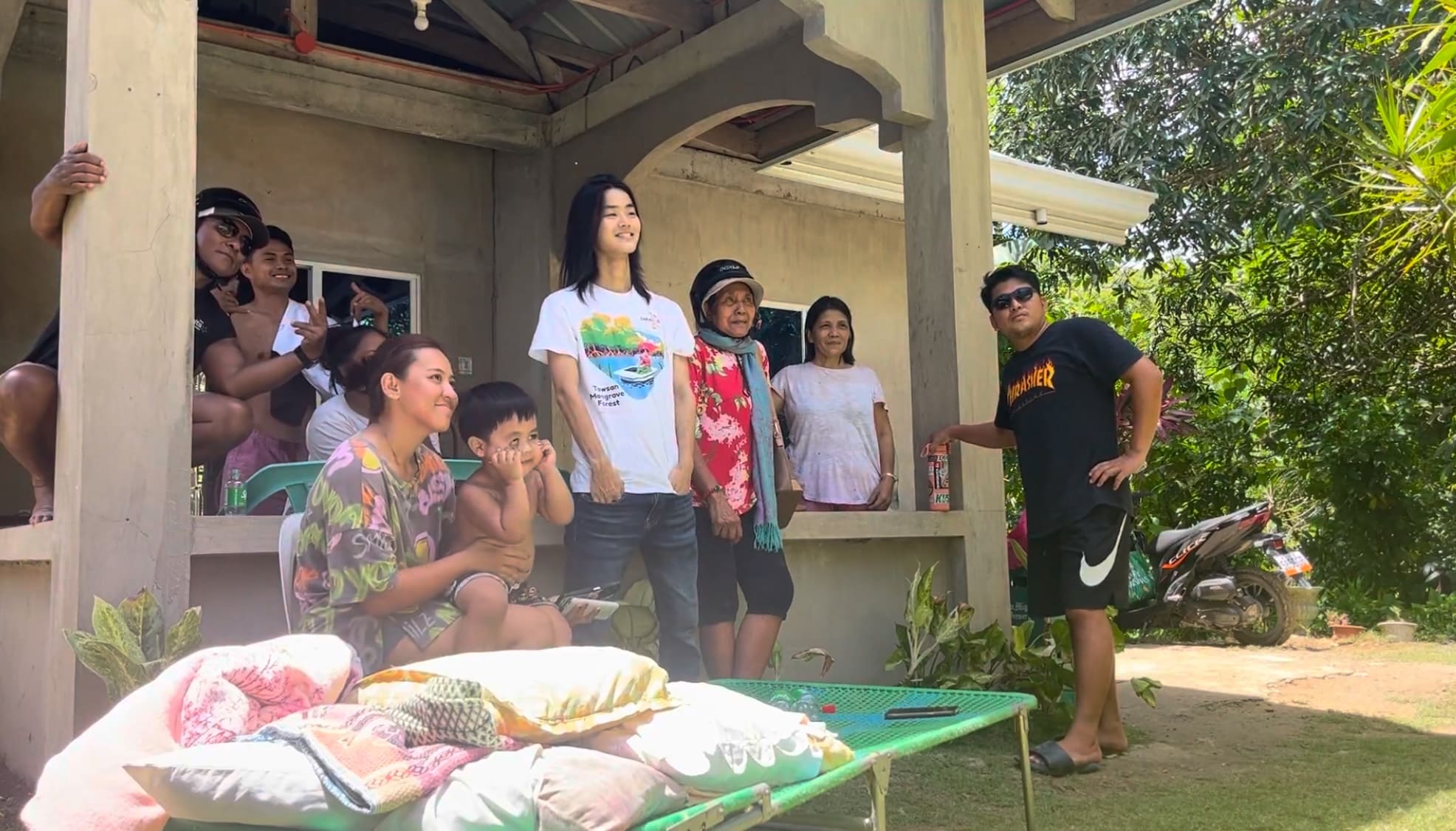
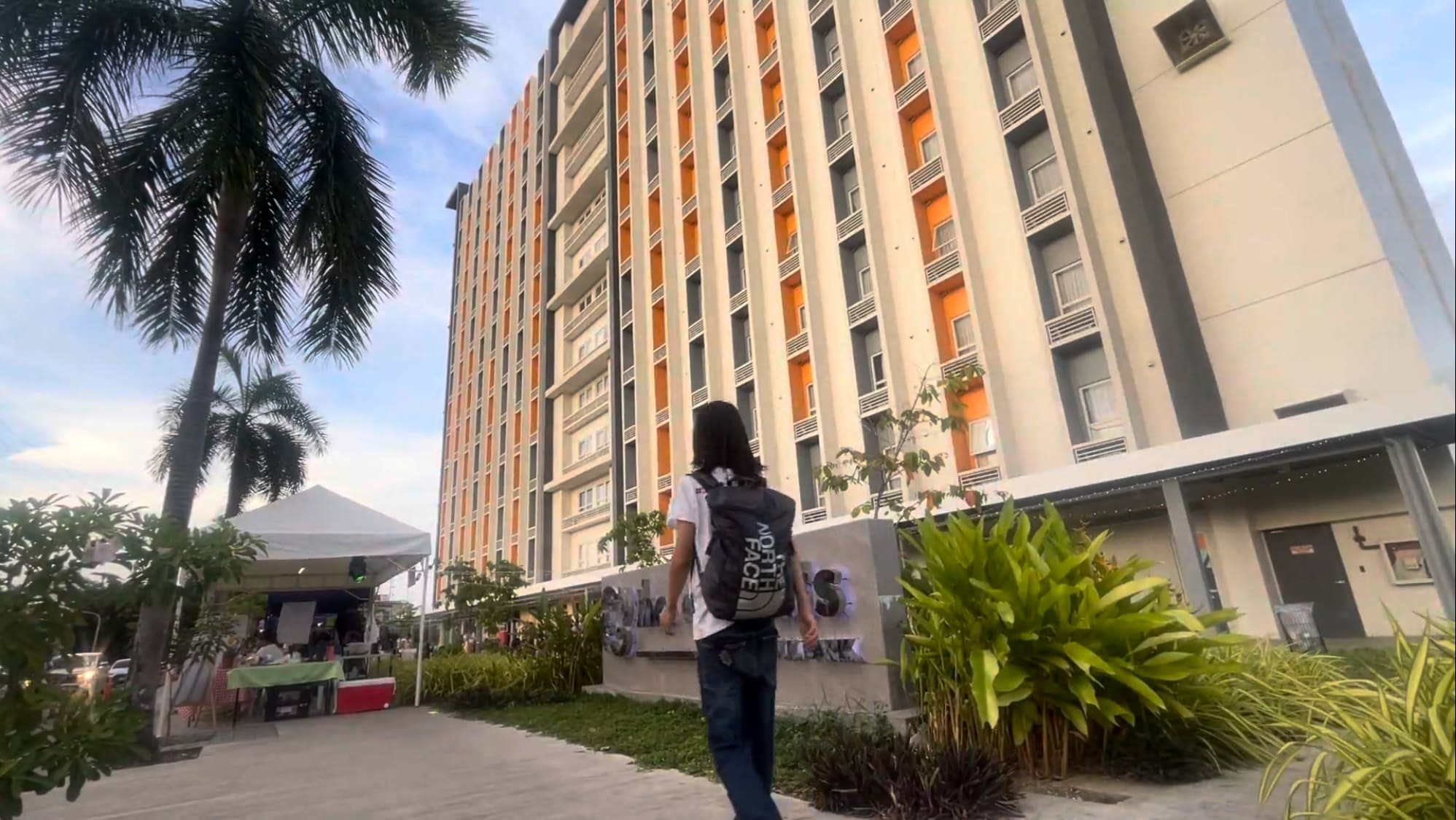
What I keep returning to isn't the embarrassment of the mistake — it's the texture of the moment. The way Kuya said "butong" wasn't a correction so much as an invitation. His voice was patient, unhurried, like he was handing me something valuable alongside the coconut itself. The mountains of Can-ibuang were still cool from the night before. Someone was frying something nearby. And in that unremarkable morning scene, a word I'd carried for three years quietly dissolved.
I've been thinking about how language is the last frontier of understanding a place. You can eat the food, attend the fiestas, sleep in the barangay — but until someone corrects you on a word you didn't even know you were mispronouncing, you haven't fully arrived. "Lubi" — I genuinely thought he was pointing at some kind of mountain secret, some local treasure I hadn't heard of. The actual treasure was simpler: a coconut, held out by steady hands, offered without ceremony. That image keeps coming back. The lubi. Not the ruby I invented. The real thing.
| Date | May 24, 2026 |
|---|---|
| Location | Can-ibuang, Catmon, Cebu |
| Event Type | Post-Fiesta Morning · Language Discovery |
| Access Method | Hosted by local family following Barangay Fiesta |
| Food Featured | Butong / Lubi (Fresh Coconut, Bisaya) |
| Cost to Attend | Free — offered by host family |
| Rarity | 🟨🟨🟨⬜⬜ — The experience of being corrected this genuinely, this warmly, in the mountains: surprisingly rare. |
| Bayanihan Index | High — family offered coconut, demonstration, and patience freely. No transaction. Just care. |
A month after Can-ibuang, and I still hadn't let it go.
I'd been eating at the same carenderia near IT Park almost every day since — same time, same dish, same Ate behind the counter who's seen me make mistakes more times than I'd like to admit.
She'd seen my post about the trip. About butong. About mistaking "lubi" for "ruby" in front of an entire barangay.
She laughed about it — of course she did — and then, she added one more piece to the puzzle I didn't know was still missing a piece.
"Lubi is for the coconut milk." she said.
I just stood there for a second.
Three years of buko. A month of butong and lubi swimming around in my head like they were interchangeable. And here, in a carenderia I walk into without thinking, the distinction finally clicked — not from a textbook, not from a search engine.
I don't know if I have it fully right even now. But I've stopped expecting to. Every time I think I've closed the case on something this small, Cebu quietly reopens it — usually over a tray of rice, usually when I least expect it.
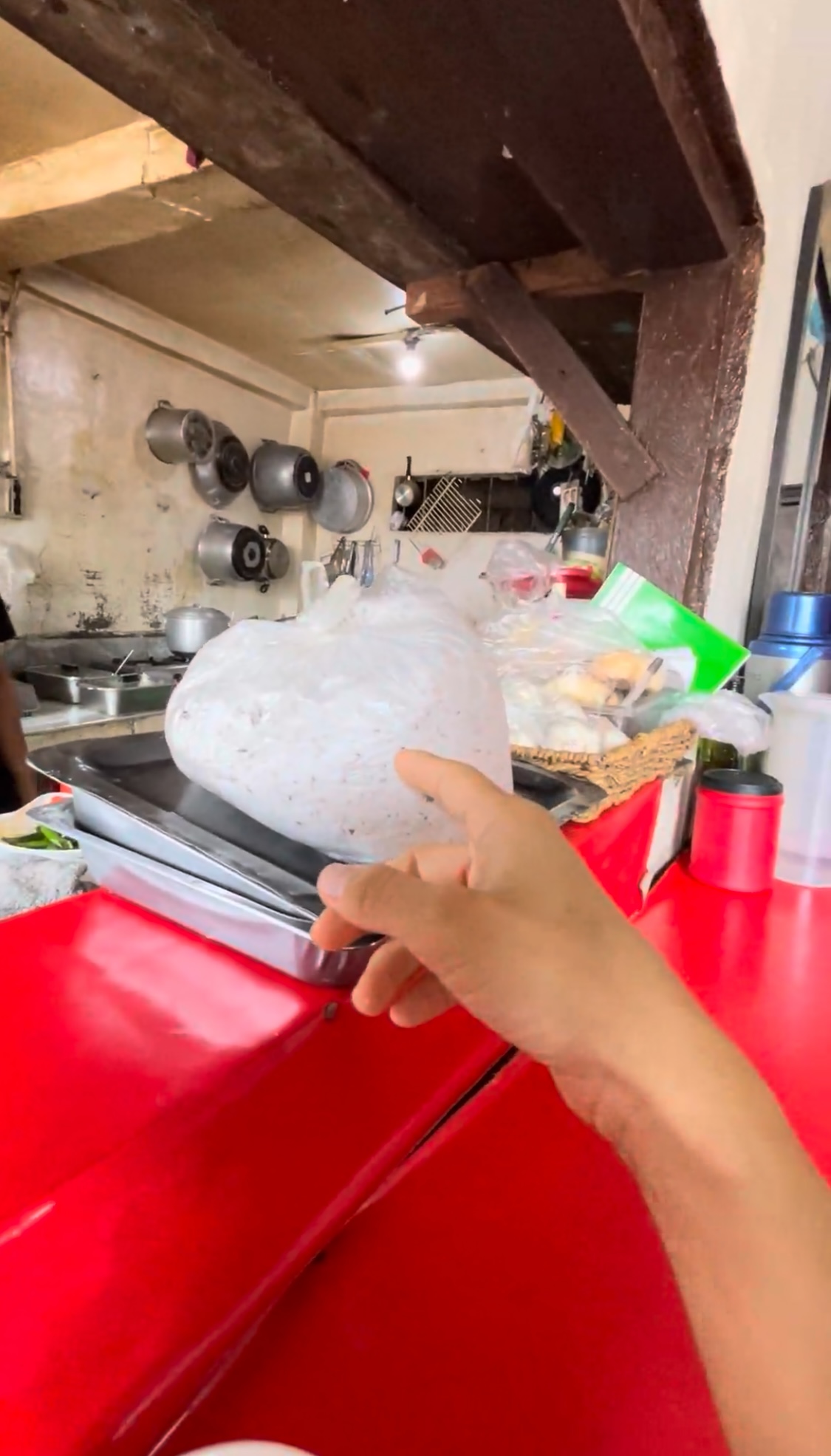
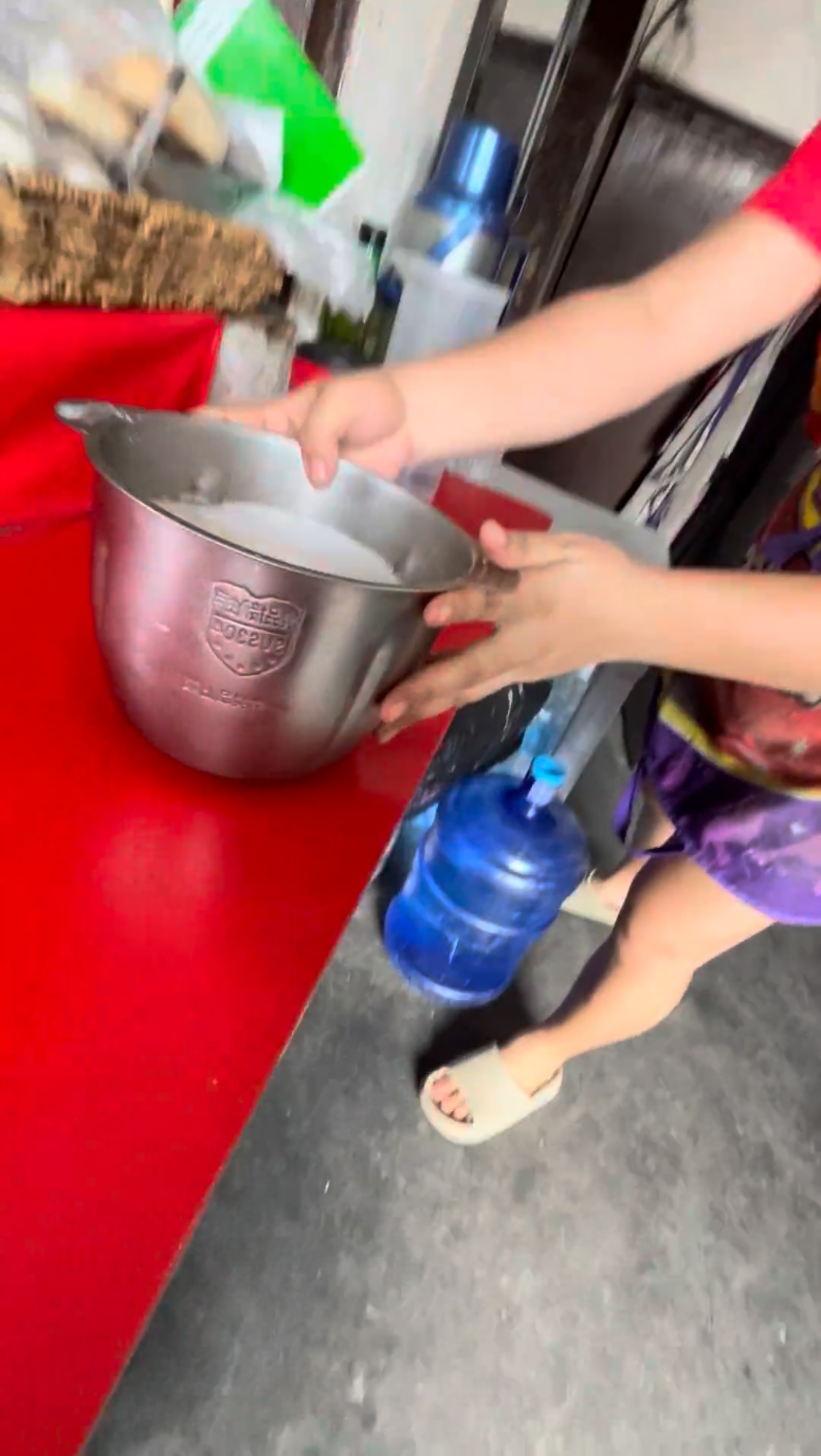
Daghang salamat, Ate — for the pinakbet, the patience, and for finally telling me what lubi was actually for.
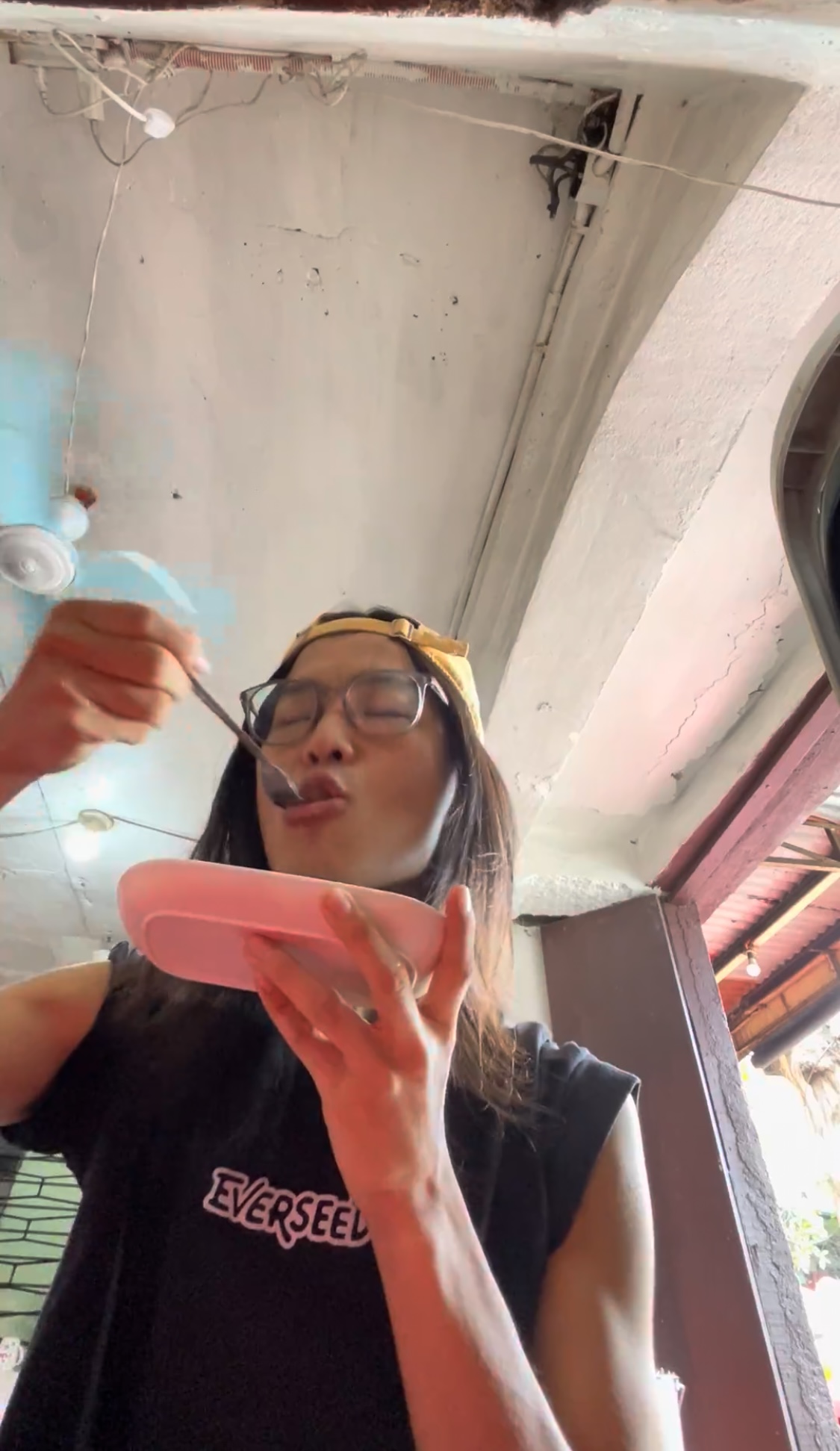
A month later a carinderia Ate finally told me lubi is specifically for the coconut milk — and I've stopped expecting to have this fully figured out, because Cebu keeps quietly reopening cases I thought were closed.