I've spent almost 3 years learning Cebu through carinderias, street food, and conversations with strangers.
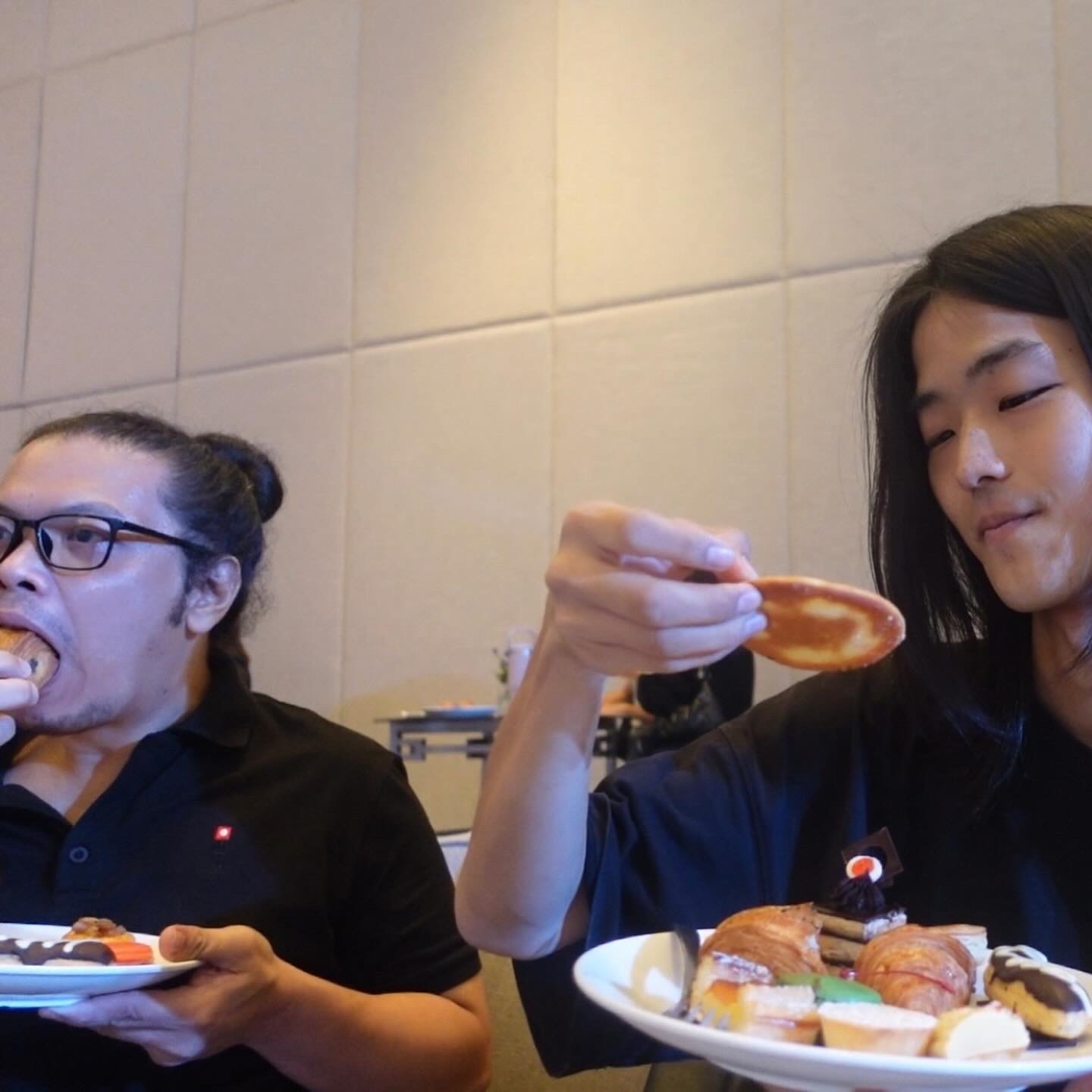
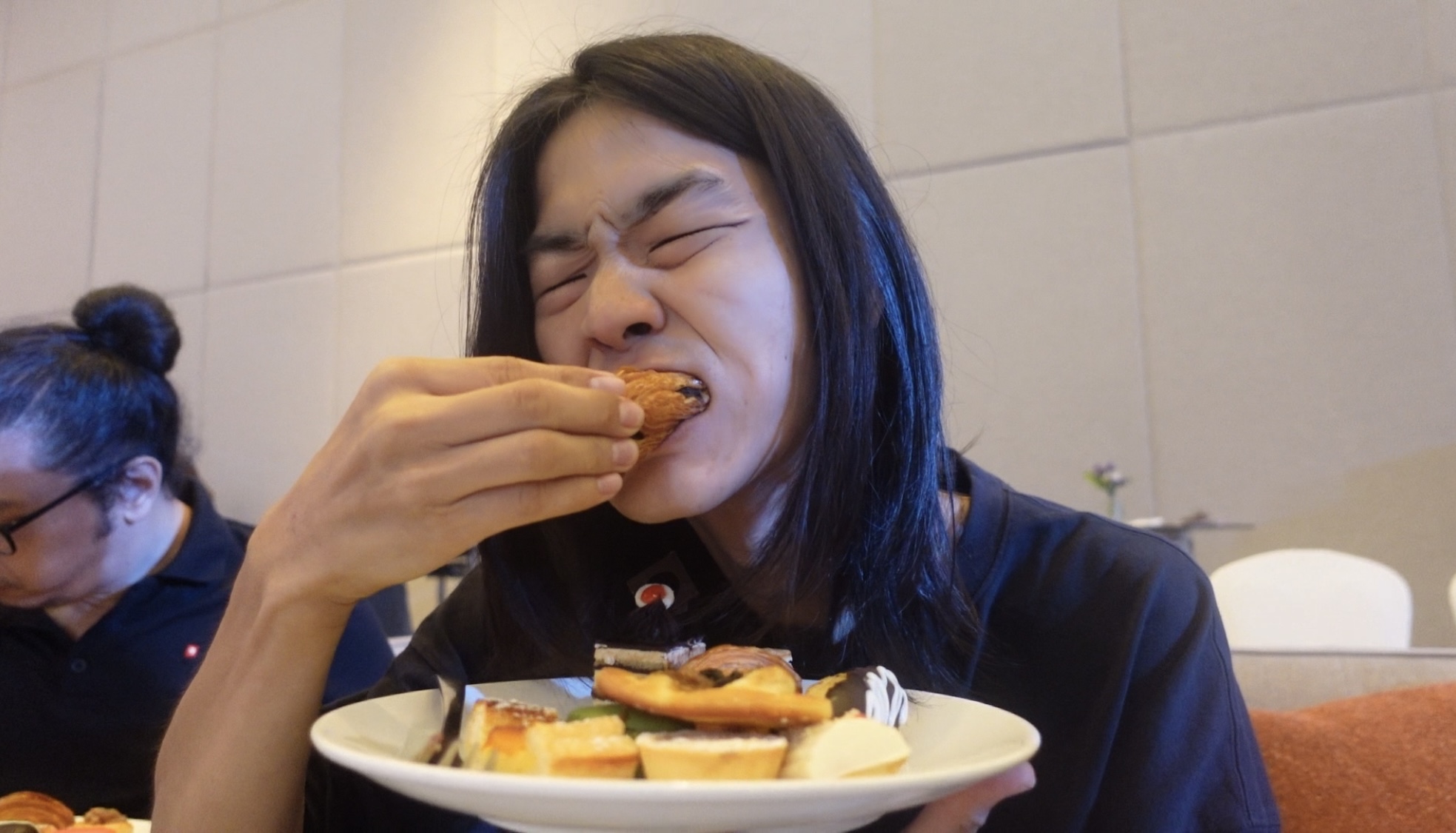
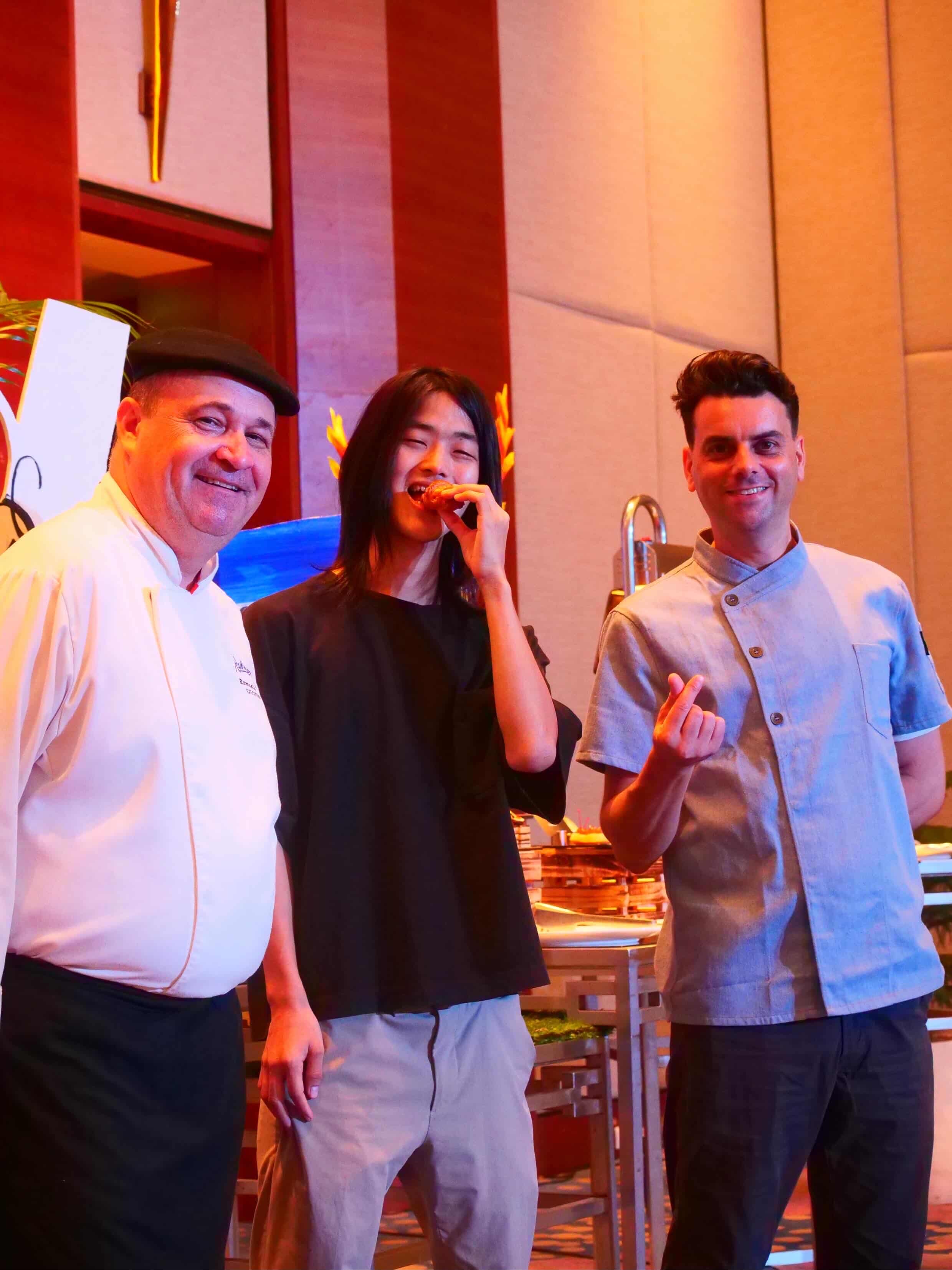
So walking into a French gastronomy event today felt… honestly a little unreal.
One moment I'm eating puso with my hands in barangays.
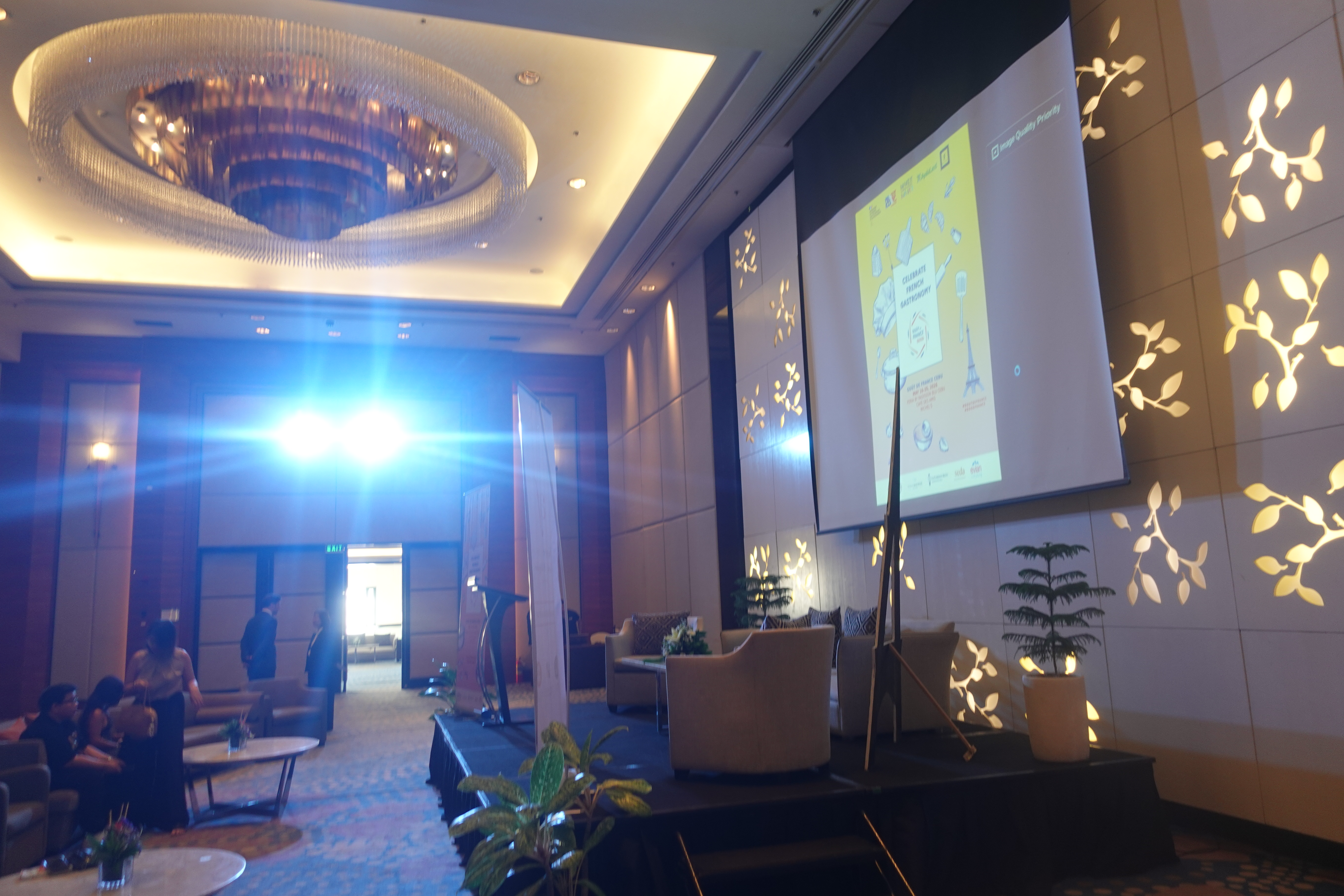
The next moment I'm inside a luxury hotel listening to people discuss French cuisine, wine, and cultural exchange.
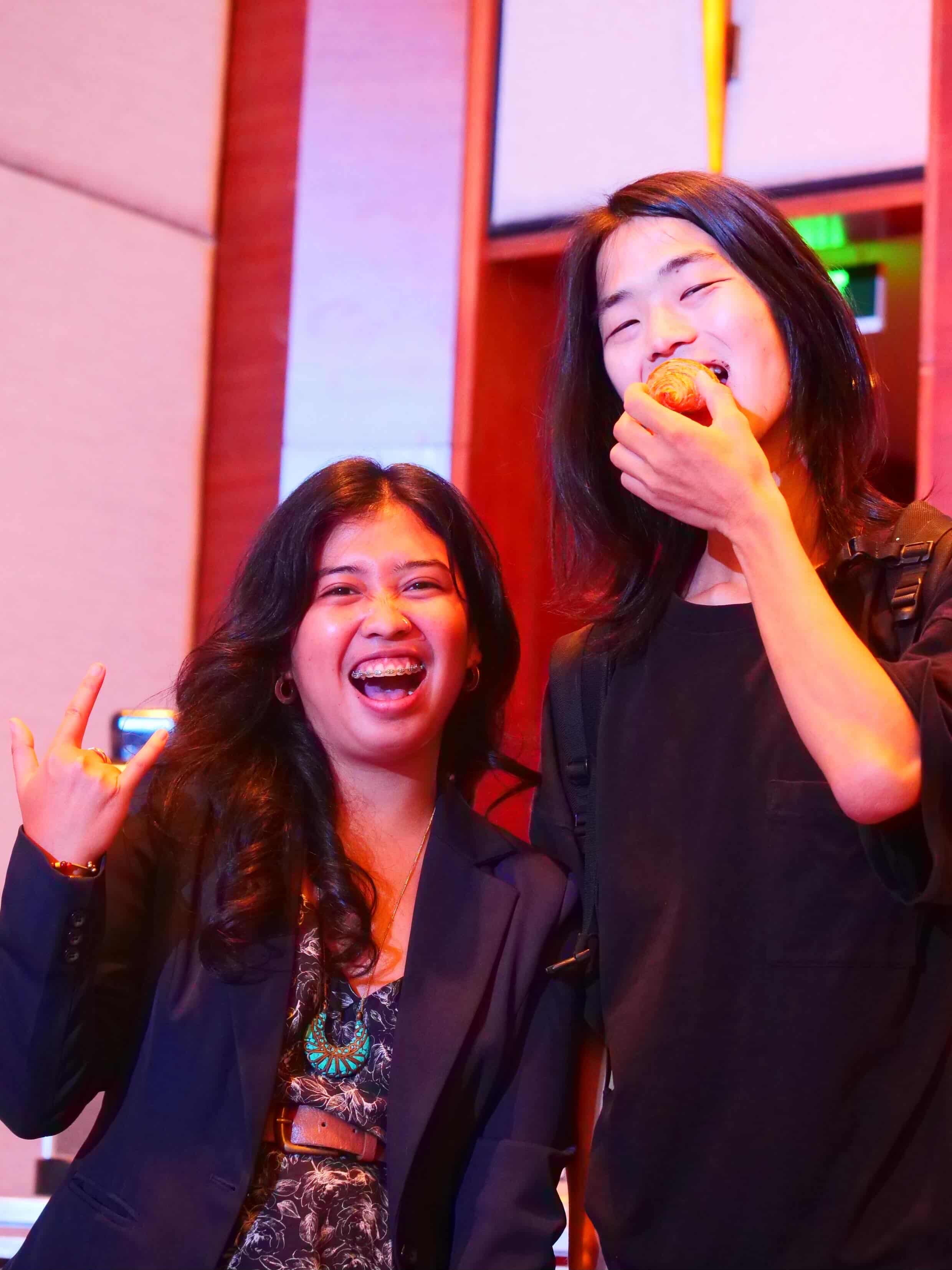
I didn't really know how to act at first 😂
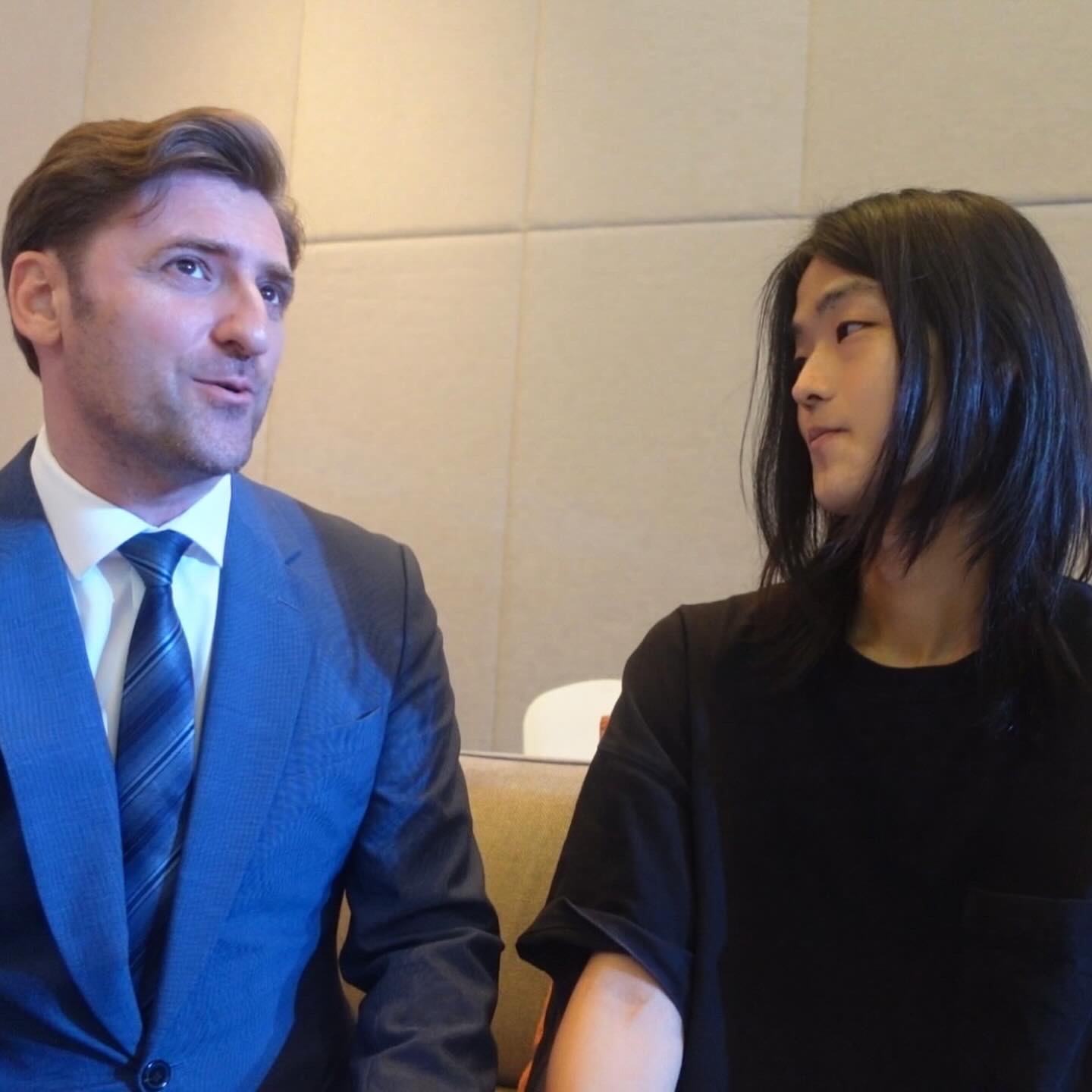
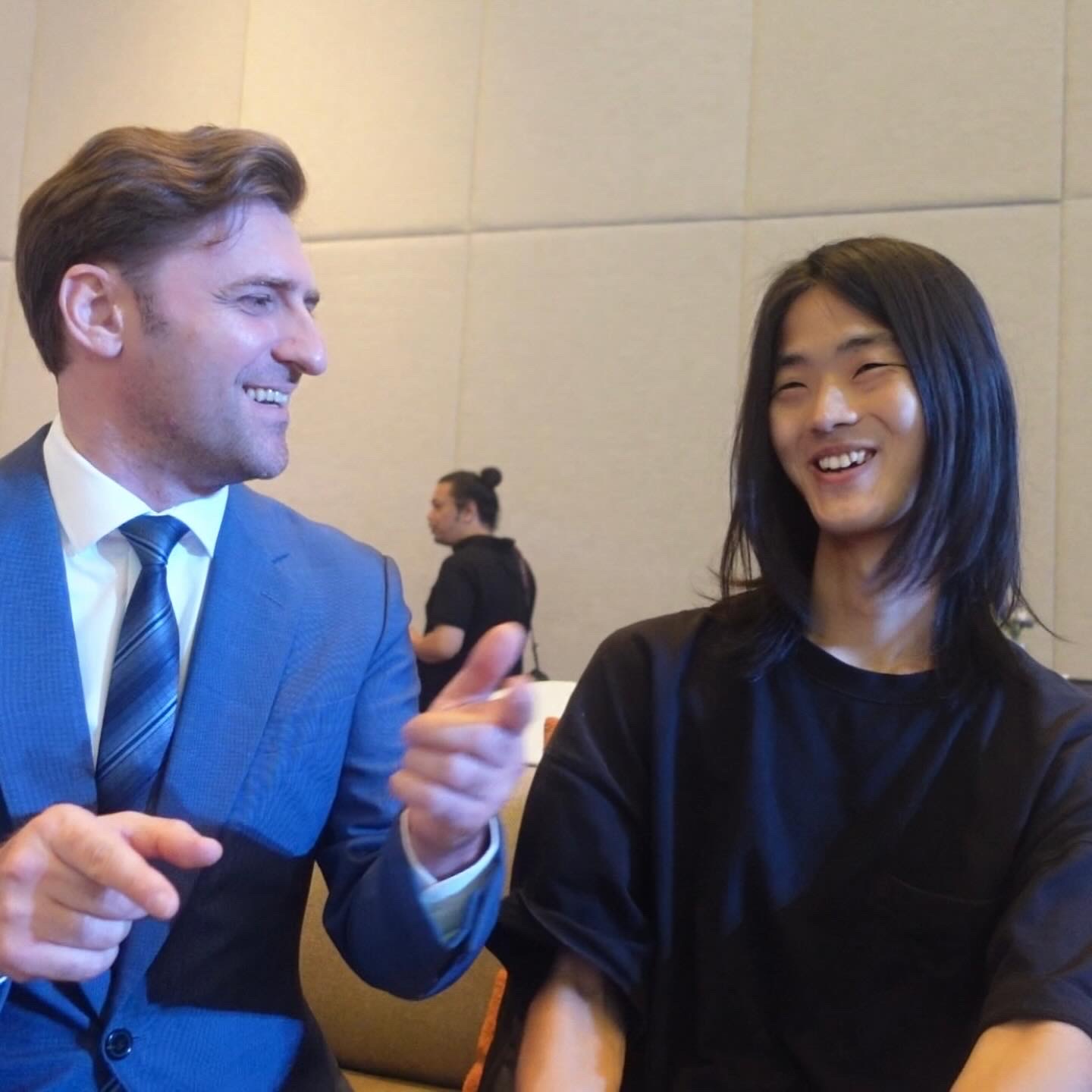
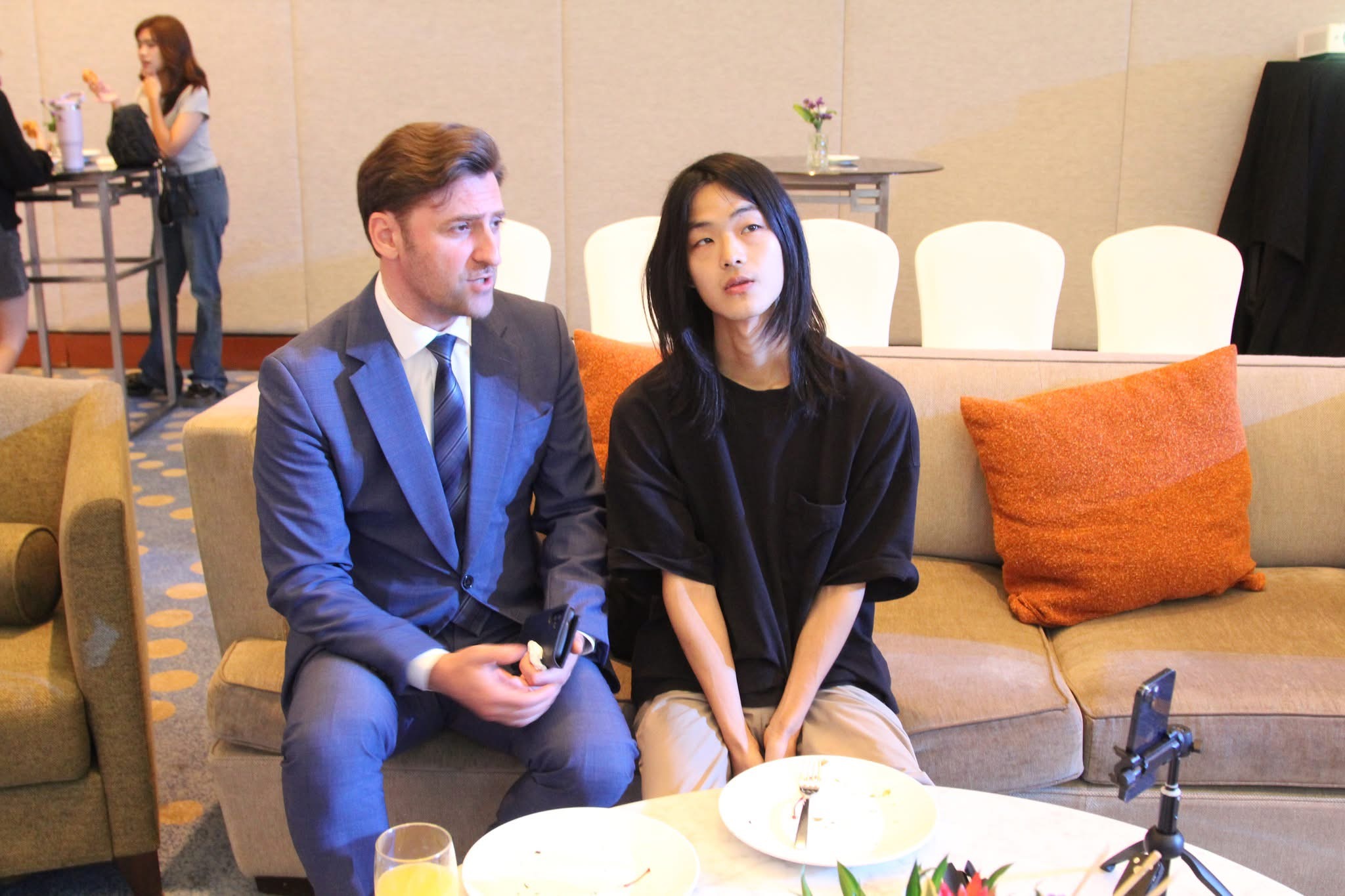
At one point, we started talking about Filipino food.
I asked what stood out most to him about the Philippines.
"Pork," he said immediately.
So I asked:
"Sisig?"
"Yes."
Then he described sisig as a "generous cuisine."
That honestly stayed in my head all day.
Because the more I live here, the more I realize Filipino food isn't just about flavor.
It's about abundance.
Sharing.
Rice.
Hands reaching into the same table.
Sweetness mixed with saltiness.
Chaos mixed with warmth.
I even explained kamayan to him.
"We eat by hand here," I said.
"Very important."
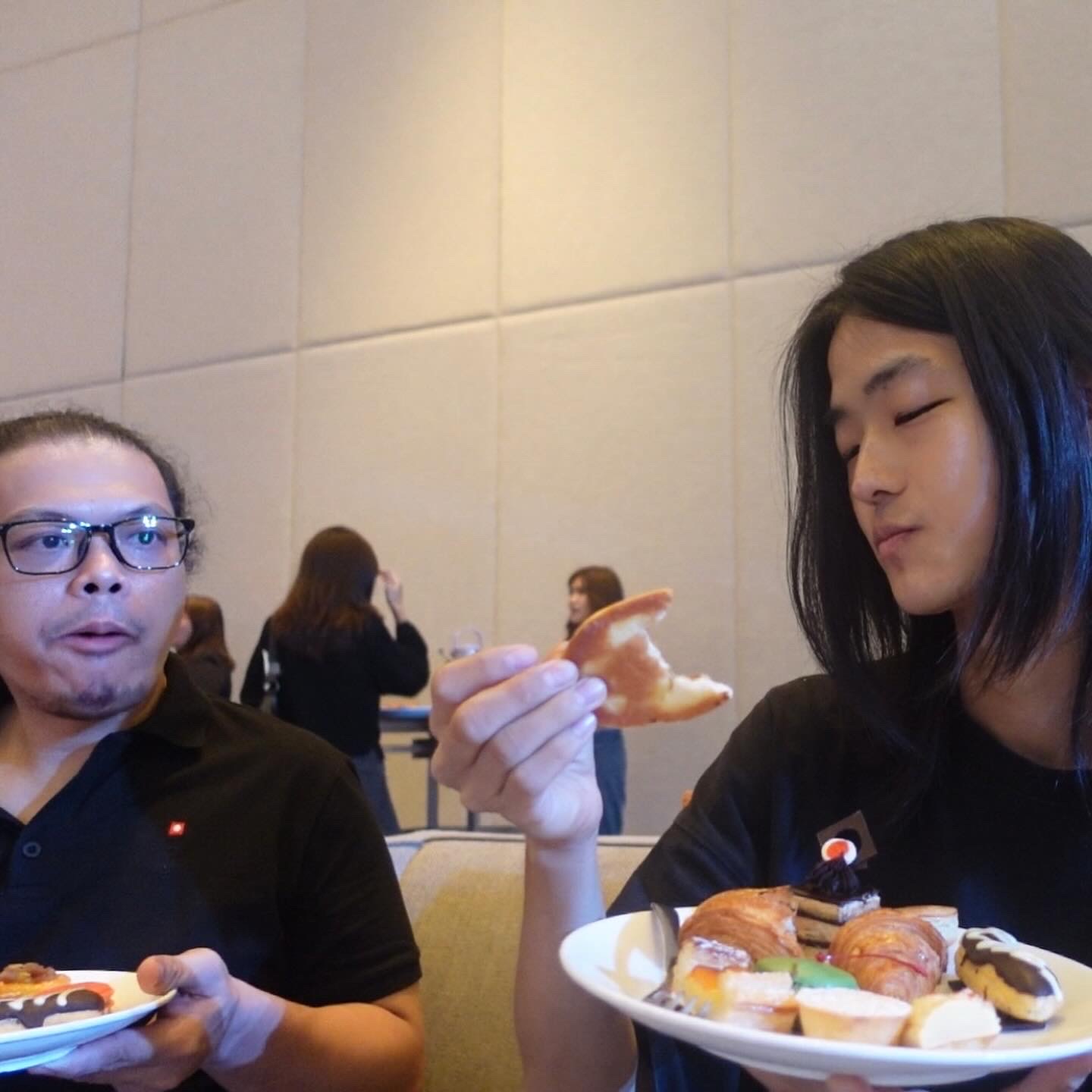
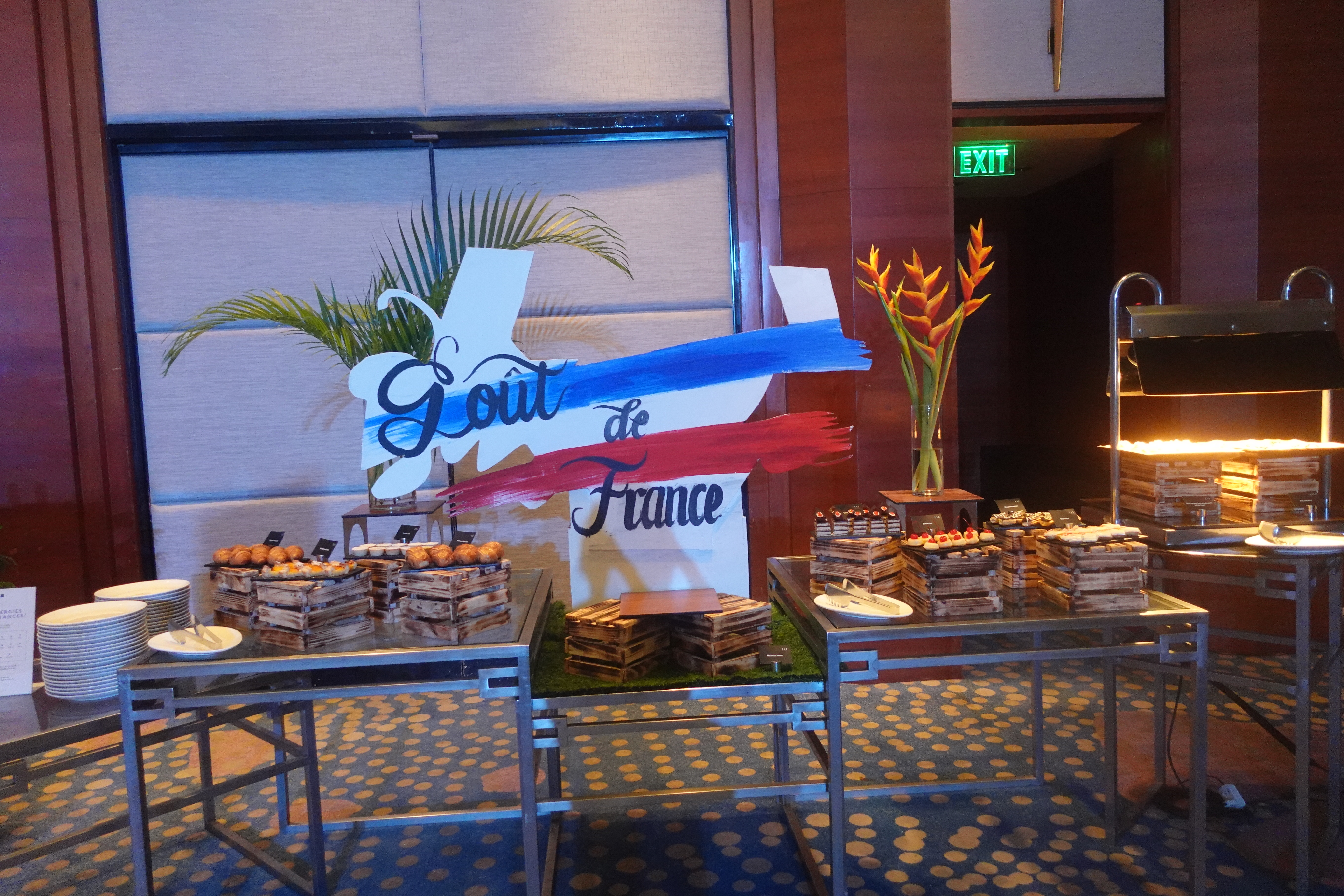
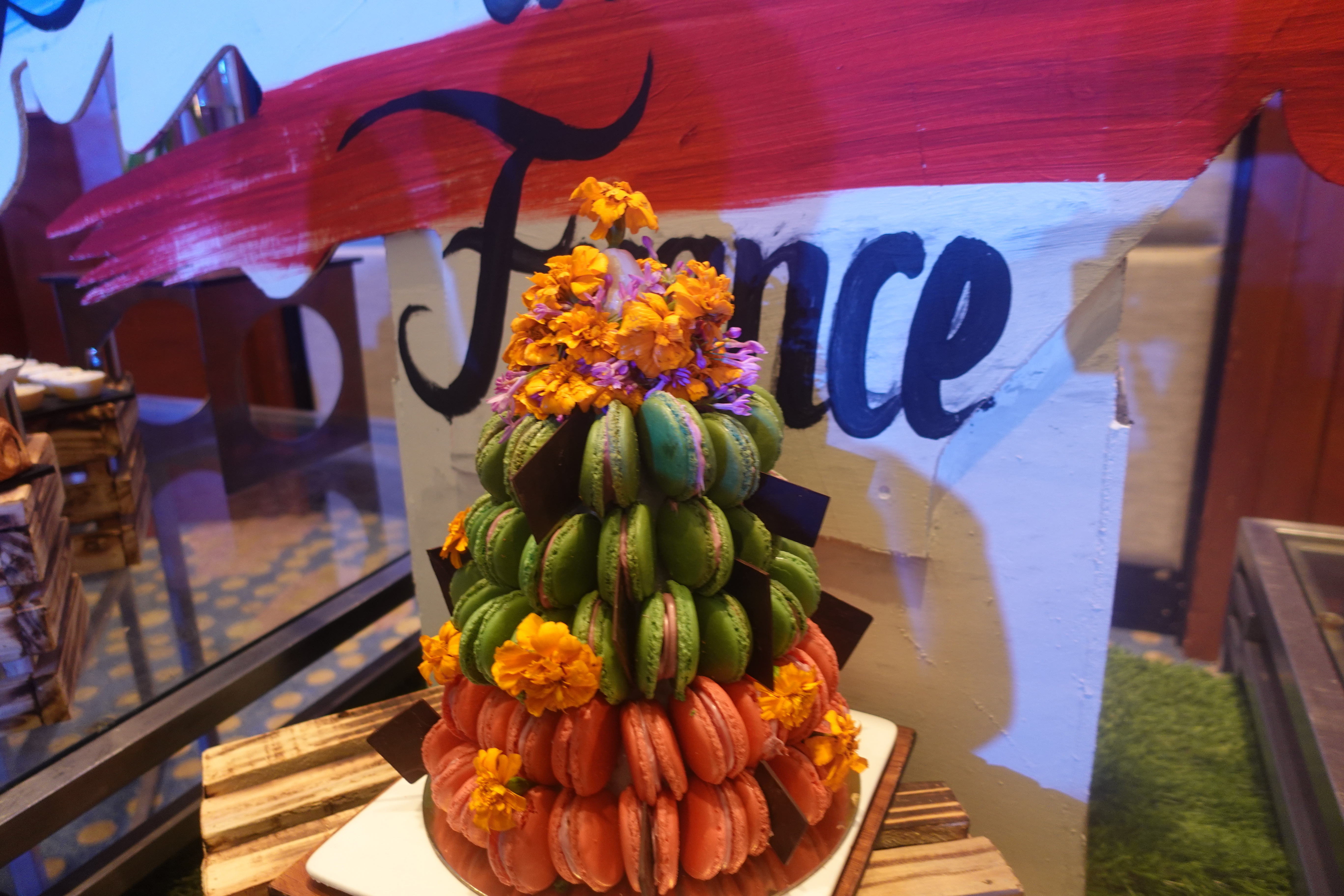
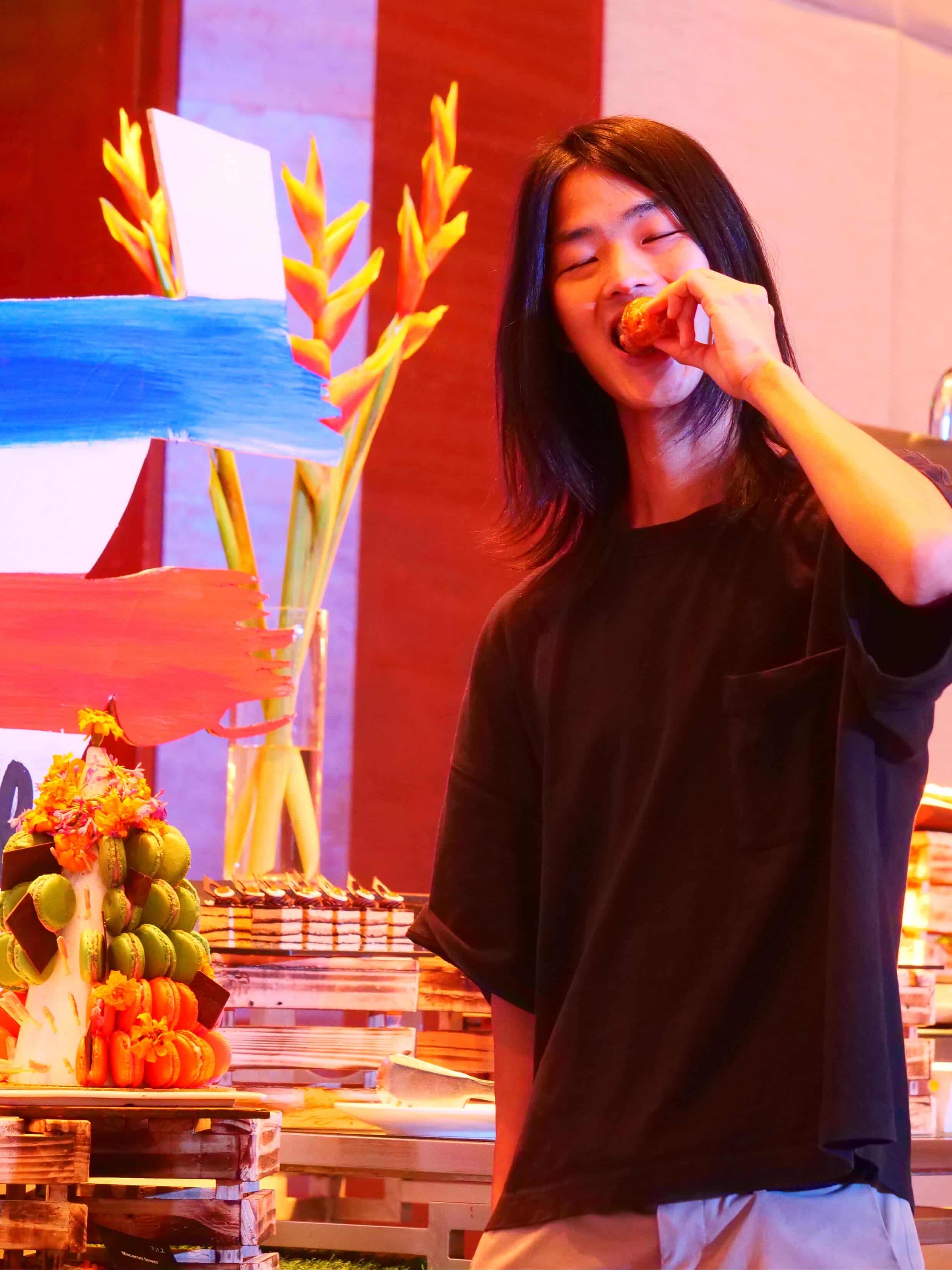
Then we talked about mangoes, potatoes in France, croissants instead of rice, and how different everyday eating feels depending on where you grow up.
The strange thing is…
even though today looked very different from the carinderias I usually explore, the feeling underneath was actually familiar.
People trying to share their culture through food.
I think every place wants that.
And somehow, a Japanese guy still learning Cebu ended up in the middle of it.
Still learning.
Still exploring.
One food culture at a time.
French cuisine carries an image: refined, precise, unhurried. The kind of thing that lives behind white tablecloths and wine lists. Carinderias are the opposite — plastic stools, steam, no menus, just whatever's in the pot that day. Walking from one world into the other in a single afternoon felt surreal, even after three years of building a life here in Cebu.
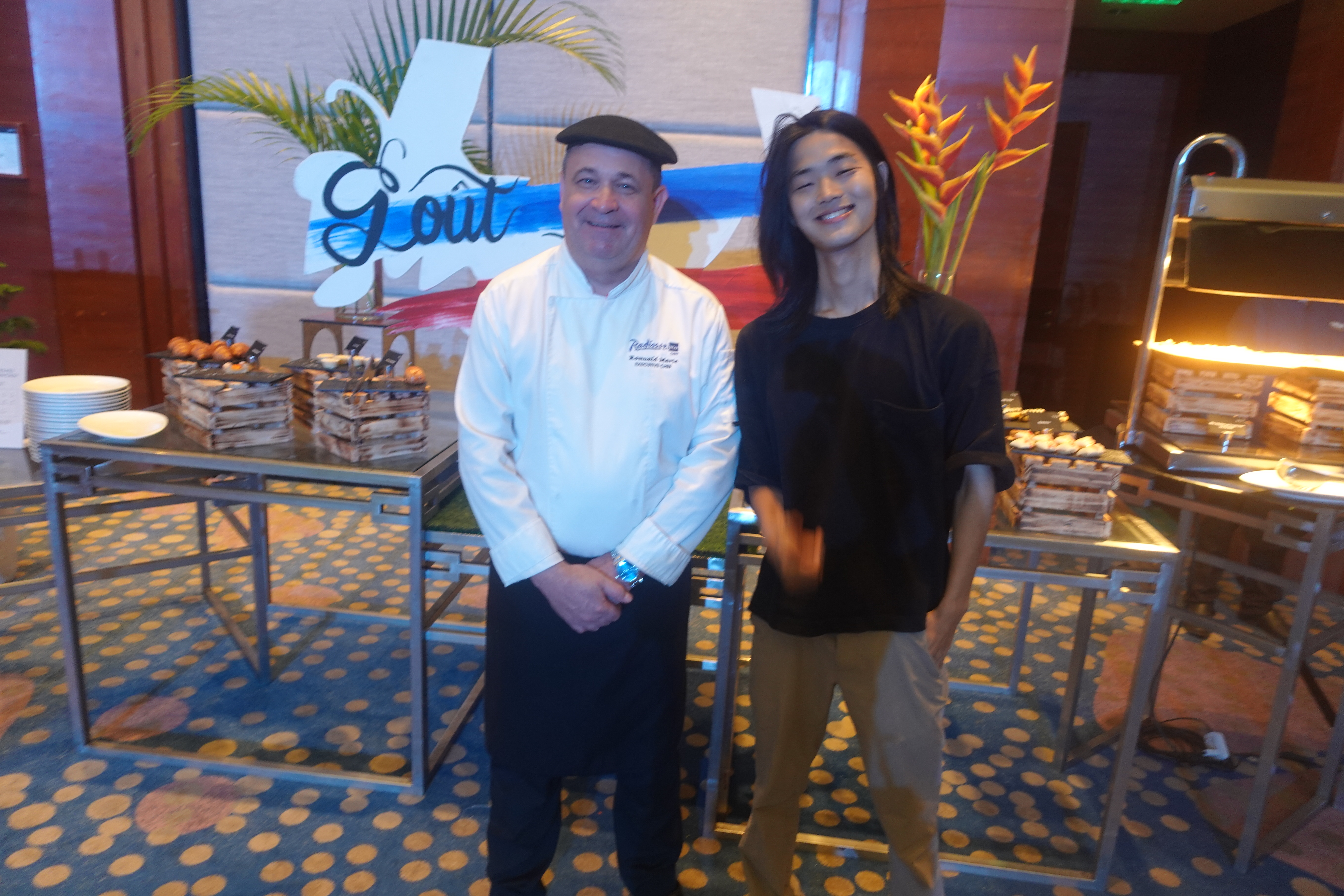
But the moment the French French Executive Director said "generous cuisine" about sisig, something clicked. It wasn't a compliment about seasoning. It was a reading of something deeper — the way Filipino food is designed to be shared, divided, extended. You don't order for yourself. You order for the table. The abundance isn't accidental; it's the whole point. And apparently, that translates across languages and continents.
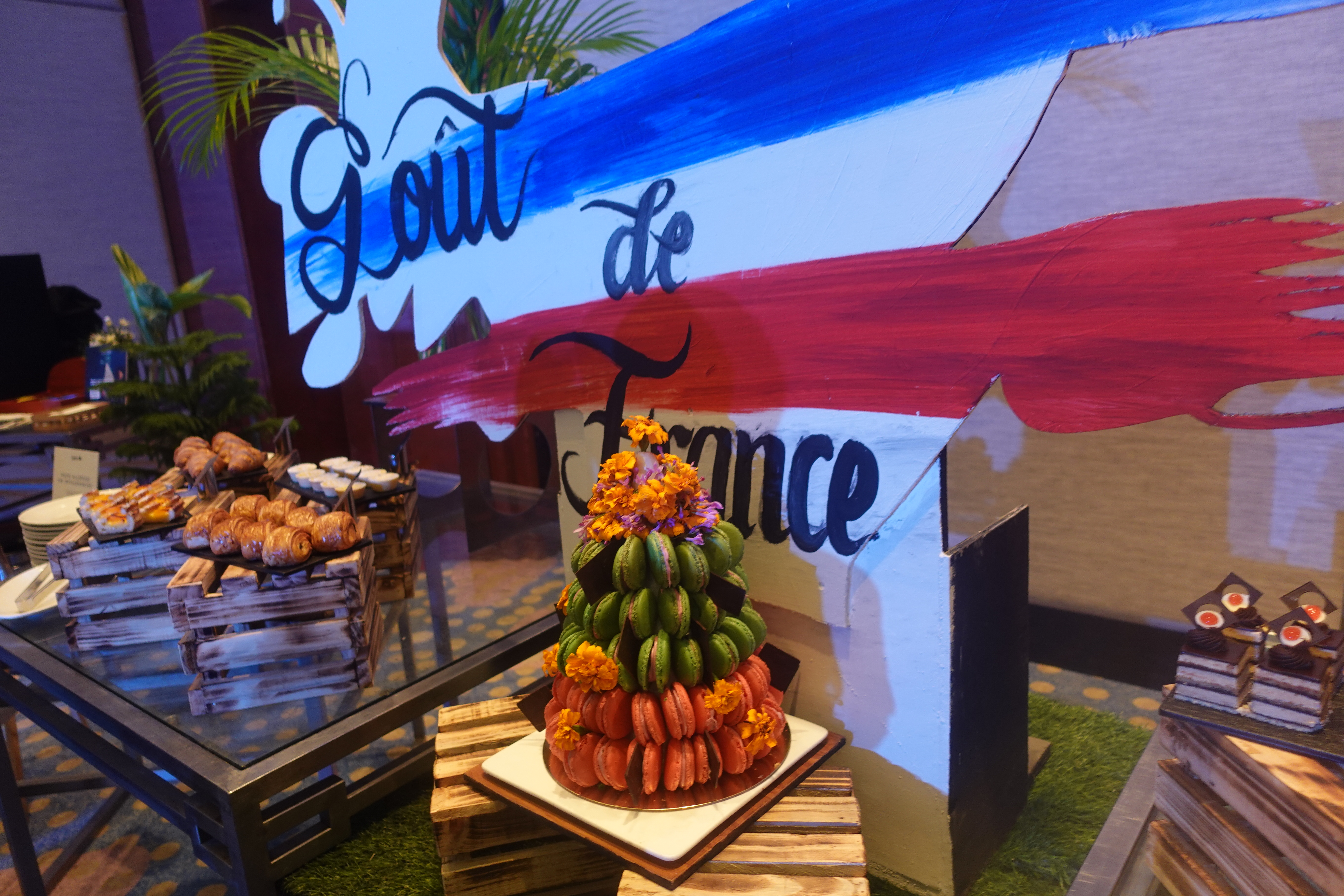
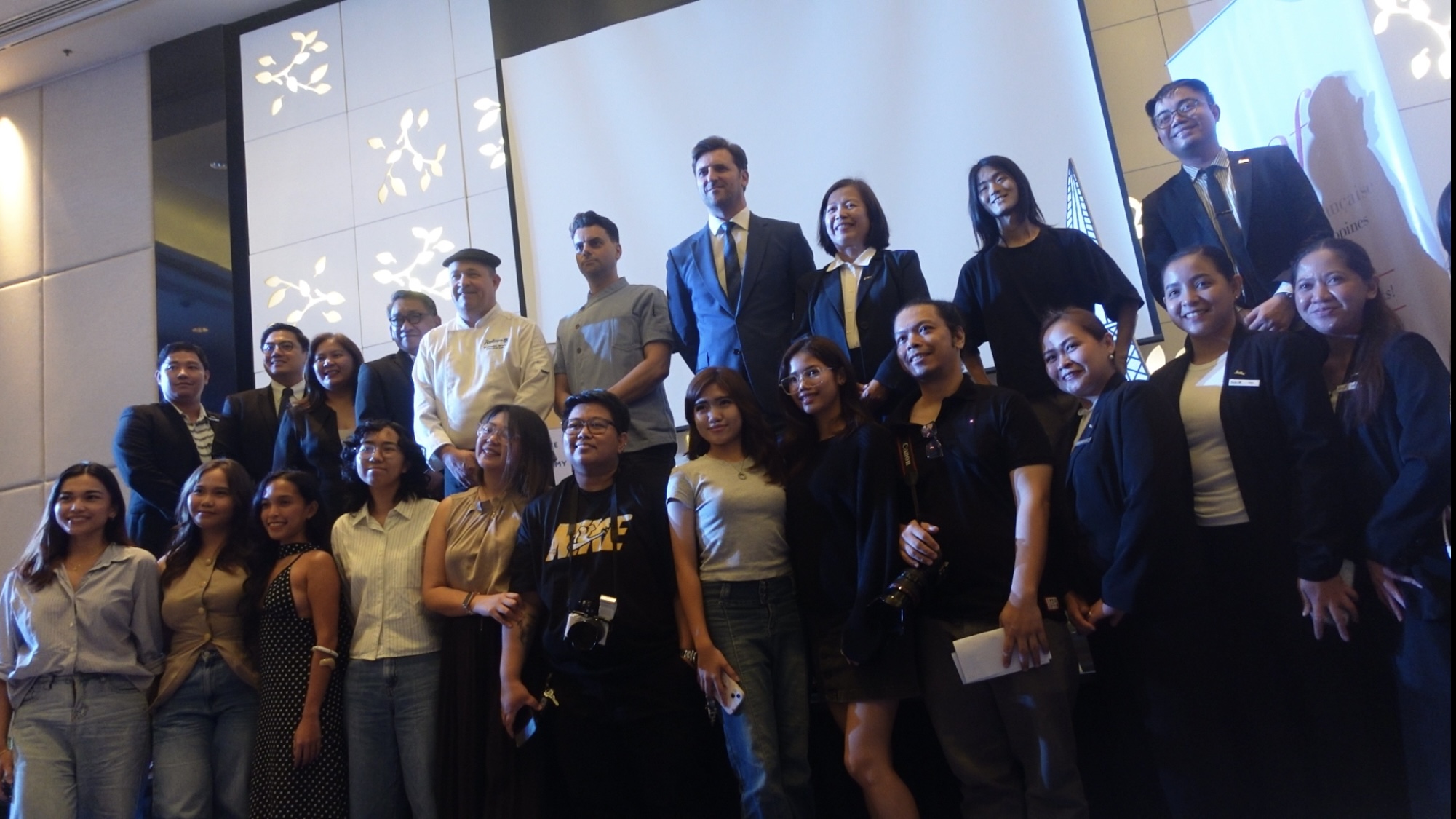
What surprised me more was how familiar the energy at the event felt. The French Embassy and Alliance Française de Cebu had brought people together — not just to eat, but to explain themselves through food. That's exactly what I see every day in the barangays. The carinderia auntie who insists you eat more. The stranger who tells you how to season your sinigang. The free kimchi that arrives without a reason. It's all the same gesture, dressed differently. The world really is one table.
Every food culture wants to be understood by someone who didn't grow up with it. That's why people cook for strangers. That's why markets exist. That's why the French Executive Director ends up in Cebu and the first word out of his mouth is "pork." The label of "high cuisine" versus "local food" is something outsiders apply — the people inside just call it eating.
I showed up to a luxury hotel in the messy hair. The staff welcomed me anyway. That warmth — the ease with which people here make space for you — might be the most Filipino thing of all. And today, I saw it reflected back from the other side of the world.
The white tablecloths and the plastic carinderia stools turned out to be different settings for the same gesture — someone insisting you eat more, someone sharing who they are through food. Maybe the world really is one table.
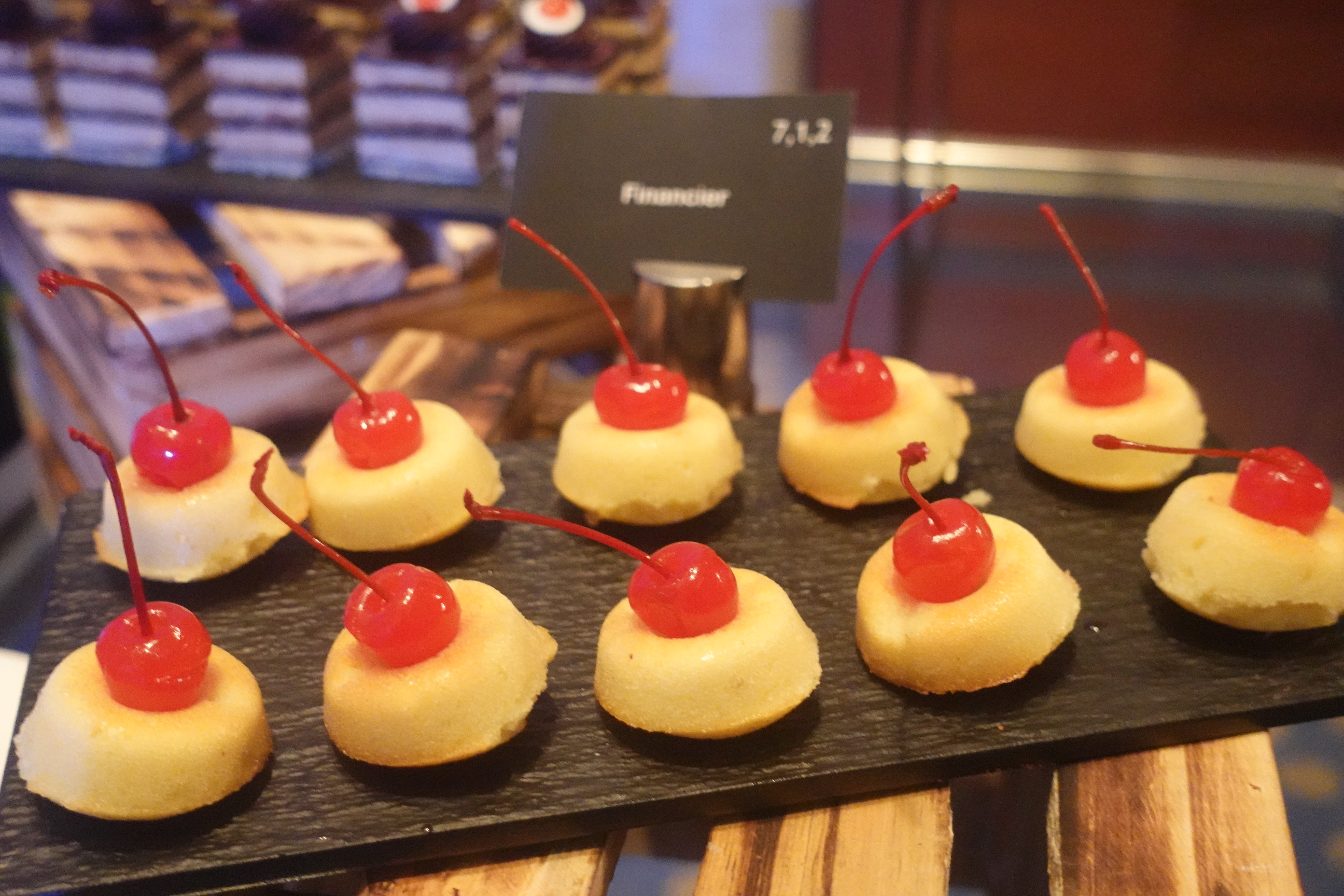
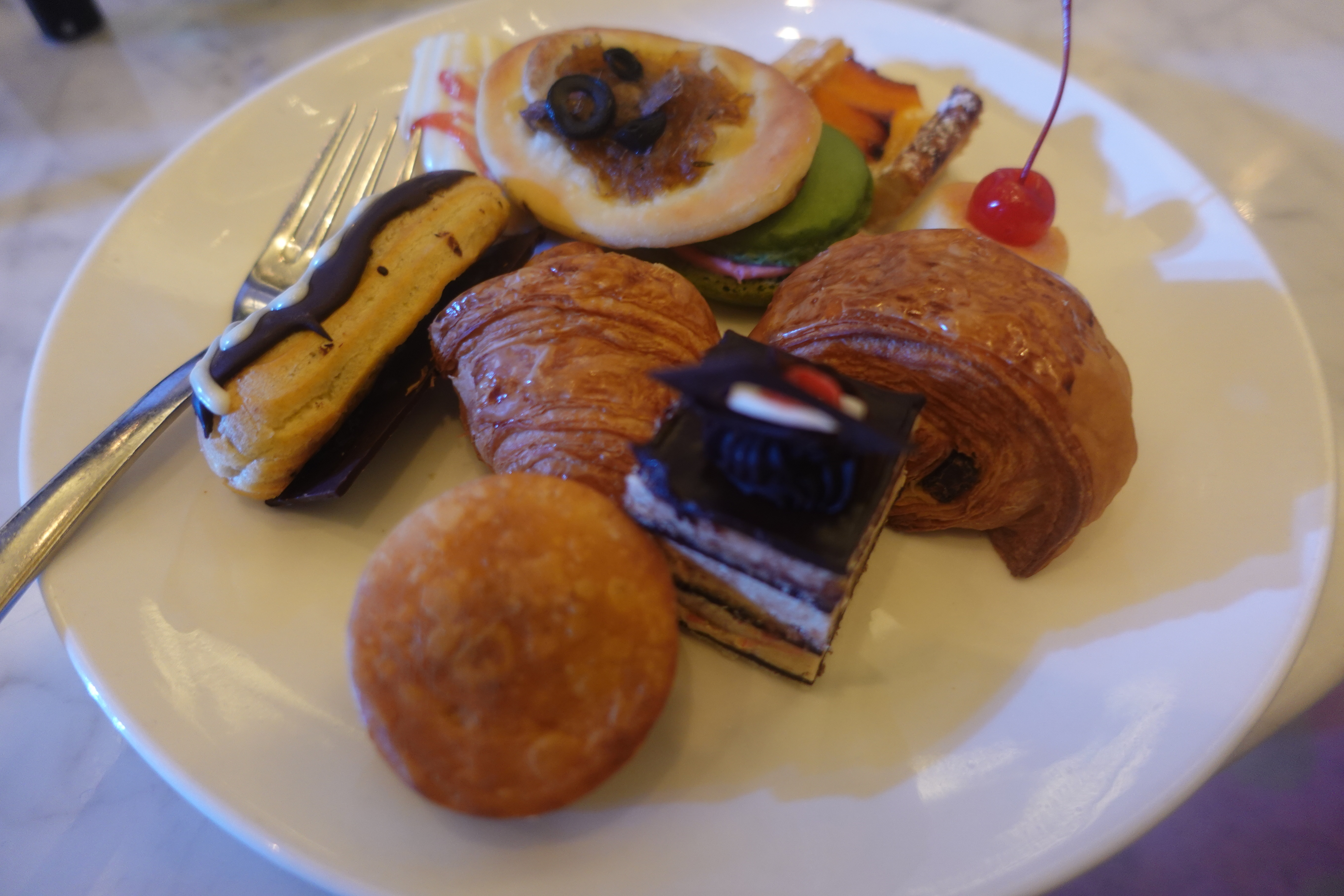
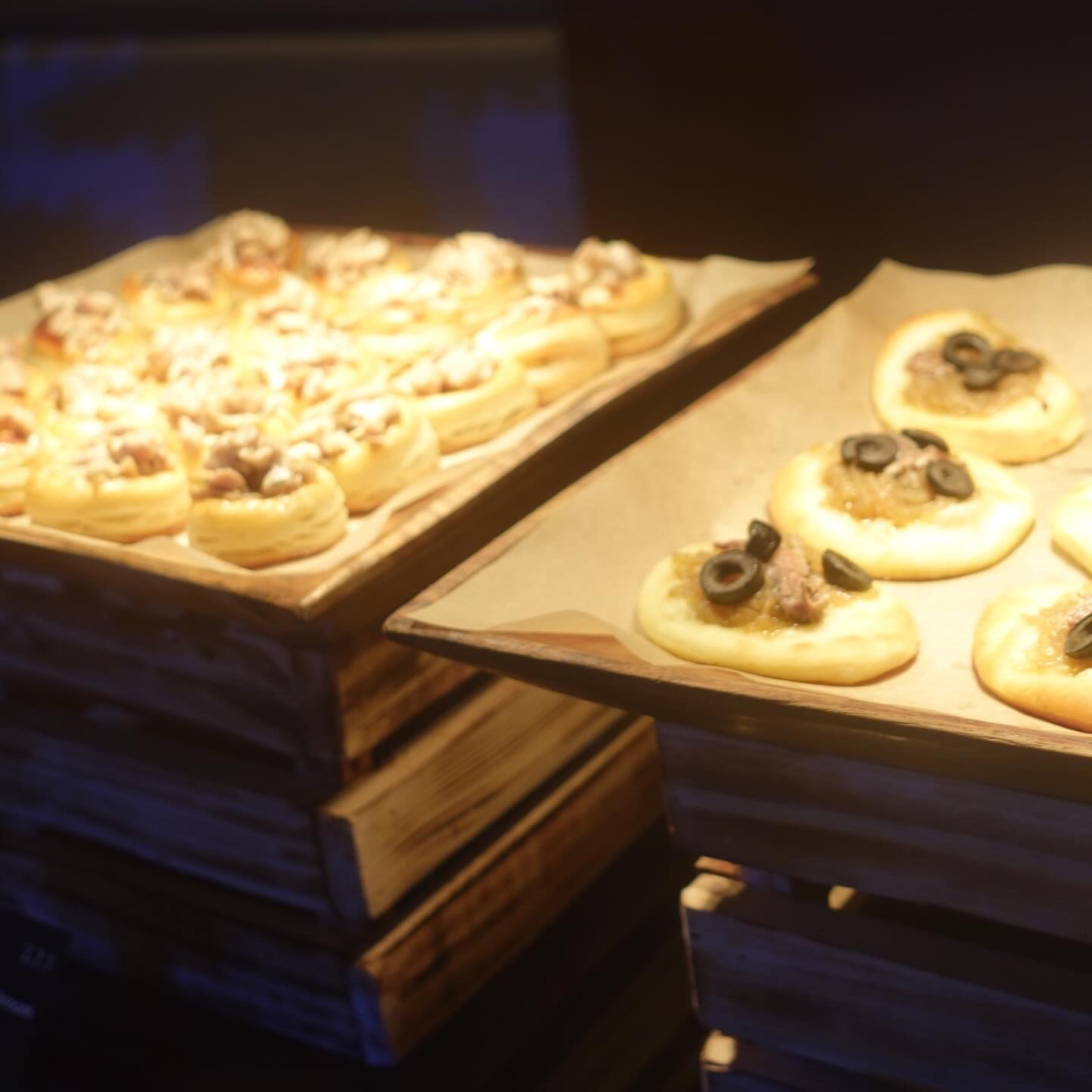

| Date | May 14, 2026 |
|---|---|
| Location | Radisson Blu Hotel, Cebu City, Cebu |
| Event Type | French Gastronomy Cultural Exchange Event (Alliance Française de Cebu × French Embassy) |
| Access Method | Invited event — luxury hotel venue with security check-in |
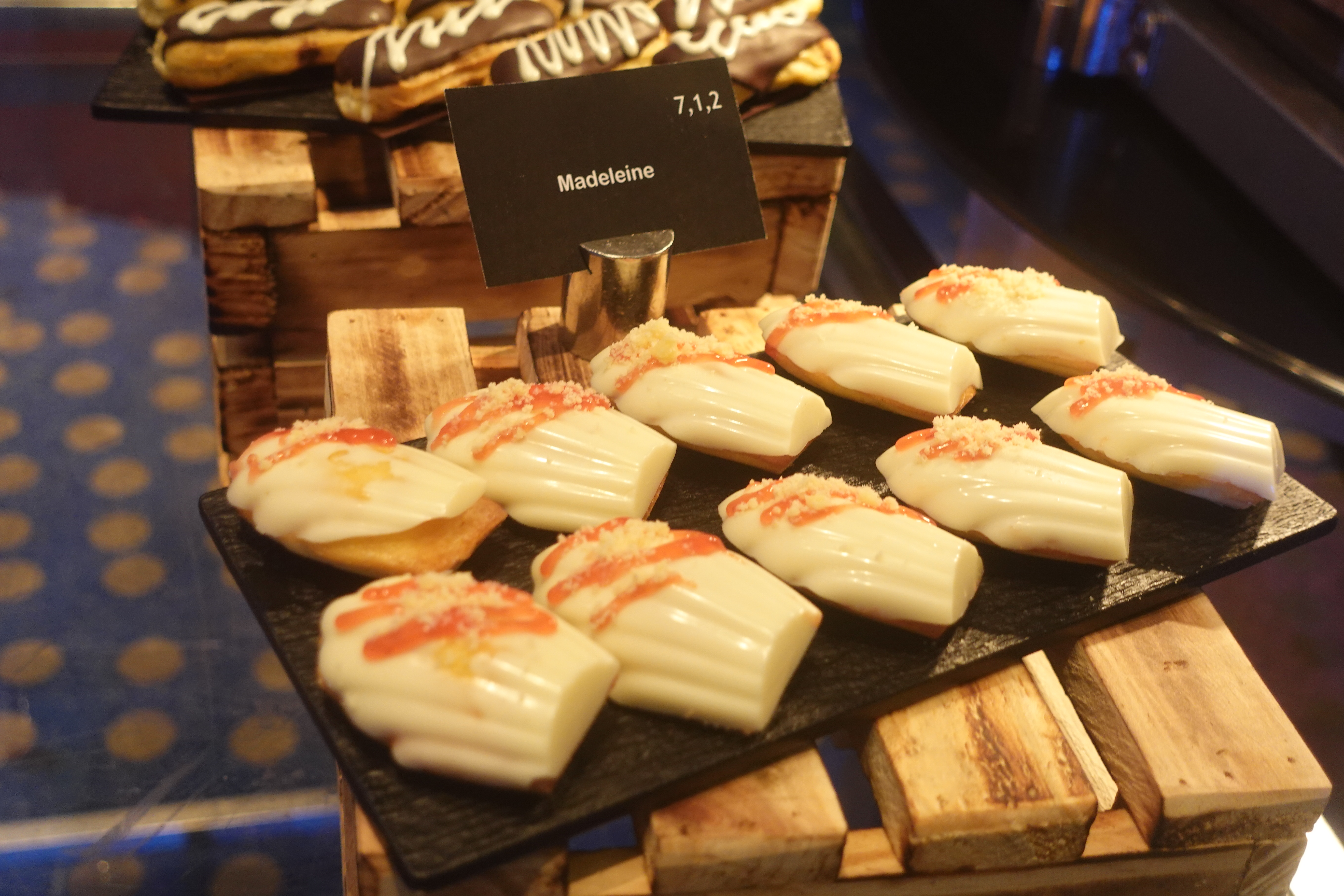
| Food Featured | French gastronomy, sisig (discussed), kamayan (explained), mangoes, potates |
| Cost to Attend | Invitation-based |
| Rarity | 🟨🟨🟨🟨⬜ — A cross-cultural food dialogue between France and the Philippines, facilitated by the French Embassy in Cebu; not a typical public event |
| Bayanihan Index | Staff welcomed a casually-dressed outsider without hesitation; the spirit of hospitality crossed continents |
I still don't know if "generous cuisine" was just one French Executive Director's poetic phrase or a real French culinary term, and I haven't stopped turning it over since he said it.