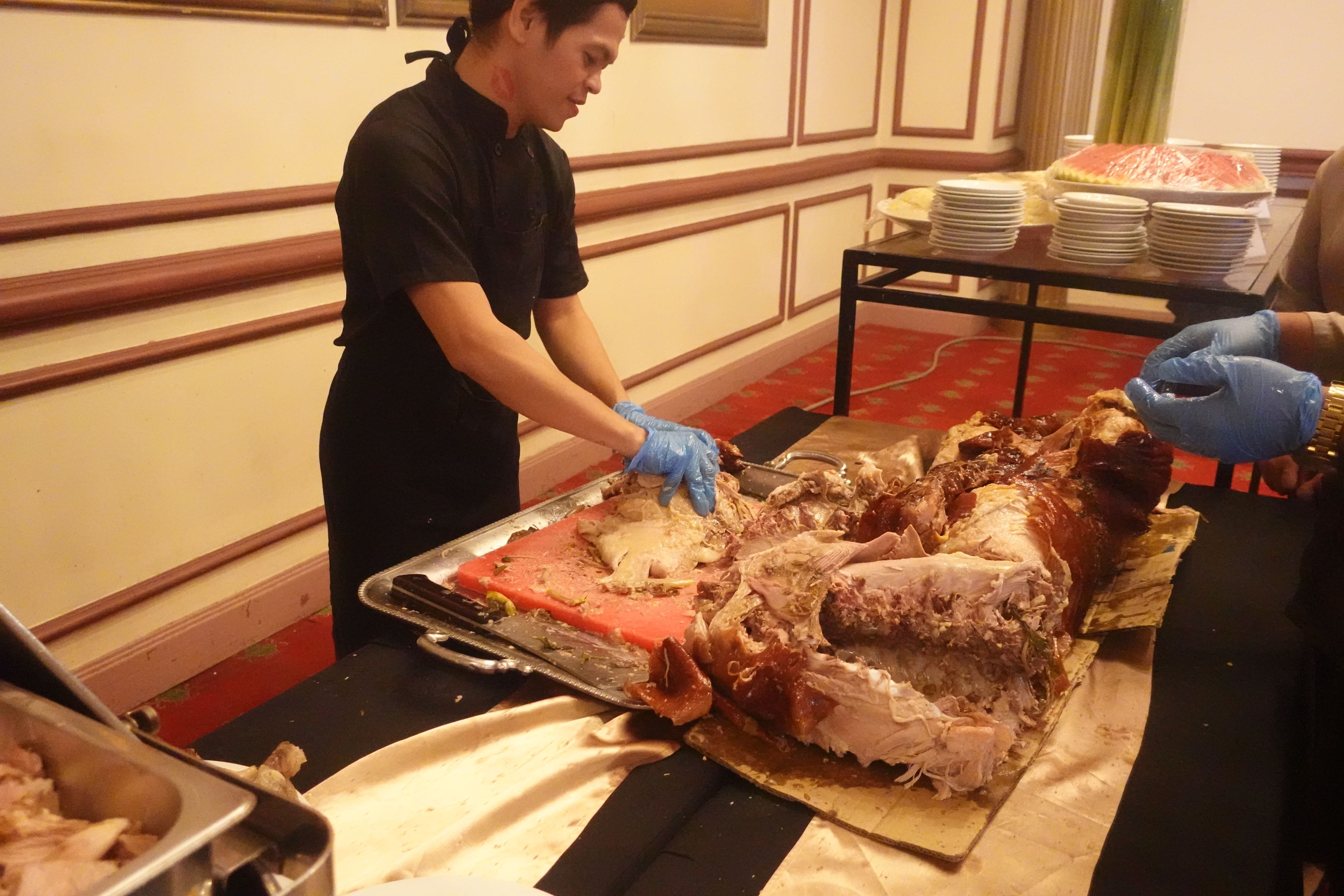
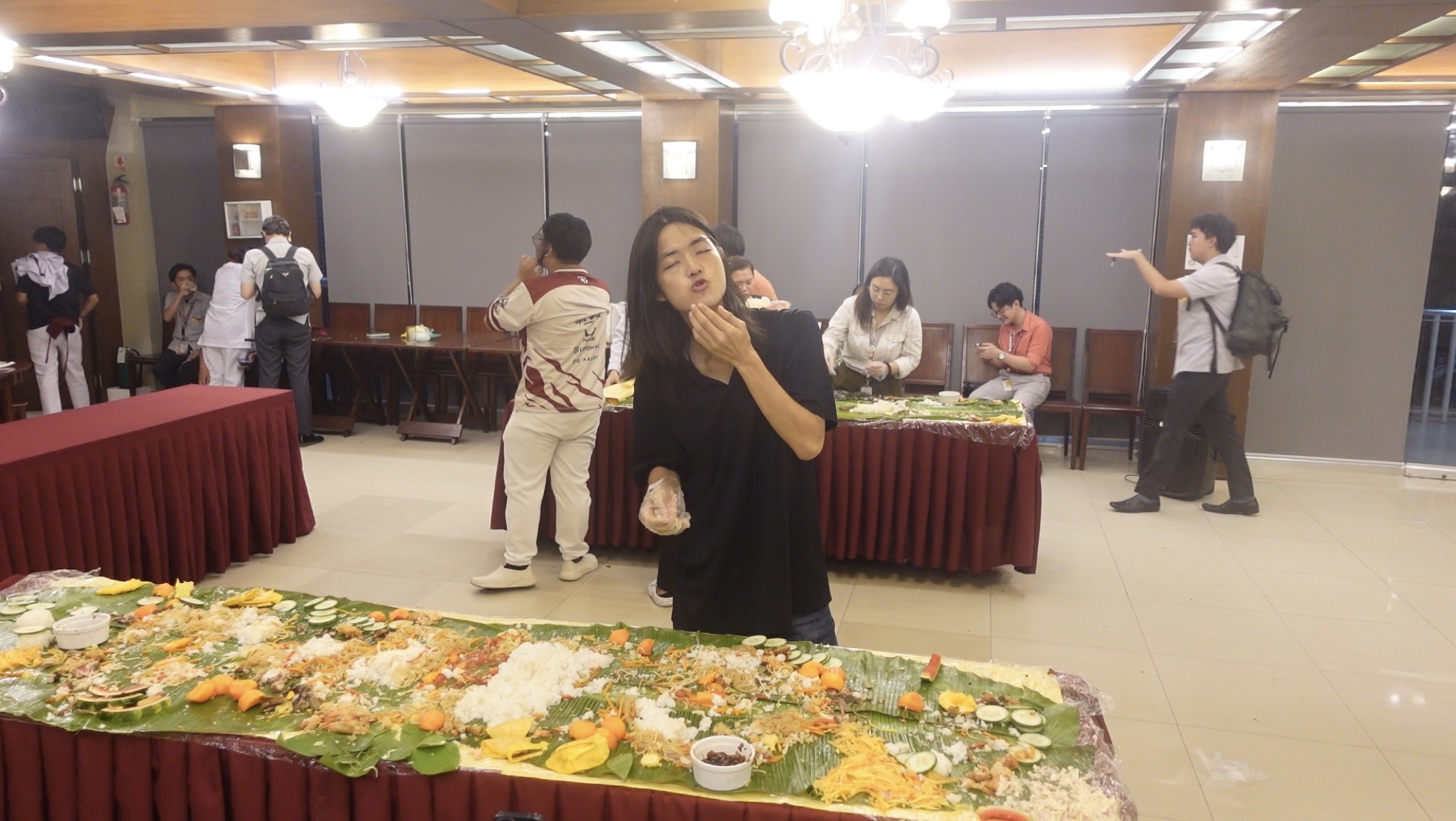
I thought I was being invited to a Boodle Fight.
I wasn't prepared for what was happening behind it.
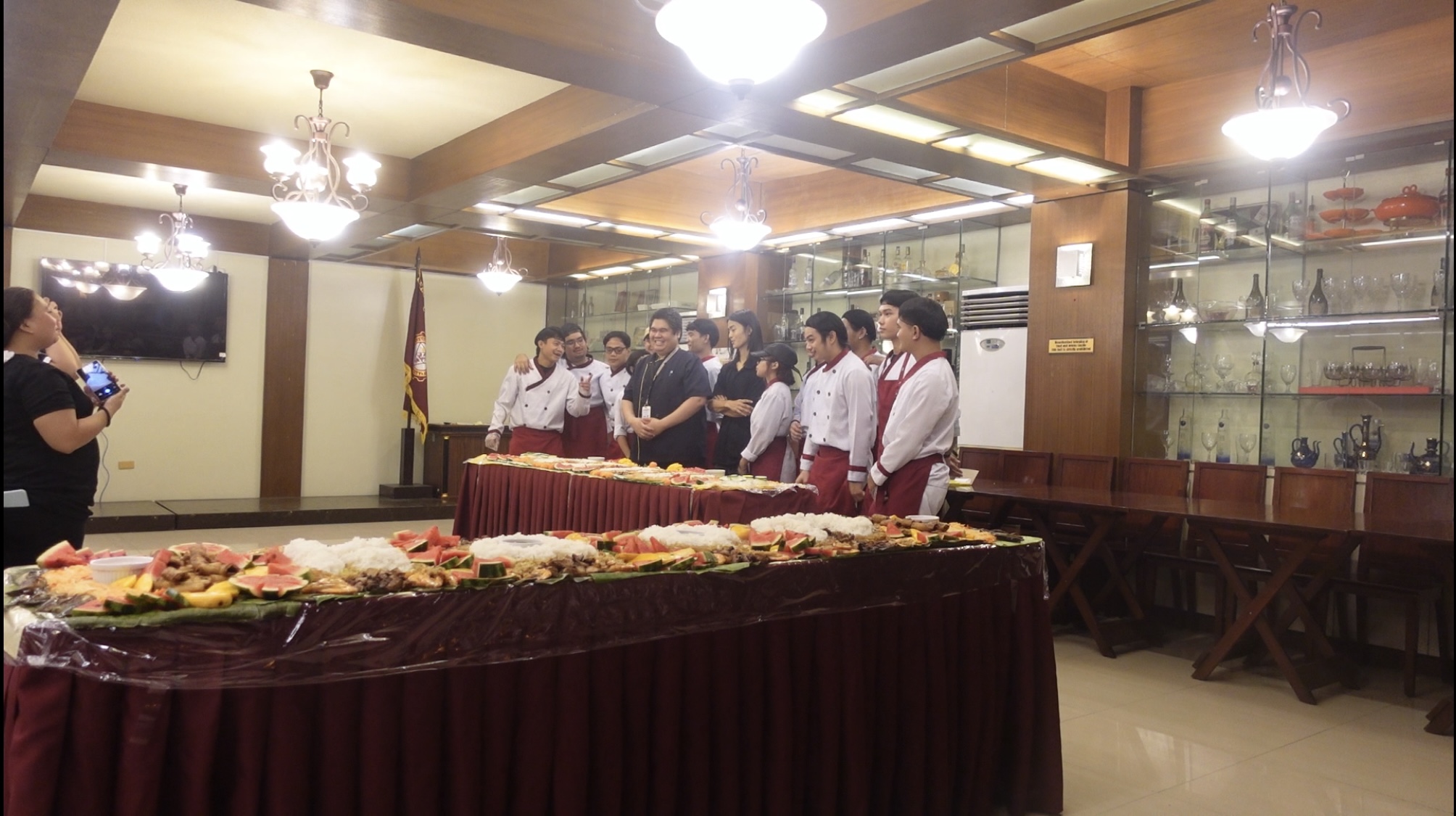
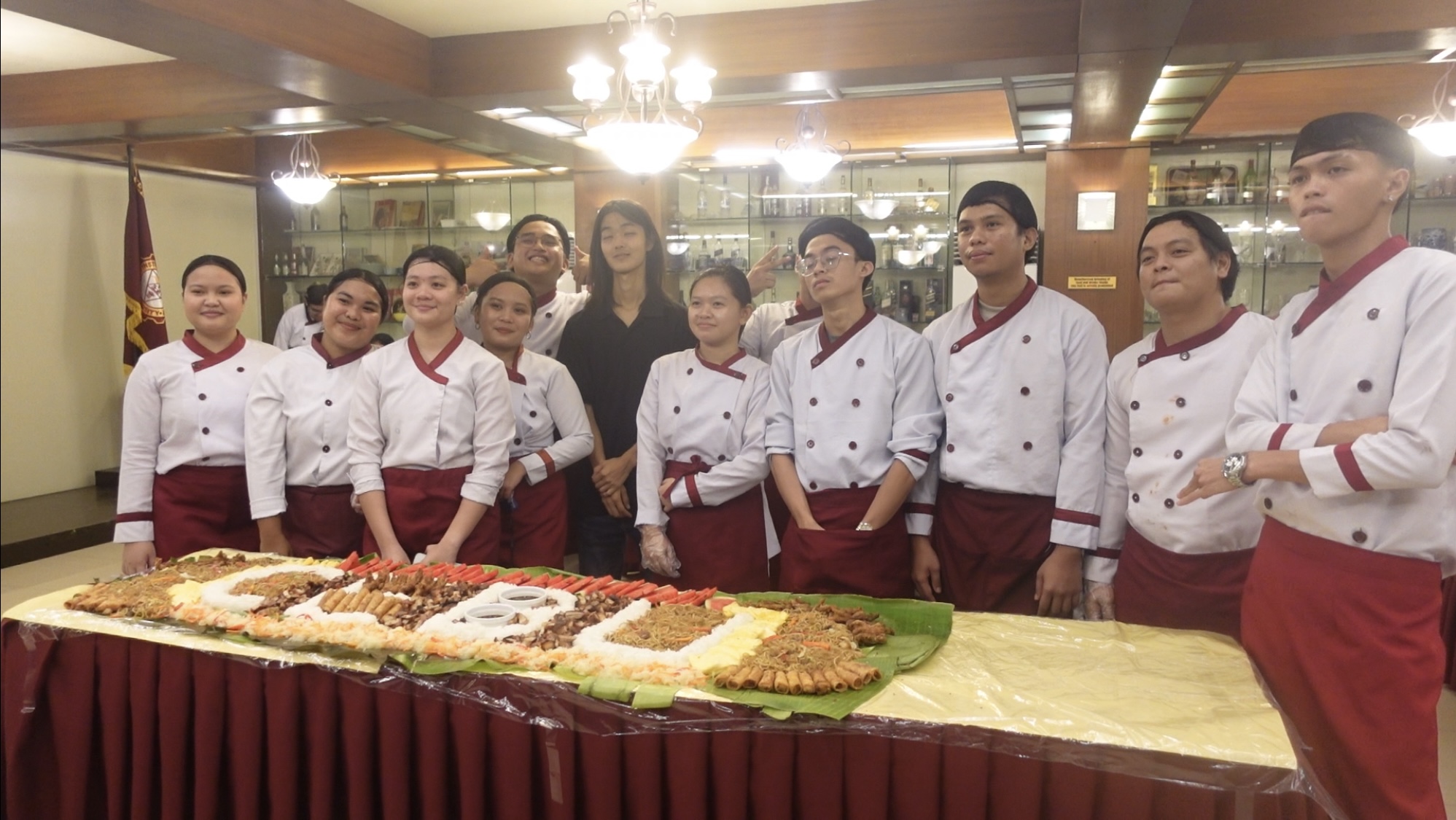
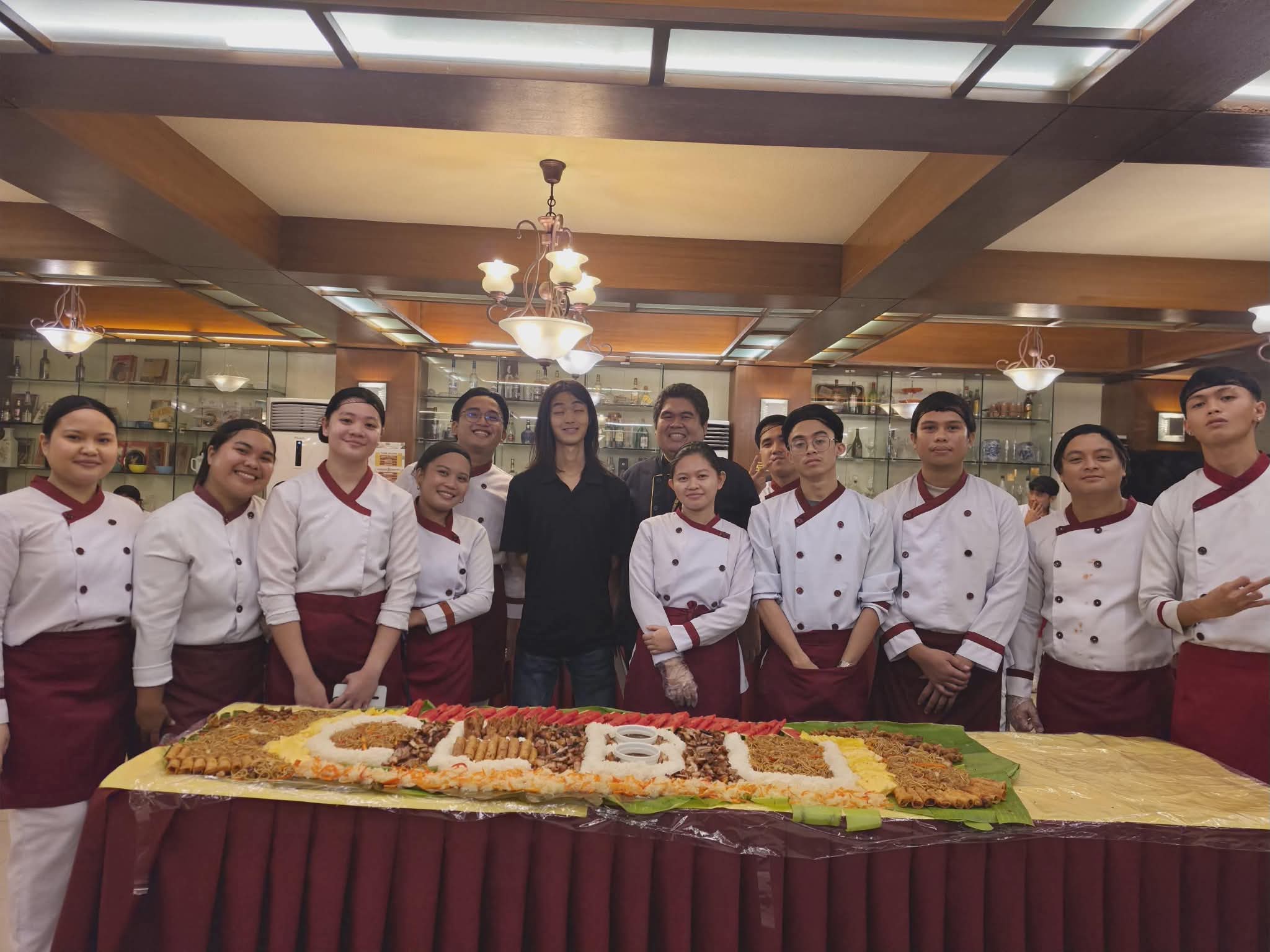
Yesterday, Cebu Institute of Technology - University invited me to watch one of their Hospitality Management final exams.
I expected a meal.
Instead, I walked into pressure.
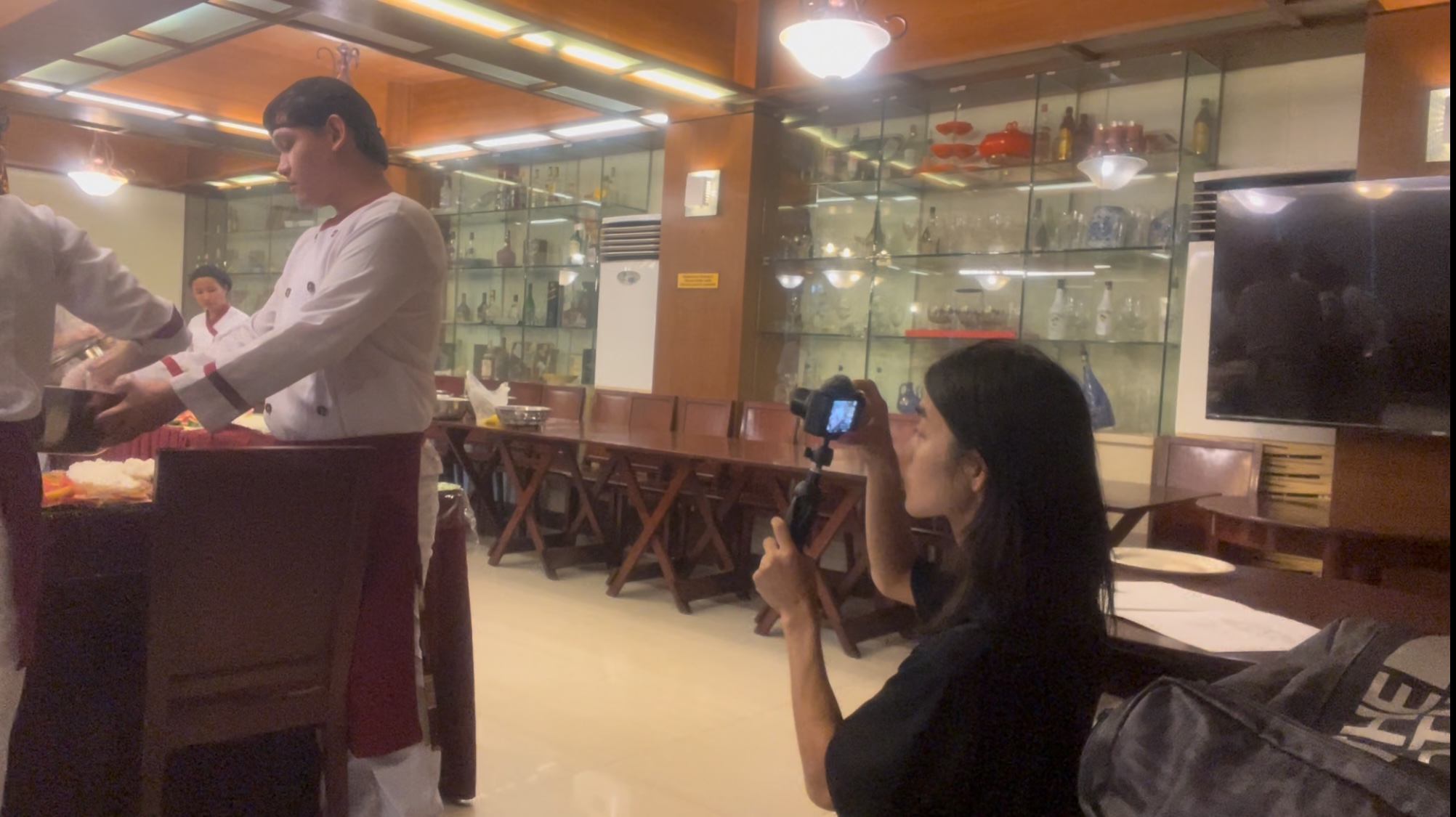
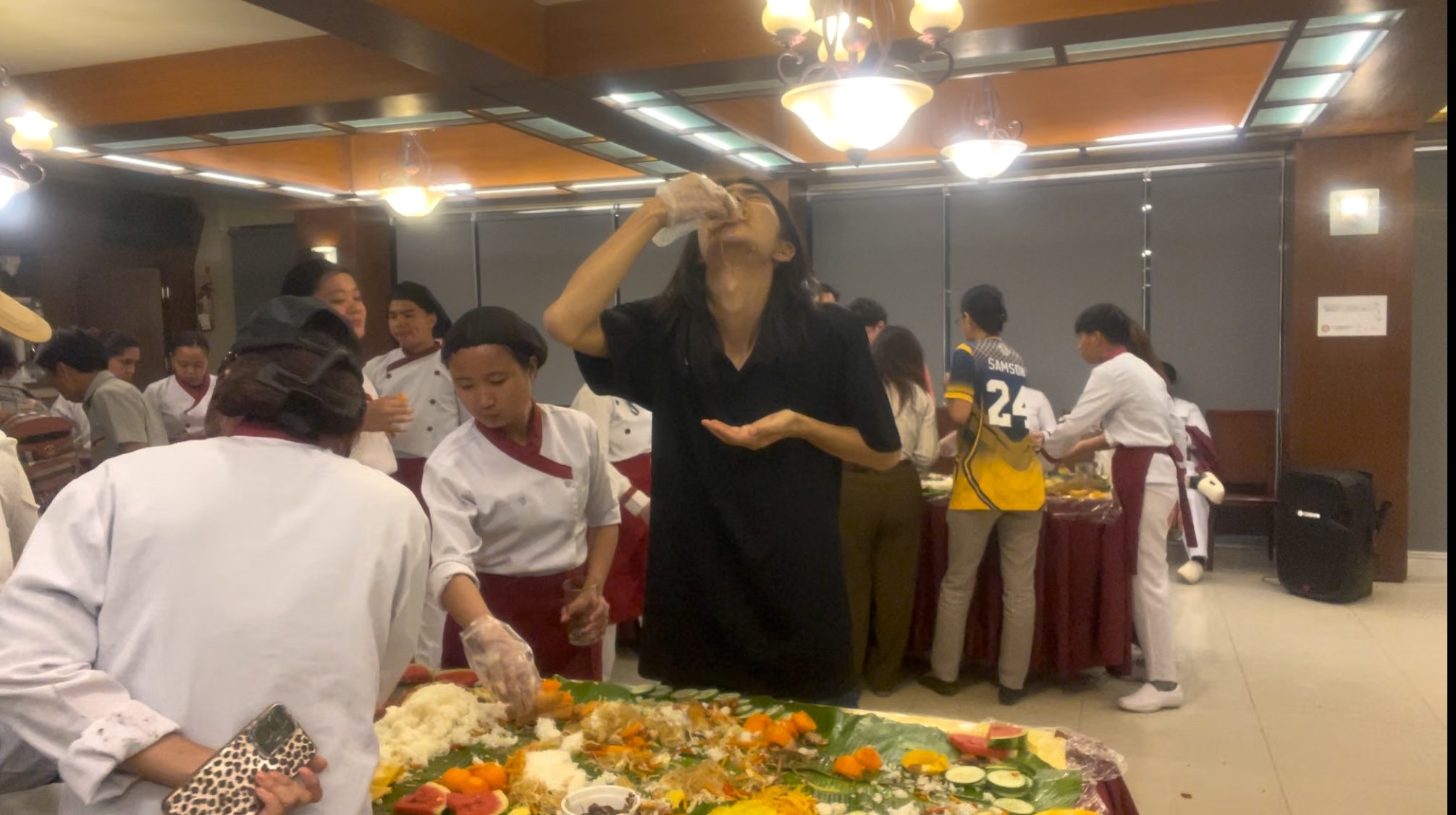
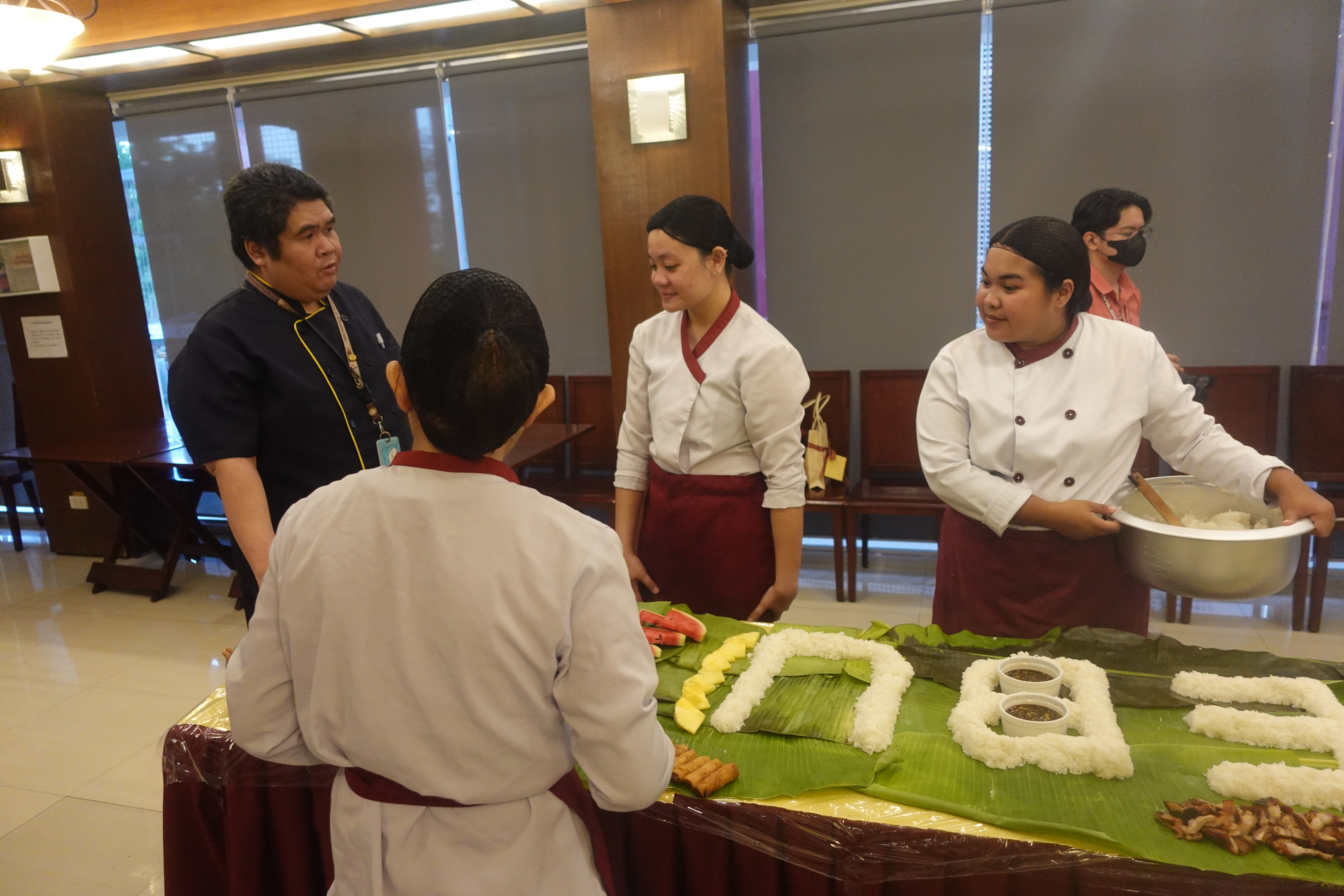
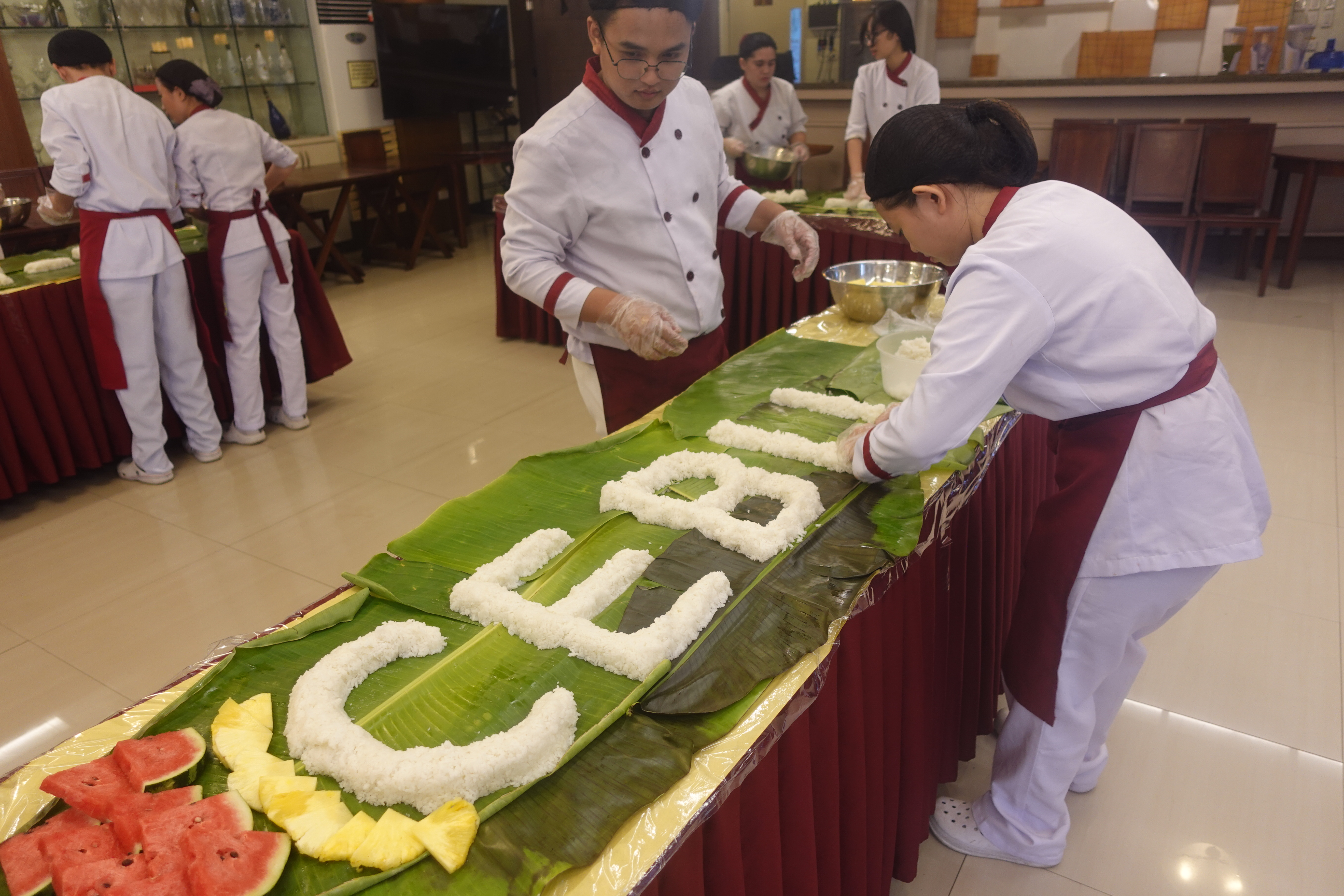
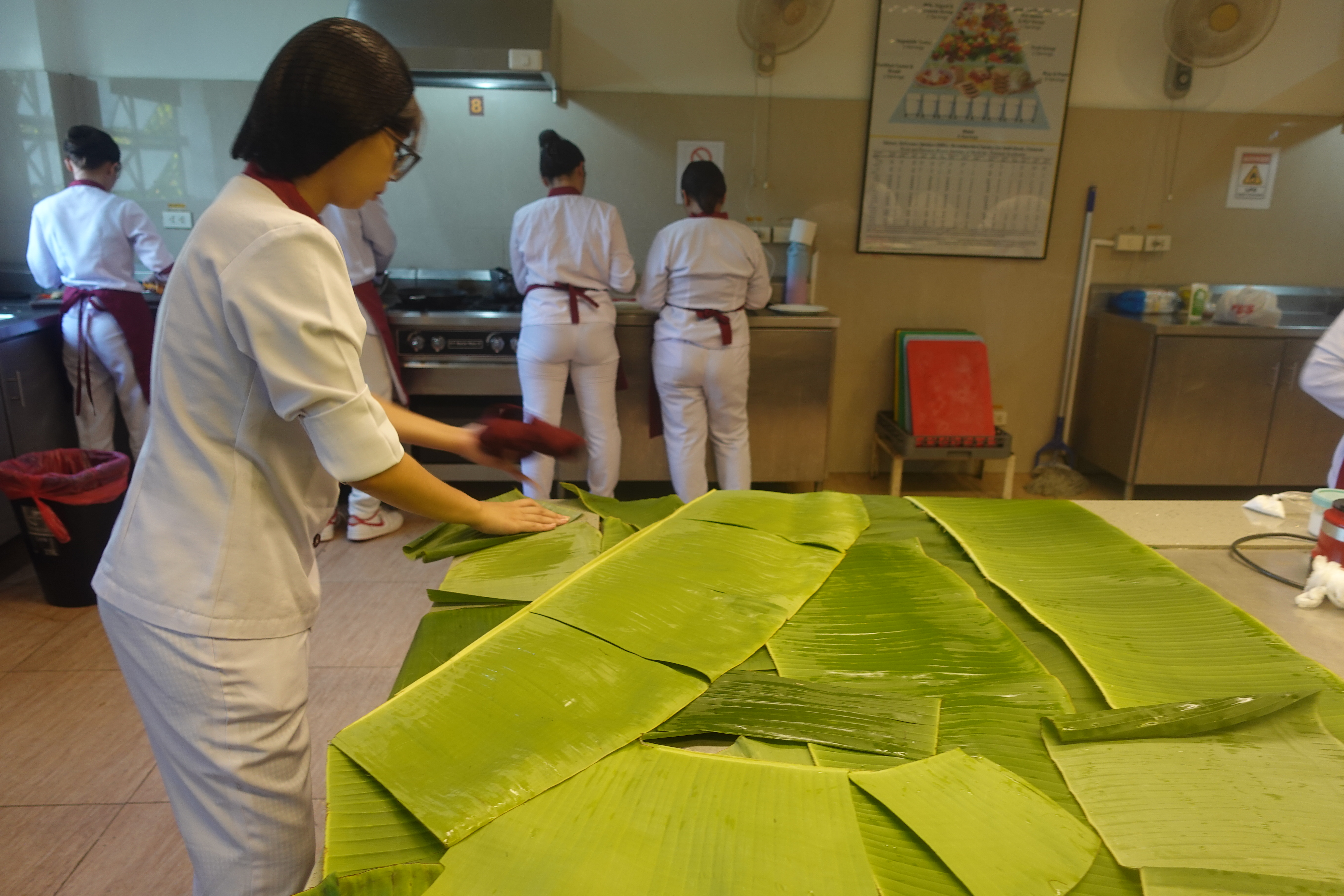
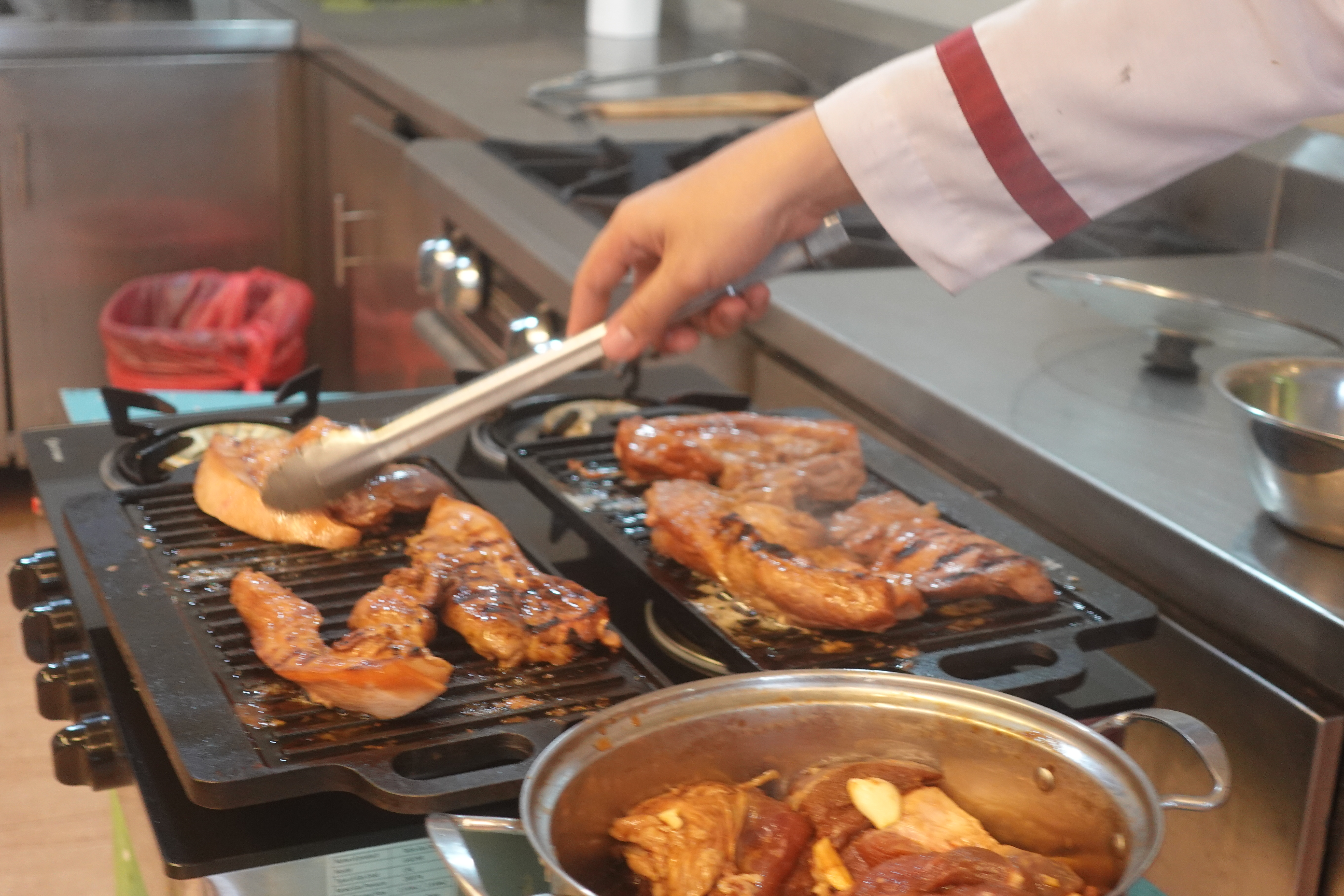
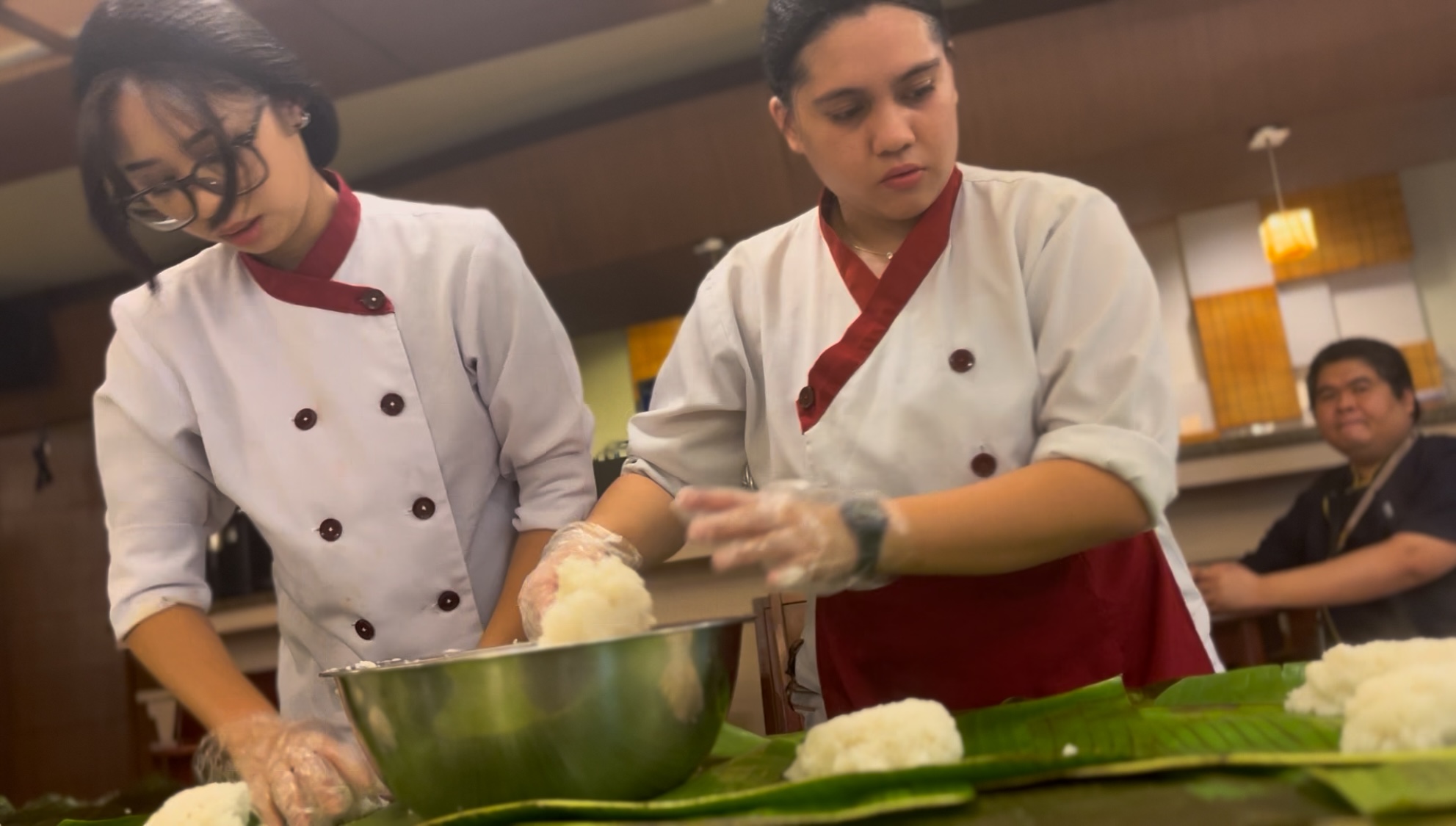
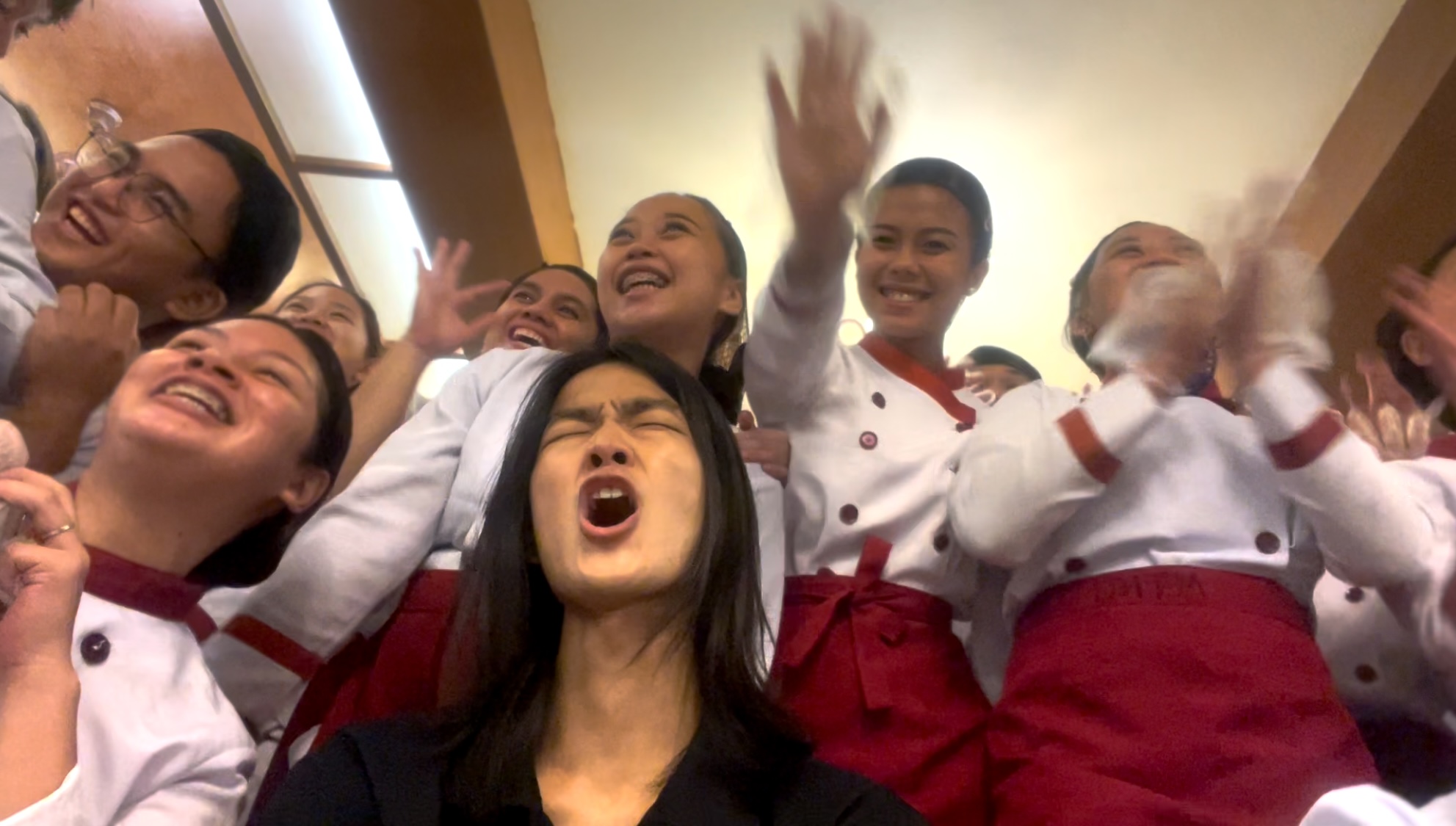
Inside the kitchen, students were rushing between trays of food and banana leaves while professors watched every movement carefully.
Some looked nervous. Some looked exhausted.
And suddenly I realized—
the hospitality I feel every day in the Philippines doesn't just appear out of nowhere.
There's discipline behind it. Training behind it. Pride behind it.
Almost 3 years in Cebu, and I had never actually experienced a real Boodle Fight before.
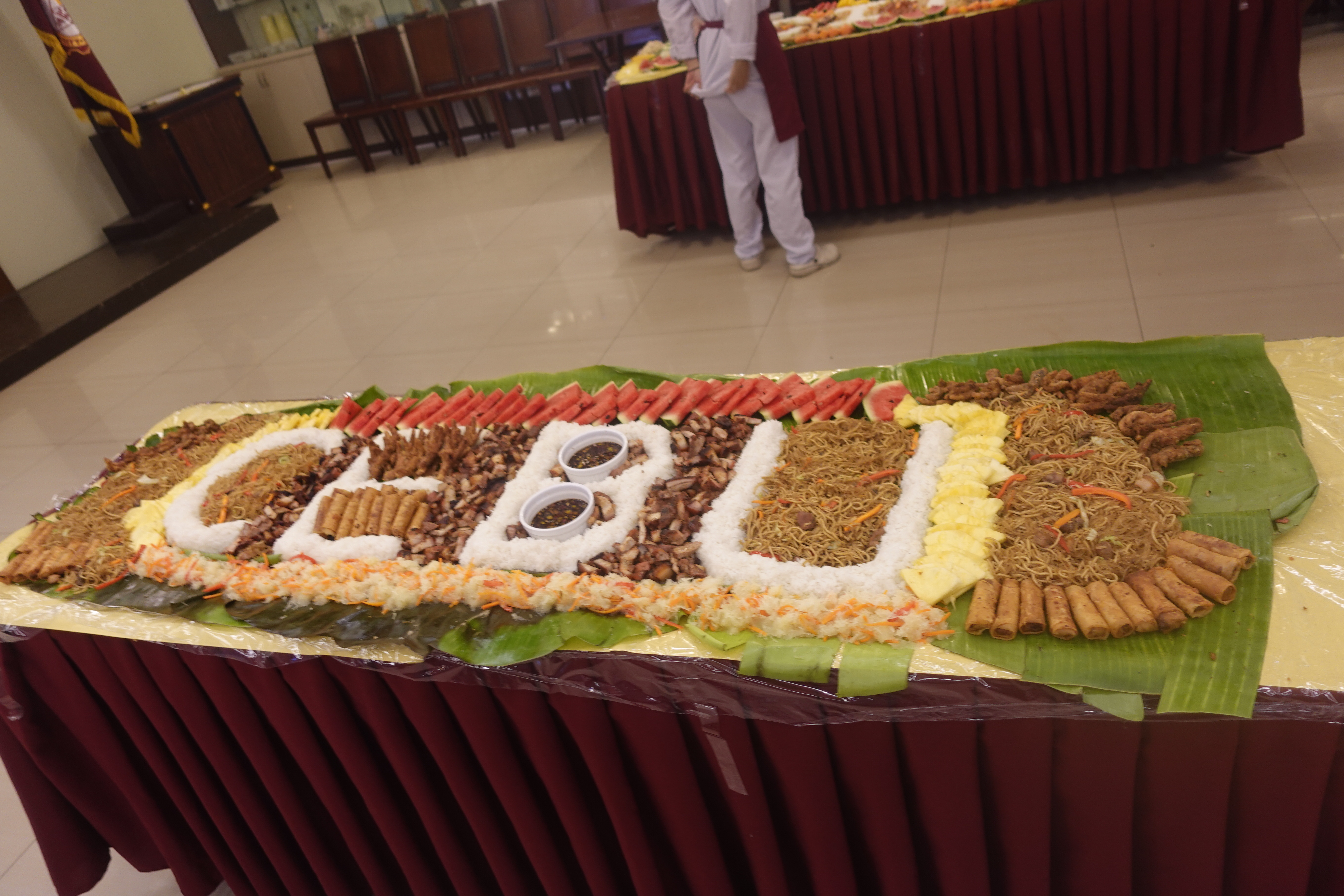
I'd seen photos. Seen banana leaves covered in food.
But I never understood what it actually meant.
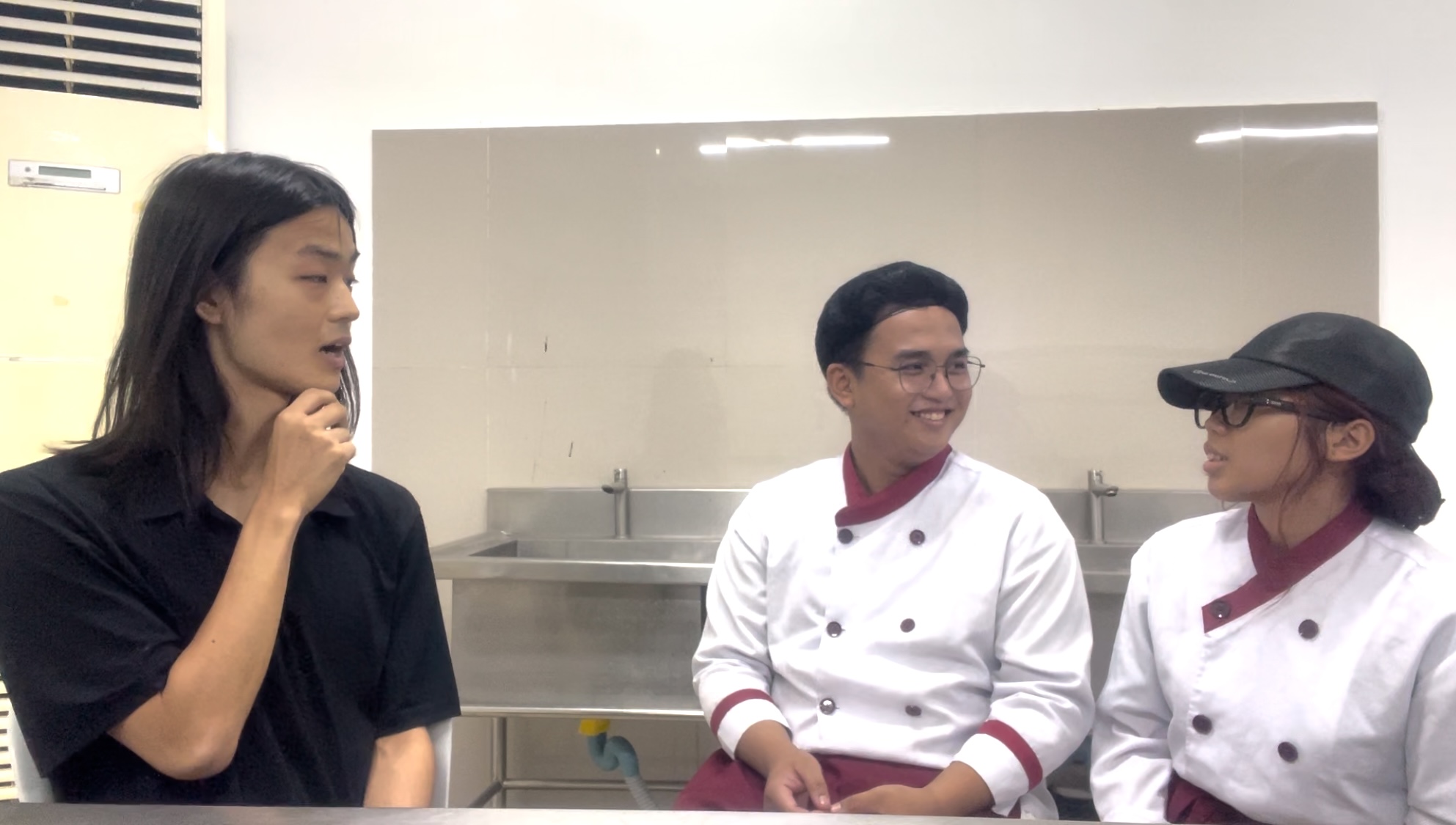
So I started asking questions.
"What are you fighting in Boodle Fight?" 😂
I honestly thought maybe people competed against each other.
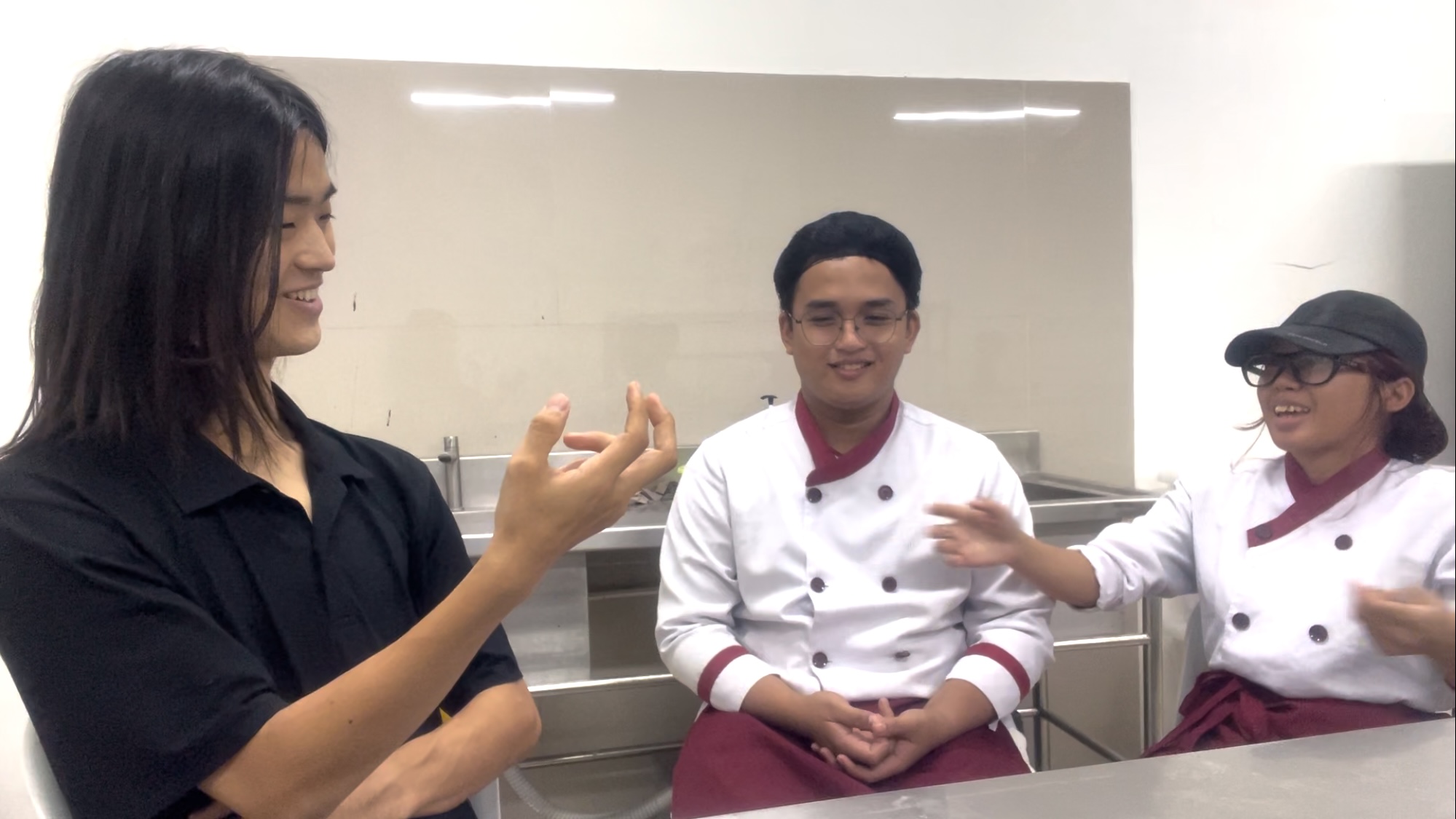
The students laughed and explained:
"It's military style."
They told me soldiers used to eat this way during wartime because it was faster and easier to eat by hand together.
That instantly changed how I saw it.
The hands. The sharing. The lack of plates. The closeness.
None of it was random.
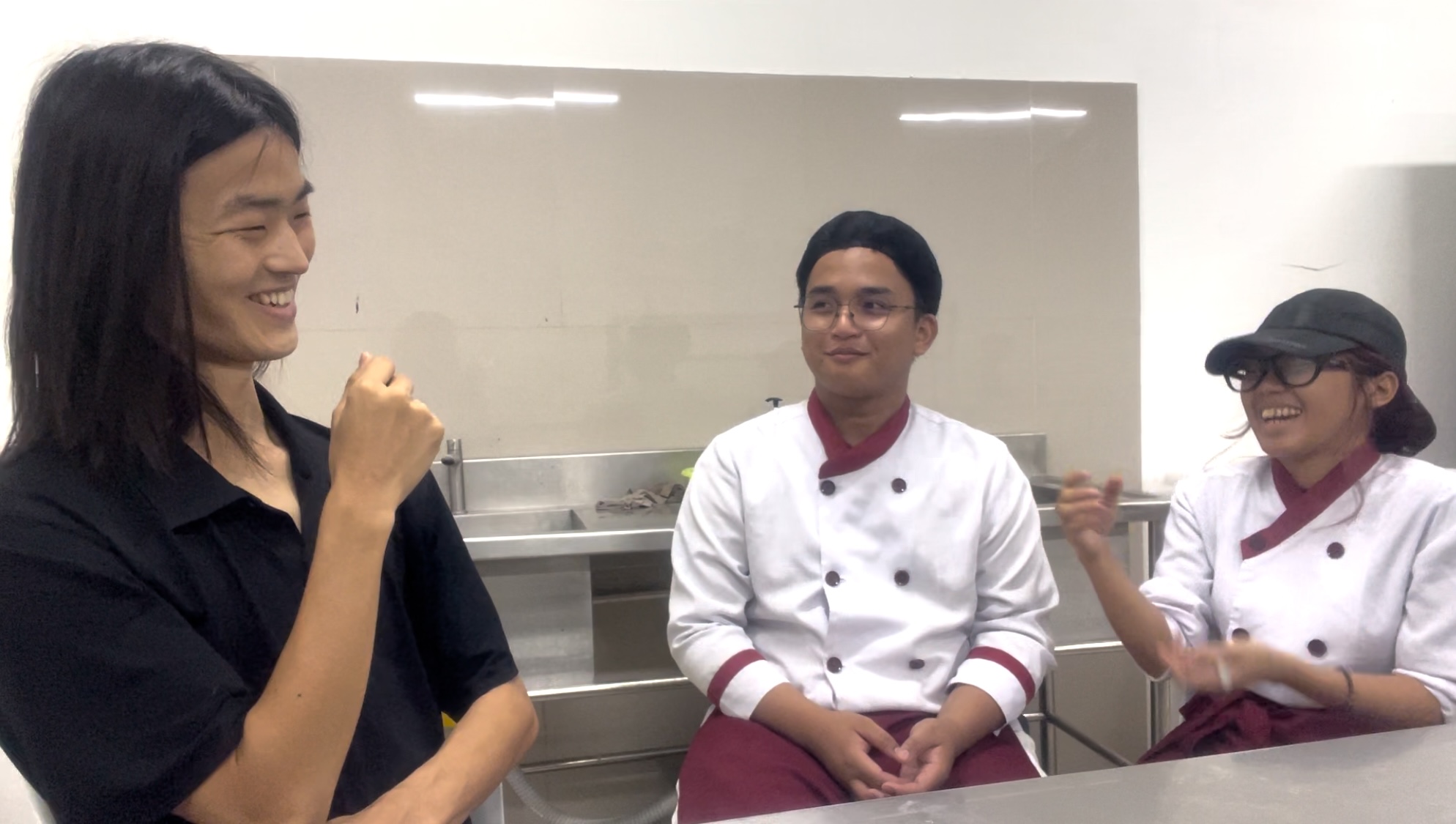
Then I asked why eating together matters so much here.
One student answered:
"Because we want to share time together."
That stayed in my head.
In Japan, many people protect personal space while eating. Solo meals are normal.
But here, they explained something called "salo-salo"— eating together as a group.
And suddenly Boodle Fight made more sense.
It wasn't really about the food.
It was about gathering.
About removing distance between people.
I also asked them what "hospitality" means to them as Hospitality students.
One answer really affected me:
"Hospitality means welcoming people generously — even people unfamiliar to us."
Maybe that explains something I've been feeling for years here.
Because so much of the kindness I've experienced in Cebu came from people who had absolutely no reason to welcome me…
but still did.
Yesterday, I thought I was attending a food event.
Instead, I ended up learning something deeper about why Filipino hospitality feels different.
Still learning. Still exploring.
One conversation at a time.
Daghang salamat CIT-U 🙏
When I first stepped into the CIT-U kitchen, I genuinely couldn't tell whether I was watching a rehearsal or a breakdown. The noise, the steam, the faces locked in concentration — it was organized chaos in its purest form. Professors circled like hawks. Students moved fast but said little. There was something almost sacred about the pressure in that room.
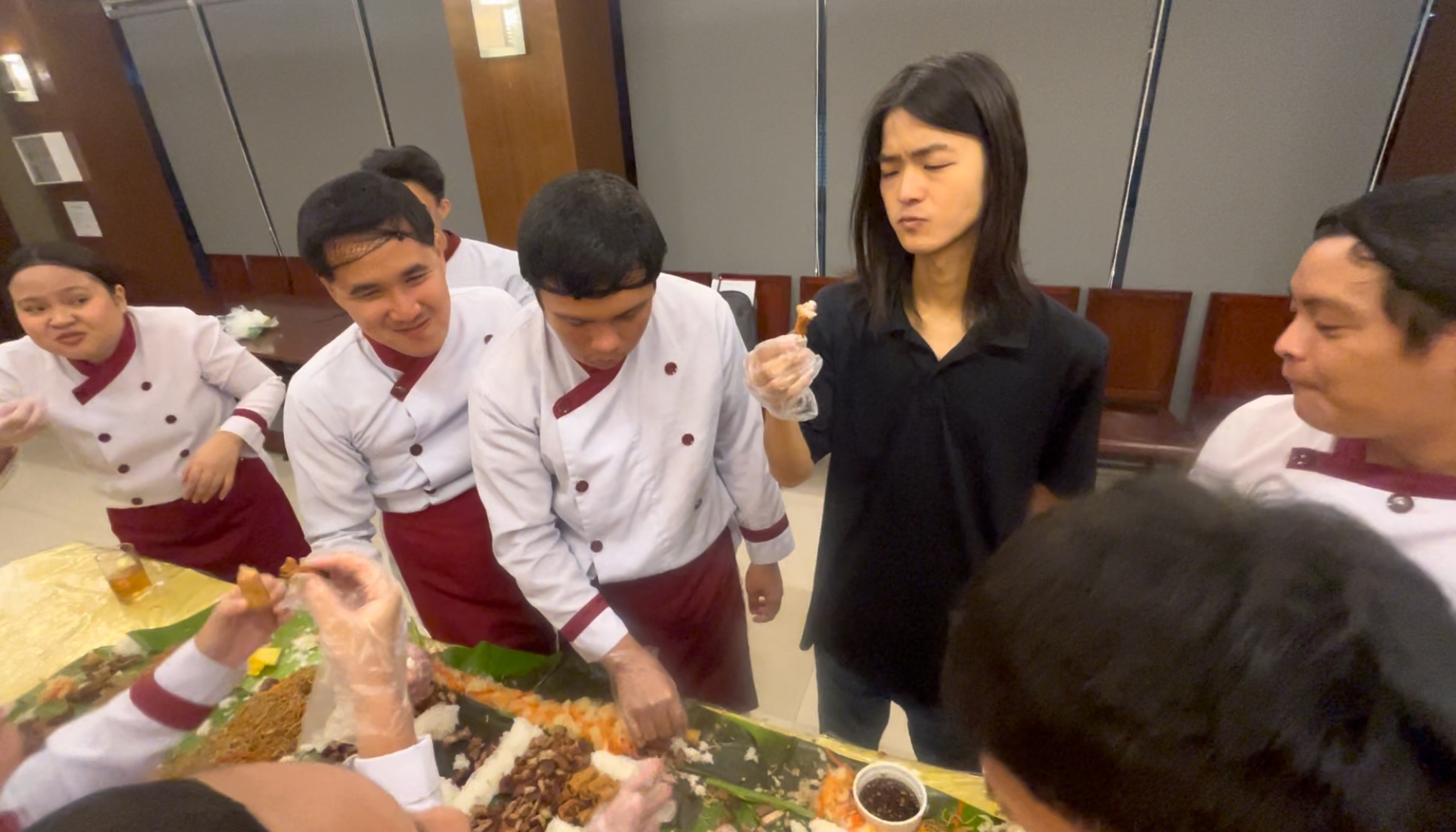
What I hadn't anticipated was what happened the moment the food left the kitchen. The same professors who'd been stone-faced and clinical — the ones whose silence had felt like judgment — suddenly broke into wide, easy smiles the second the banana leaves were spread. The contrast was jarring. Almost theatrical. But it wasn't performance. It was just what Boodle Fight does to a room. It physically closes the gap between people.
Something I keep thinking about: Filipino food culture may not just be about sustenance — it's about engineered closeness. No utensils means hands in the same pile. No individual plates means no invisible borders. The military origin makes sense in retrospect — when survival depends on cooperation, you build rituals that force people together. Boodle Fight is that ritual, preserved and passed down long after the wartime need disappeared. It endured because the need it fills — the need to belong — never went away.
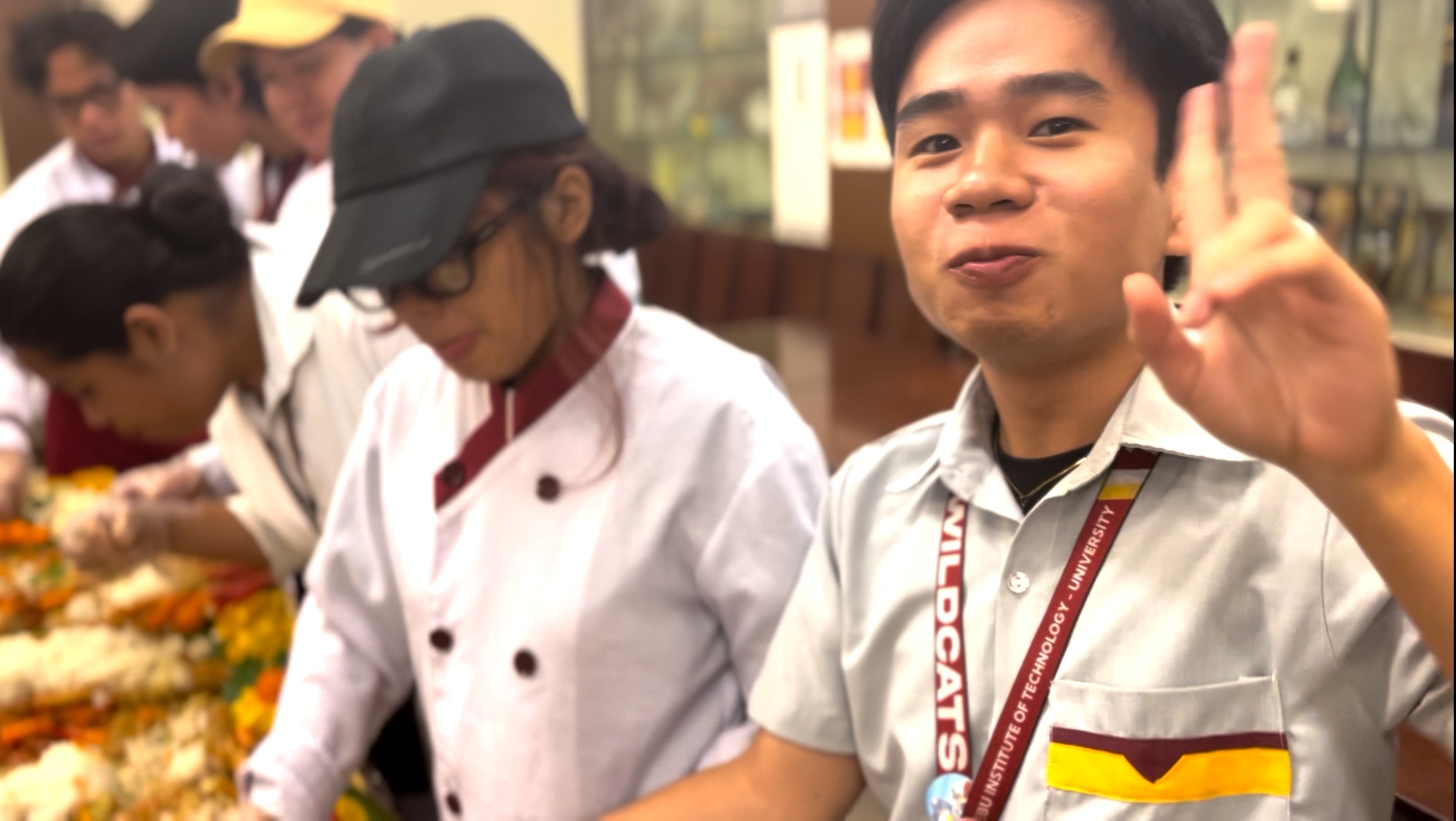
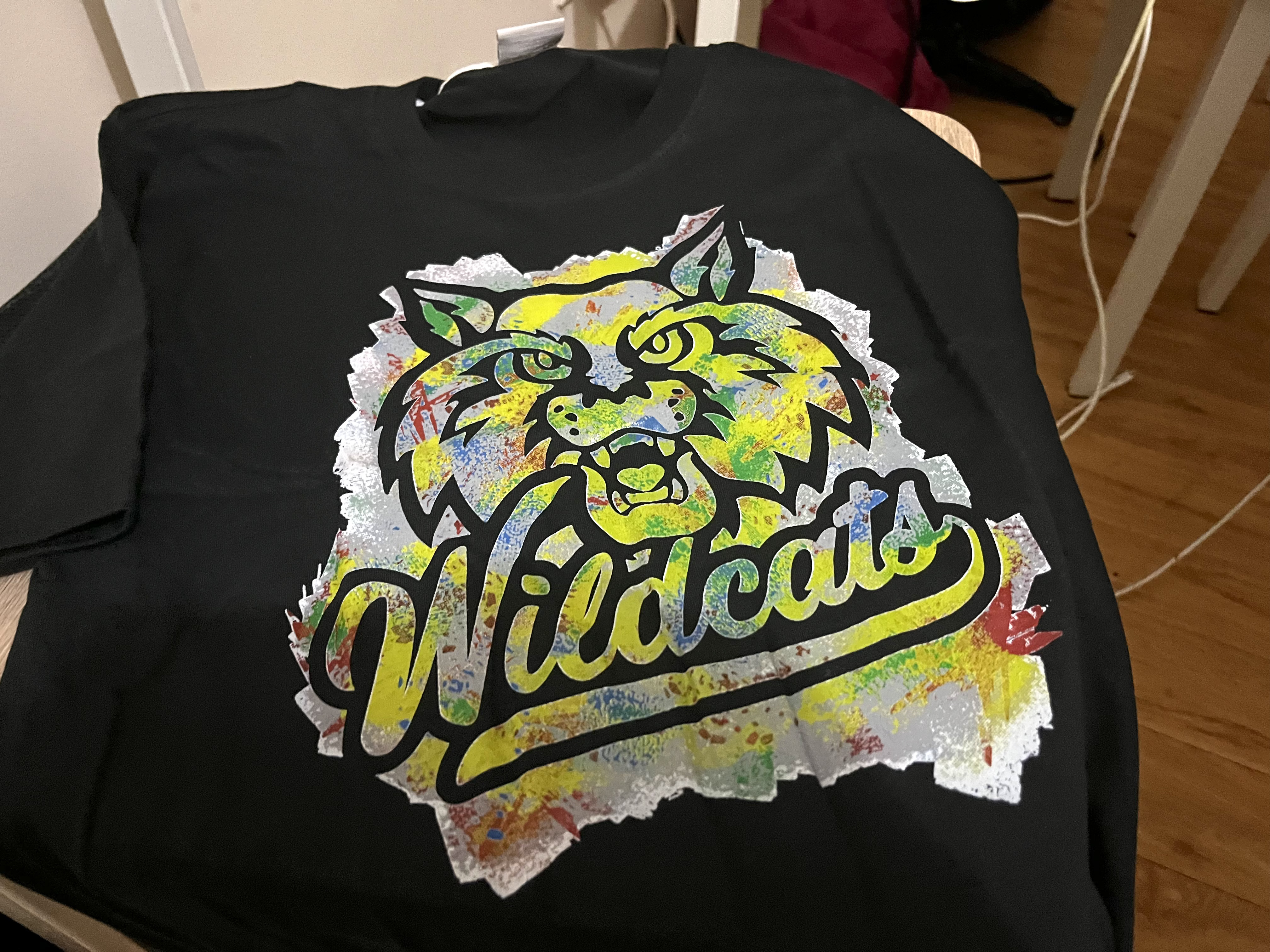
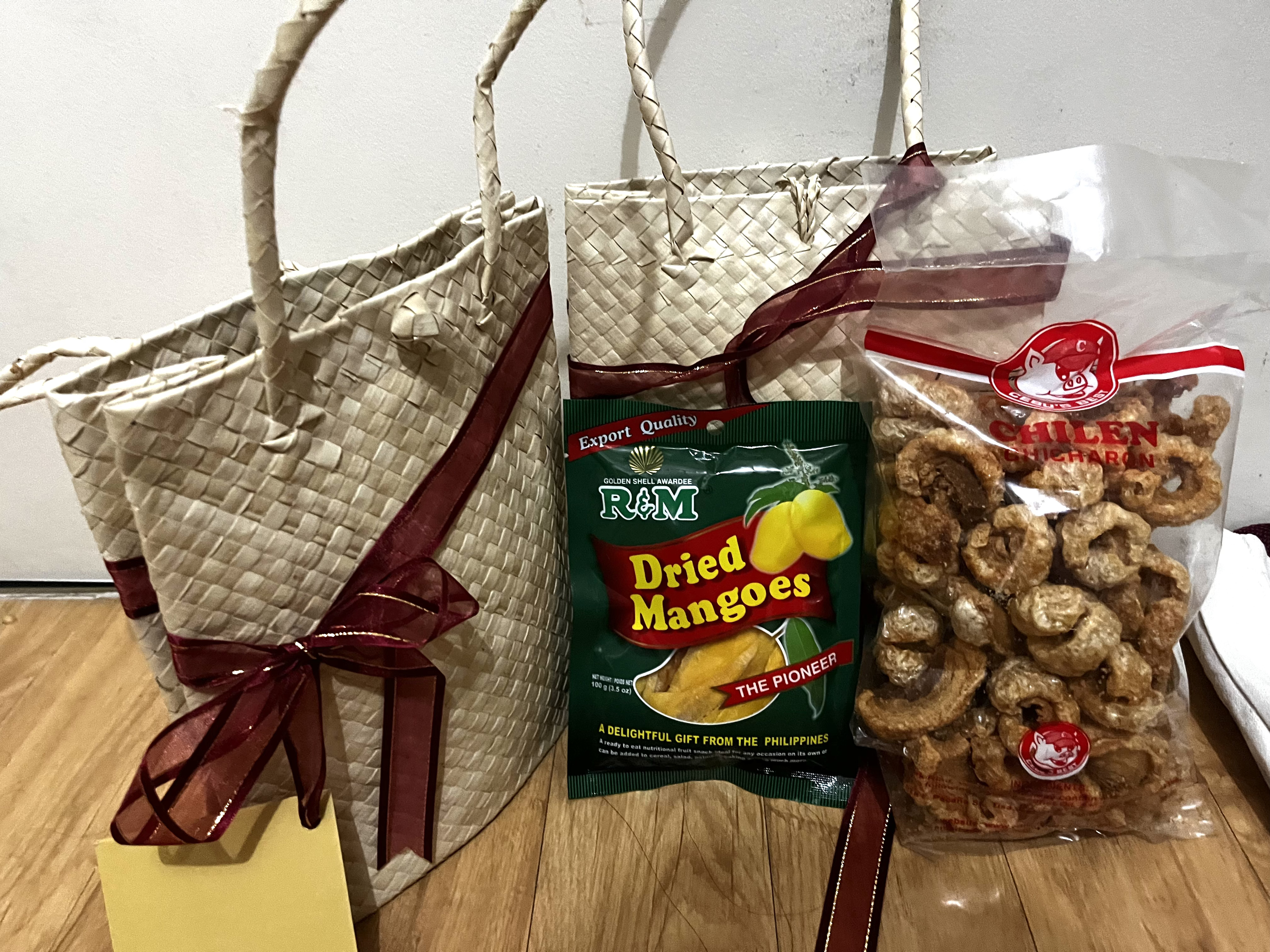
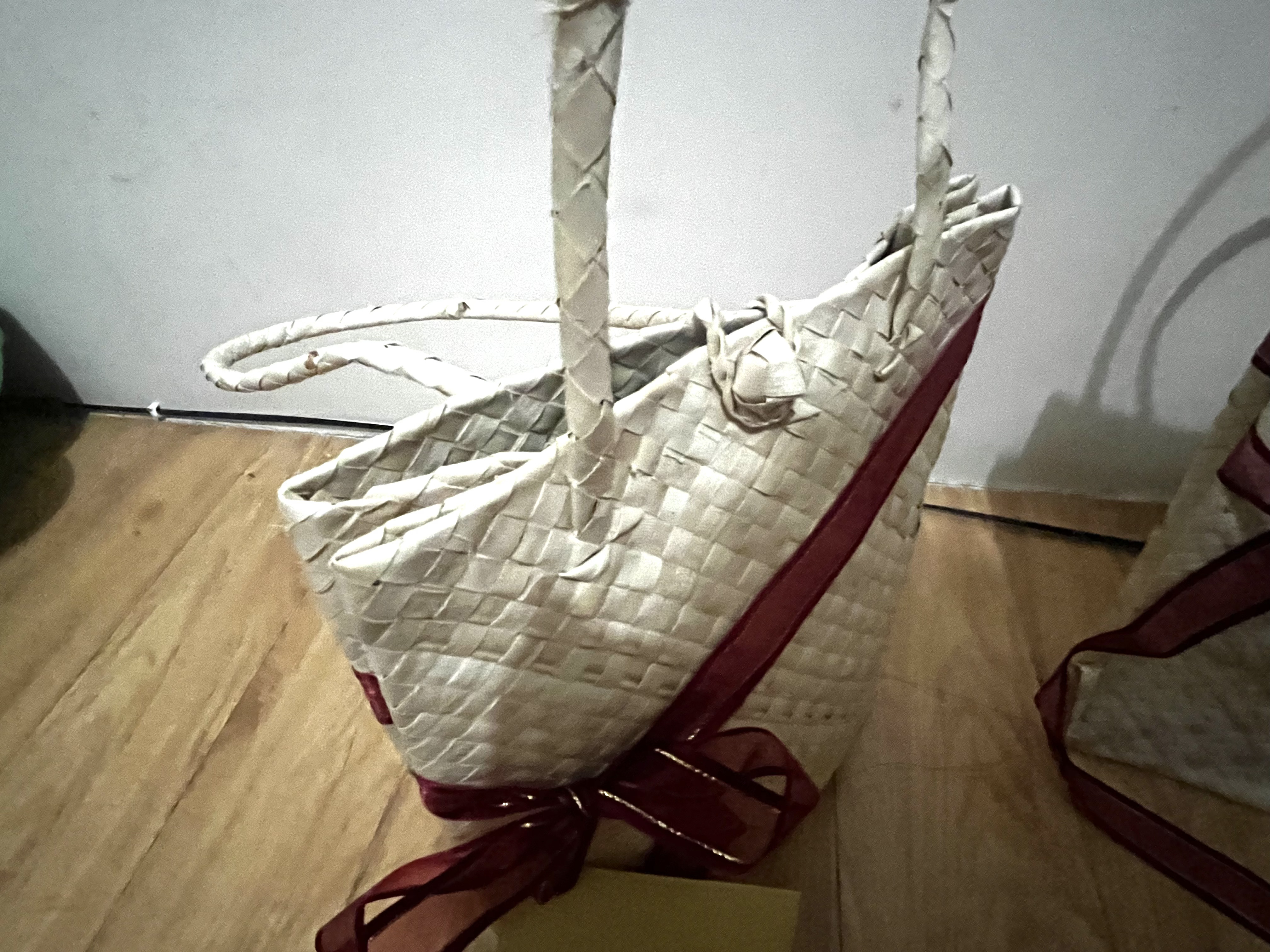
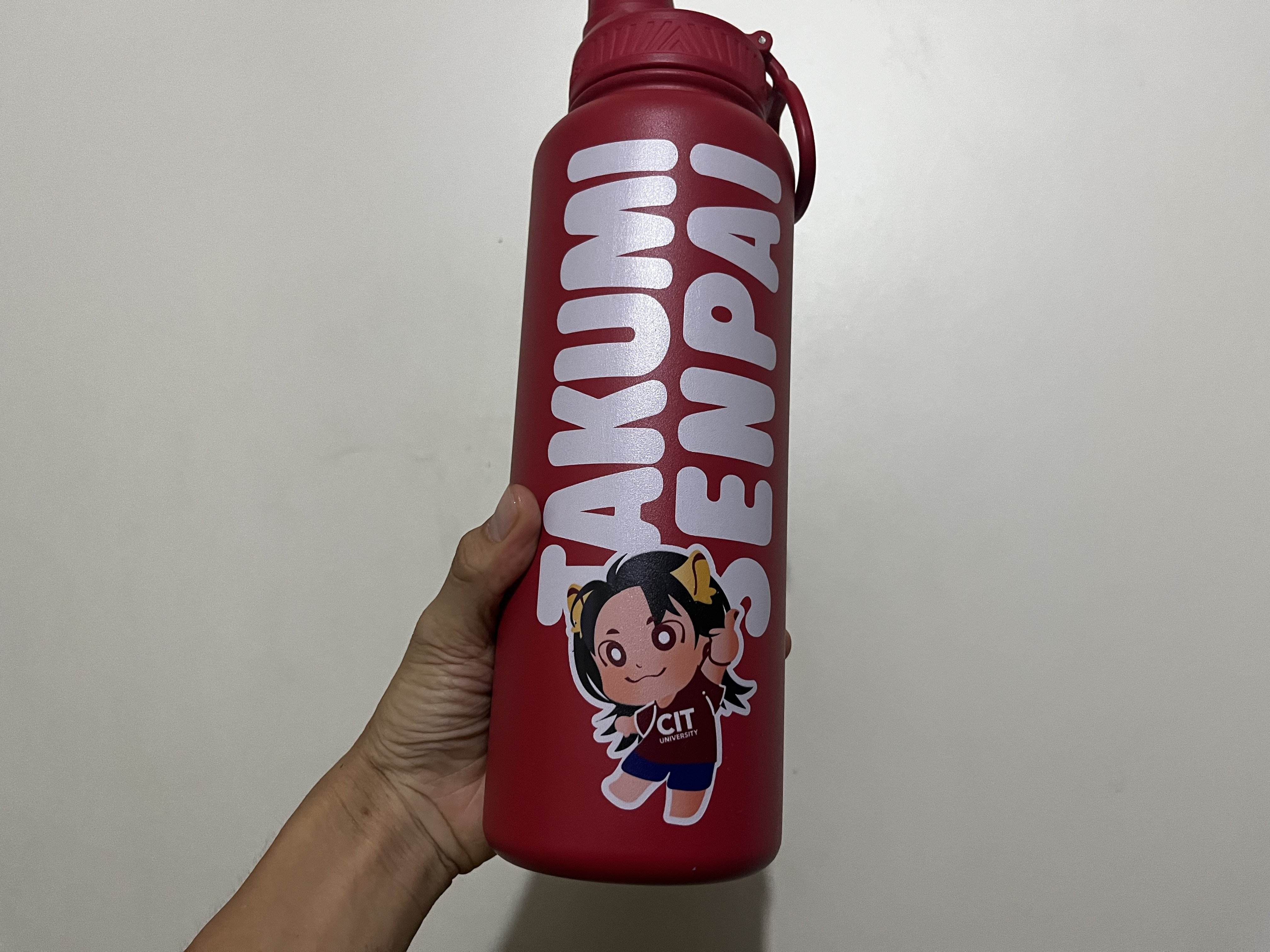
And CIT-U gave me something unexpected on top of all that: a limited-edition Wildcat t-shirt, a personalized bottle with my name on it, chicharón, and dried mango. I walked in thinking I was an observer. I left carrying gifts. That, maybe, is the most Filipino thing of all — making a stranger feel like they were the guest of honor all along.
Almost three years in Cebu, and I had somehow never sat at a Boodle Fight table. I'd seen photos. I'd filed it away as "a food thing." What I hadn't understood — what I couldn't understand until I was actually there, hands in the pile, surrounded by people I'd just met — is that Boodle Fight isn't really a food thing at all. It's a distance-closing mechanism. A structured act of trust.
When a CIT-U student told me that hospitality means welcoming even unfamiliar people generously, I realized she wasn't describing a professional skill set. She was describing something I'd been on the receiving end of for three years and still hadn't fully named. The kindness I've experienced in Cebu didn't come from people who had a reason to be kind to me. But what even is food culture? A boodle fight is food, but also a way of eating. When people gather around it, it becomes culture itself. I may only understand this more through future experiences.
Boodle Fight was never really about the food — no utensils, no individual plates, no invisible borders — it's a distance-closing mechanism, a wartime survival ritual that outlived the war because the need to belong never went away.
| Date | May 15, 2026 |
|---|---|
| Location | Cebu Institute of Technology - University, Cebu City |
| Event Type | Hospitality Management Final Exam (Boodle Fight) |
| Access Method | University Invitation |
| Food Featured | Boodle Fight, banana leaves |
| Cost to Attend | Free (invited guest) |
| Rarity | 🟨🟨🟨⬜⬜ — A Boodle Fight itself isn't rare, but being invited inside a university's final exam as an outside observer is an uncommon access point. |
| Bayanihan Index | ★★★★★ — The entire premise of Boodle Fight is collective eating by hand, no utensils, no borders. Pure communal spirit by design. |
I still don't fully know what "food culture" even is — a boodle fight is food, but it's also a way of eating, and when people gather around it, it becomes culture itself. I may only understand this more through future experiences.