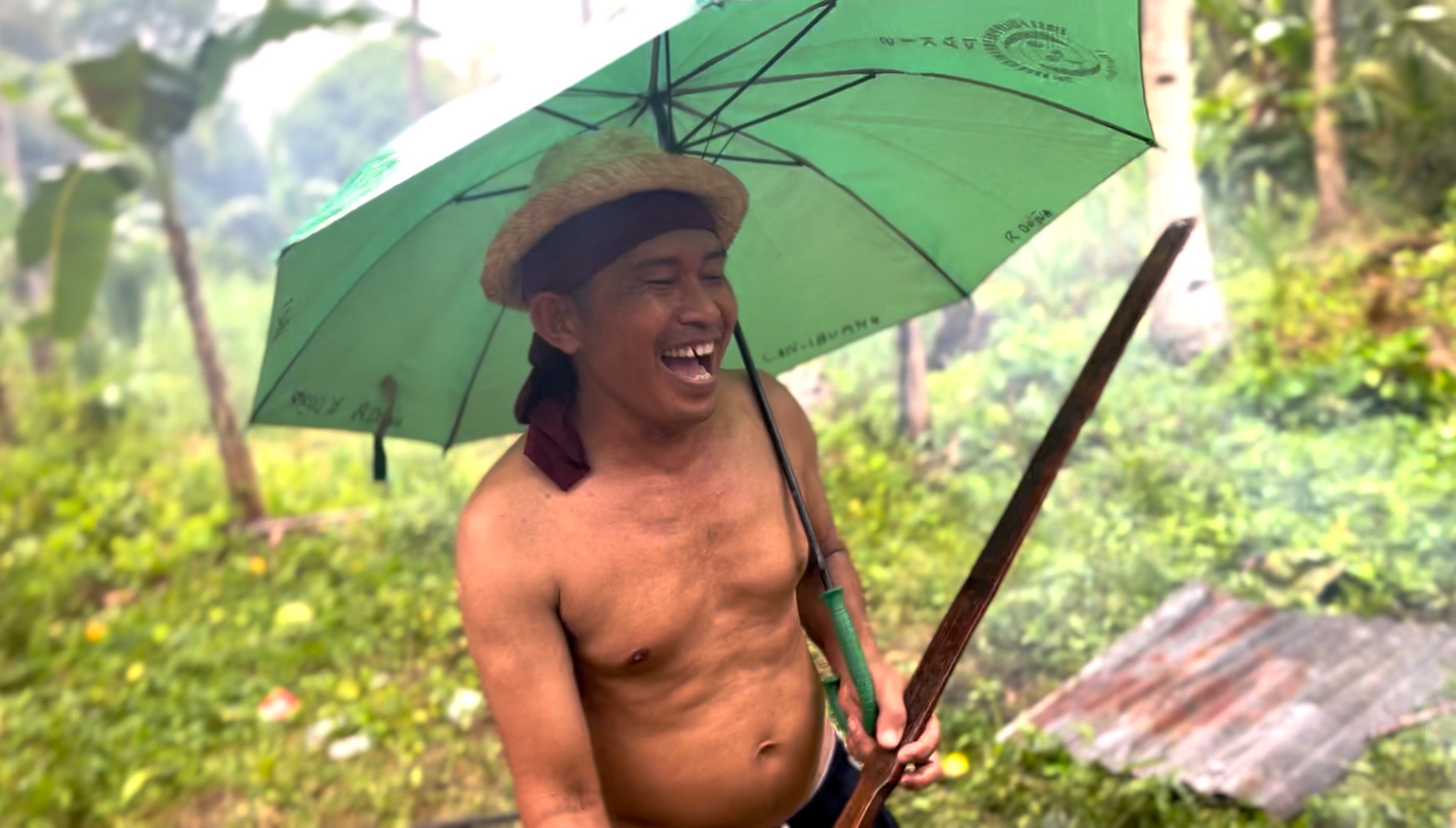
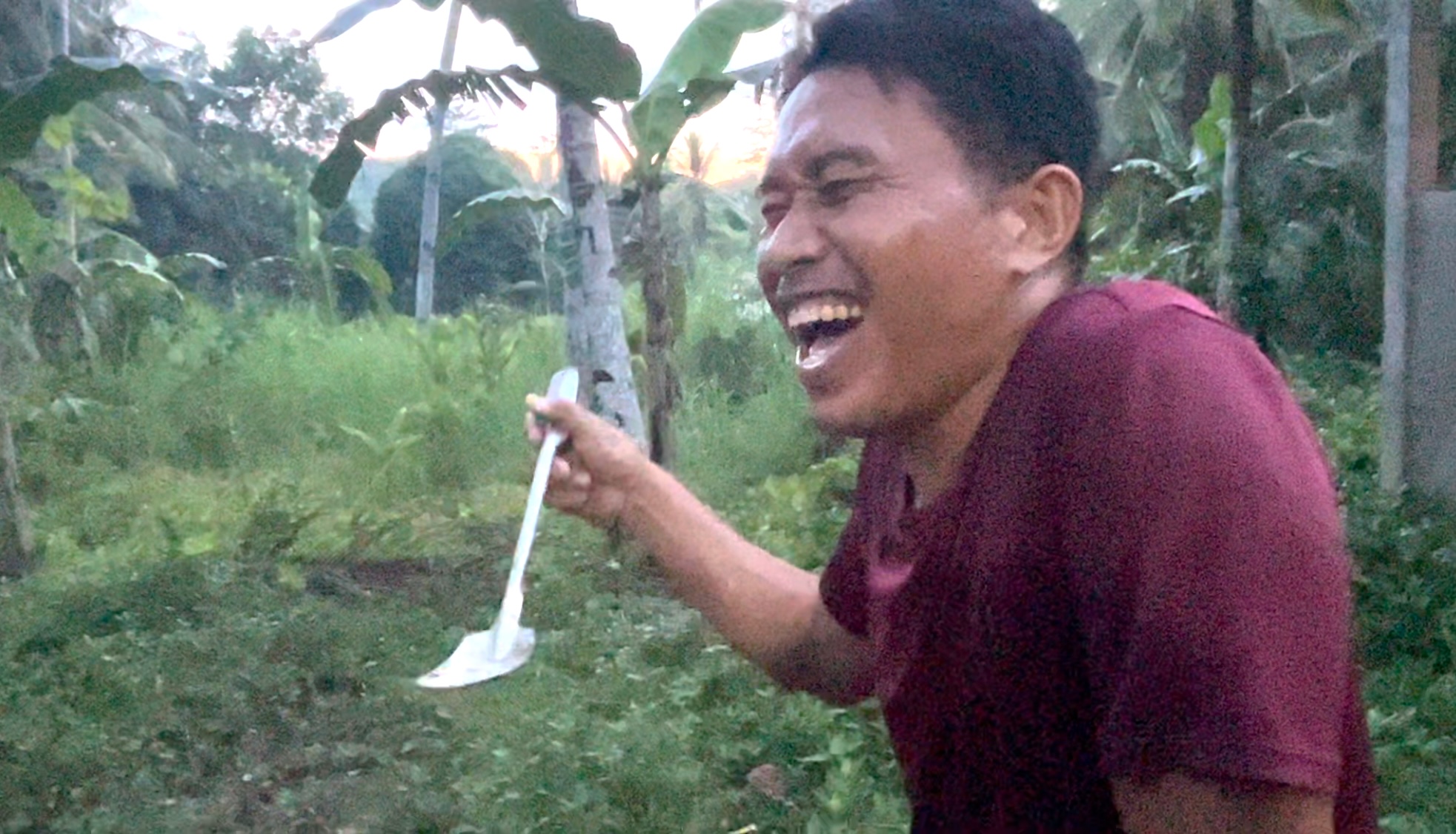
A few hours before the Can-Ibuang Fiesta started, it began to rain. I looked at the sky and said: "We cannot enjoy." Kuya laughed. "Enjoy the rain." Then he added something that stayed with me for the rest of the weekend: "I'm always laughing even if I have problems."
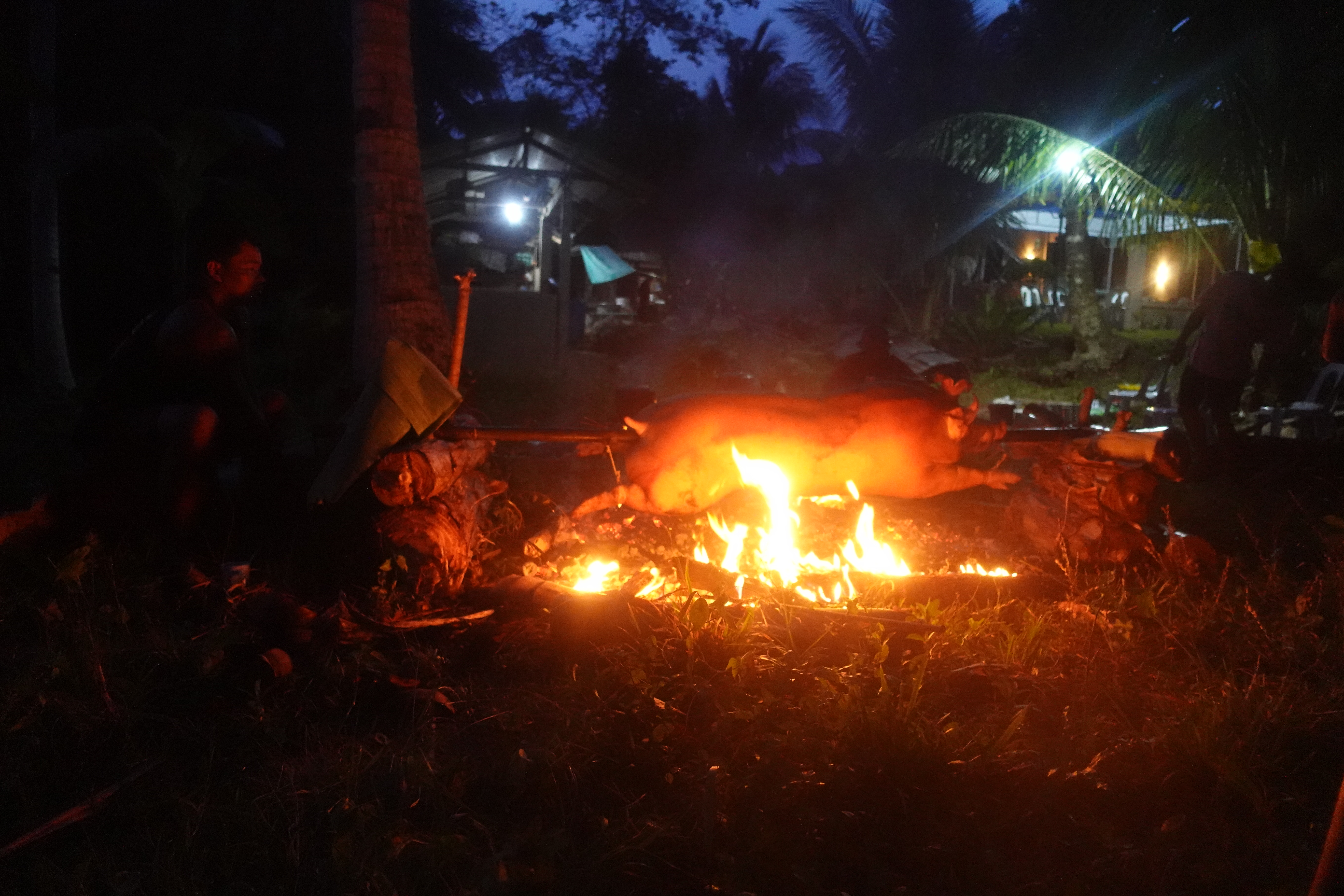
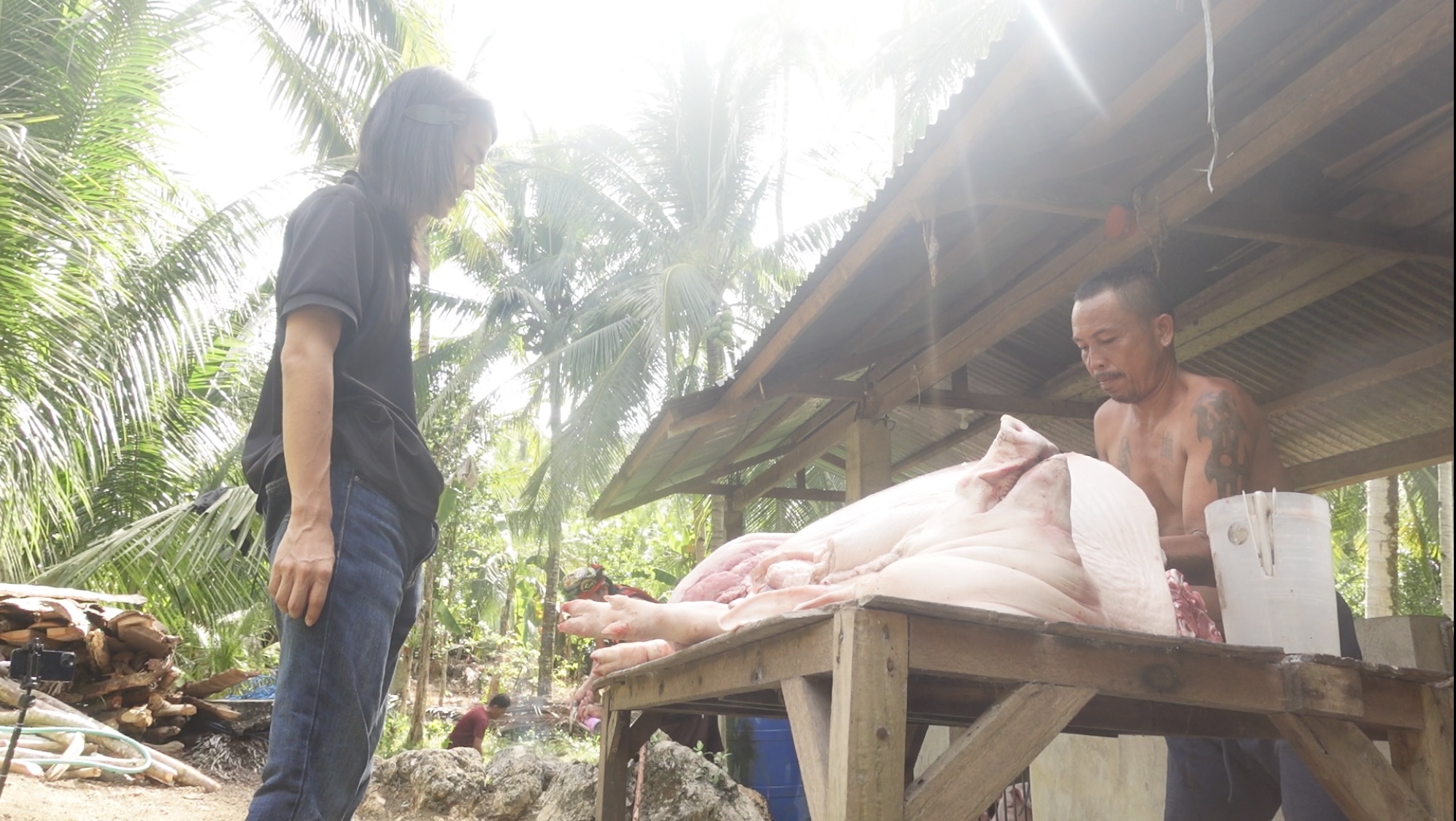
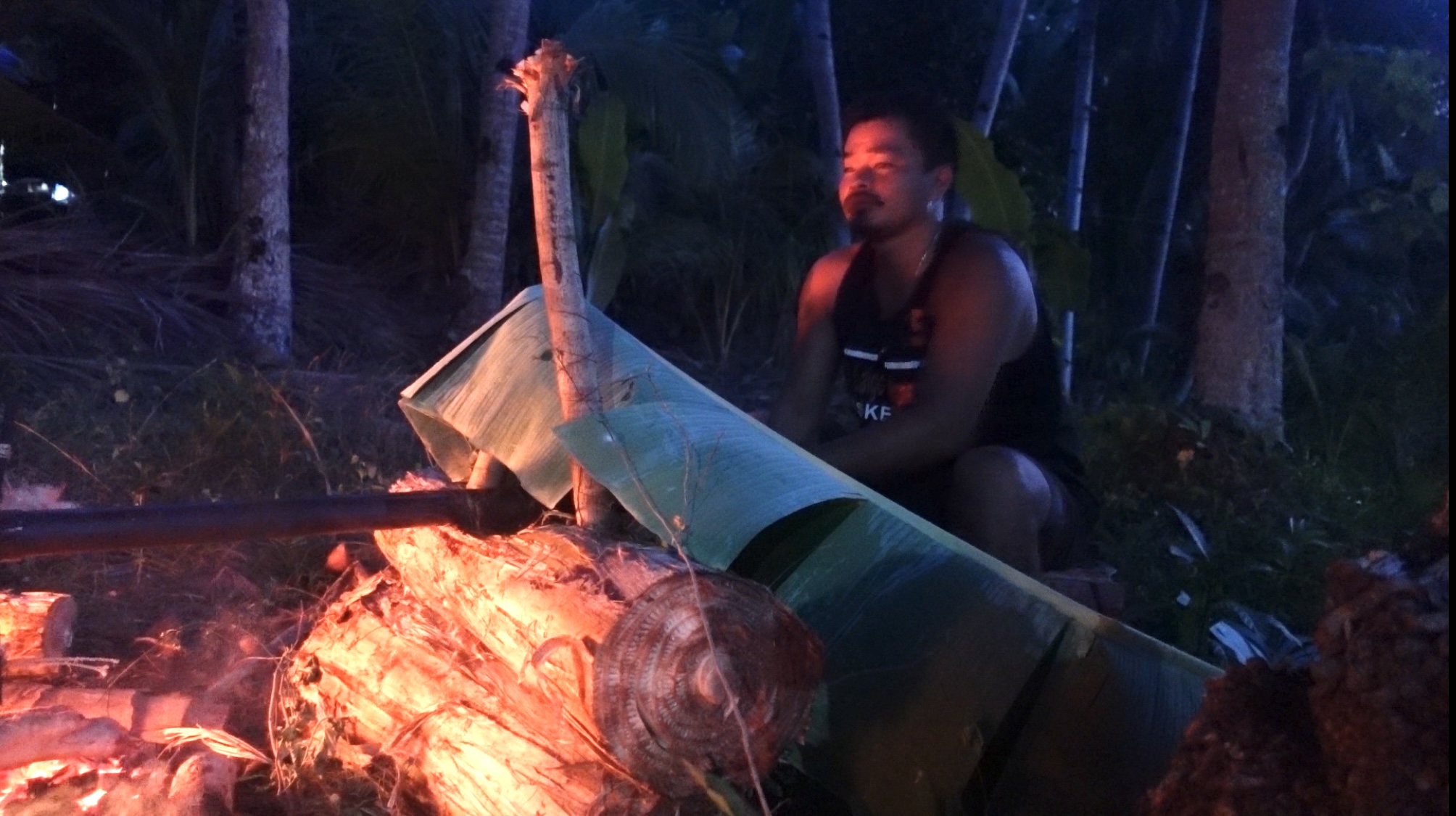
At 4:30AM, we were standing beside a whole lechon turning slowly over charcoal. The original plan was to start at 3AM. But this is the Philippines 😂 People relaxed first. The fire took time. Nobody seemed stressed. Nobody seemed worried. Just people doing what needed to be done.
For the next 5 to 6 hours, I watched every stage. The fire being adjusted. The spit turning by hand. The skin slowly changing color.
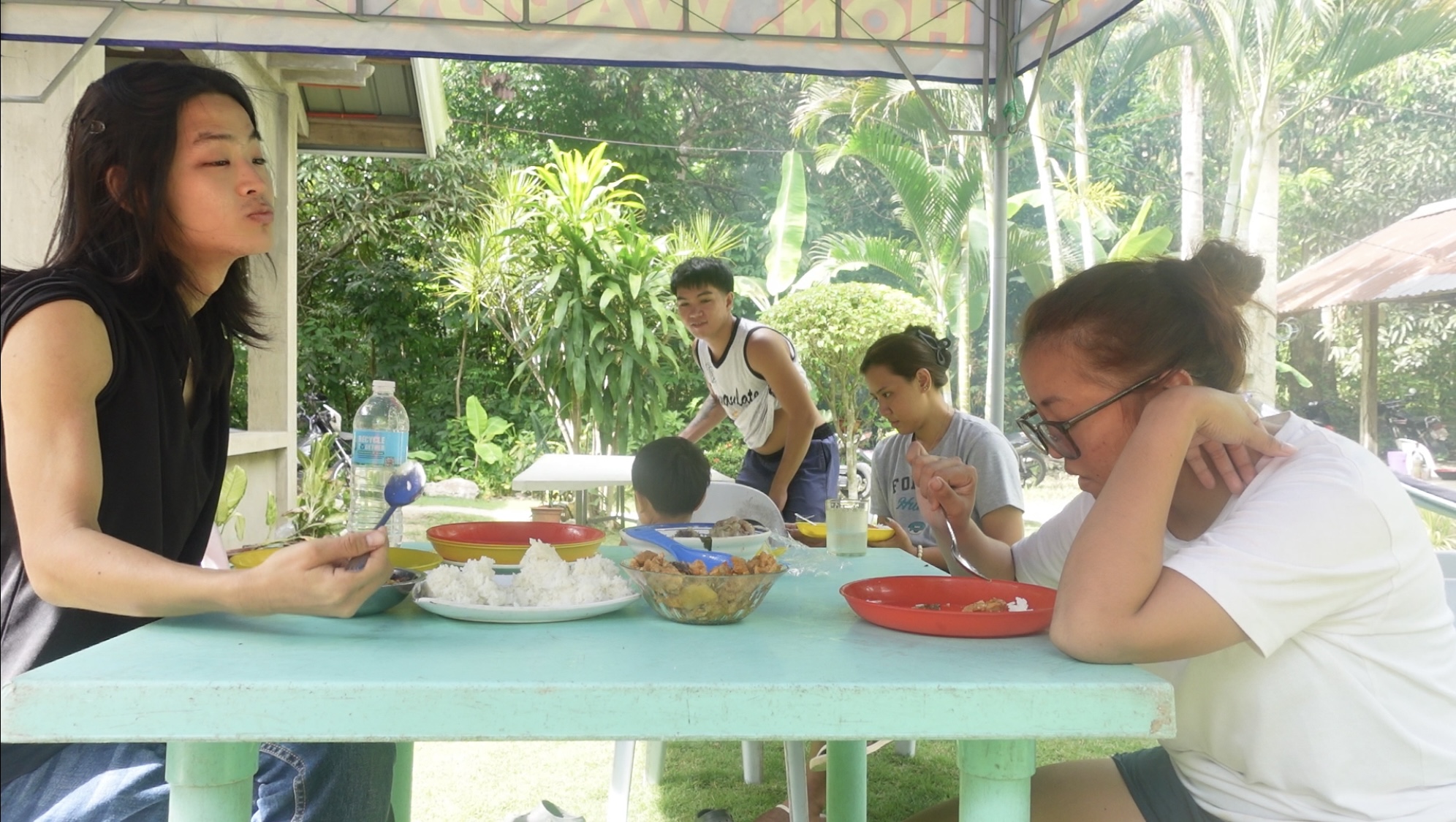
And somewhere during that process, someone told me something that completely changed how I saw the scene. "That lechon is worth around ₱30,000 to ₱40,000." I honestly thought I heard wrong. ₱40,000? For one pig? Then I looked around. Neighbors. Relatives. Visitors. Kids running around. People laughing in the rain. And suddenly I realized something. Nobody was cooking it to sell. Nobody expected anything back. The entire point was to give it away.
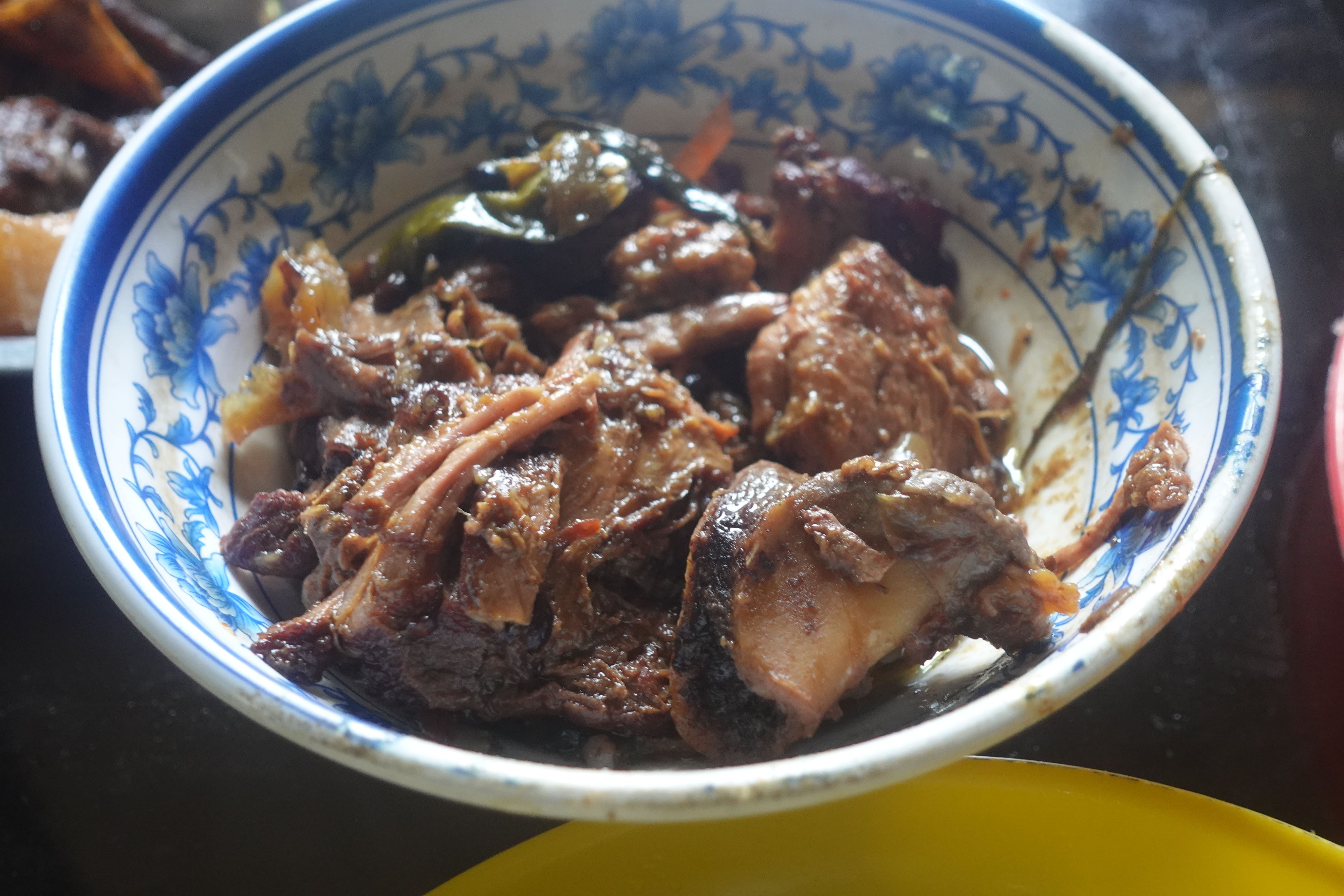
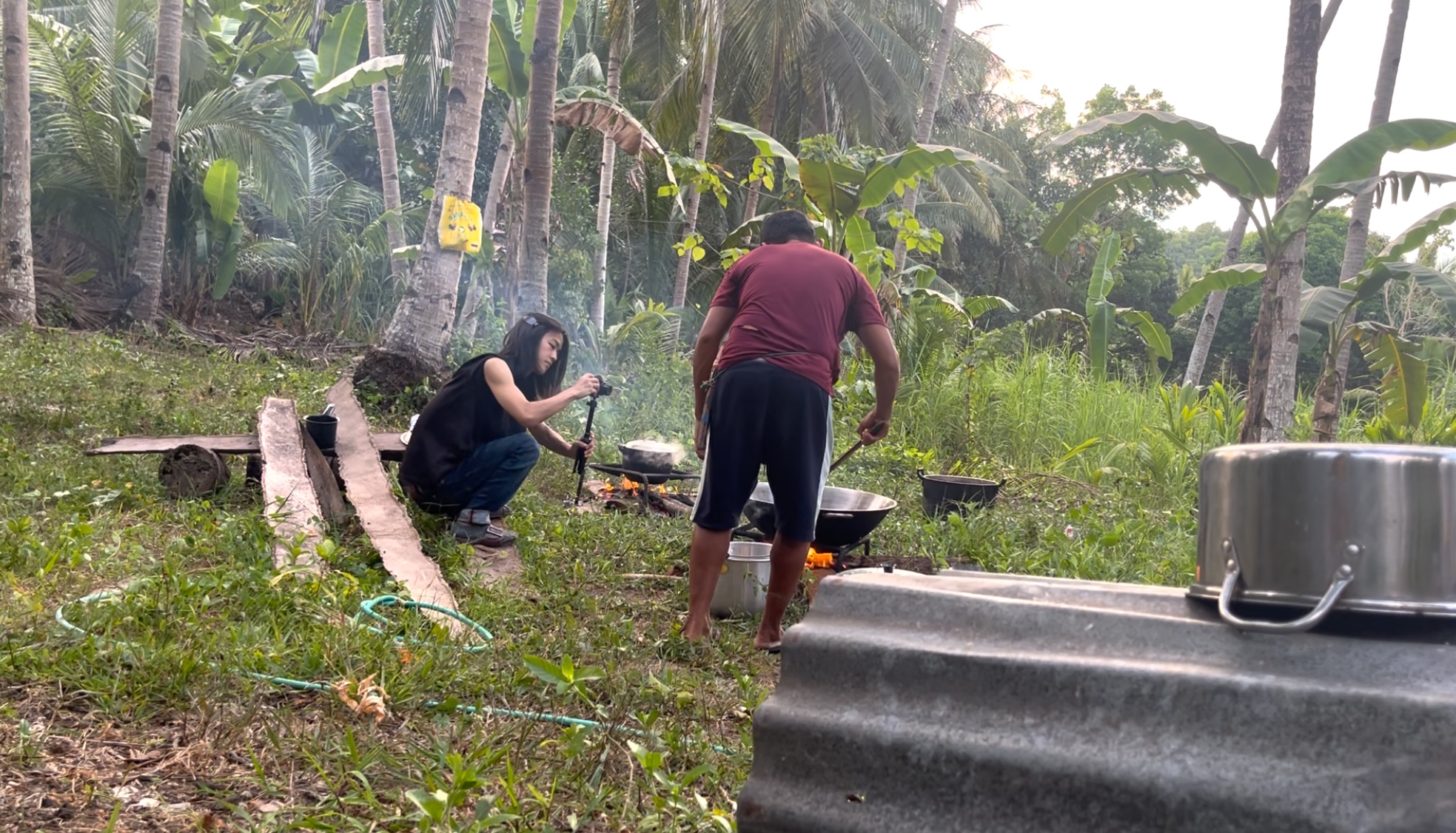
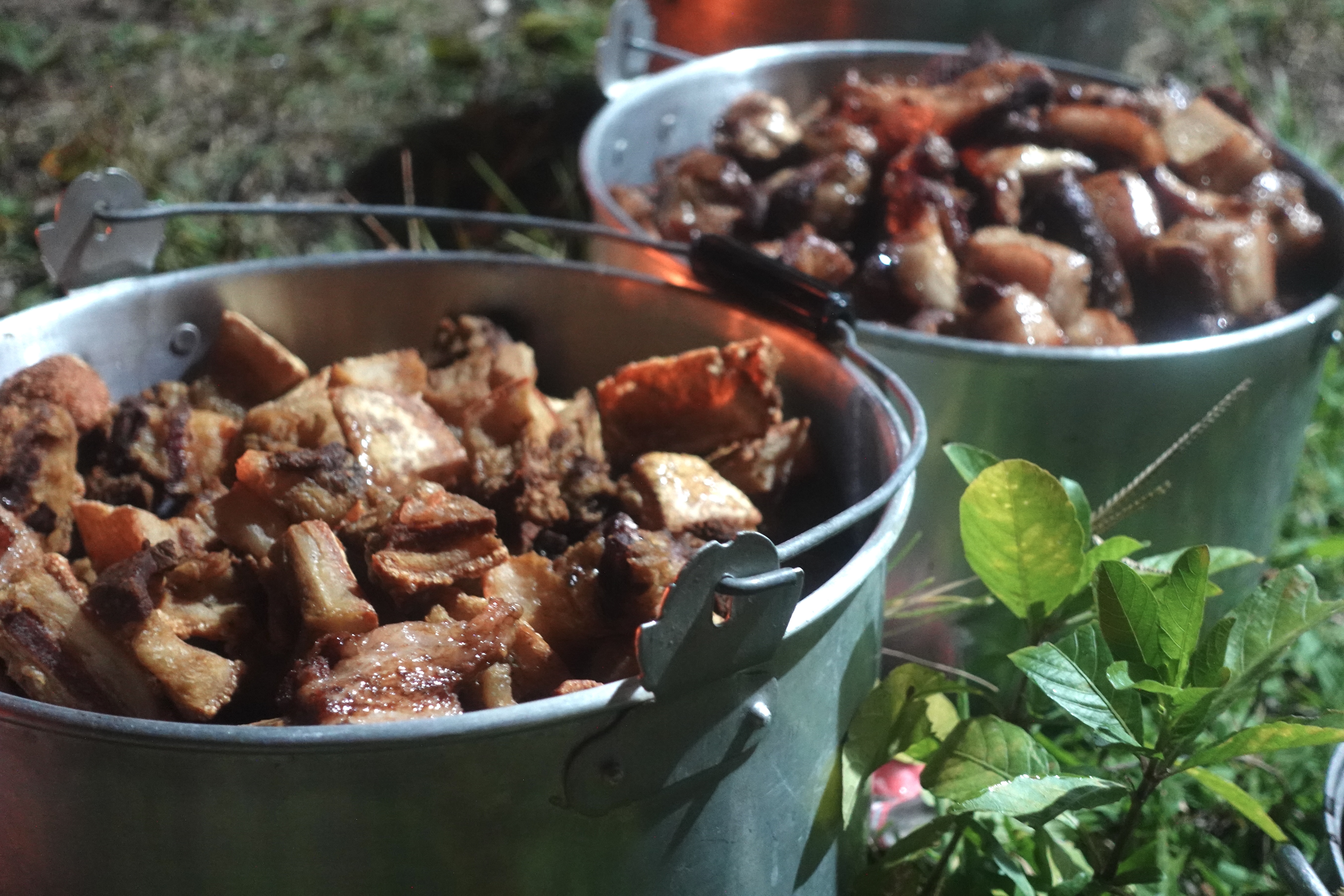
Later, while helping in the kitchen, I spotted a dish and confidently identified it: "Ginabot?" Everyone burst out laughing. Wrong again. It was humba 😂 Almost 3 years in Cebu, and I still keep mixing up Filipino dishes. At this point, getting corrected might be part of the experience.
But honestly, the food wasn't the thing that affected me most. The number was. Back in Japan, spending that much money usually comes with a plan. An investment. A return. Something measurable. But standing there before sunrise, watching a ₱40,000 lechon slowly turn over charcoal, I realized the calculation was completely different. The value wasn't in selling it. The value was in sharing it. And somehow, a random Japanese guy with a camera was included in that calculation too.
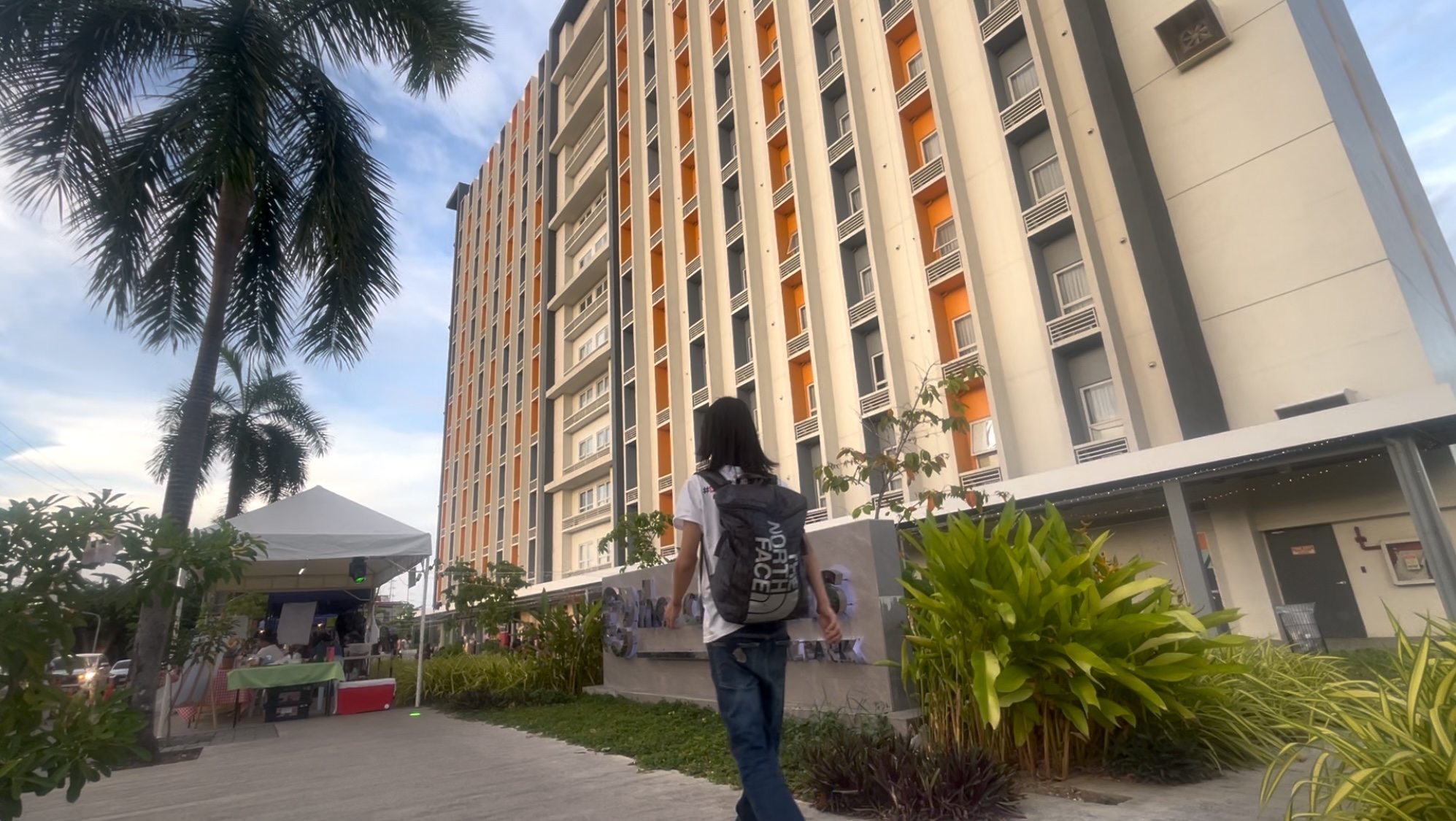
After three long days in Can-Ibuang, I finally made it back to IT Park. The city lights were still there. But my mind was somewhere else. Still thinking about a community willing to spend ₱40,000 on something they never intended to sell. And a man standing in the rain telling me to enjoy it.
Almost 3 years in Cebu. Still learning. Still getting food names wrong. Still realizing how much I don't understand yet. Daghang salamat, Can-Ibuang 🙏
There's a framework I grew up with in Japan — not a harsh one, just a quiet assumption that runs through most of daily life: what you earn, you keep. What you spend, you invest in something that comes back to you somehow. It's not greed. It's just how the accounting tends to work.
Standing next to a pig worth ₱40,000 at 4:30 in the morning, turning slowly over coals, I realized that framework doesn't operate here. Not at a fiesta. Not in this barangay.
According to one of the locals I spoke with, a whole lechon like this would fetch between ₱30,000 and ₱40,000 if sold commercially. But selling it was never the point. The lechon exists to be shared — and specifically, to be shared at the moment when sharing it is the most extravagant thing you could possibly do: a celebration. The logic isn't economic. It's something else entirely.
The Filipino concept of bayanihan gets discussed a lot in the context of helping neighbors move houses or rebuild after a typhoon. What I saw in Can-ibuang is the same instinct expressed through food. The community didn't just contribute time and labor to the cooking — they contributed the single most expensive item on the table, and they did it with a casualness that made me feel like I was the one missing something obvious.
I sat there smelling charcoal and listening to the fire crackle in the dark and trying to locate the exact feeling in my chest. It wasn't envy. It wasn't shock. It was something closer to recalibration — a slow, quiet adjustment of the numbers I'd always assumed were fixed.
I think the reason this hit me harder than any food I've eaten in Cebu is that it asked me a question I didn't know I was being asked. Not "how does the lechon taste?" but "what do you think this thing is worth — and to whom?"
The people of Can-ibuang don't calculate the lechon as an expense. They calculate it as an expression. Of community. Of occasion. Of the basic idea that a celebration isn't real unless everyone at the table actually has something on their plate. The ₱40,000 is just the price of making that idea concrete.
I come from a culture where the most natural thing in the world is to protect what you've earned. That's not a flaw — it comes from its own set of values about stability and responsibility. But watching a whole pig come off the coals at dawn and get distributed to every person in sight, free, with no record kept and no debt implied, I felt something shift. Not a crisis. Just a gentle, unavoidable realization that there are other ways to be responsible — and one of them involves a fiesta table that never runs out of food.
I still called the humba the wrong name. I'll probably do it again. There are layers of this culture I haven't touched yet, food vocabularies I'll keep getting wrong, timing systems I'll keep misreading. But every mistake is a coordinate — a precise location marking exactly how far I still have to go. And I'm beginning to think that's the whole point of being here.
I thought I was beginning to understand Cebu. The ₱40,000 pig reminded me I'm still reading the first page.
The math never made sense as an investment, because it was never meant to be one. In Can-ibuang, the lechon's value wasn't in what it could earn back — it was in how completely it could be given away, and somehow a stranger with a camera got folded into that same math.
| Date | May 22, 2026 |
|---|---|
| Location | Can-ibuang, Catmon, Cebu |
| Event Type | Barangay Fiesta (Patron Saint Festival) — Pre-dawn Lechon Preparation |
| Access Method | Personal Invitation — Behind-the-scenes cooking access |
| Food Featured | Lechon (whole roasted pig), Humba, Nilagang Baboy |
| Cost to Attend | Free — Bayanihan-style open table; lechon market value ₱30,000–40,000 |
| Rarity | 🟨🟨🟨⬜⬜ — Behind-the-scenes access to the overnight lechon preparation process is genuinely rare; most visitors only encounter the finished product at the table |
| Bayanihan Index | High — a ₱30,000–40,000 pig prepared over 5–6 hours of collective labor, beginning at 4:30AM, then distributed freely to the entire community with no expectation of return |
I still don't know whether this kind of open-handed math is unique to a Can-ibuang fiesta, or something closer to how bayanihan quietly runs through everyday life in Cebu.