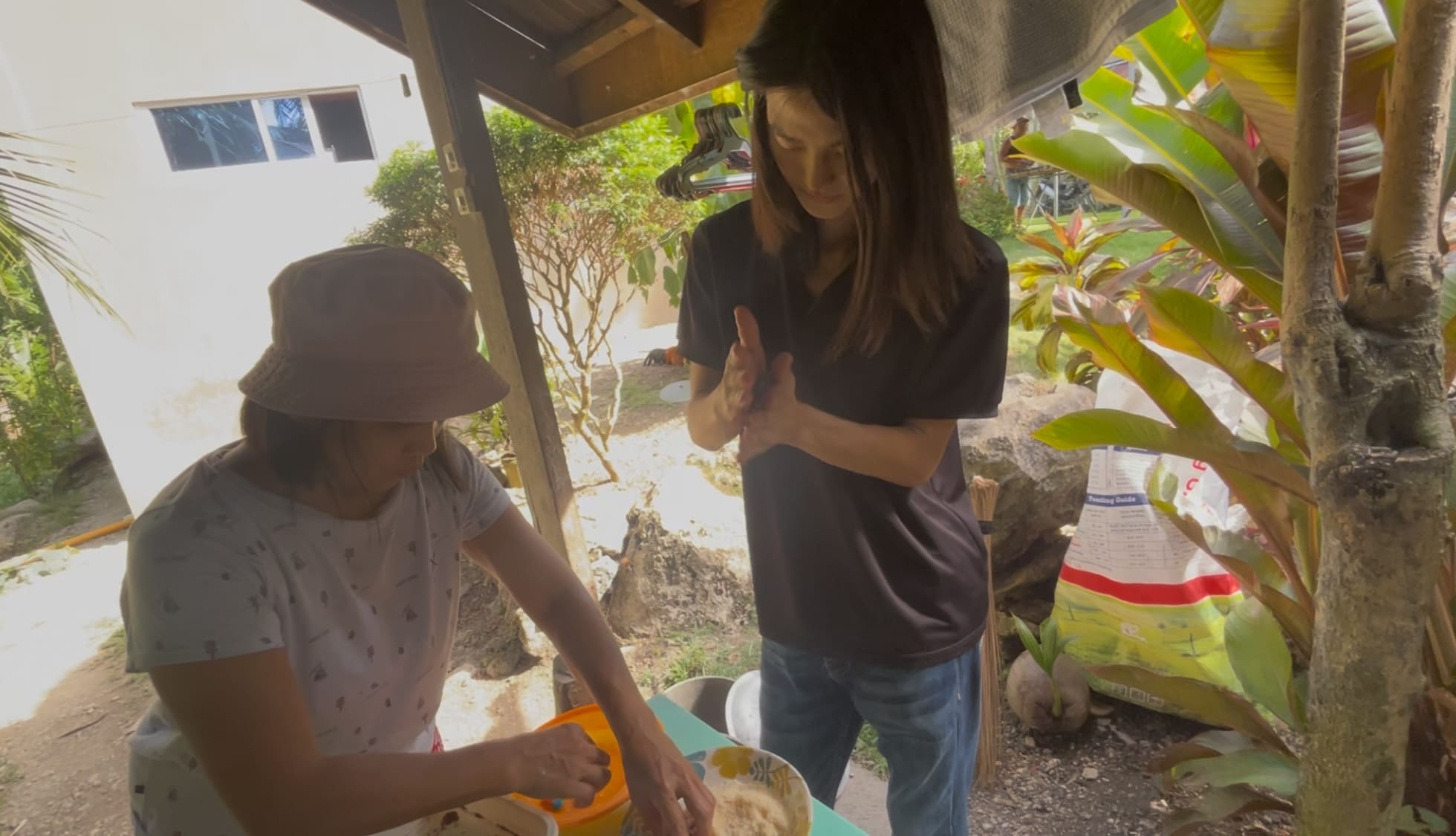
I've been living in the Philippines for almost 3 years.
And I think I just made a mistake.
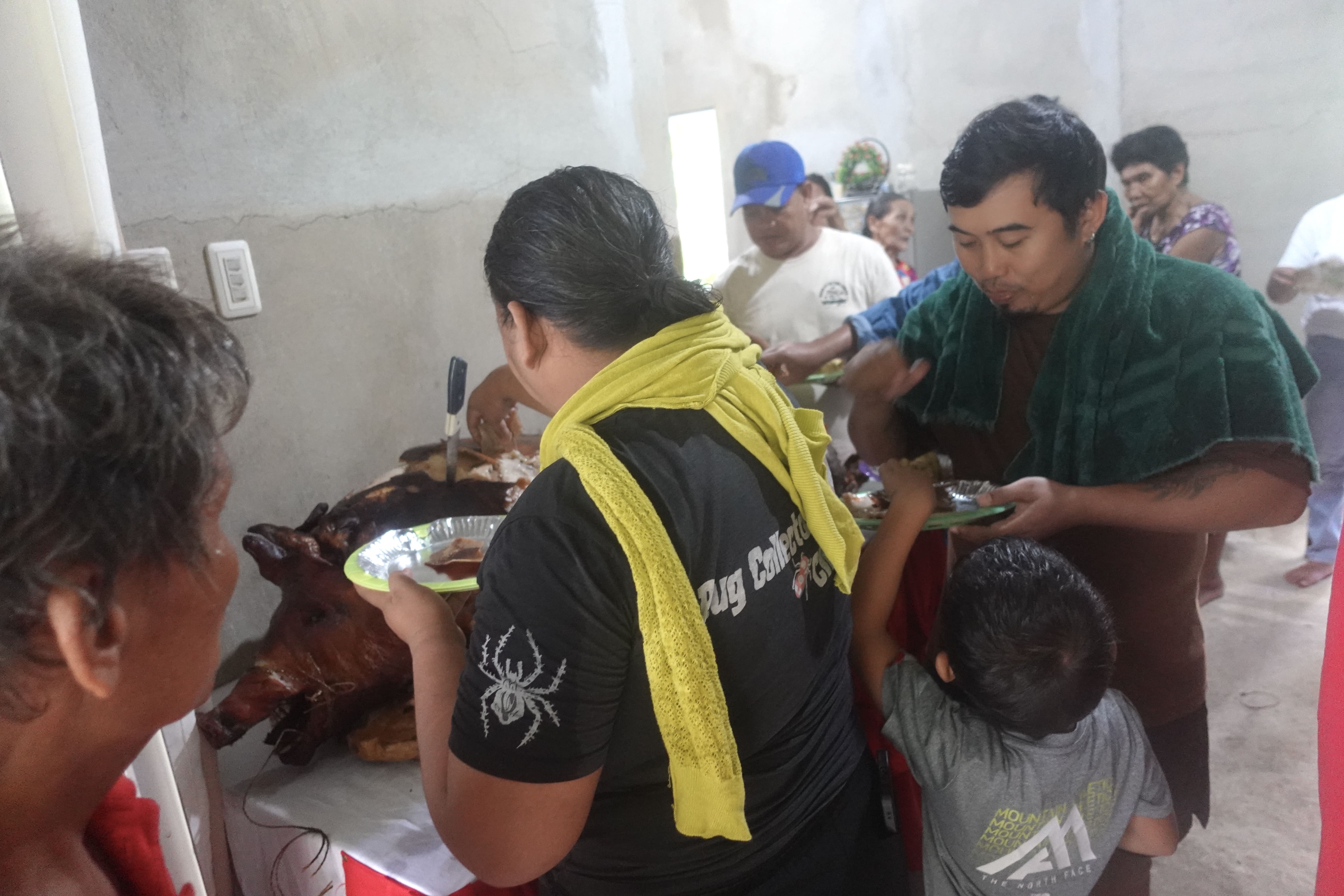
For the longest time, I thought the highlight of a Filipino fiesta was the lechon.
The crispy skin.
The crowd gathering around it.
The anticipation.
A few days ago in a mountain barangay in Catmon, I ate everything.
Humba.
Kaldereta.
Lumpia.
Lechon.
Three rounds.
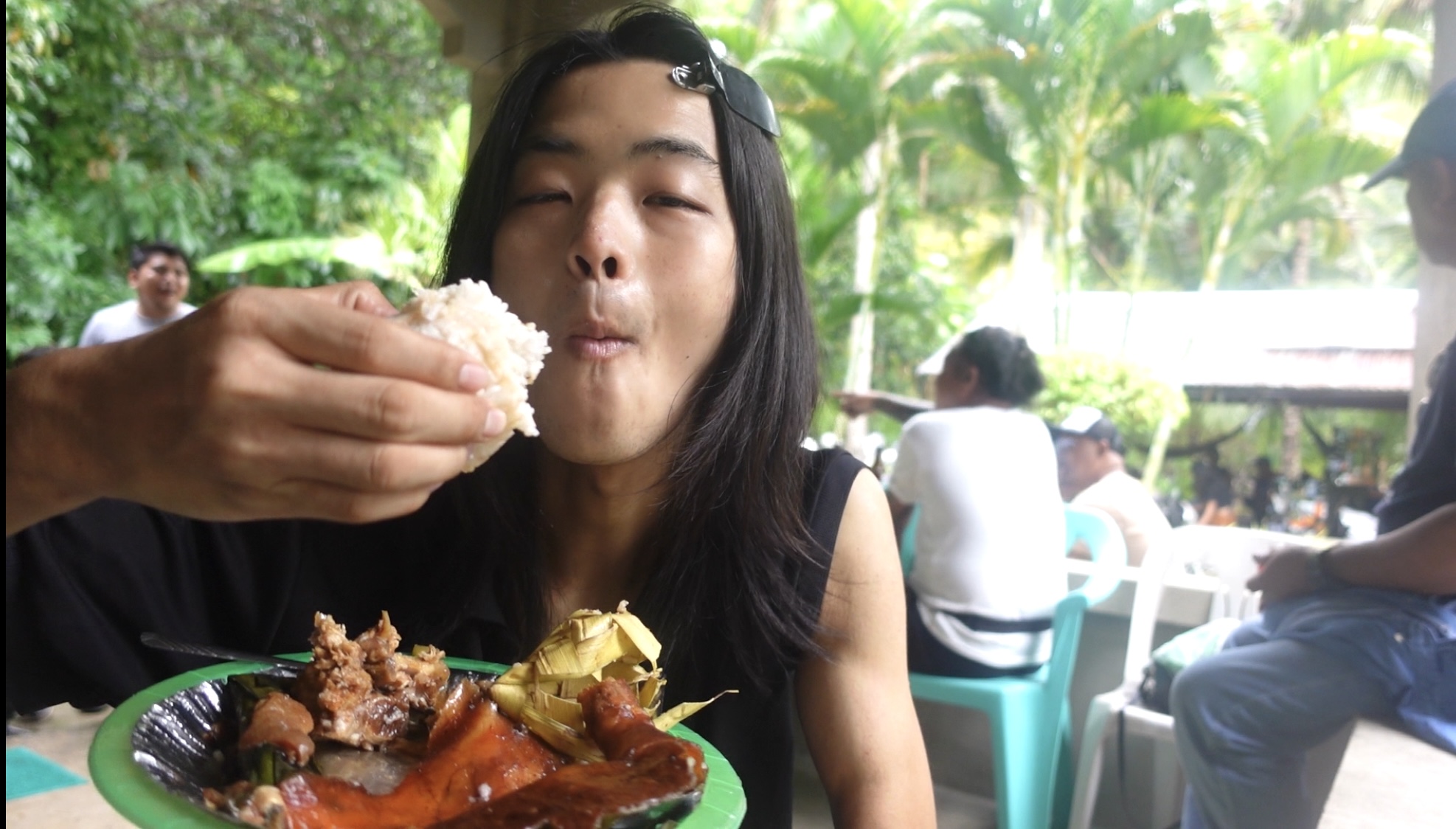
I was convinced I had already experienced the best part.
The next morning, I woke up and noticed something strange.
The lechon was gone.
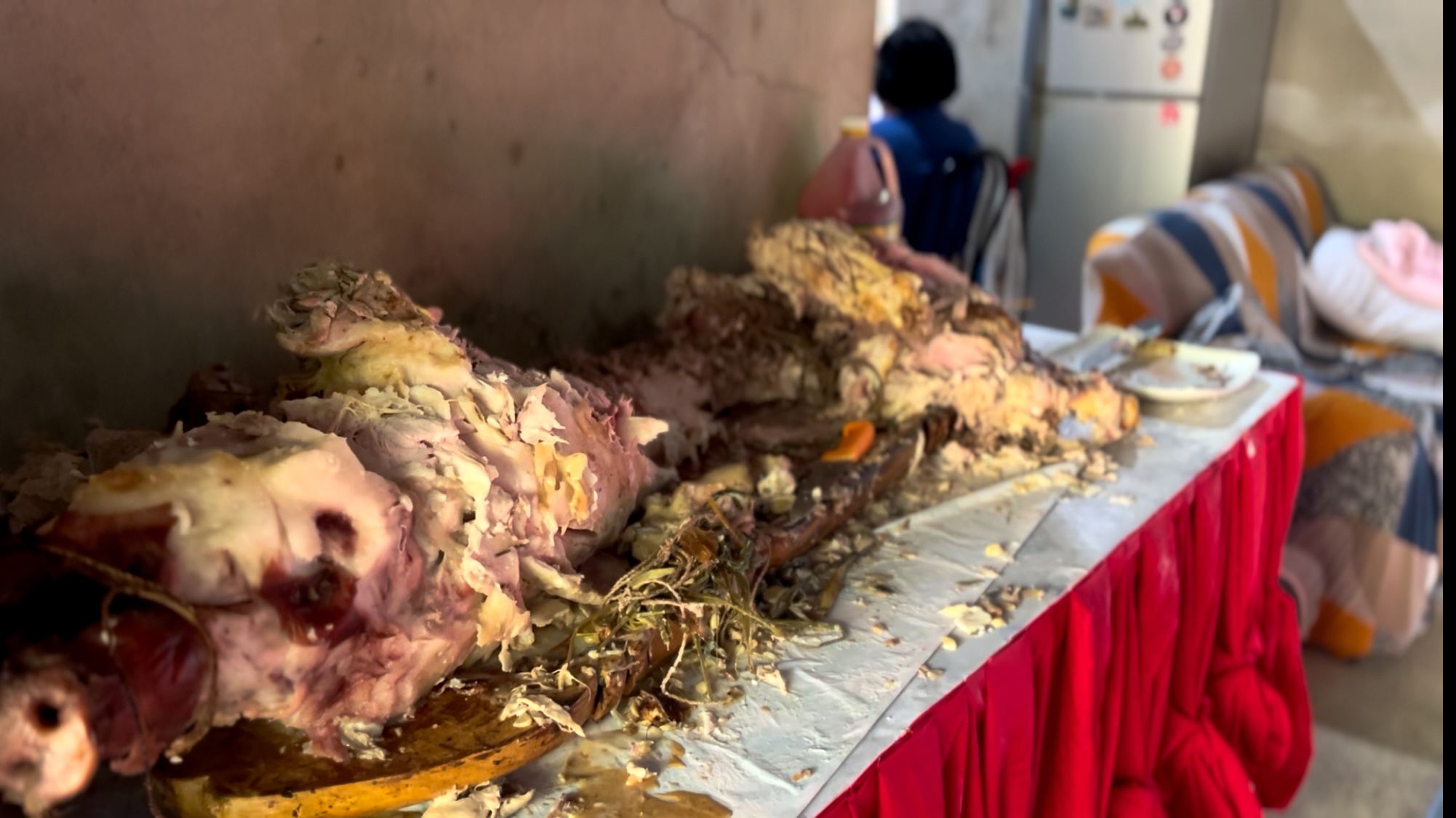
"Where did it go?" I asked.
They laughed.
A few minutes later, I found out.
The fiesta wasn't over.
It had a sequel.
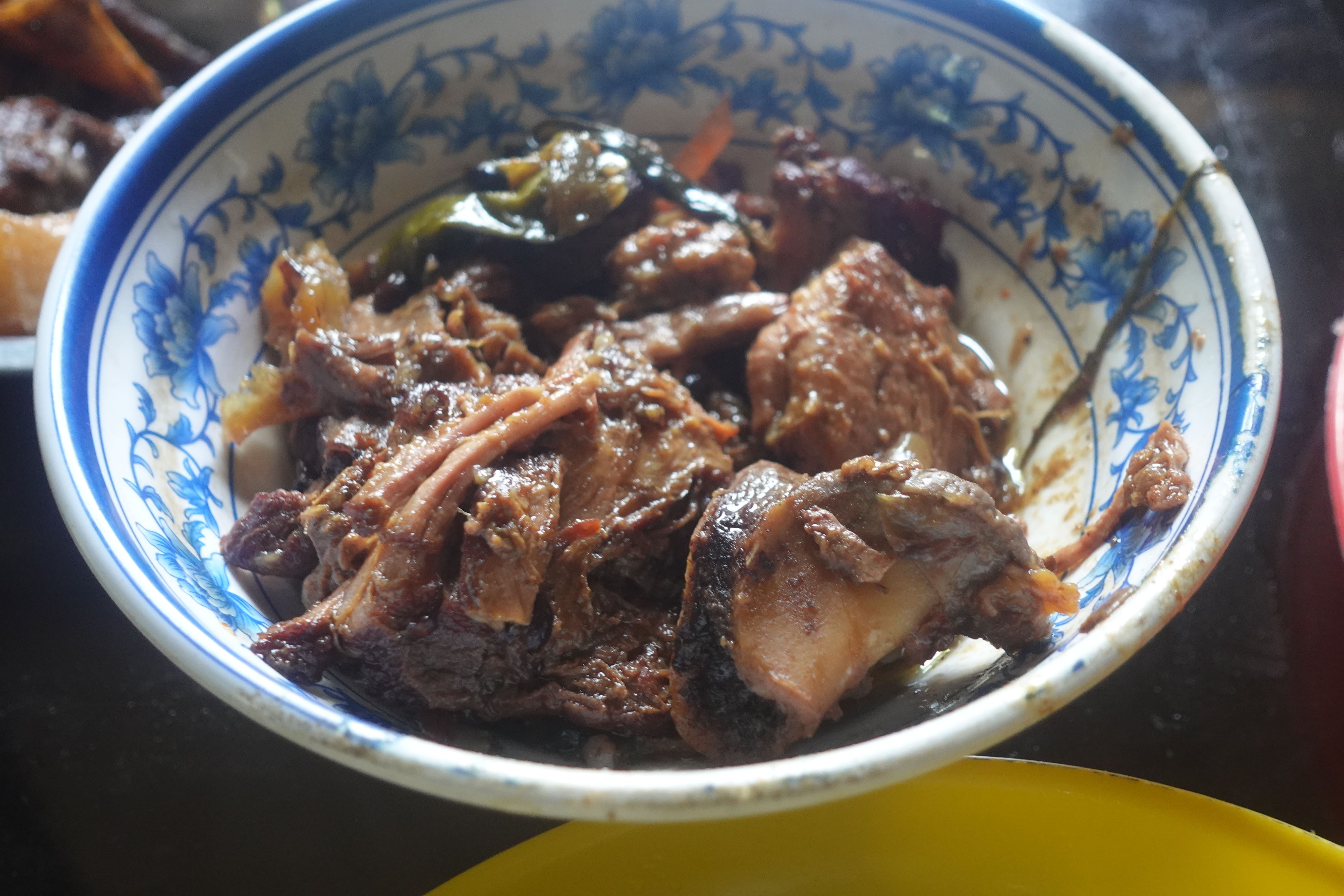
The leftover lechon had been transformed into lechon paksiw.
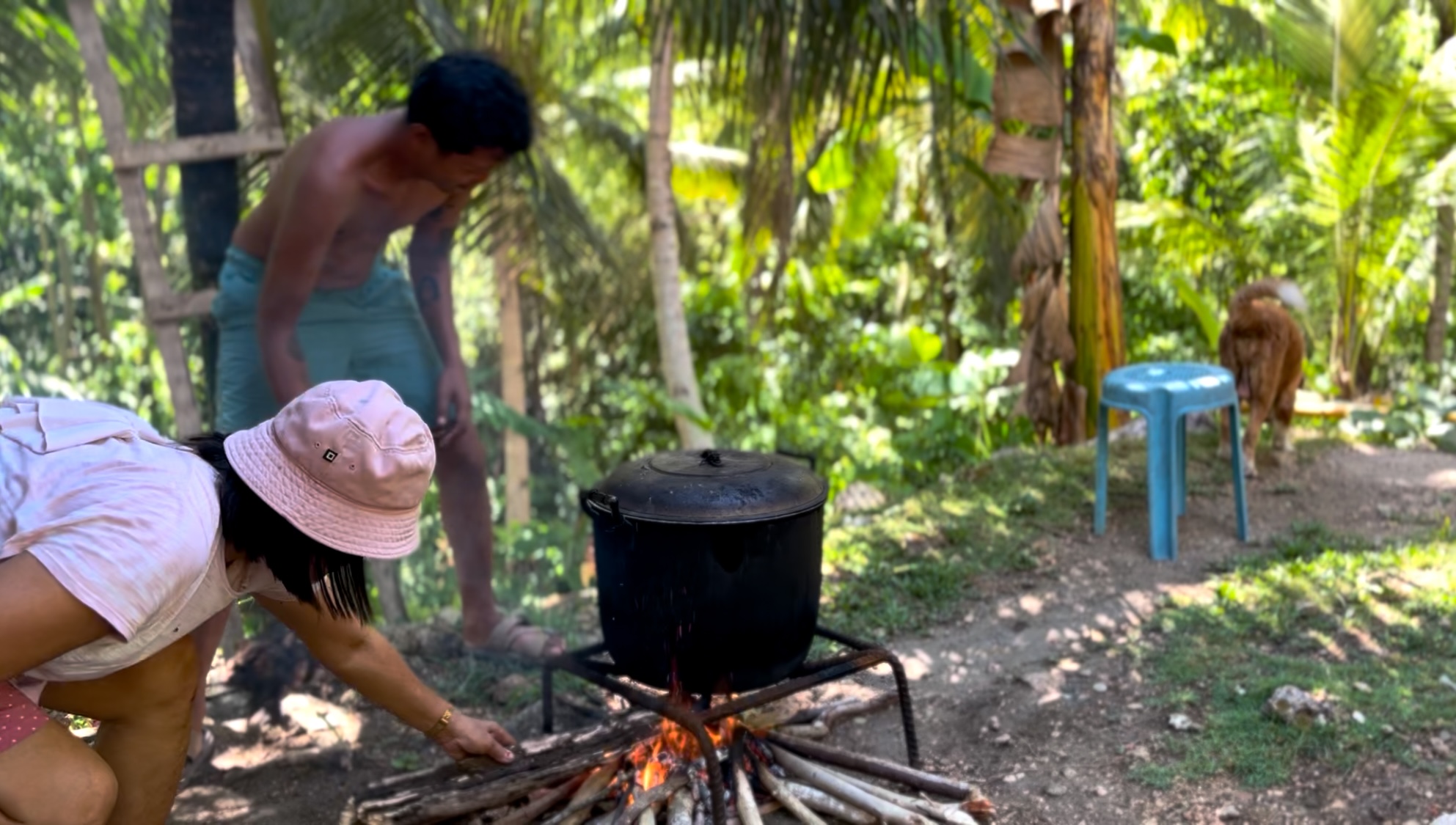
Honestly, I wasn't expecting much.
Back home in Japan, "leftovers" usually means the food is past its peak.
This was the opposite.
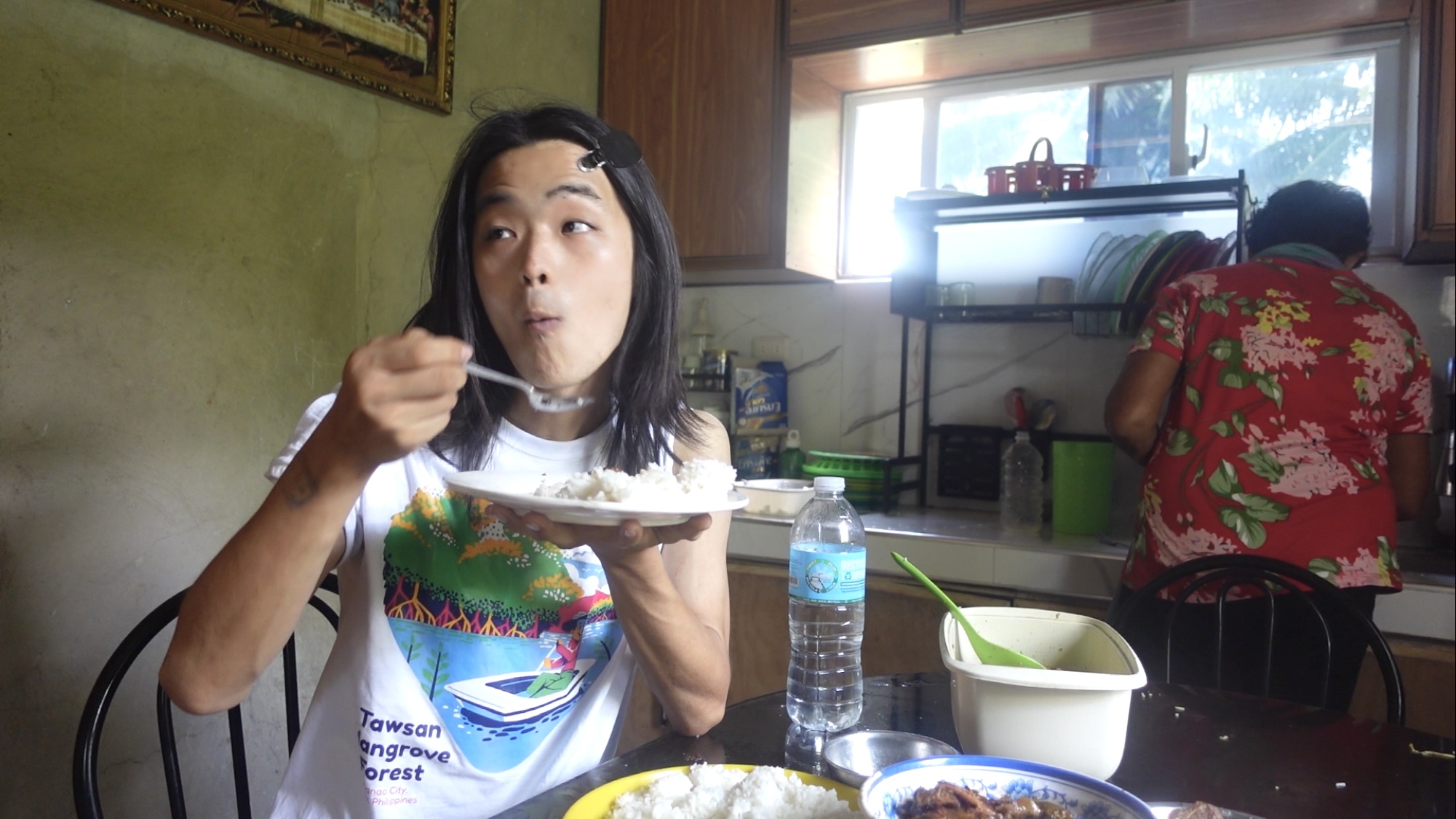
One bite in, and I genuinely started questioning everything I thought I knew about fiesta food.
The lechon was incredible.
But somehow...
the morning after was even better.
What surprised me most wasn't the taste.
It was the idea behind it.
The celebration didn't end when the party ended.
The food kept going.
The conversations kept going.
The hospitality kept going.
Even the lechon got a second life.
Almost 3 years in the Philippines, and somehow I'm still being taught lessons by dishes I thought I already understood.
Maybe that's why I keep exploring.
Every time I think I've reached the end of the story...
there's another chapter waiting the next morning.
Still learning.
Still eating.
Still showing up hungry.
Daghang salamat, Catmon 🙏
What I learned in Can-ibuang wasn't just a recipe. It was a barangay tradition — one I didn't even know I was waiting for until I saw it happen.
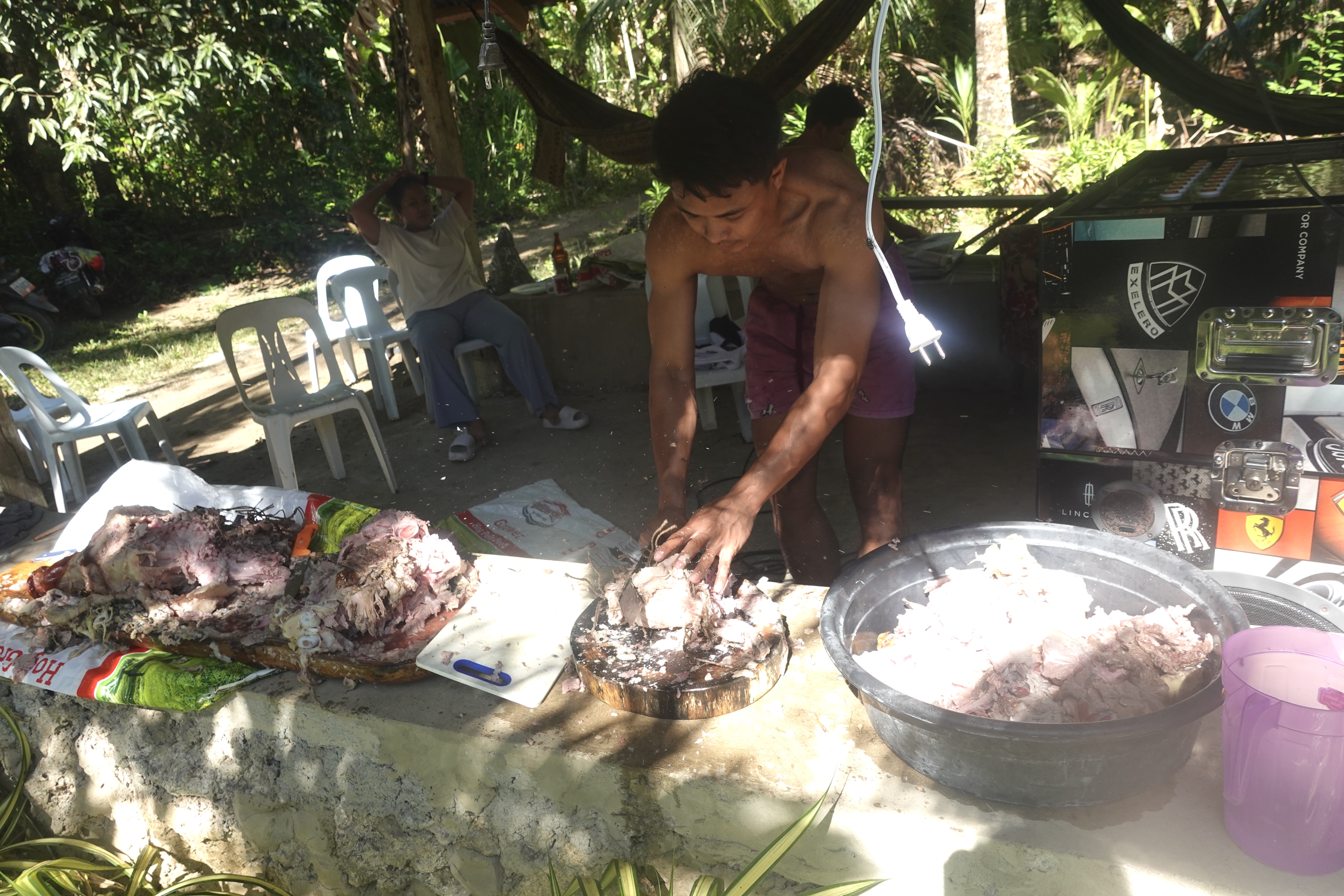
A whole lechon is too big to disappear in one night. Even when everyone eats like it's the last meal on earth, there's still meat left. Still bones. Still responsibility sitting on the table when the music stops.
In this community, that doesn't get thrown away out of guilt or trend. It gets transformed. Lechon becomes lechon paksiw — a second chapter that isn't a downgrade, but a continuation of the same care that built the fiesta in the first place.
I grew up in a culture where "leftovers" often feel like failure — like you miscalculated, like you didn't plan well enough, like the good version already happened and now you're managing the decline.
Standing in that kitchen, smelling vinegar and slow-cooked pork, I felt the opposite. The sequel wasn't an apology for the feast. It was proof that the feast was taken seriously enough to survive into the next day.
Respecting food, I think, isn't only about saying thank you before you eat. It's about what you do when the crowd leaves and the pot is still there. I'm still trying to understand the full depth of that — but I know now that some of the best bites in Cebu don't announce themselves. They just show up the morning after, quiet, unglamorous, and completely unforgettable.
I came to the fiesta for the spectacle — the pig, the table, the refills, the moment everyone thinks is "the main event." And it was incredible. I'm not downplaying that at all.
But the line that stayed with me wasn't about crispy skin. It was about yesterday's meat becoming today's best bite — without shame, without pretending it was something else, without rushing past the fact that abundance always leaves something behind.
Treating food with care makes sense to me on paper. Watching it happen in a mountain barangay made it feel personal. The lechon was huge. Of course it couldn't all disappear in one night. Of course there would be leftovers. What surprised me was how naturally they turned that into the next meal — not as a compromise, but as tradition.
Almost 3 years in Cebu, and I still keep finding layers I didn't know were there. Fiestas I thought I understood. Food I thought I had already ranked. Stories I thought ended when the lights went out.
I respect this mindset deeply. And honestly… I still feel like there's more to it than I've fully grasped yet — why the sequel hits harder than the opening night, and what else this barangay is quietly teaching people who stay long enough to see day two.
I'm not done eating. I'm not done learning. And I'm definitely not done with Can-ibuang.
The fiesta wasn't over when the lechon vanished — it just started a second chapter, transformed into paksiw, proof that the celebration was taken seriously enough to survive into the next morning.
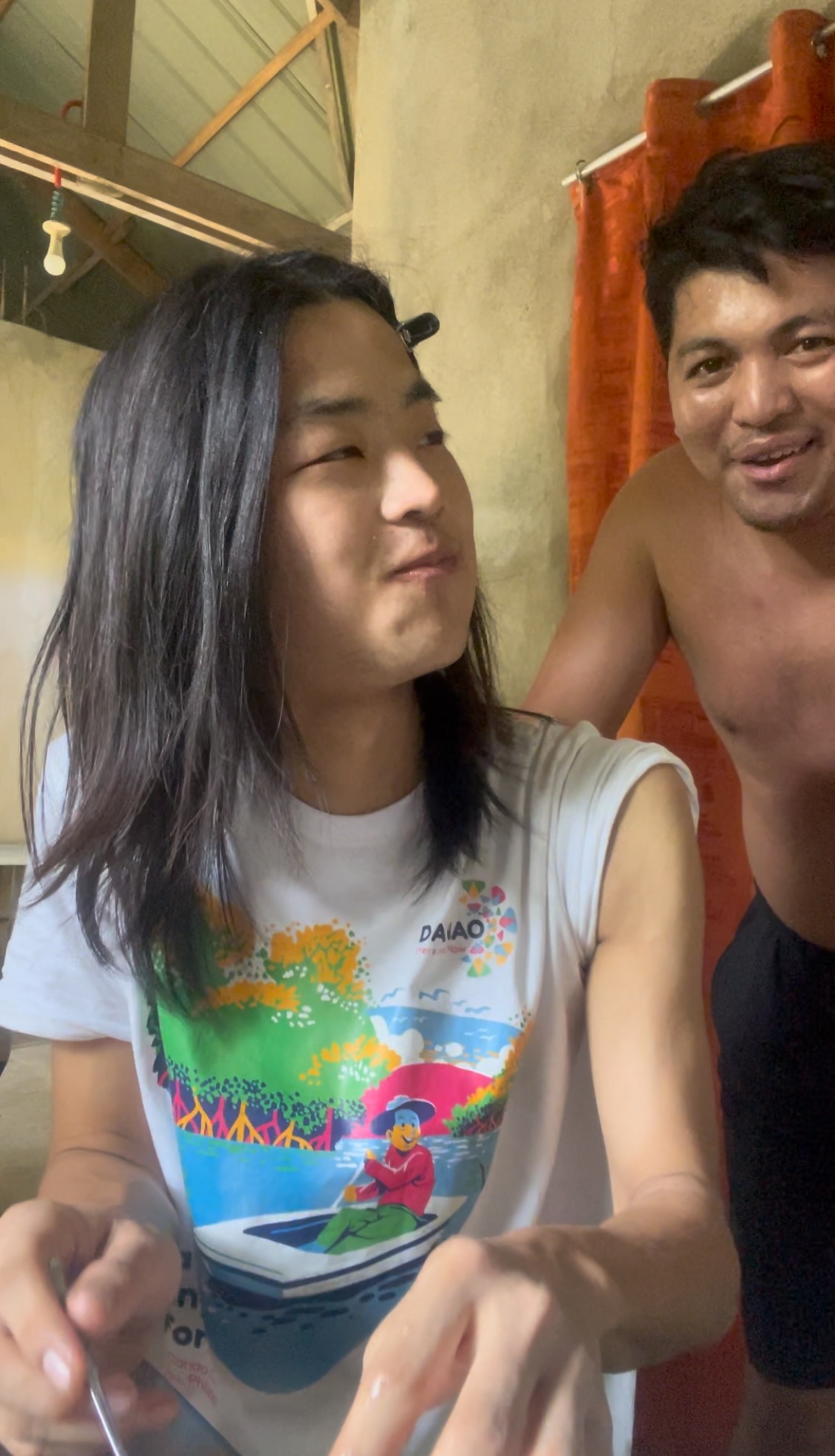
| Date | May 22, 2026 |
|---|---|
| Location | Can-ibuang, Catmon, Cebu |
| Event Type | Barangay Fiesta (Patron Saint Festival) — Day-After Lechon Paksiw Tradition |
| Access Method | Personal Invitation — Post-fiesta household visit |
| Food Featured | Lechon Paksiw (from leftover lechon), Humba, Kaldereta, Lumpia |
| Cost to Attend | Free — Bayanihan-style open table |
| Rarity | 🟨🟨🟨⬜⬜ — The day-after lechon paksiw tradition is rarely documented; most visitors leave after the fiesta peak and never see the sequel |
| Bayanihan Index | High — yesterday's feast is not discarded but transformed and shared again; the same community care extends into the morning after |
I still don't fully know why the sequel hit harder than the opening night, or what else this barangay quietly teaches the people who stay long enough to see day two.