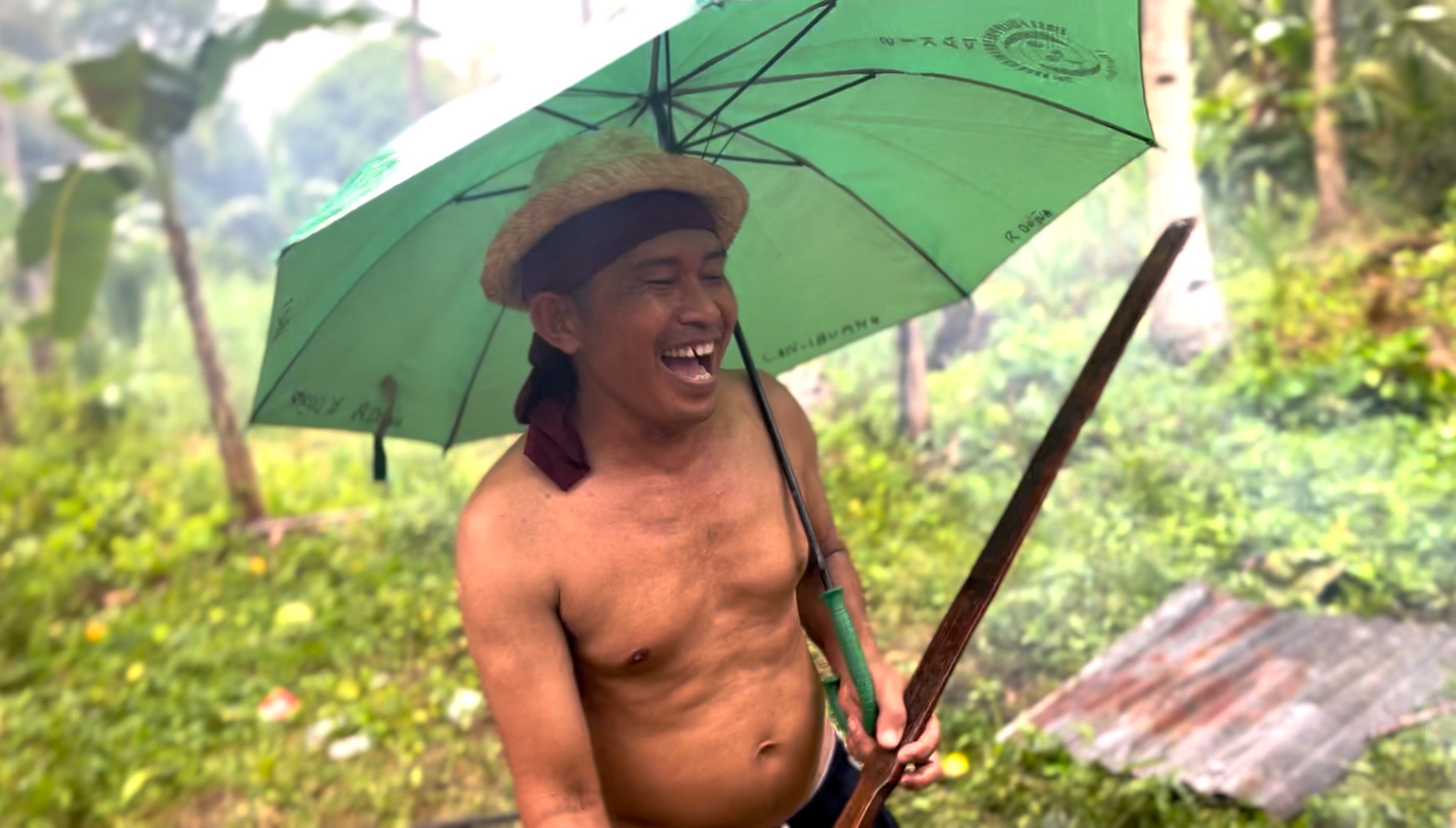
I've been living in Cebu for Java/almost 3 years… And I thought I finally understood the rhythm of this island. I was completely wrong.
A few days ago, I was invited to the Can-Ibuang Fiesta in the mountains of Catmon. What followed wasn't a vacation—it was a 3-day masterclass in community, chaos, and a food culture that refuses to die.
From the moment I arrived, my "3 years of experience" meant nothing.
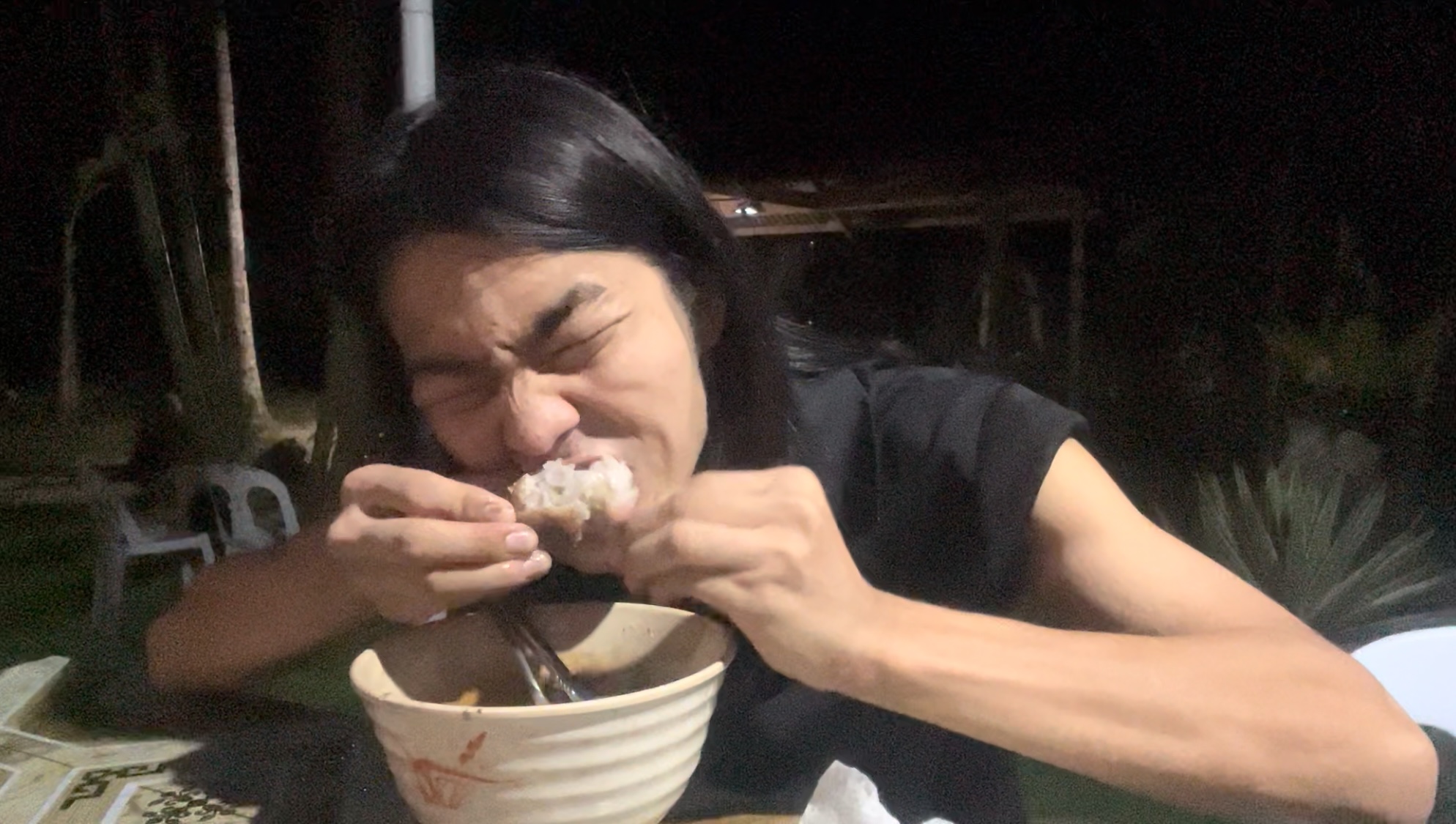
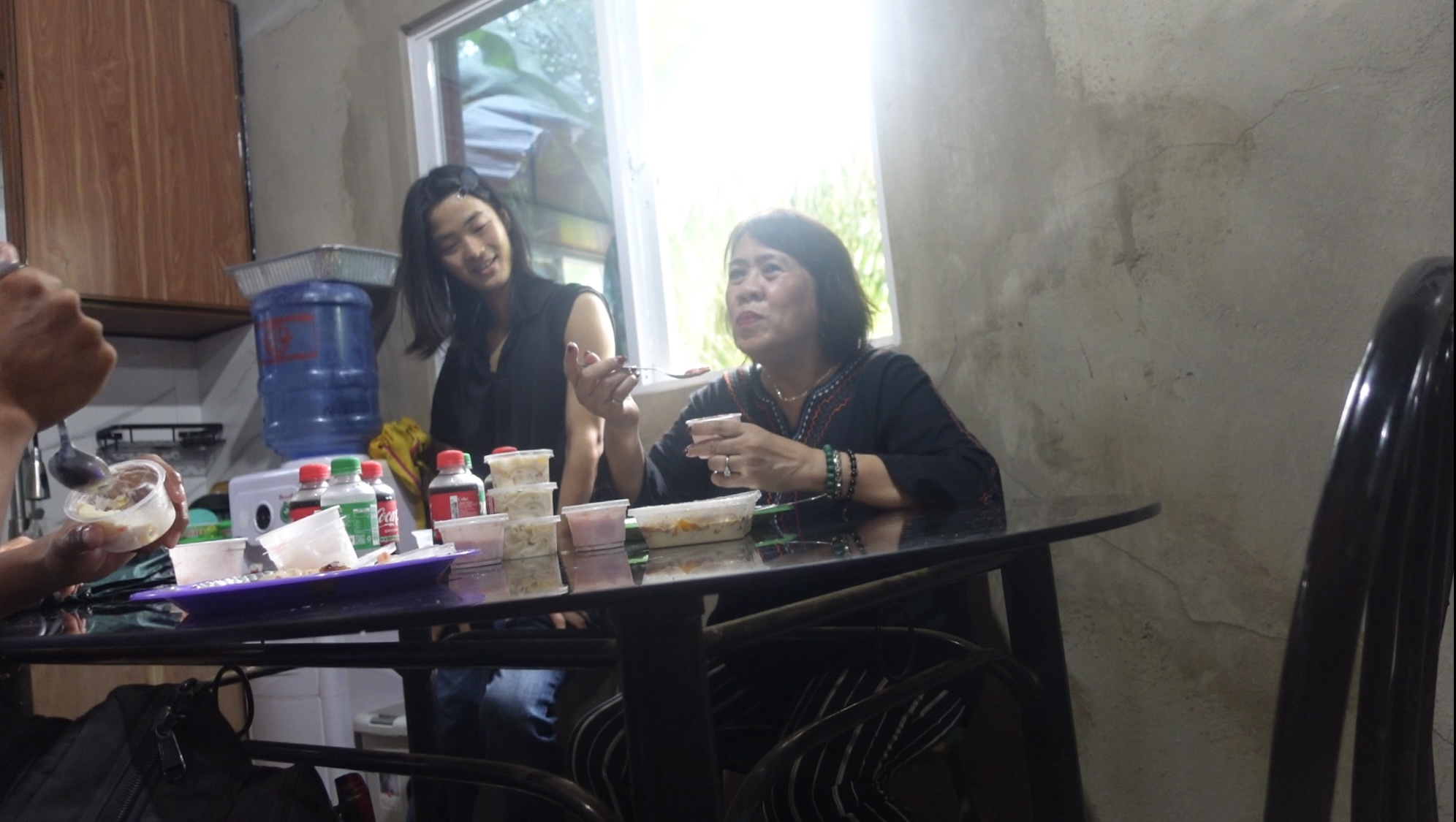
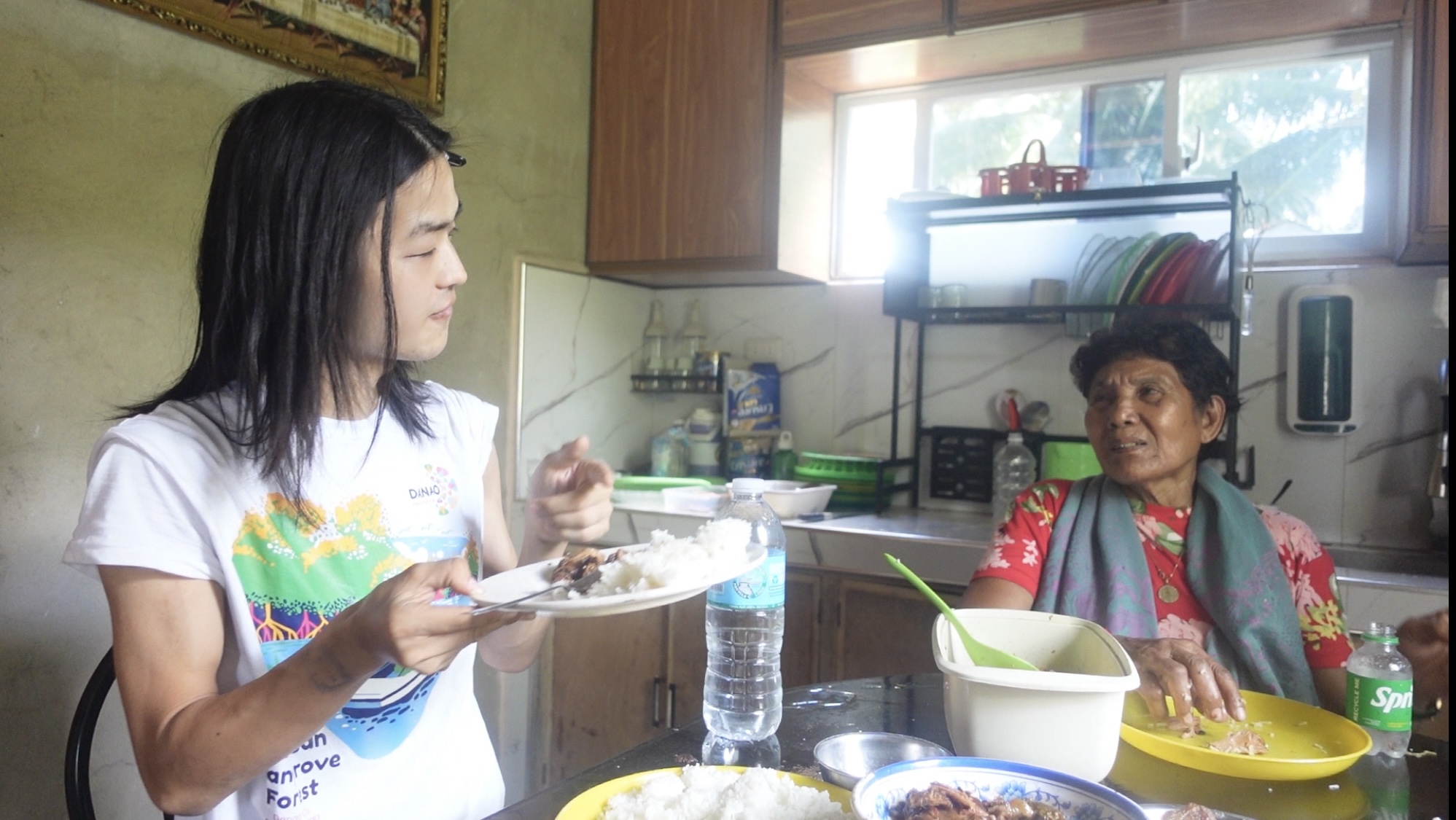
I constantly mixed up the food names. I pointed at Caldereta and called it Ginabot. I mistook Nilagang Baboy for Dinuguan, making them roar with laughter. When they served the pork soup, they looked at my fork, smiled, and said, "No, Takumi. Use your hands."
So there I was, eating with my hands (Kamayan style), struggling with the bones, looking like I was wrestling a crab.
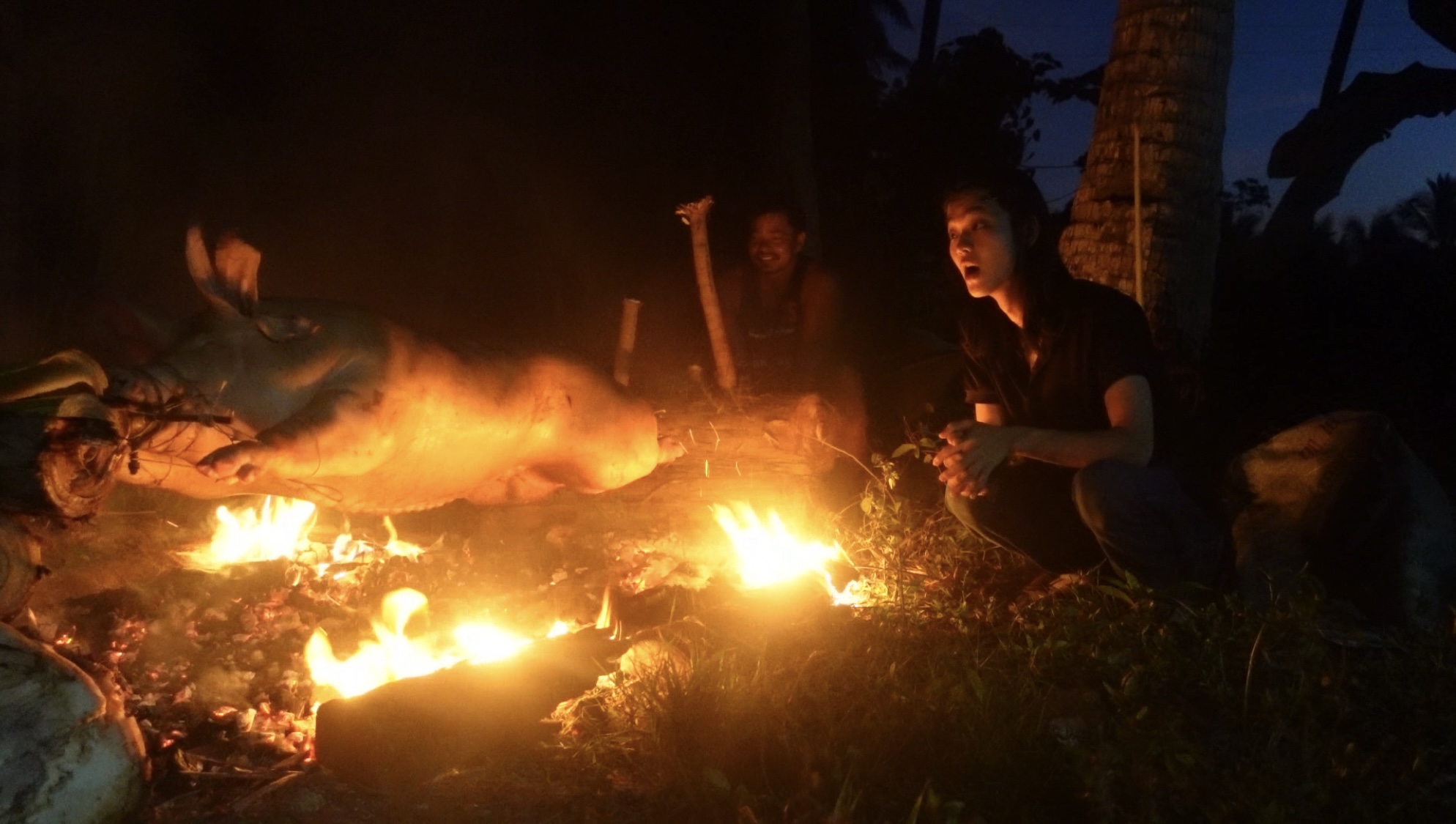
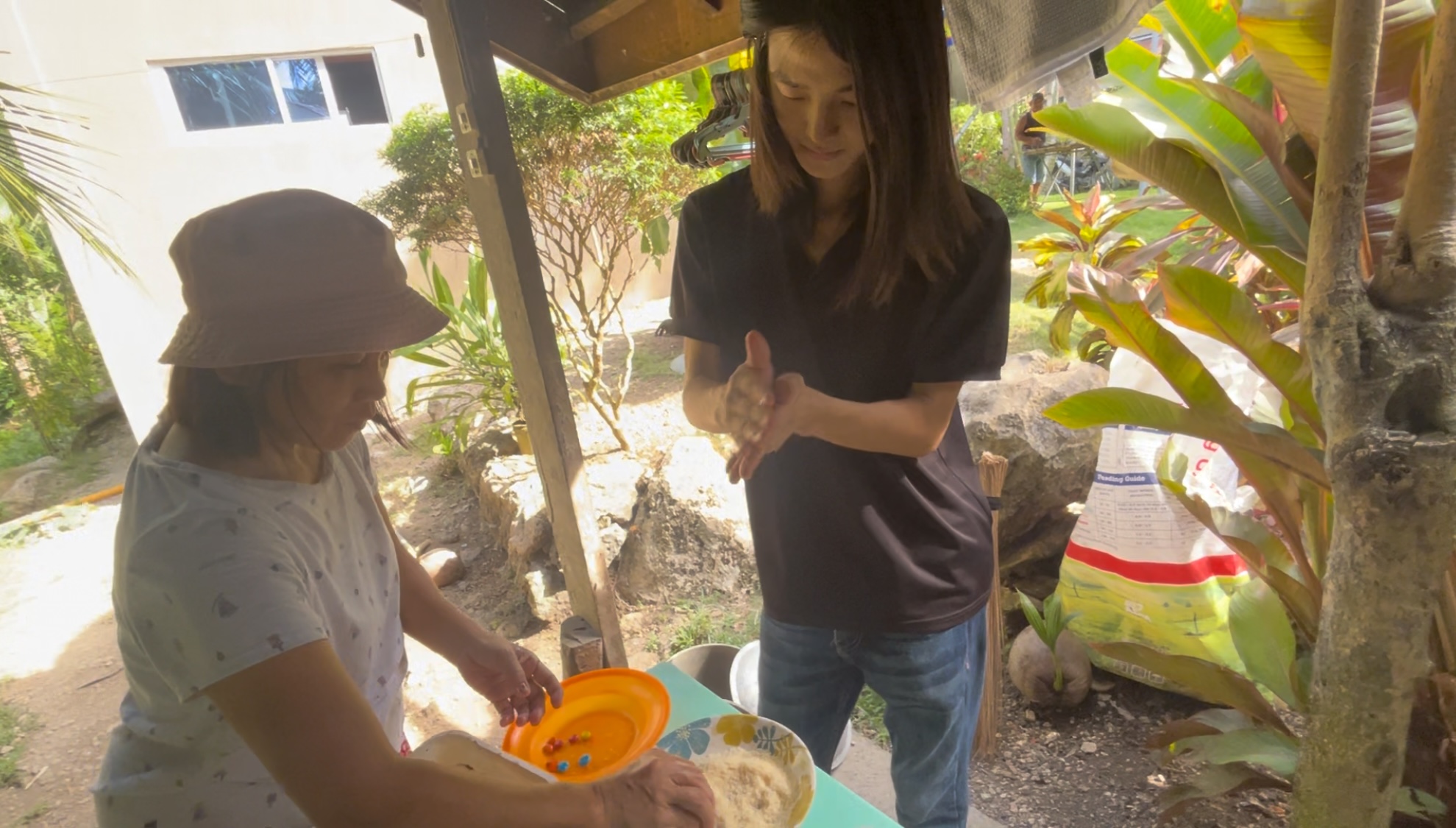
In the middle of the kitchen chaos, people were helping each other for free. Huge pots boiling, women weaving Puso, and a man grilling Lechon at 4:30 AM (classic Filipino time).
I asked Johncarlo a serious question while watching the smoke rise: "You've been doing this for 20 years. Is this a disappearing tradition?" He looked at me, surprised, and said: "No. It's not fading. It's how we live."
Even the food had a second life. On the final morning, the leftover Lechon was transformed into Lechon Paksiw—a traditional post-fiesta soup. I learned that while some things are best fresh, Humba actually tastes deeper and richer on the second day.
The cultural lessons hit me hard, too. I accidentally learned the heavy weight of regional words, the sharp contrast between Tagalog and Bisaya slang, and the beautiful distinction between calling someone Ate, Auntie, or Nanay.
Even the Honorable Mayor and Vice Mayor of Catmon stopped by the table, surprised when they found out I personally helped roll the Munchkins on the platter.
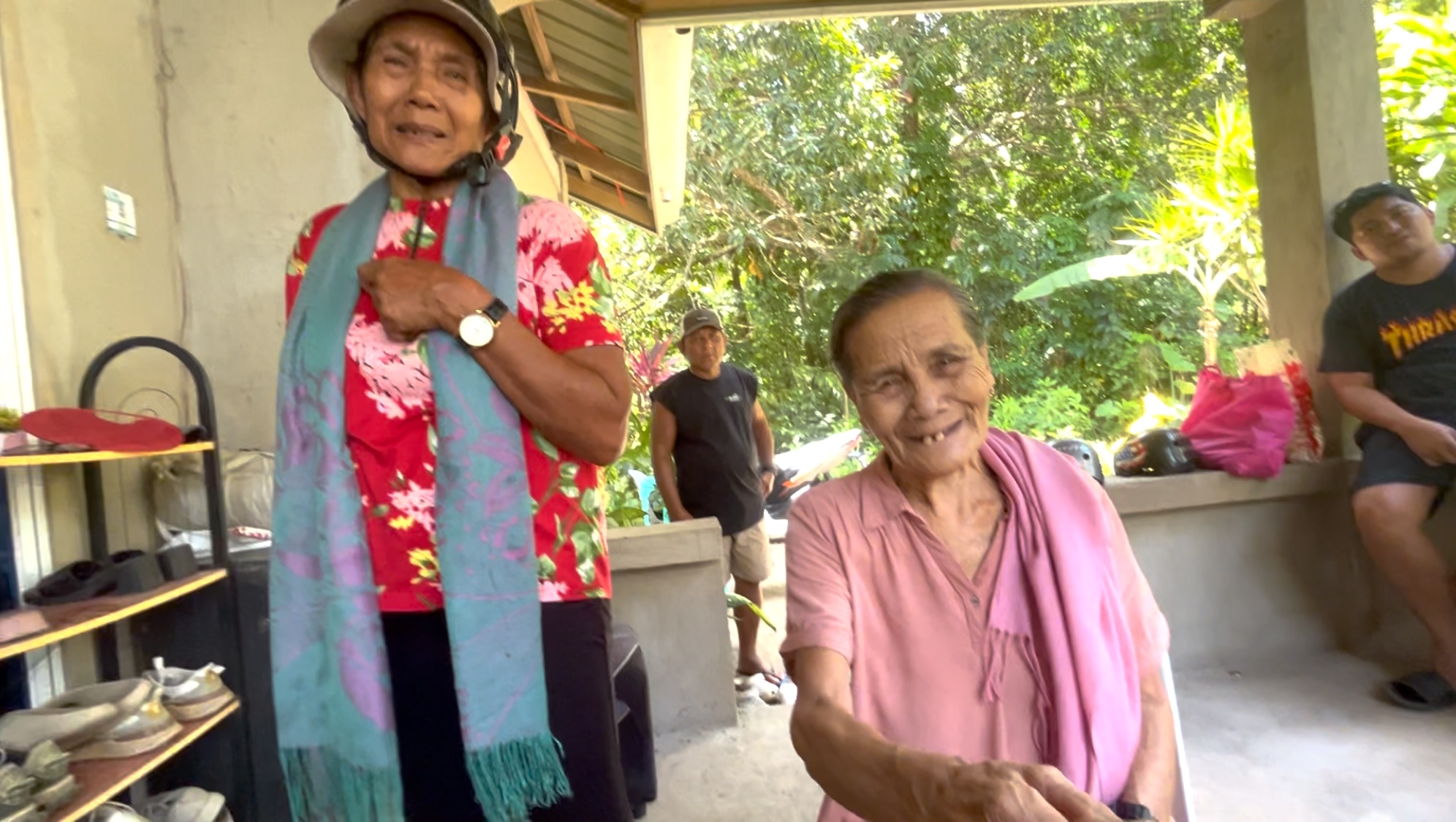
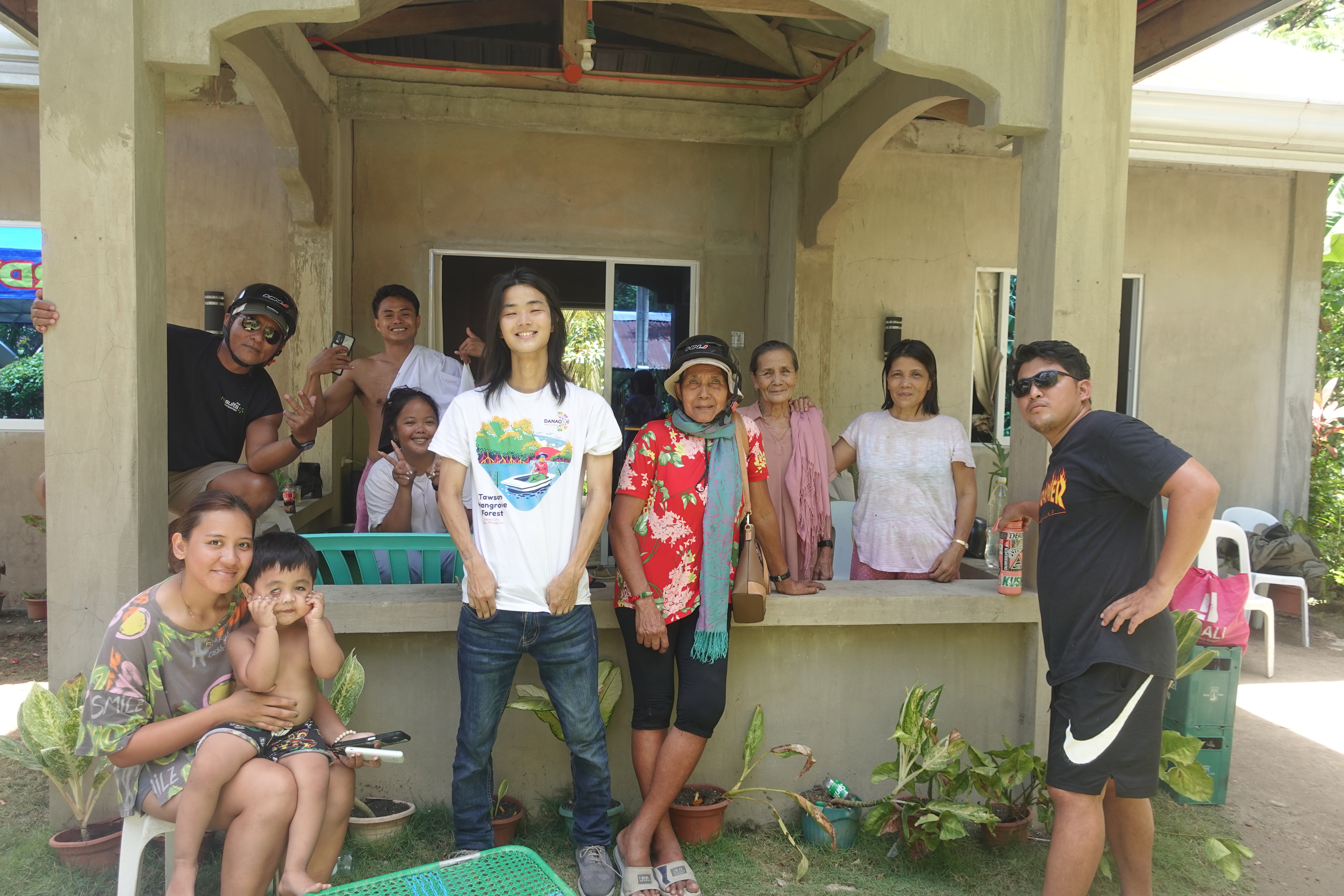
But my biggest realization didn't come from the food. It came from Johncarlo's grandmother. When I arrived on day one, she was cold, distant, and quiet. I felt like a complete outsider. But by the final morning, after watching me fail, laugh, and eat everything put in front of me, she looked at me with the warmest smile and whispered: "Balik balik (Come back again)."
I came as an outsider looking for a story. I left feeling like a student who has barely scratched the surface.
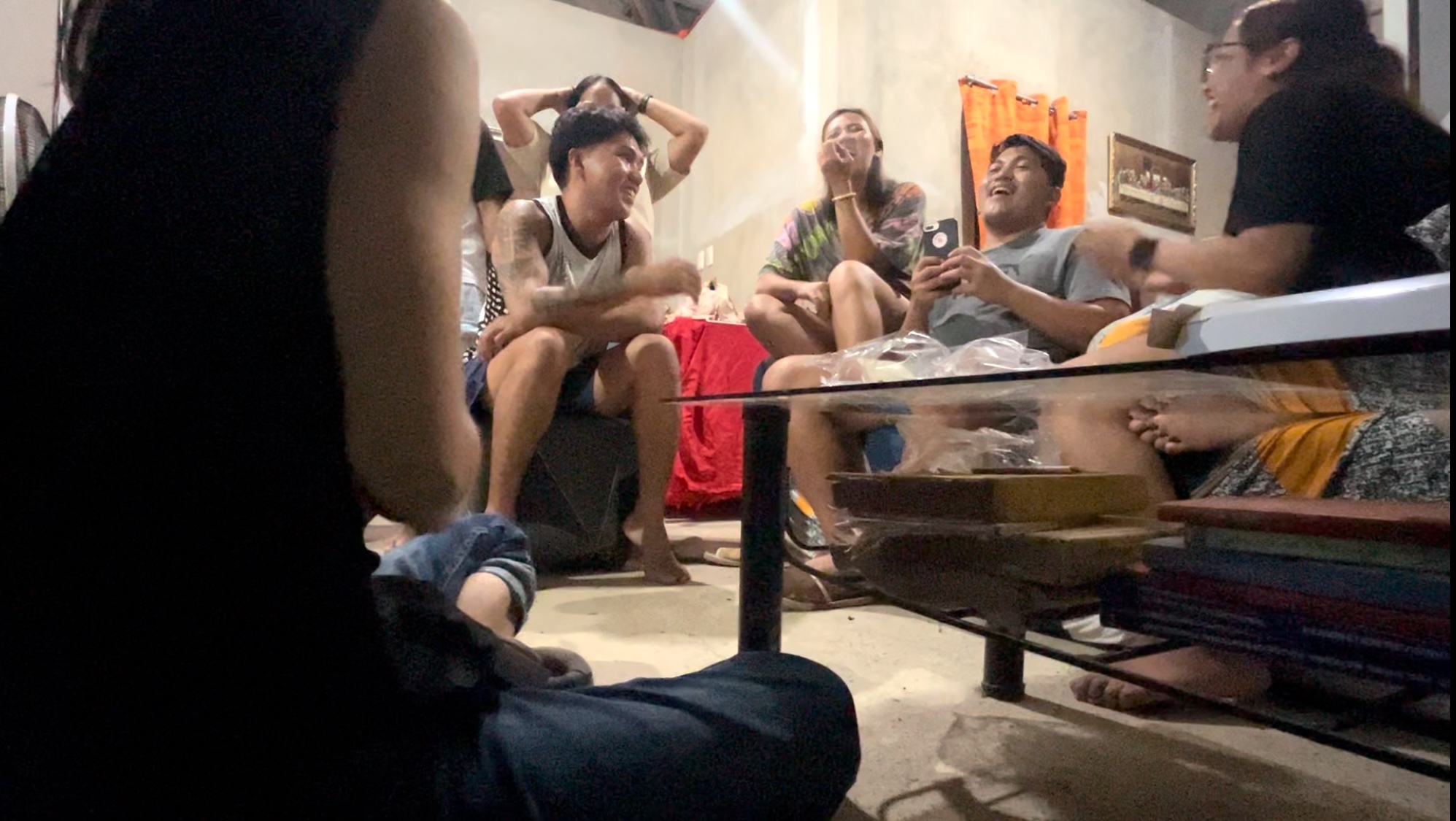
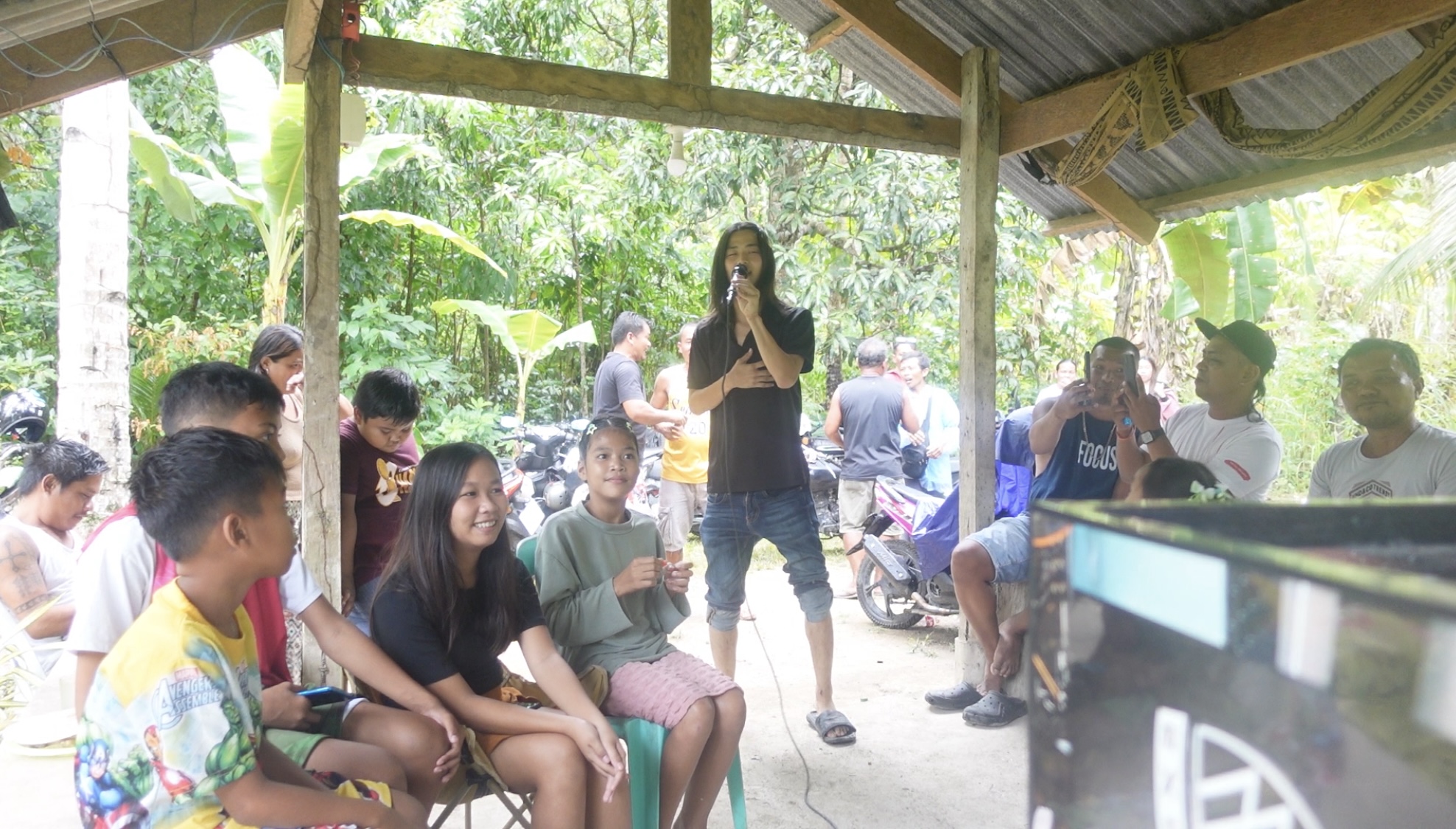
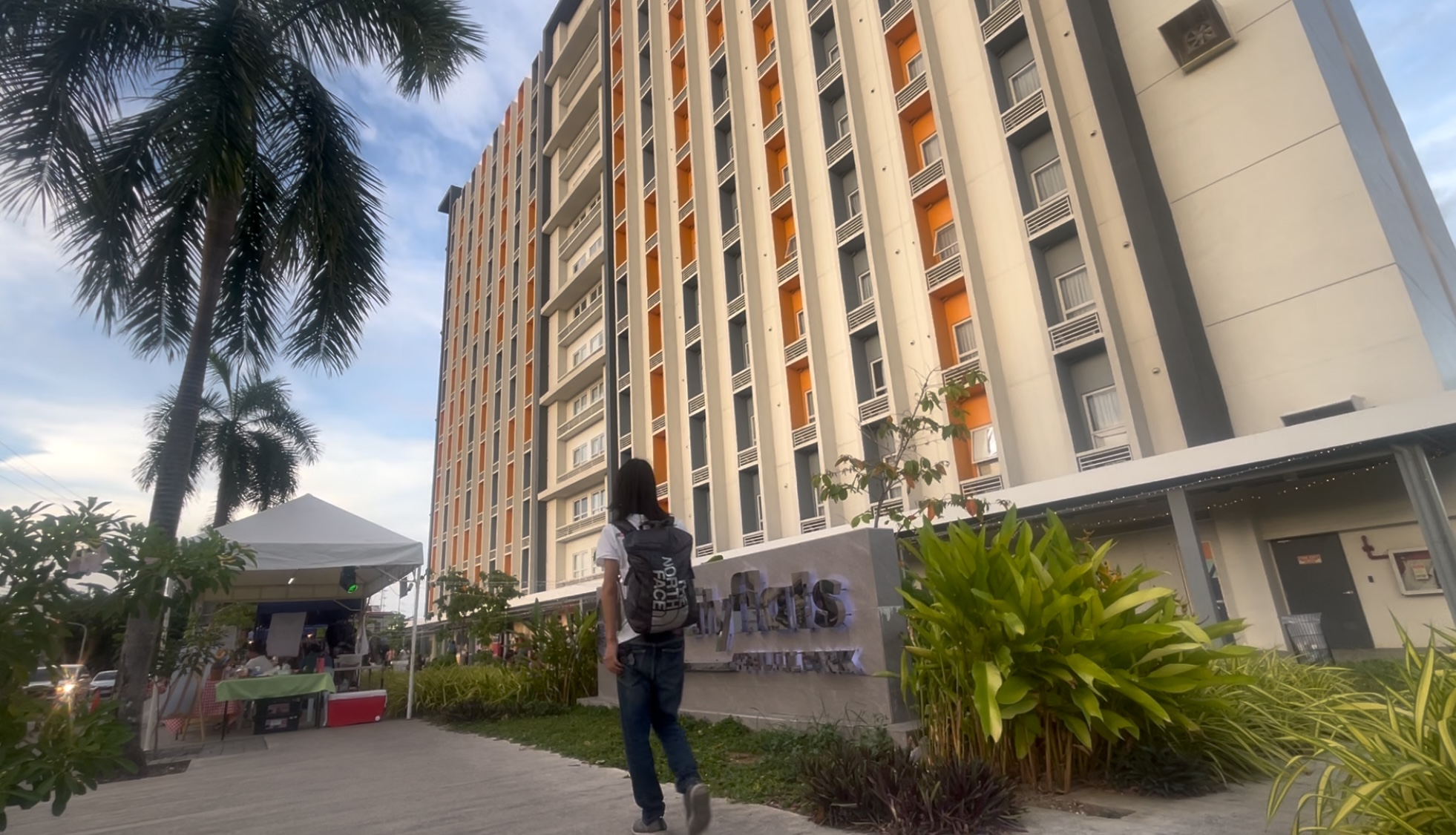
After three long, chaotic, and beautiful days of drinking Redhorse, singing Voltes V on karaoke, and being held hostage by local hospitality, my storage ran out, my energy hit zero, and I finally made it back to IT Park.
Sitting in my room in the middle of the city, looking at the city lights, the contrast feels surreal. IT Park is my basecamp, but my heart is still up in that mountain barangay in Catmon.
I still don't know all the words. I still mix up the dishes. But Cebu keeps teaching me, one fiesta, one mistake at a time.
Daghang salamat, Can-Ibuang. Puhon. 🖖
I arrived on May 22nd, the afternoon before the fiesta began, and followed the preparation from the very start — from the moment one pig became the centerpiece of an entire community's labor. Watching that process unfold — the slaughter, the hours of careful roasting, the fire tended through the night — reframed what Lechon actually is. It's not a dish. It's a declaration. A whole animal, 30,000 to 40,000 pesos worth of effort, offered freely to anyone who shows up. That number came directly from the people making it. I don't think I'd have understood the gravity of it any other way.
Somewhere around 4:30 in the morning, exhausted and slightly delirious, I realized I wasn't filming a story anymore. I was inside one. The kitchen smelled of wood smoke and pork fat and something harder to name — the particular warmth of people who have been doing this together for decades. I ran on almost no sleep for three days. On the final night, they took me to a disco. I lasted maybe twenty minutes before I told them I was going to the bathroom. I walked home instead and passed out. Even my escape was Filipino-style: indirect, apologetic, and completely understandable to everyone involved.
The grandmother's silence on day one felt like a wall. Her smile on the final morning felt like a door I hadn't known was there. Between those two moments was nothing I could have planned — just three days of failing out loud, eating with my hands, and showing up. That might be all it takes. I'm still not sure. I'm still learning.
The word "bayanihan" gets used a lot — in tourism campaigns, in school textbooks, in speeches. I thought I understood it. Then I stood in a mountain barangay kitchen at 4 AM, watching strangers cook for strangers who weren't strangers at all, and realized I had only ever understood it as a concept. What I witnessed in Can-ibuang was bayanihan as a verb. As a daily operating system. Nobody was performing community. They were just living inside it.
The food surprised me most. Lechon Paksiw on the final morning — yesterday's feast reborn as soup — is a philosophy disguised as a recipe. Nothing is wasted. The second day's version of Humba is richer than the first. There is something in that worth sitting with: the idea that transformation, not preservation, is how traditions survive. Johncarlo's answer about the fiesta not fading has stayed with me. He didn't say it was thriving despite modernity. He answered so casually — like the question itself didn’t really make sense. That confidence, quiet and total, was the most Filipino thing I encountered all weekend.
I still don't have the right words for all of it. I'm not sure I ever will. But I think that's the point — Cebu keeps offering lessons that can't be summarized in a caption. The fiesta is one of them. And I'm already counting the days until I can go back.
There's still so much I haven't tasted, so many kitchens I haven't been let into, so many fiestas I don't even know exist yet. Three years in, and I feel like I've barely introduced myself.
The real story wasn't the food I kept mislabeling — it was watching a grandmother who was cold and distant on day one turn, by the final morning, into someone whispering "balik balik," after nothing more than three days of me failing, laughing, and eating whatever was put in front of me.
| Date | May 22–24, 2026 |
|---|---|
| Location | Can-ibuang, Catmon, Cebu |
| Event Type | Barangay Fiesta (Patron Saint Festival) |
| Access Method | Personal Invitation (via Johncarlo) |
| Food Featured | Lechon, Lechon Paksiw, Caldereta, Nilagang Baboy, Humba, Puso, Redhorse |
| Cost to Attend | Free — Bayanihan-style open table |
| Rarity | 🟨🟨🟨🟨⬜ — Mountain barangay fiestas this open to outsiders are genuinely rare; access required a personal invitation from a local |
| Bayanihan Index | Maximum — entire community mobilized for 3 days; cooking, feeding, and hosting done collectively with no expectation of return |
I still don't have the right words for all of it, and I'm not sure I ever will — there's so much I haven't tasted, so many kitchens I haven't been let into, so many fiestas I don't even know exist yet.