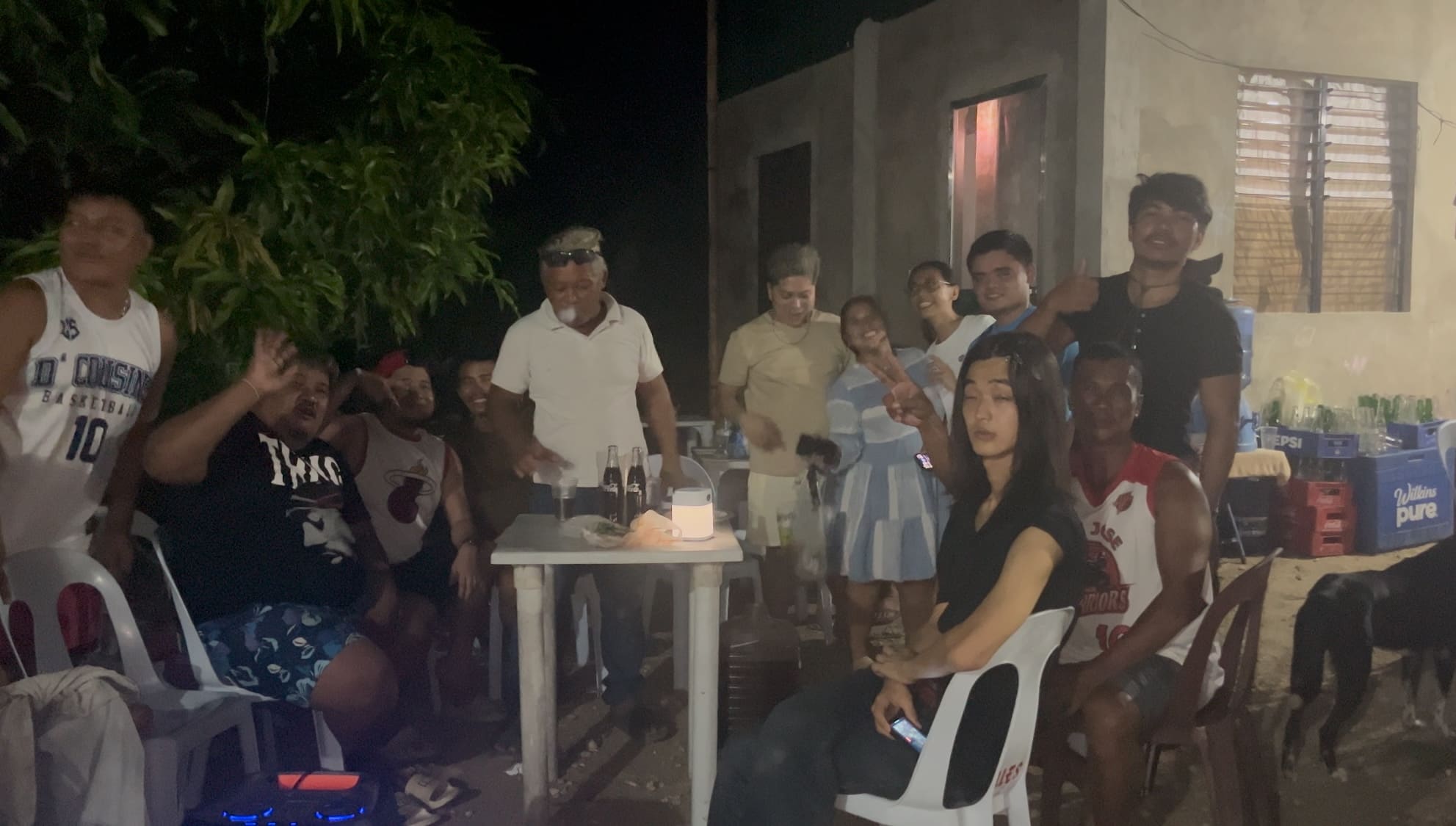
I thought I was going to a birthday party. Instead, I walked into something I had never seen before. I've been living in Cebu for almost 3 years. A friend invited me to a birthday celebration.
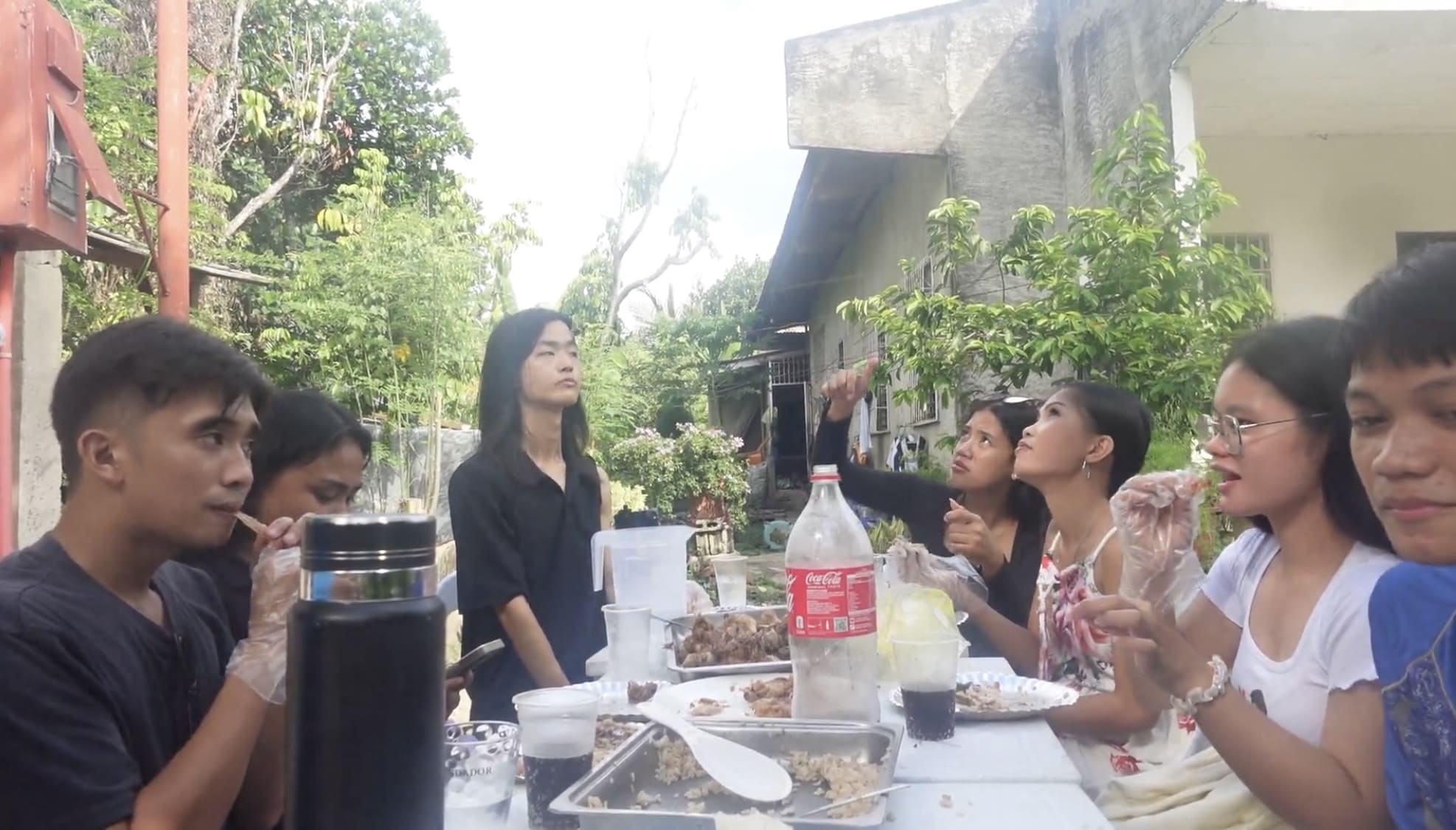
When I arrived, I asked "How many people are coming?" She looked at me and casually said, "Around... sixty."
I thought the surprising part would be the number of people. But I was wrong.
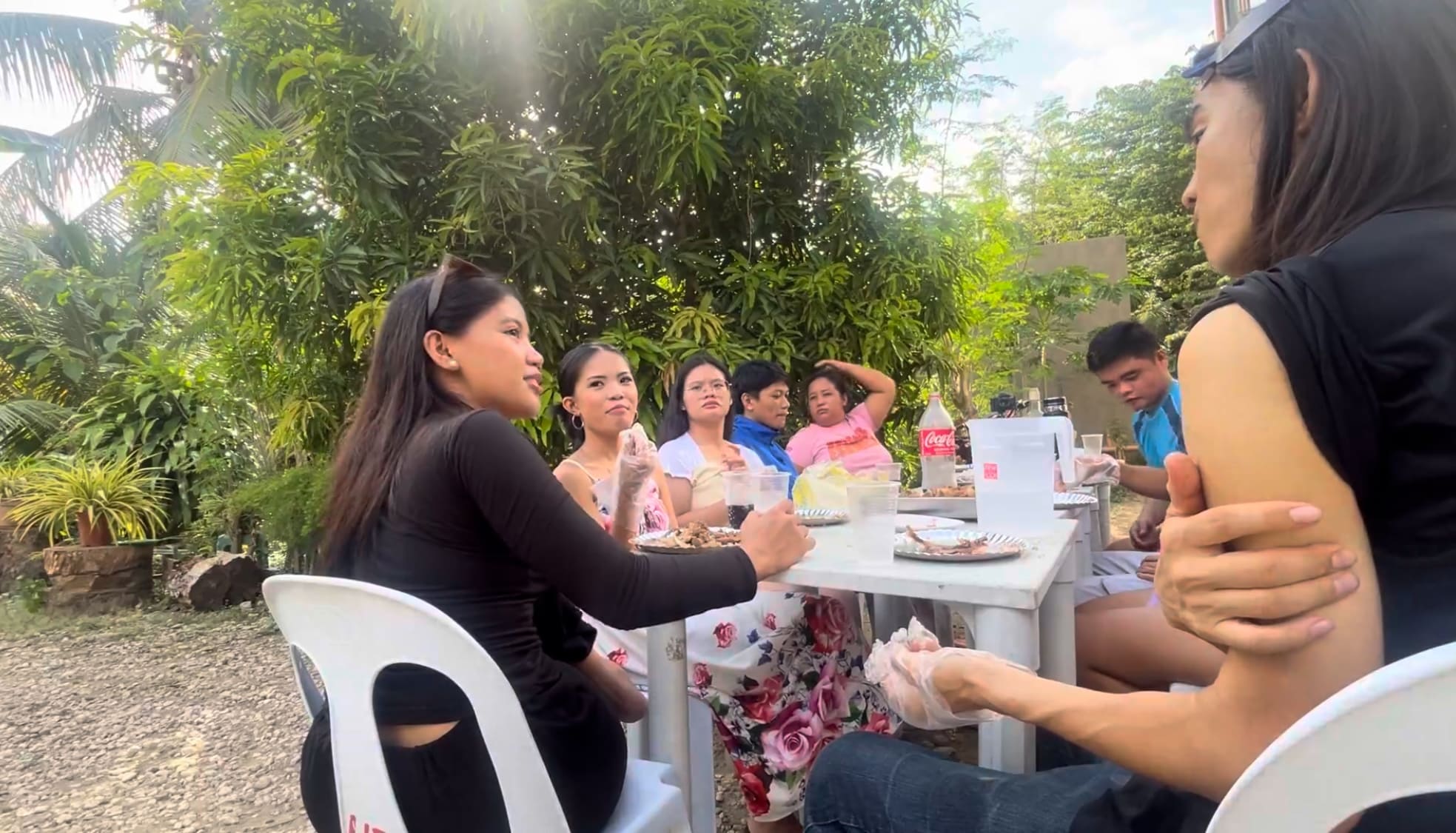
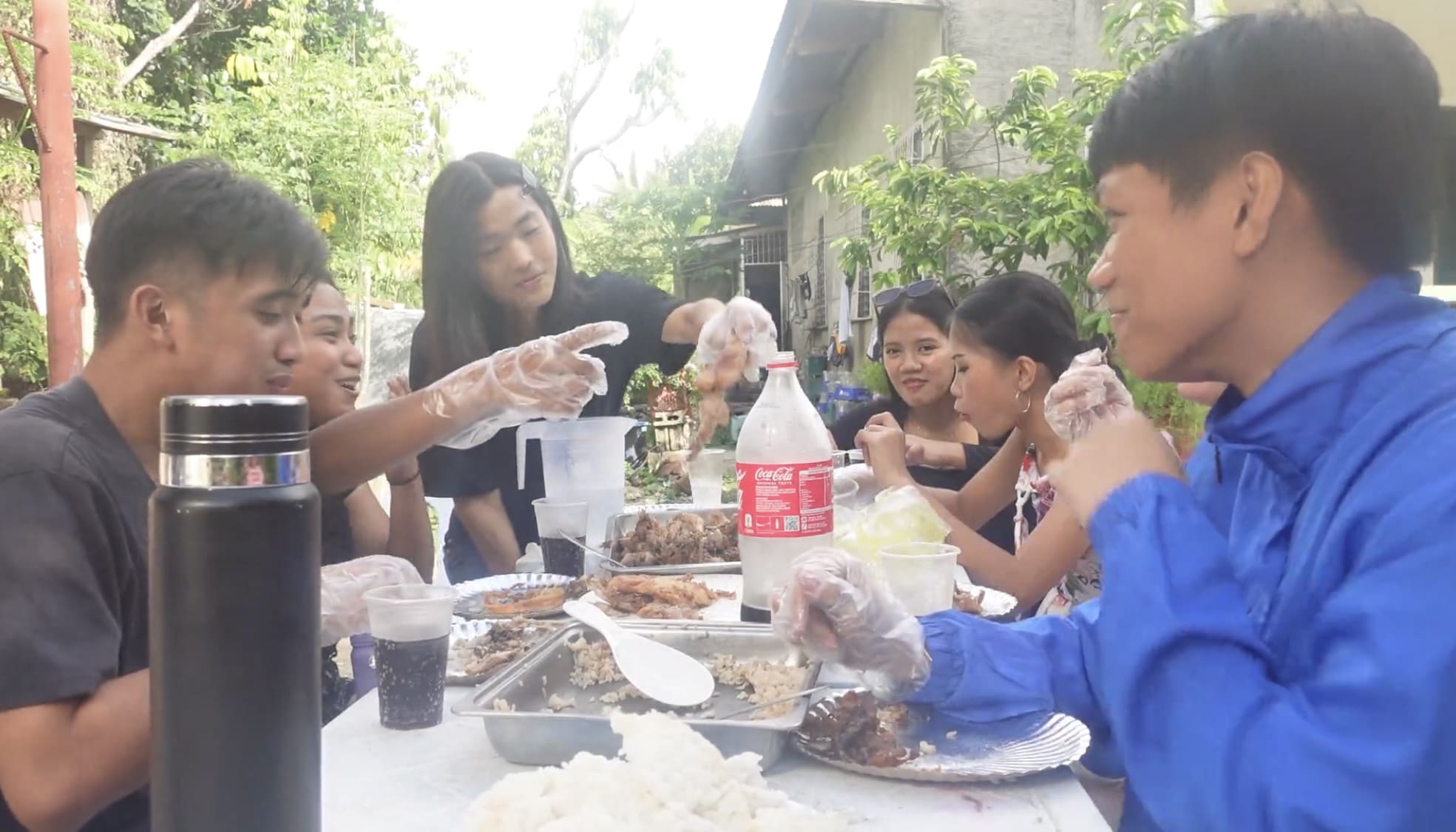
There were already some people there. But then, one after another. More kids. More grandparents. More neighbors. More friends. People of every age started gathering together.
So I naturally assumed they were all relatives. I kept asking, "You're family?" Some smiled. Some laughed.
Then I finally asked the question that had been stuck in my head. "Why do so many people come together to celebrate birthdays here?" She smiled and simply said, "That's part of our culture." That one sentence changed everything.
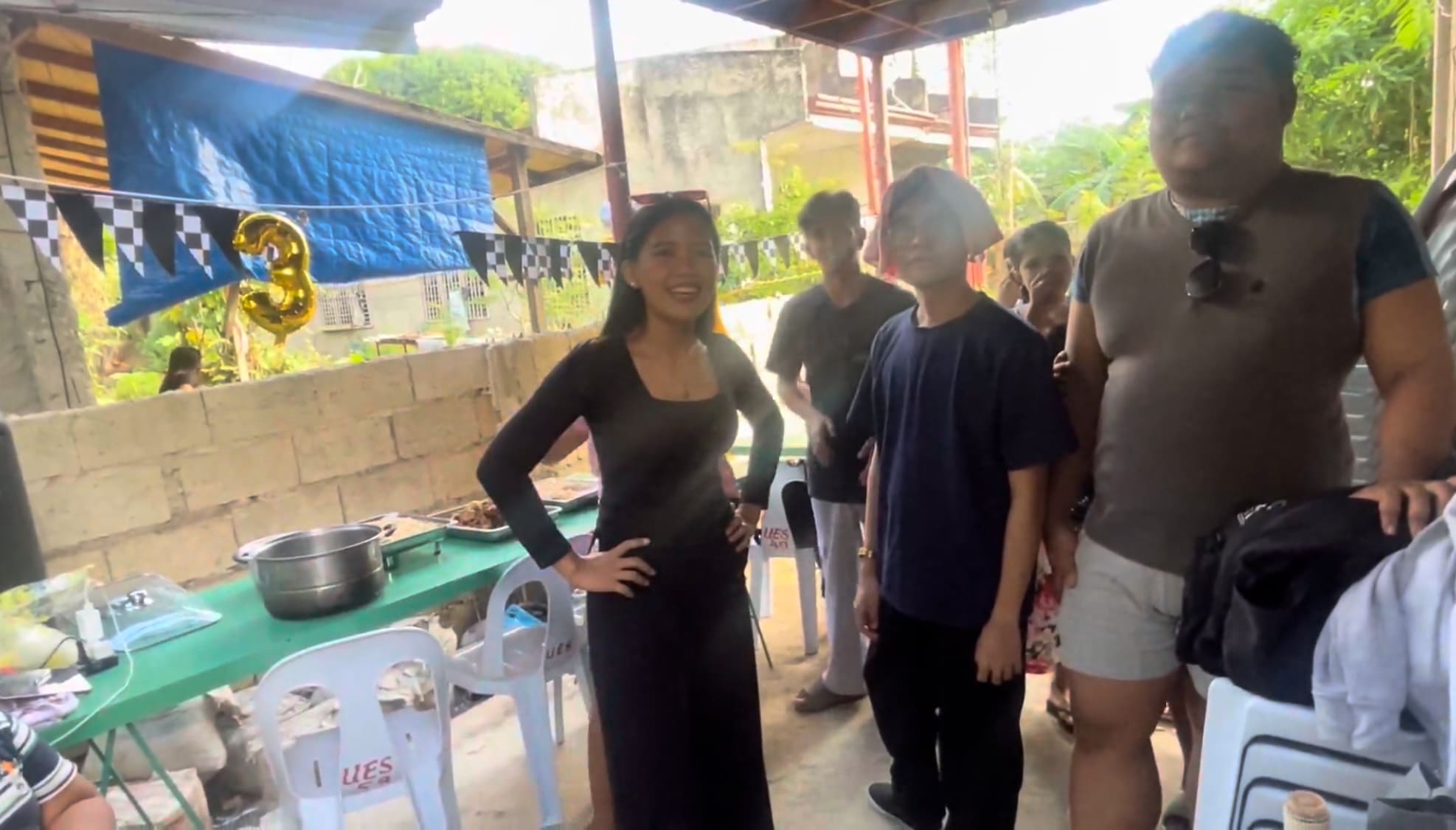
Back home in Japan, birthdays are often smaller gatherings. Here, they seem to belong to the entire community.
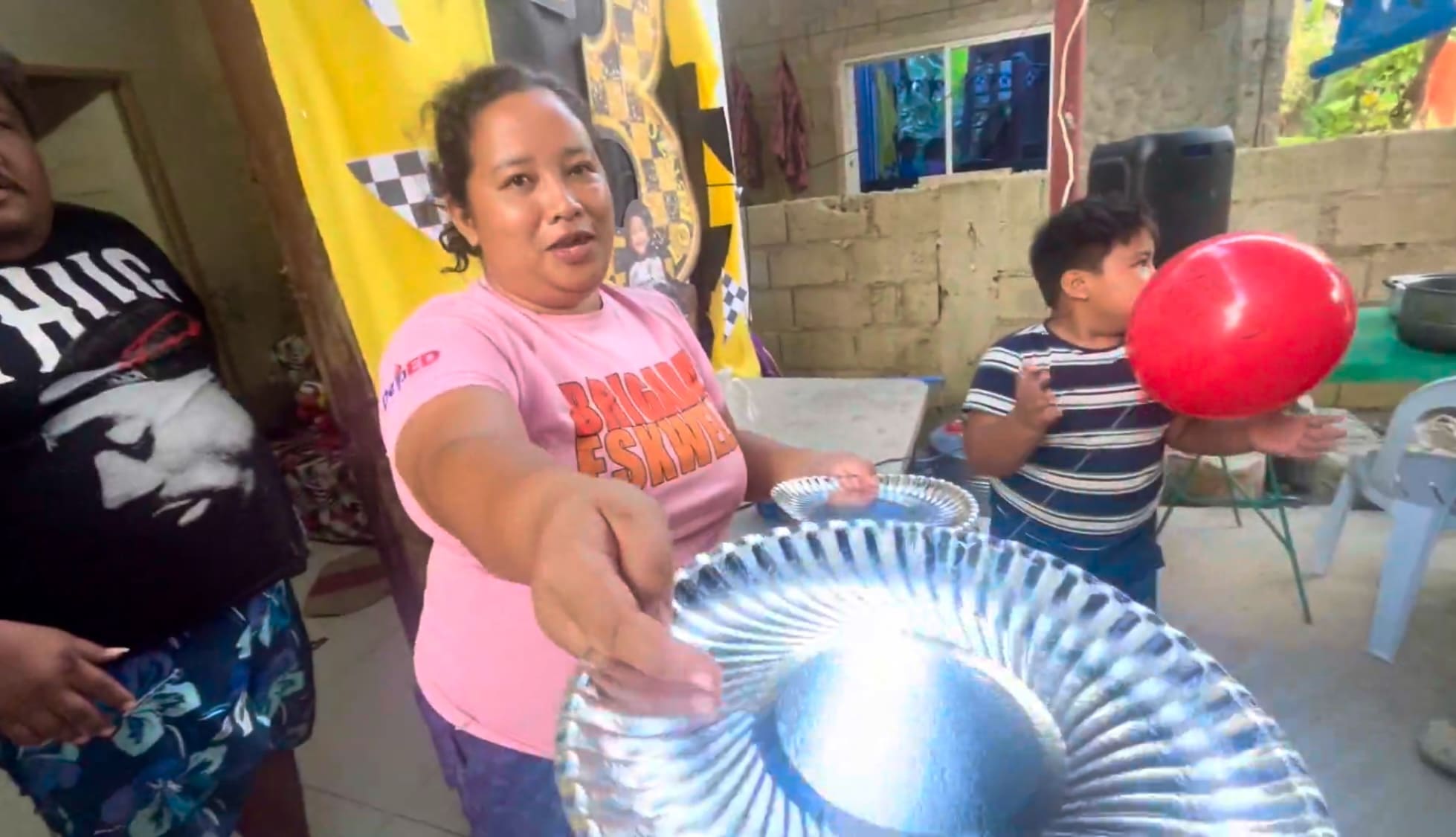
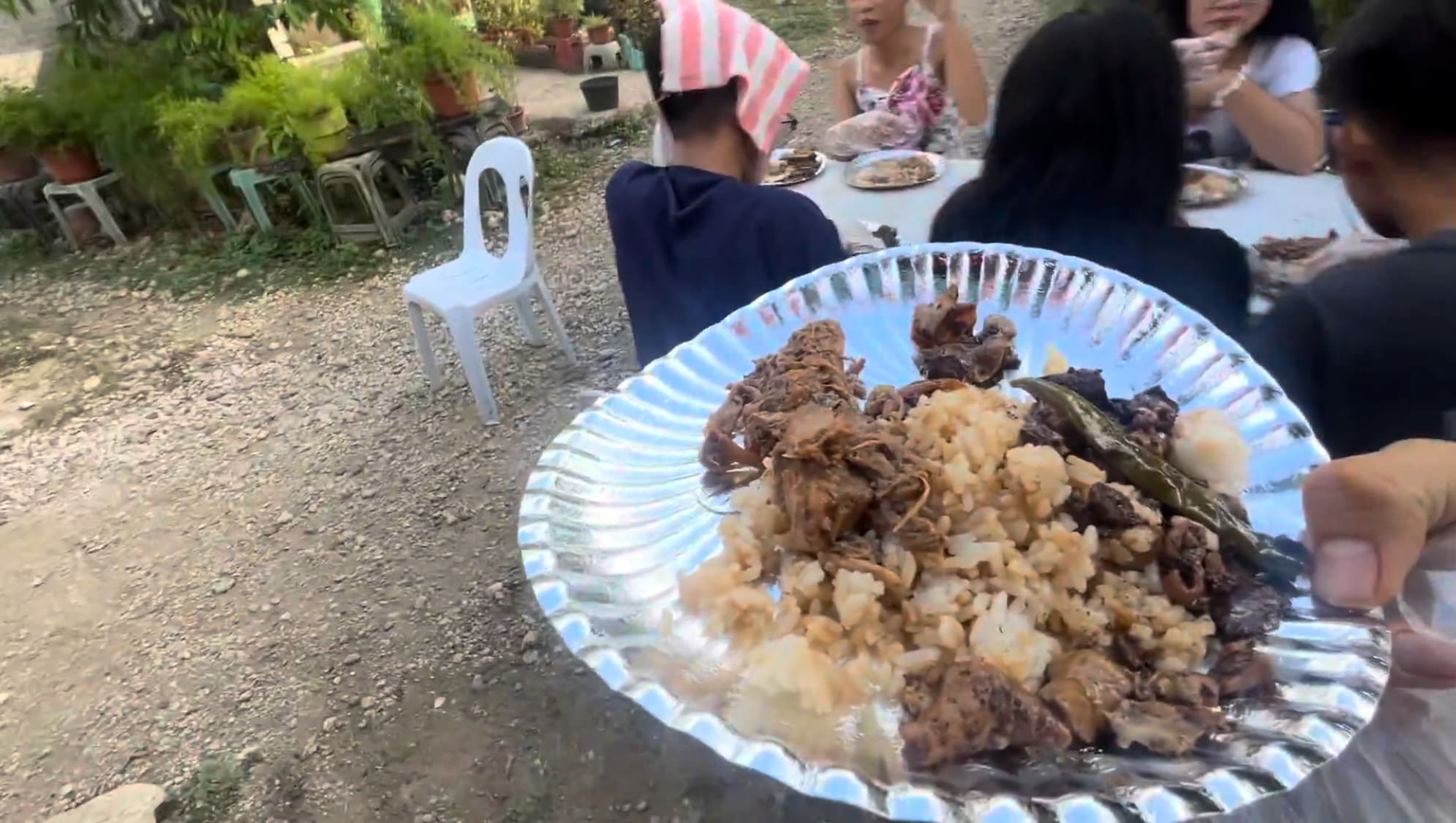
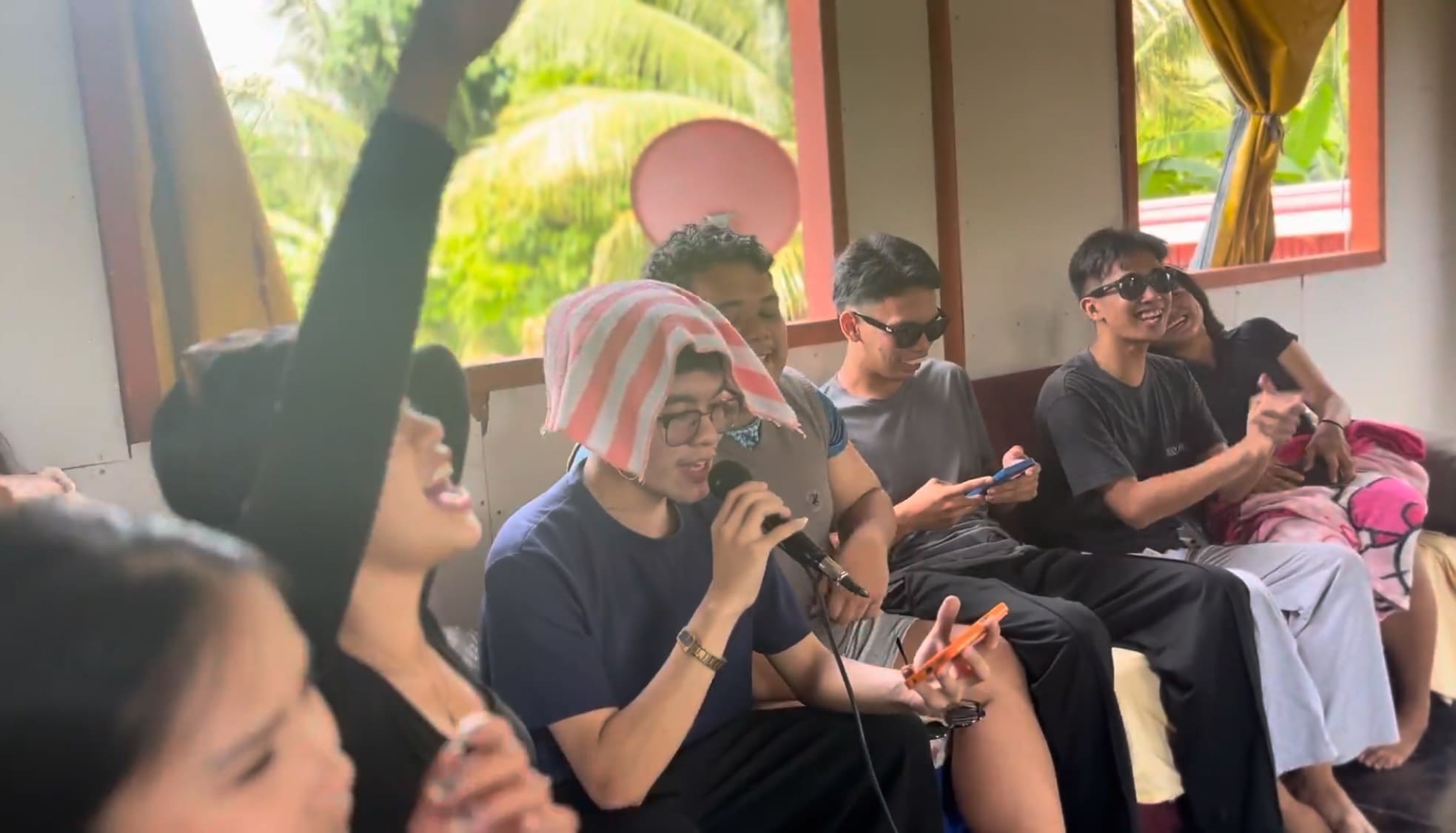
Suddenly the food made sense. The videoke made sense. The endless conversations made sense. Even people I'd never met before were handing me plates and telling me, "You eat." Nobody seemed worried about whether you belonged there. You just... did.
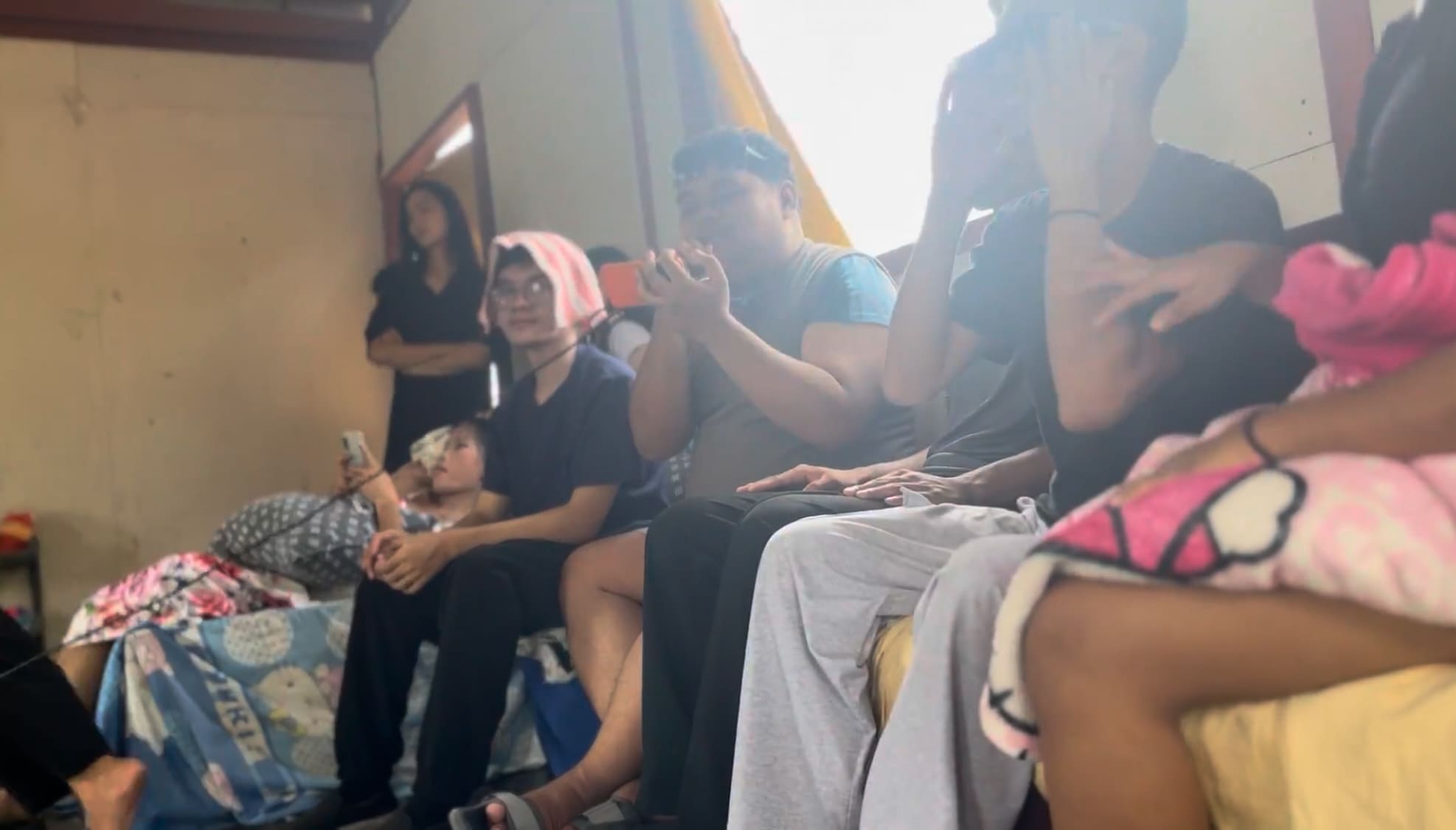
I thought I was investigating a birthday party. But I ended up discovering how communities stay connected.
After a long day, I finally made it back to IT Park. But I kept thinking about one thing— Maybe birthdays here aren't really about the person turning one year older. Maybe they're about reminding everyone else that they're still connected. Still learning. Still exploring. One conversation at a time.
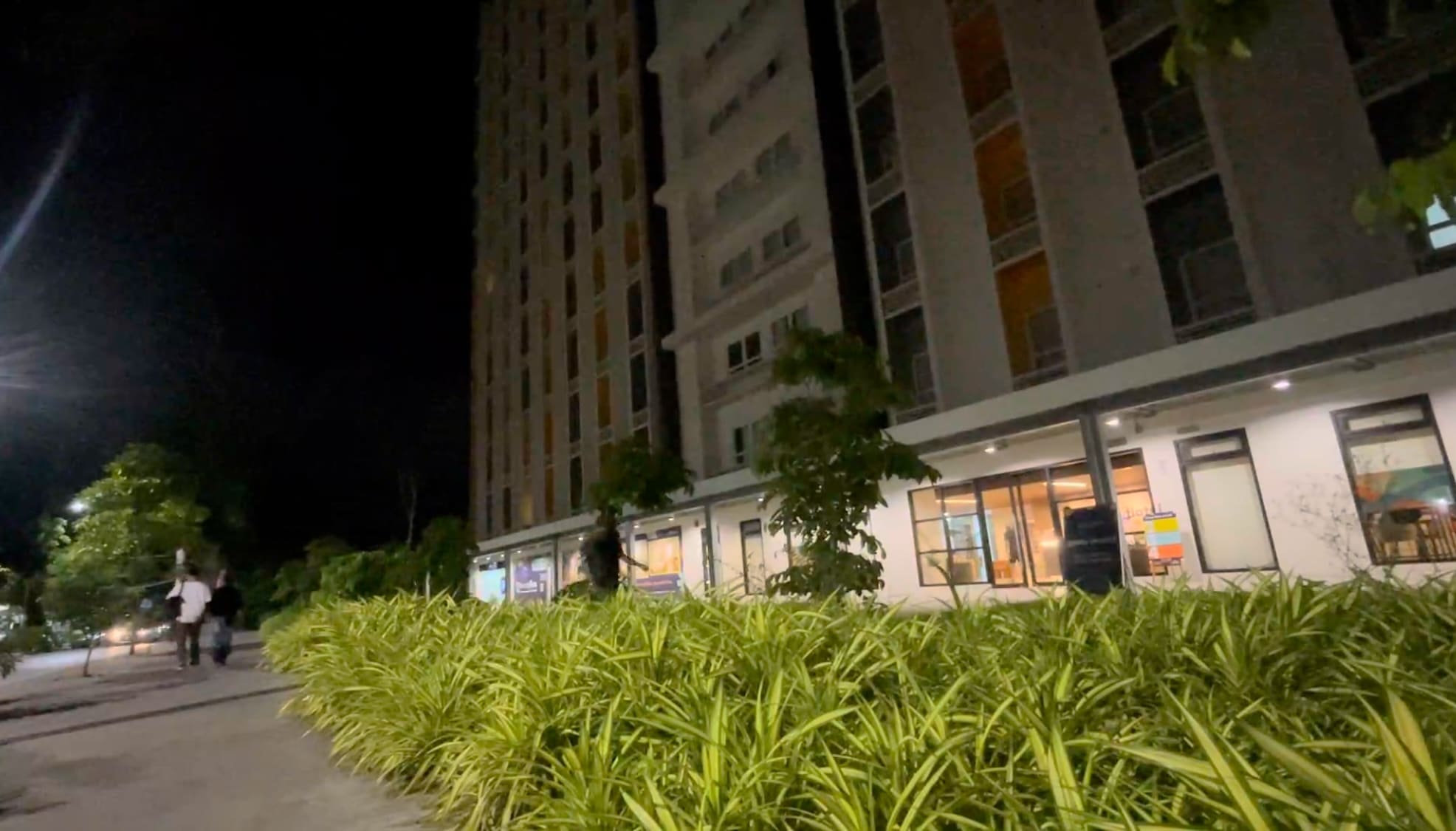
Daghang salamat🙏
What struck me most about this celebration wasn't the size of the crowd — it was the shape of it. In Japan, a birthday belongs mostly to the person having it: a small circle, a quiet dinner, a handful of close friends. Here in Argao, I started to wonder if birthdays work differently — less like a celebration of one person turning a year older, and more like a ritual that reminds an entire community that it's still connected. The food, the videoke, the strangers handing me a plate and saying "you eat" — all of it seemed to say the same thing: you belong here, whether we've met before or not.
I don't want to overstate what I saw. This was one family, one afternoon, one household's particular way of doing things, and I can't say for certain that every birthday in the Philippines looks like this. But it was enough to make me question something I'd taken for granted. Maybe I've only glimpsed the surface of what a Filipino birthday actually means — and there's still a lot I don't fully understand about why an entire community shows up for one person's day.
I kept assuming everyone there was family until they laughed at the question — the birthday wasn't really about the person turning a year older, it was a ritual reminding an entire community that it's still connected.
| Date | July 4, 2026 |
|---|---|
| Location | Argao, Cebu |
| Event Type | Birthday Celebration (Community Gathering) |
| Access Method | Invited by a local friend |
| Food Featured | Community Birthday Feast & Videoke Night |
| Cost to Attend | Free (as an invited guest) |
| Rarity | 🟨🟨⬜⬜⬜ — Birthday gatherings are common in Cebu, but this scale of open, all-ages turnout is a distinct cultural moment. |
| Bayanihan Index | High — neighbors, friends, and even strangers gathered and fed each other without a formal invitation, reflecting strong communal ties. |
I still don't know if this is how every Filipino birthday works, or just this one household's particular way of doing things — there's a lot I don't fully understand about why an entire community shows up for one person's day.