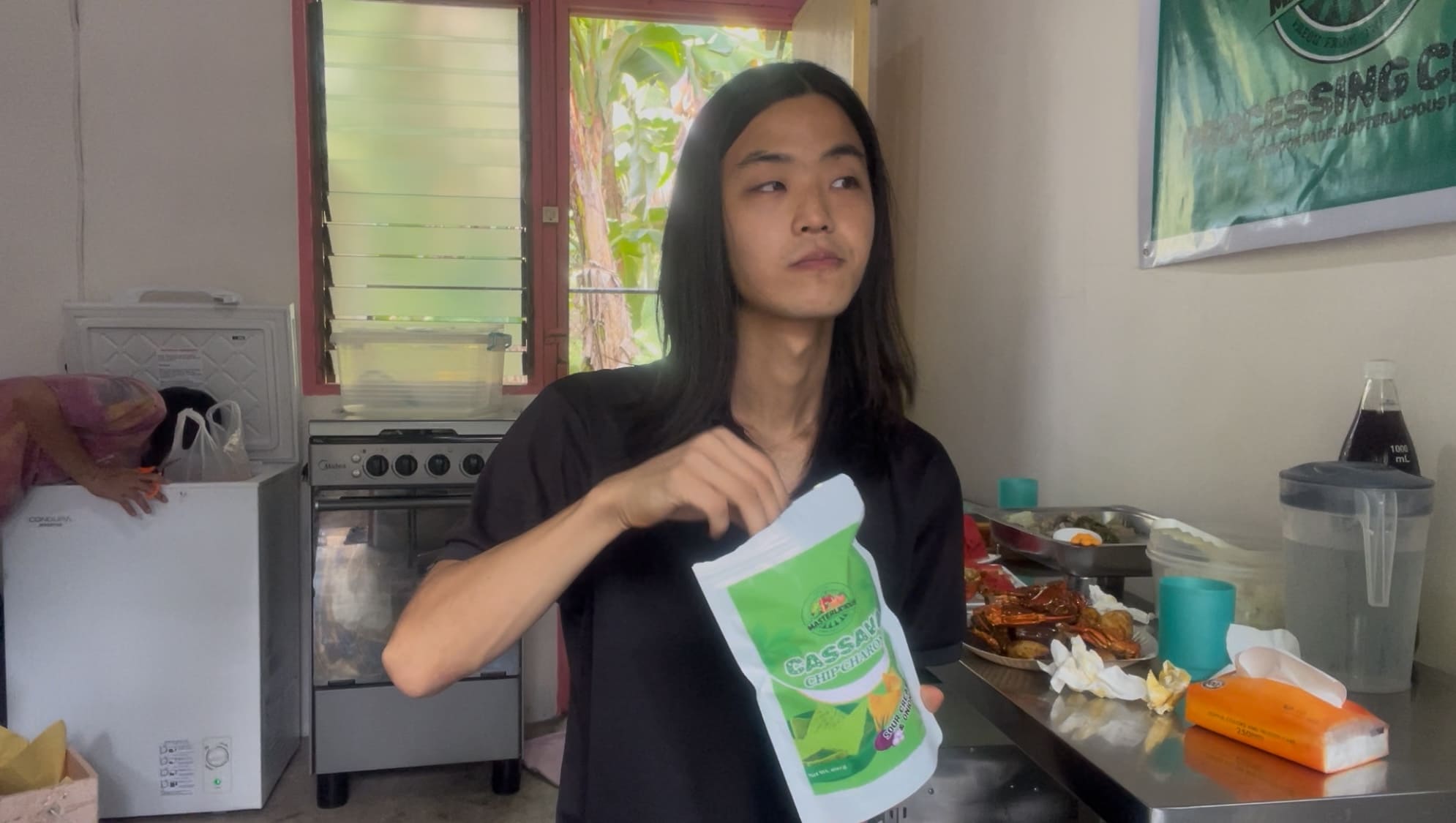
I came to the mountains of Cebu to understand why cassava survives.
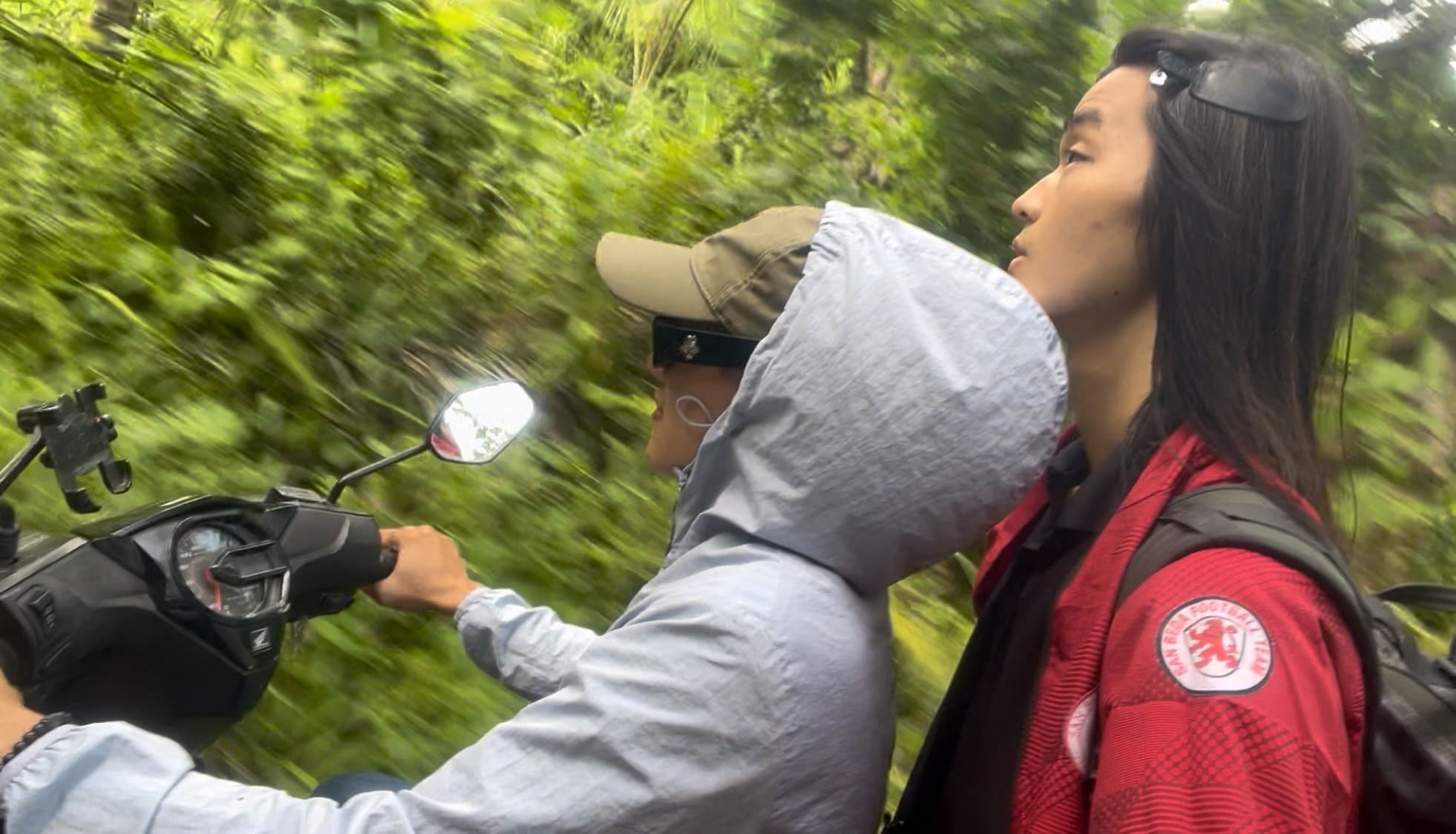
Melvin showed me a field under the kind of heat that makes you question how anything grows there.
Then he showed me what was growing in the soil.
Cassava.
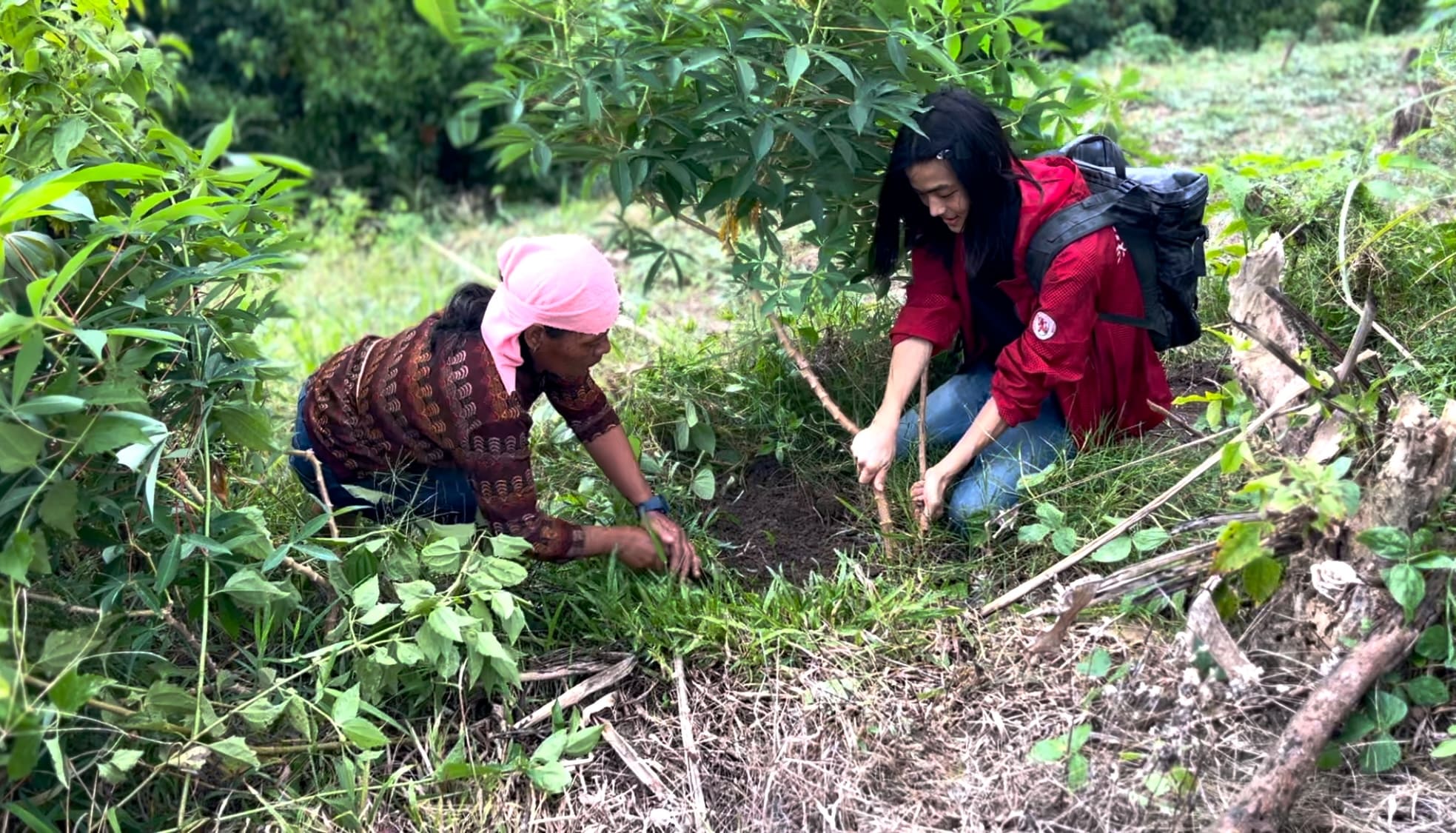
Still growing.
Still surviving.
But that made me wonder—
If it can grow here,
why doesn't everyone grow it?
So we went deeper.
About two hours by motorcycle.
Mountain roads.
Rain.
A small farming community far from the city.
And then I learned the problem wasn't growing cassava.
It was finding people who would buy it.
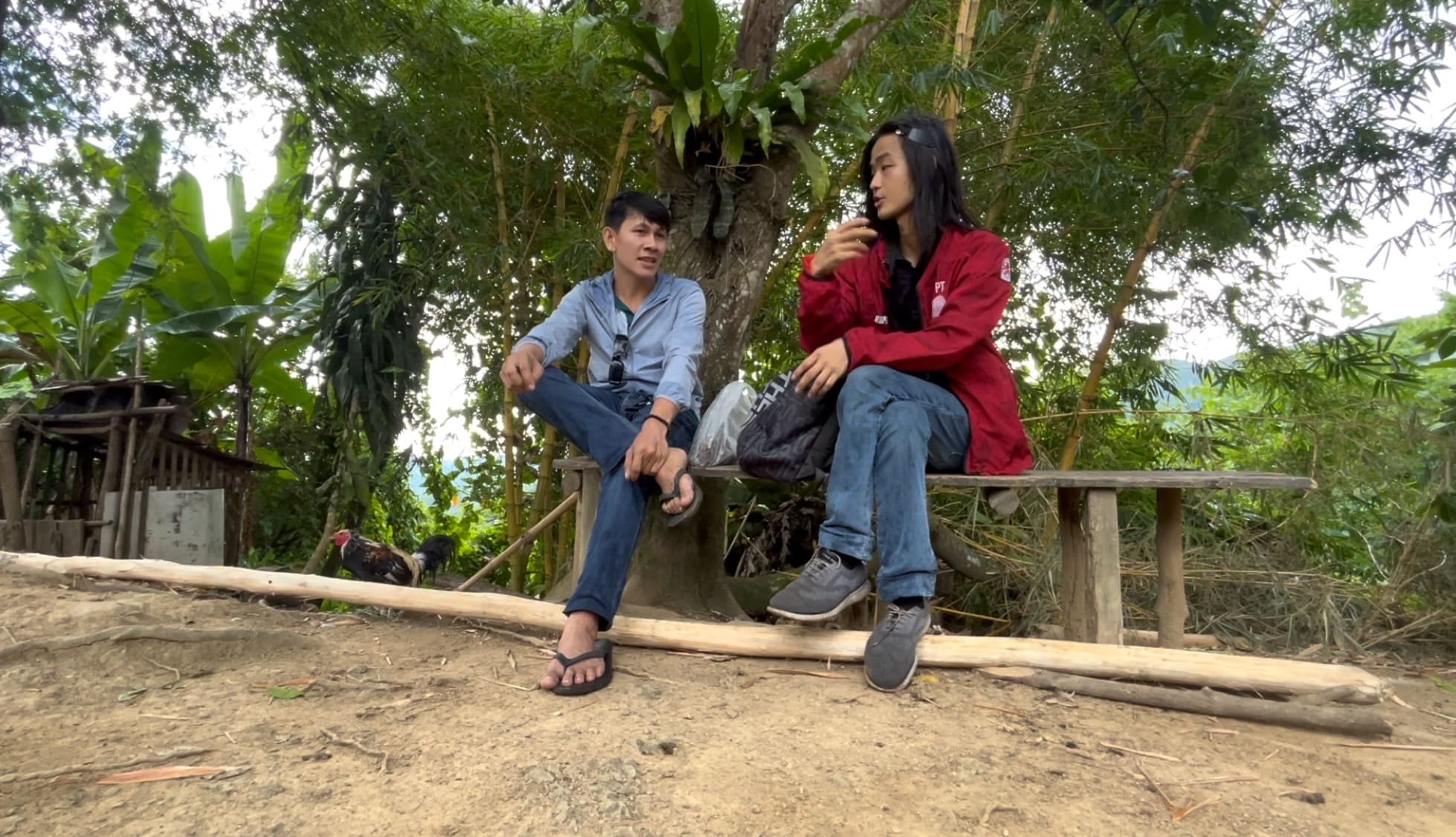
“Cassava can be made more money, but it’s depending on the consumers…”
“They don't plant cassava because we have no consumers.”
“Rice is essential.“
So I asked myself:
Then why keep growing cassava?
The answer surprised me.
It wasn't just about money.
At the farmers' association, Melvin explained:
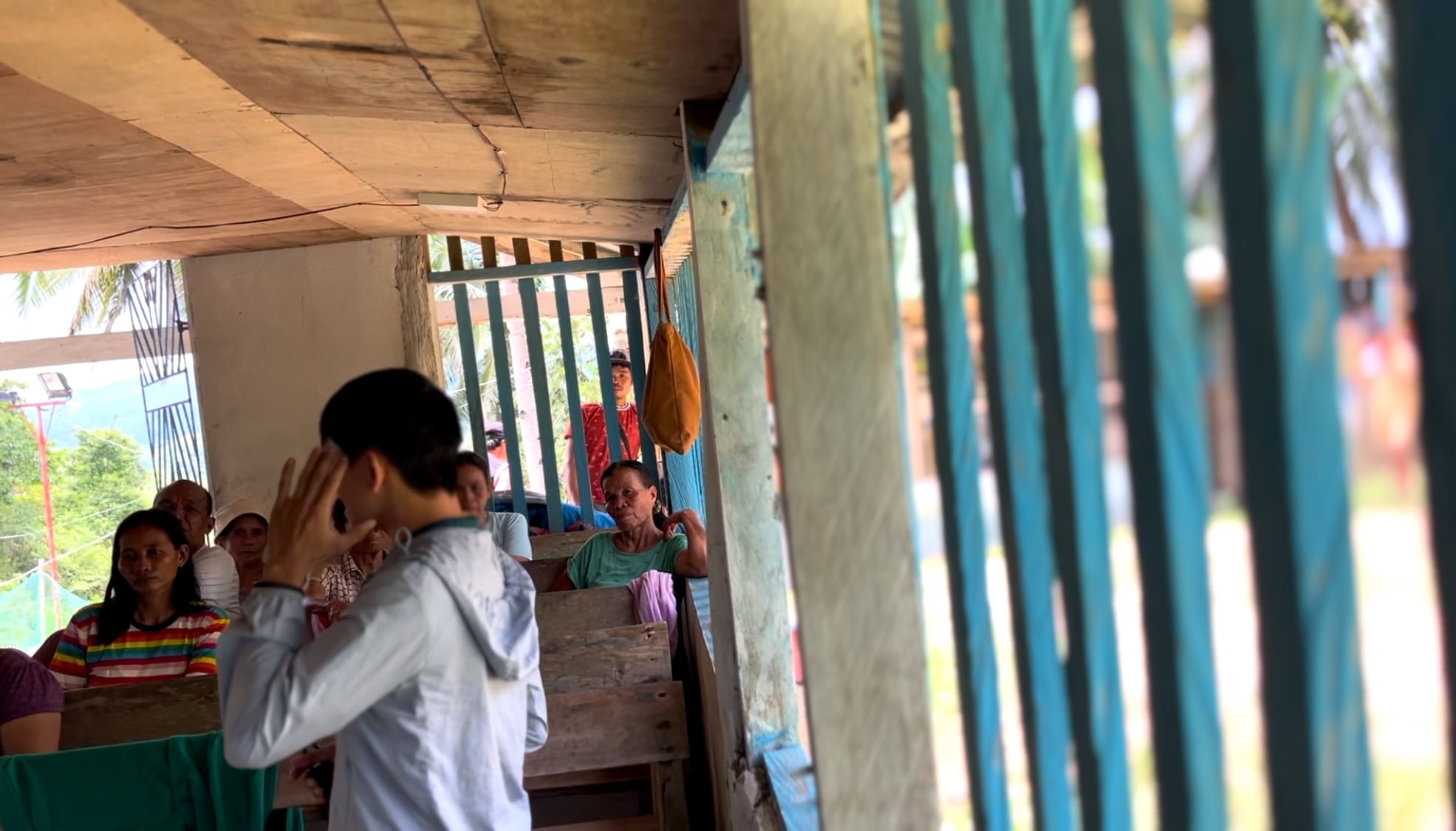
“We can't focus into one crop production due to the market."
"If we focus to one crop, there's a possibility that crop is in low demand this season.”
And later, while talking with Nanay Nina, I heard something much simpler.
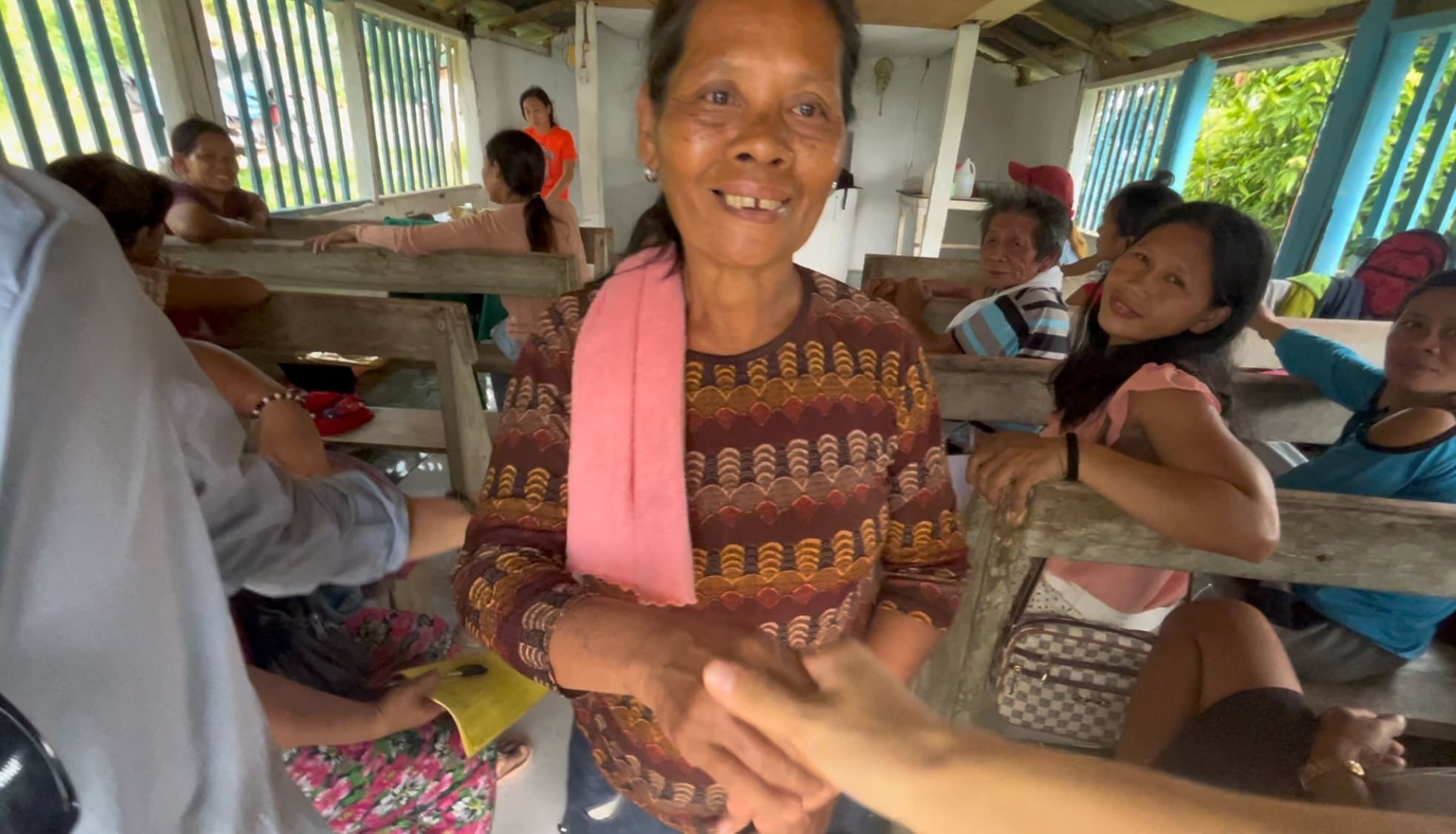
“The happiest time — when the crops grow, and they see it growing day by day.”
That stayed with me.
Because I came here thinking I was looking for a crop that could survive extreme heat.
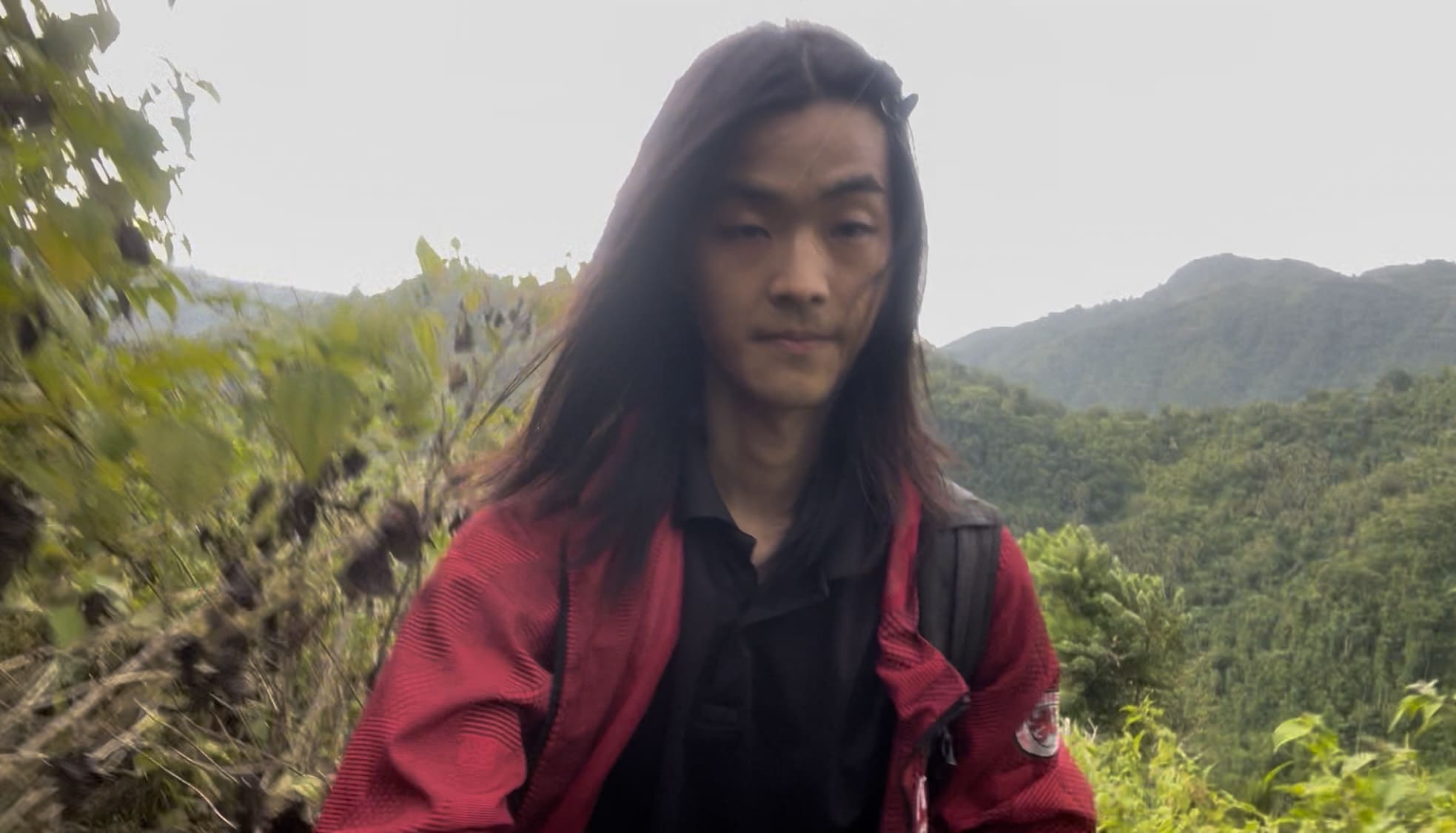
But I was really looking at the people who keep choosing to grow it.
Almost three years in the Philippines, and I’m still learning that food stories rarely end with the food itself.
Sometimes they lead to farmers.
Markets.
Families.
And entire communities trying to keep something growing.
After a long day in the mountains, I finally made it back to IT Park.
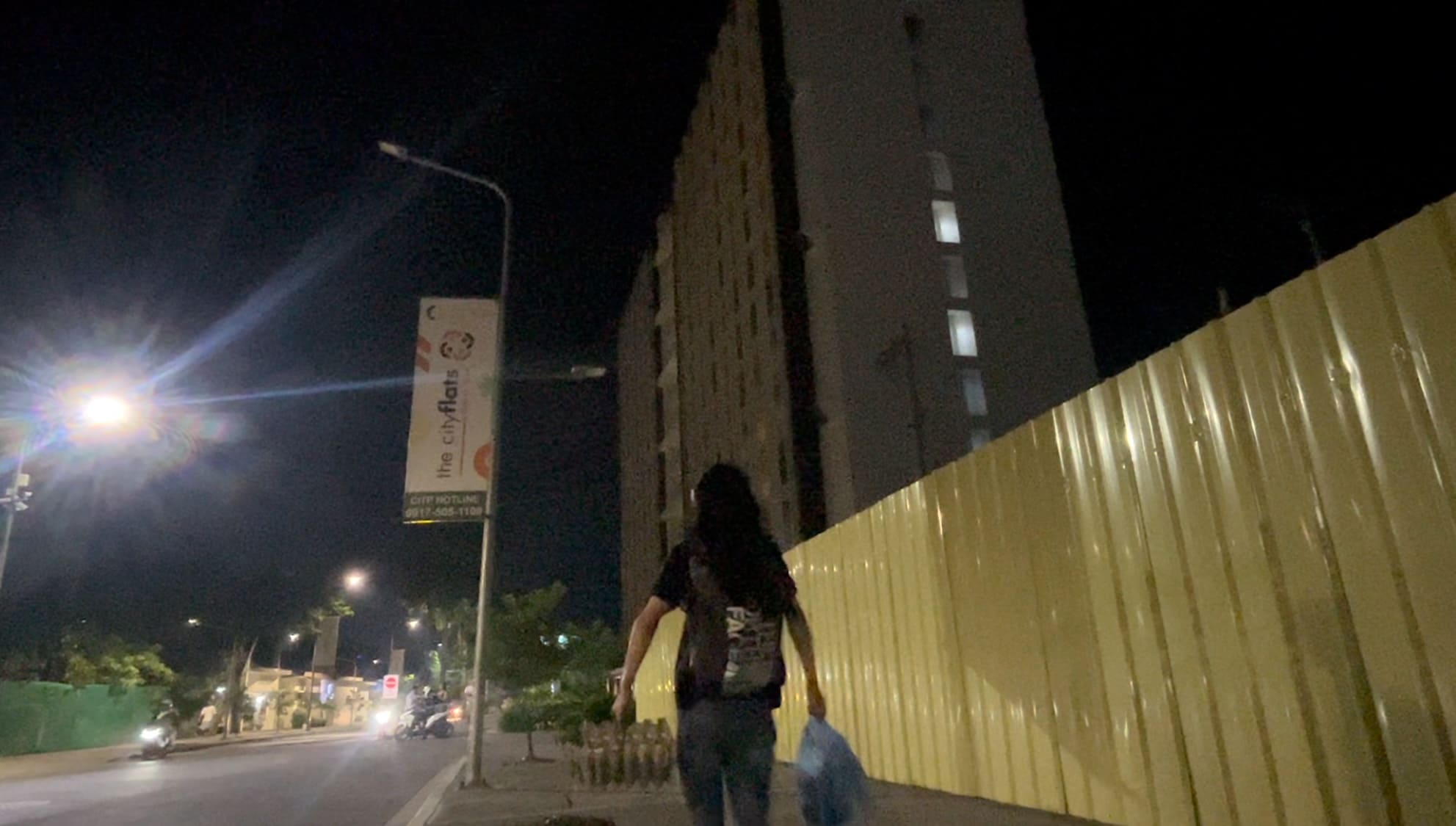
The city felt very different that night.
I came here to understand why cassava survives.
I left understanding why surviving isn't enough.
Still Learning.
Still Exploring.
One local story at a time🙏
I went in expecting a story about heat and soil. Melvin gave me a story about consumers instead.
Cassava can grow here. The problem, he explained, is that there aren't always enough consumers for it.
That left me with another question: if the market isn't always there, why keep growing cassava?
I was asking Nanay Nina a completely different question when the answer came back in just a few words, in Bisaya.
I asked her what the happiest time was.
Her answer was about watching the crops grow, day by day.
Melvin had explained that planting cassava gives farmers another option — a way to spread the risk when one crop fails or demand falls. But Nanay Nina made me see another side of it.
For some people, growing cassava isn't only a decision about the market.
There is happiness in simply watching something you planted grow.
What Melvin described wasn't a shortage of soil or heat-resistance — it was a shortage of consumers.
| Date | July 19, 2026 |
|---|---|
| Location | Amancion, Catmon, Cebu |
| Event Type | Farm Visit & Market Access Investigation |
| Access Method | Invited by a local contact (Melvin) |
| Food Featured | Cassava |
| Cost to Attend | Free (by arrangement) |
| Rarity | 🟨🟨⬜⬜⬜ — A quiet economic pattern, rarely examined |
| Bayanihan Index | 🟨🟨🟨⬜⬜ — Farmer + association-level decision-making |
Whether that quiet trade-off between money and meaning belongs to this mountain community alone, or to farmers everywhere making the same unspoken bet, is still something I don't know.