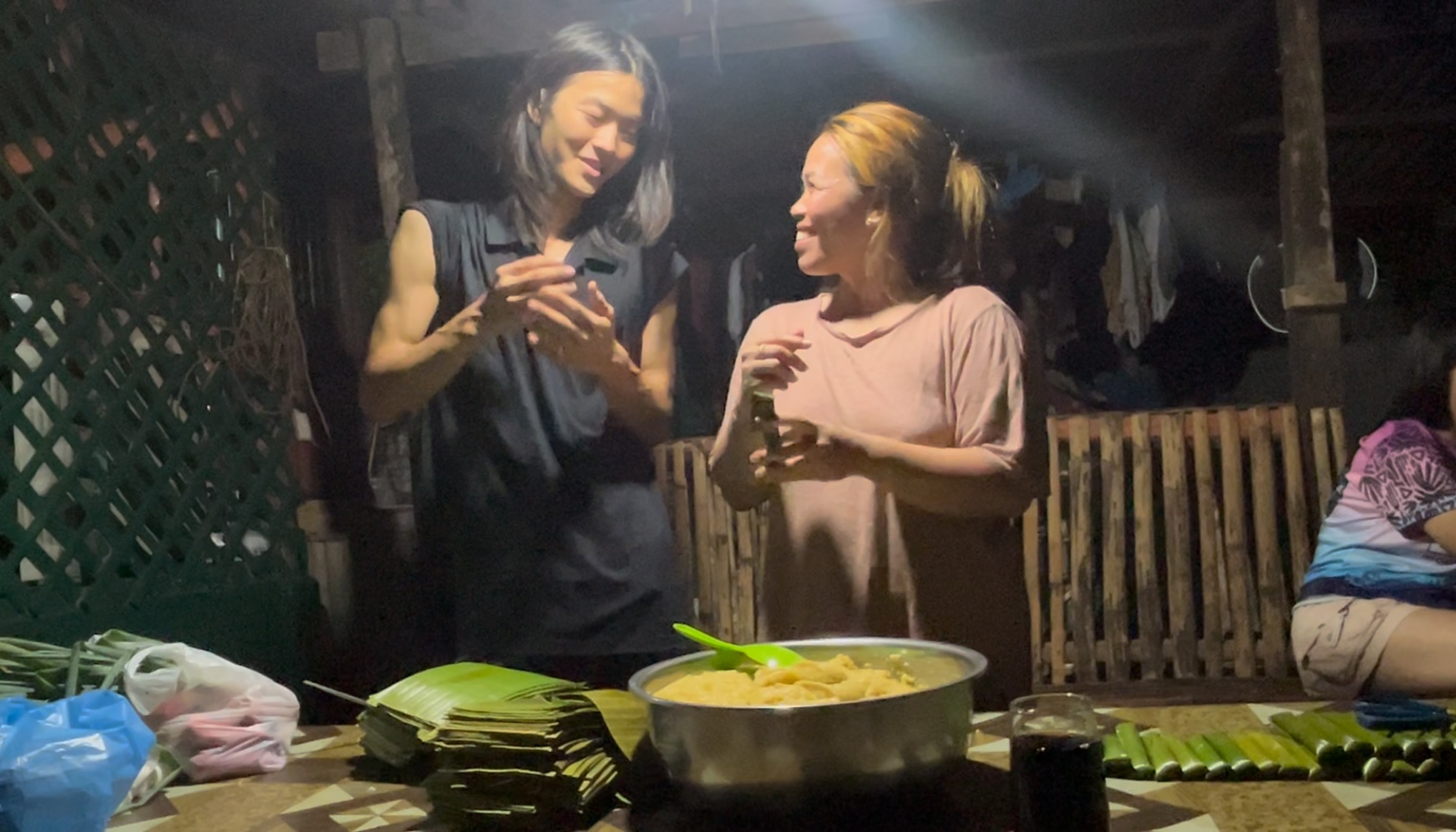
I've eaten kabog a dozen times.
But I had never seen where it grows.
So I went into the mountains of Catmon to find the field.
Melvin took me there.
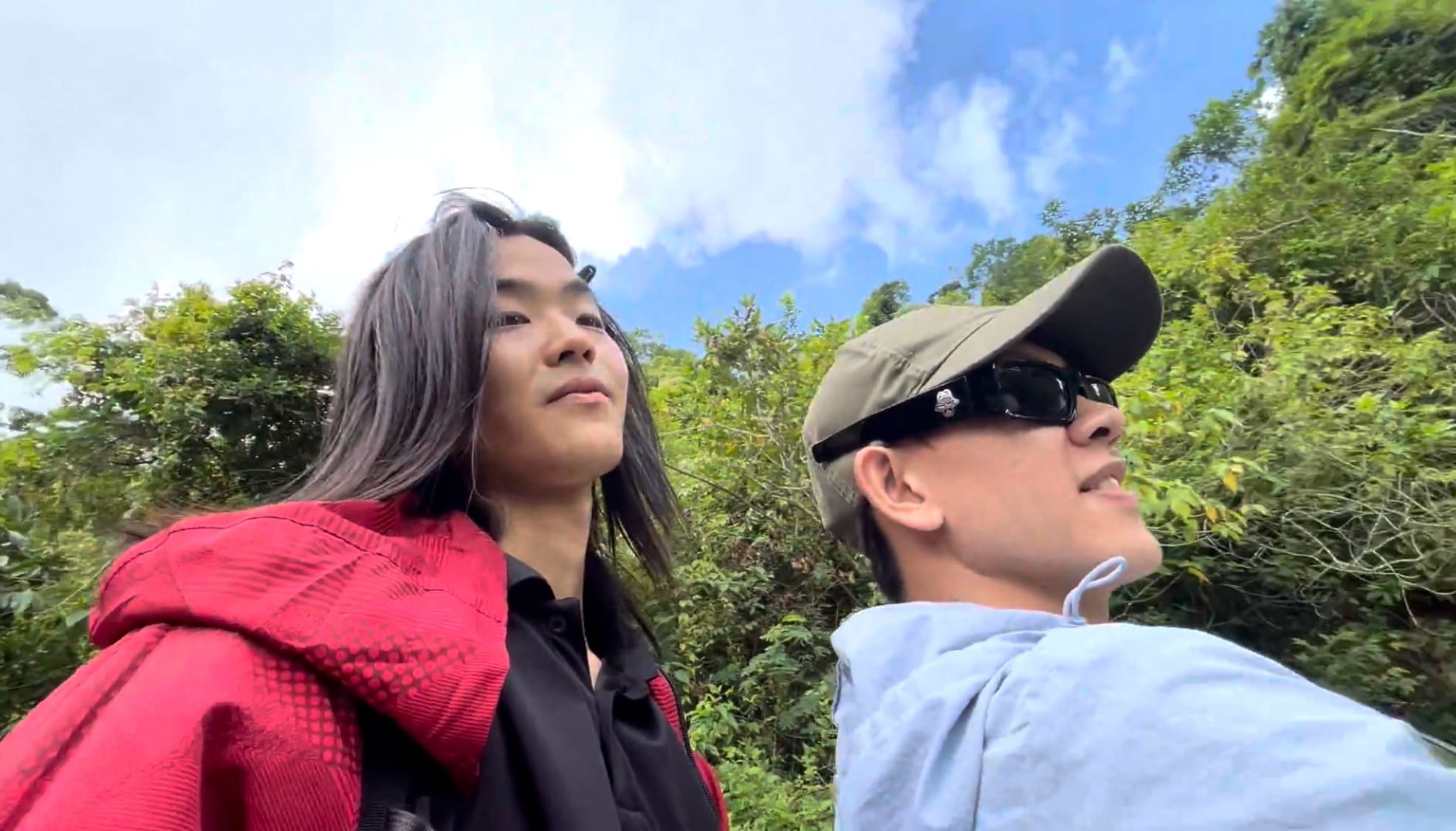
And somewhere between seeing the grain for the first time and hearing him explain its name, I realized something.
Kabog is what they call it here.
Elsewhere, it's known as millet.
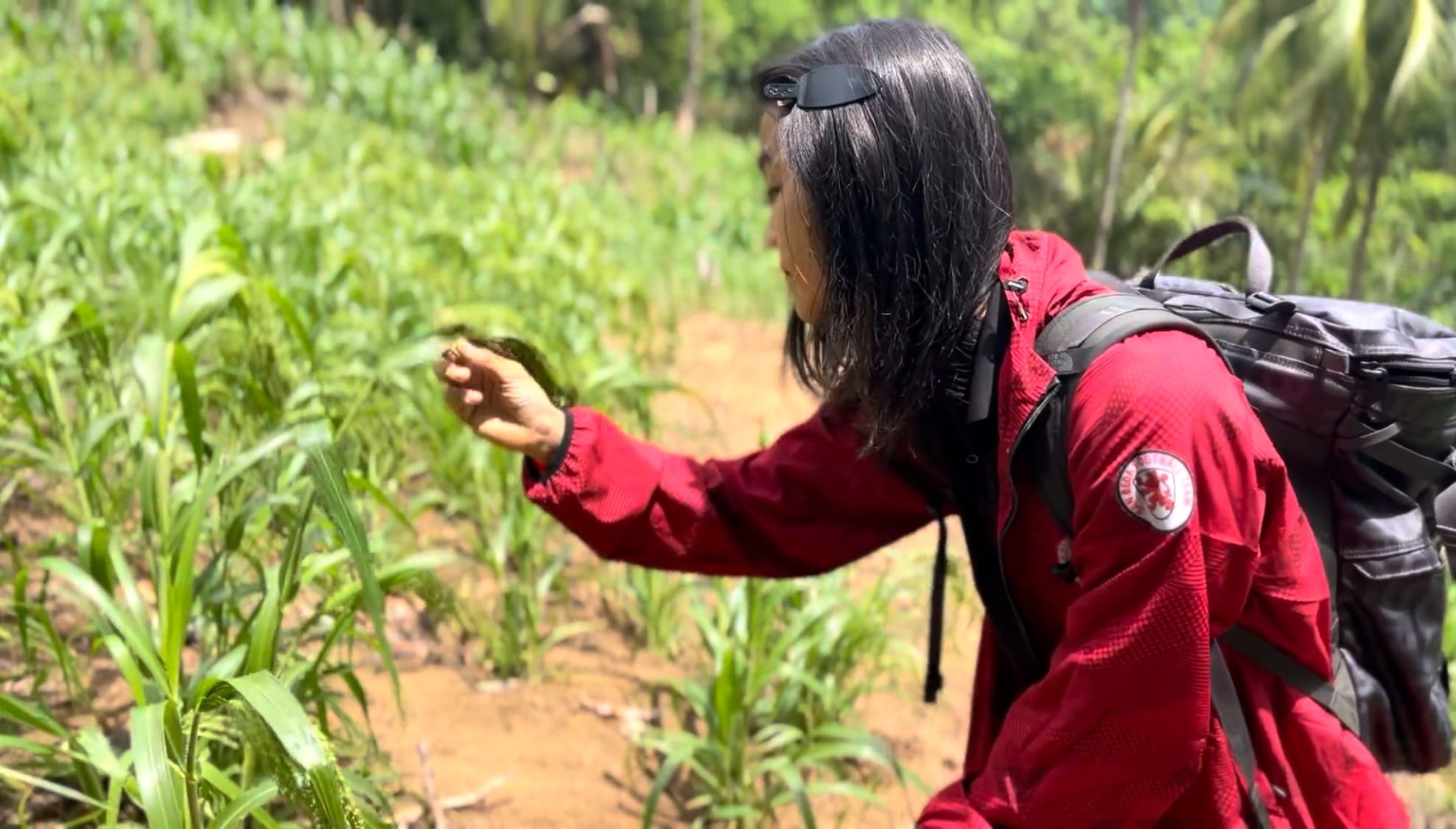
"They're the same… but not the same name."
Then he said:
"Because of the traditional story."
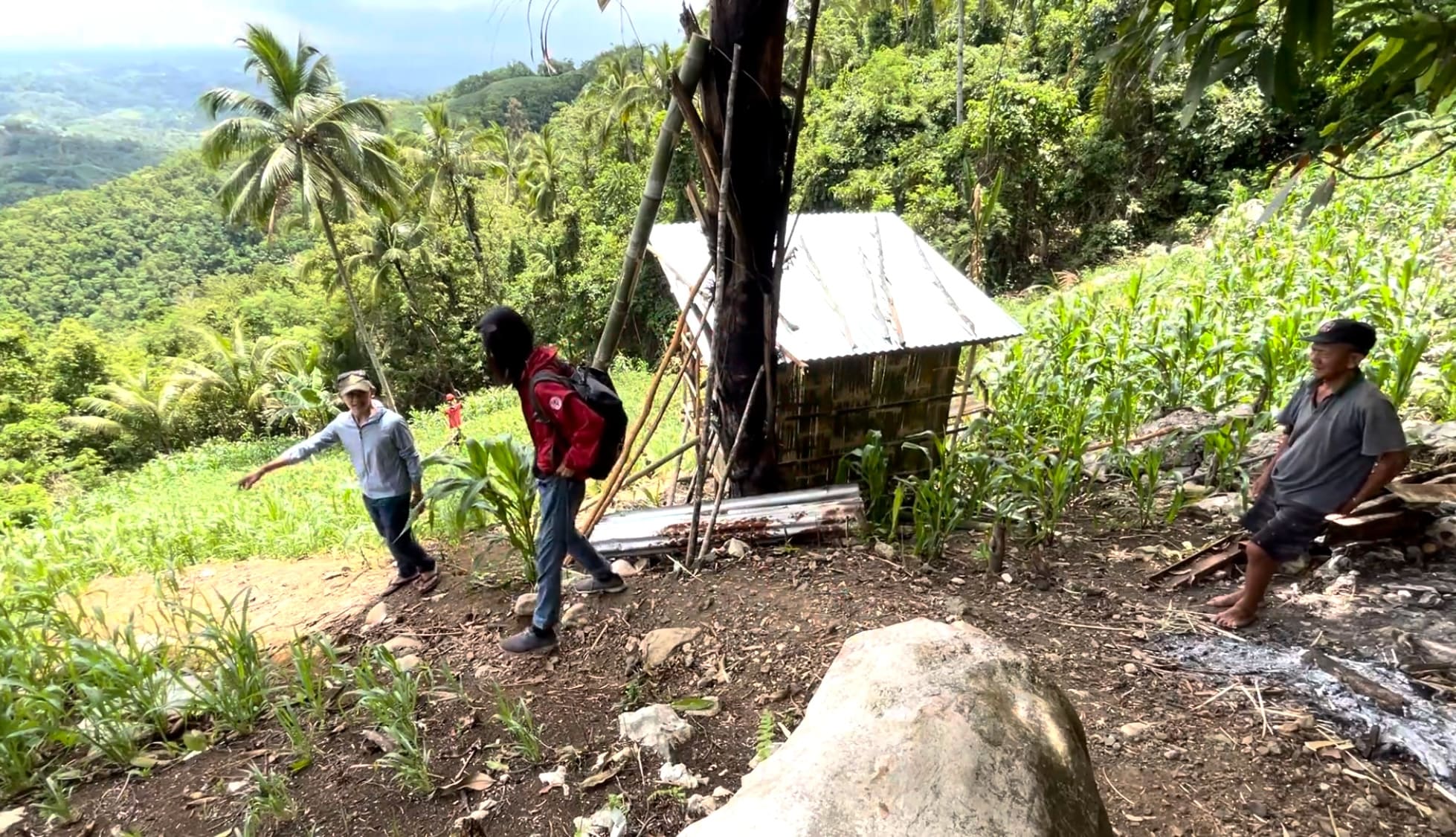
And that was the moment I realized I had missed the most important question.
I should have asked:
"What story?"
I didn't.
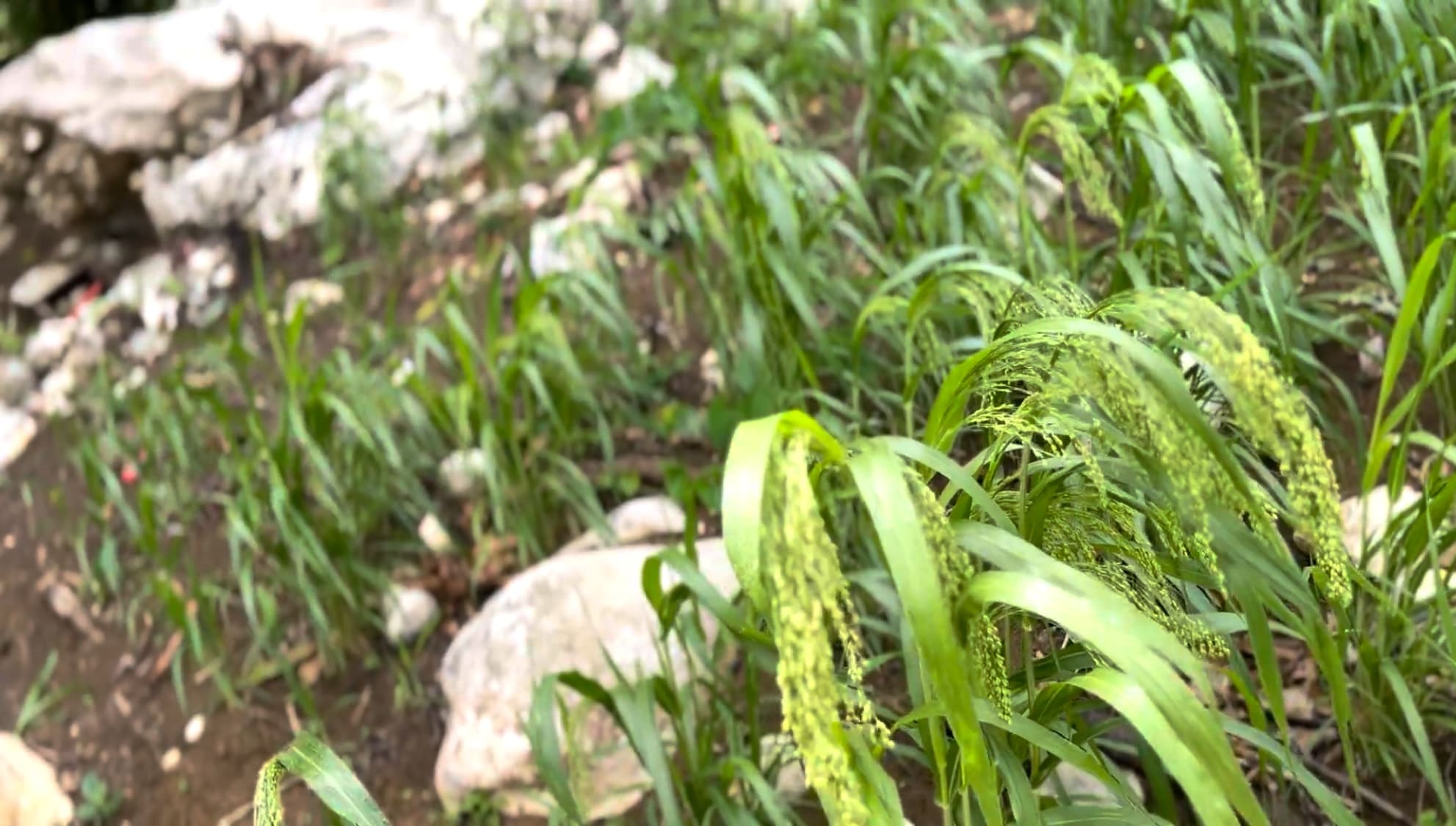
I came looking for the plant behind something I had eaten many times.
I left with an unanswered question about the story behind its name.
What is the traditional story behind the name kabog?
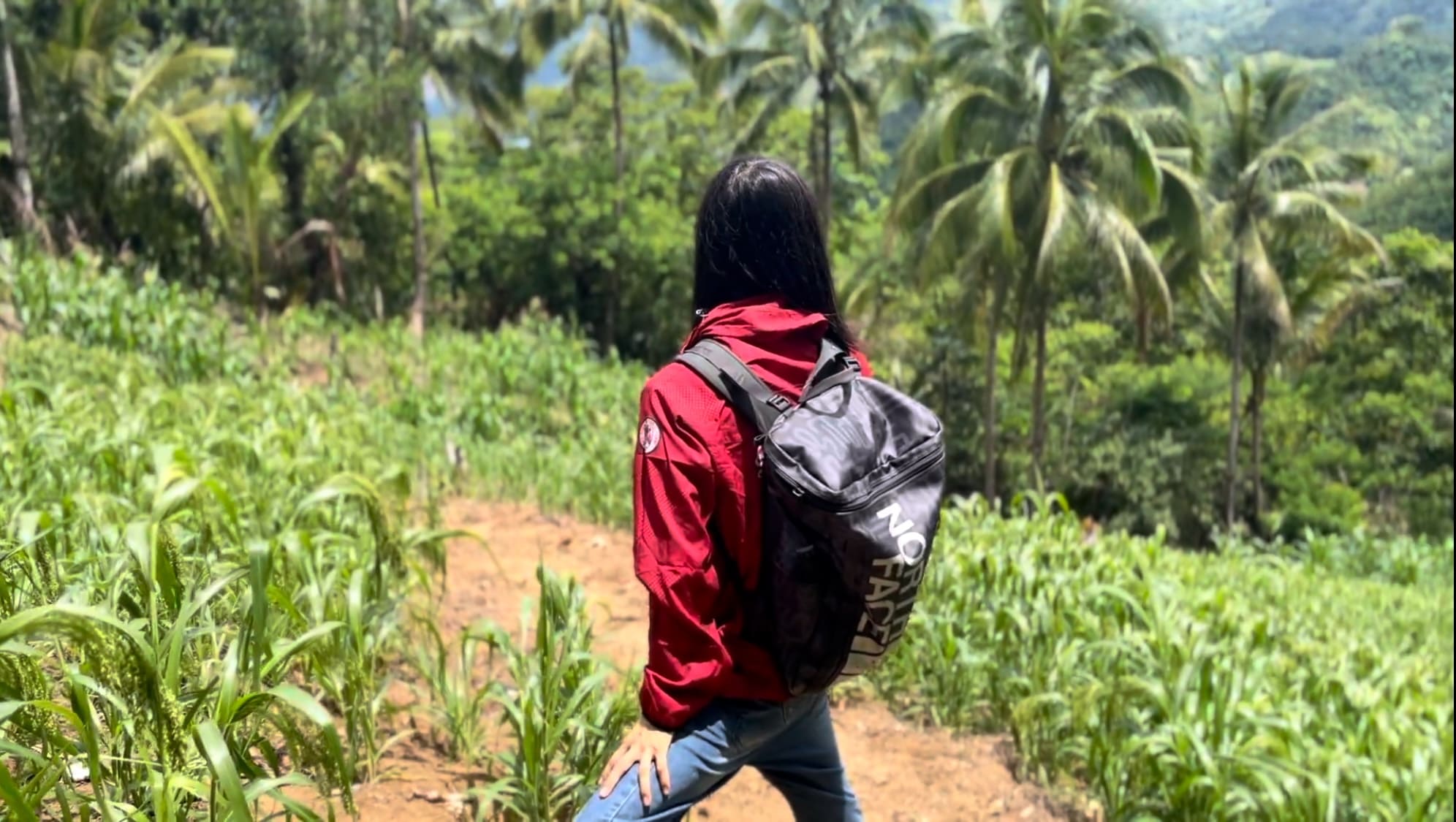
Still Learning.
Still Exploring.
One local story at a time.
Melvin just said kabog and millet were the same thing. Different name, because of the "traditional story." Then the conversation moved on, and so did we.
It wasn't until I was back on the road that it hit me — I never actually asked what the story was...
I found the field easily. The one thing I walked away without was the question that actually mattered.
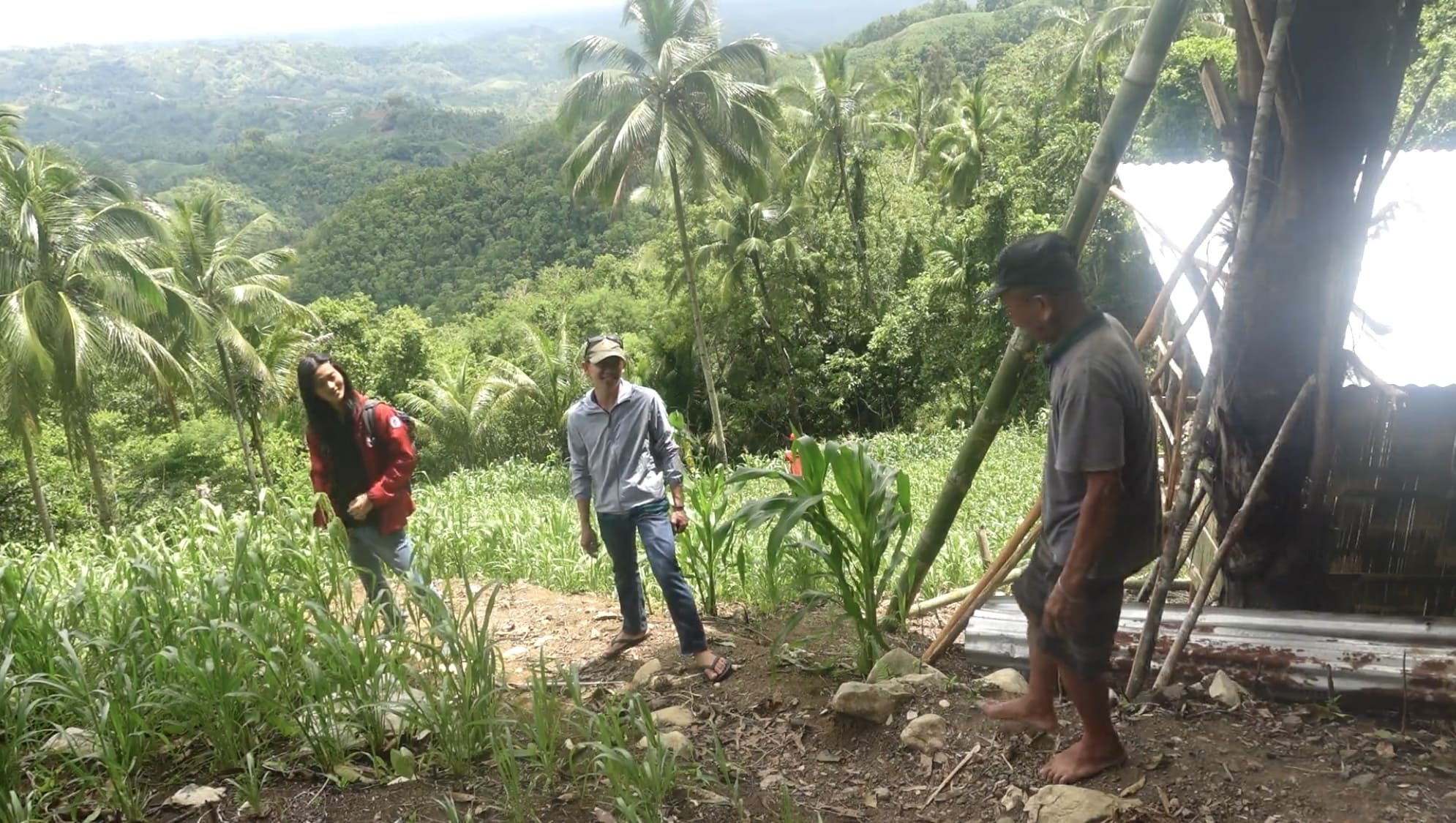
| Date | July 19, 2026 |
|---|---|
| Location | Amancion, Catmon, Cebu |
| Event Type | Field Visit · Culinary Heritage Search |
| Access Method | Invited by a local contact (Melvin) |
| Food Featured | Kabog (Millet) |
| Cost to Attend | Free (by arrangement) |
| Rarity | 🟨🟨🟨⬜⬜ — A familiar food, rarely seen at its source |
| Bayanihan Index | 🟨🟨⬜⬜⬜ — A one-on-one guided visit, not a communal event |
What is the traditional story behind the name kabog — and did I lose it, or is it just waiting for me to go back and finally ask?