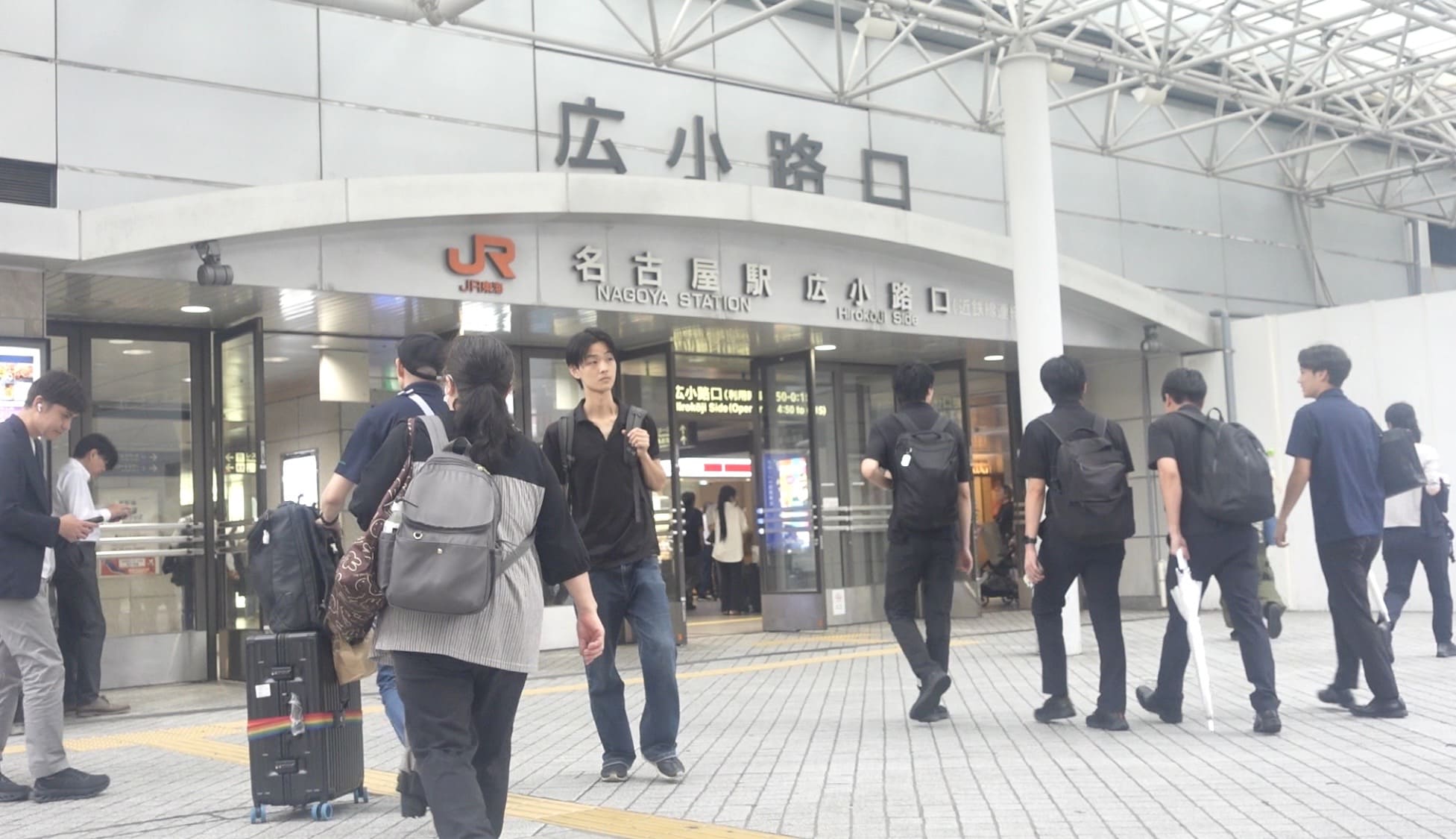
I came looking for Filipinos.
I found 23 communities.
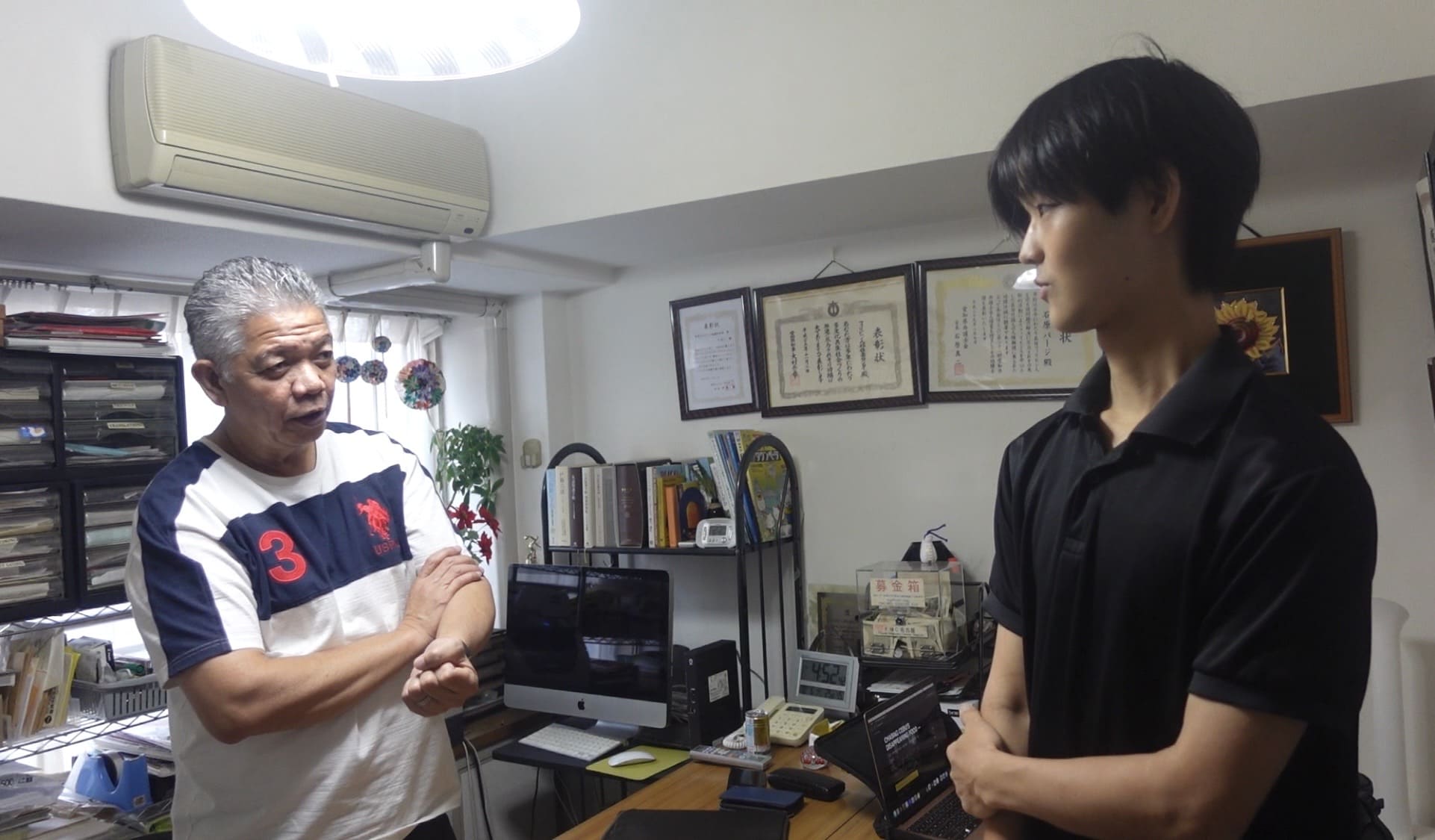
But 23 wasn’t really the discovery.
The discovery was that these communities weren’t sitting separately from each other. There was an umbrella organization connecting them.
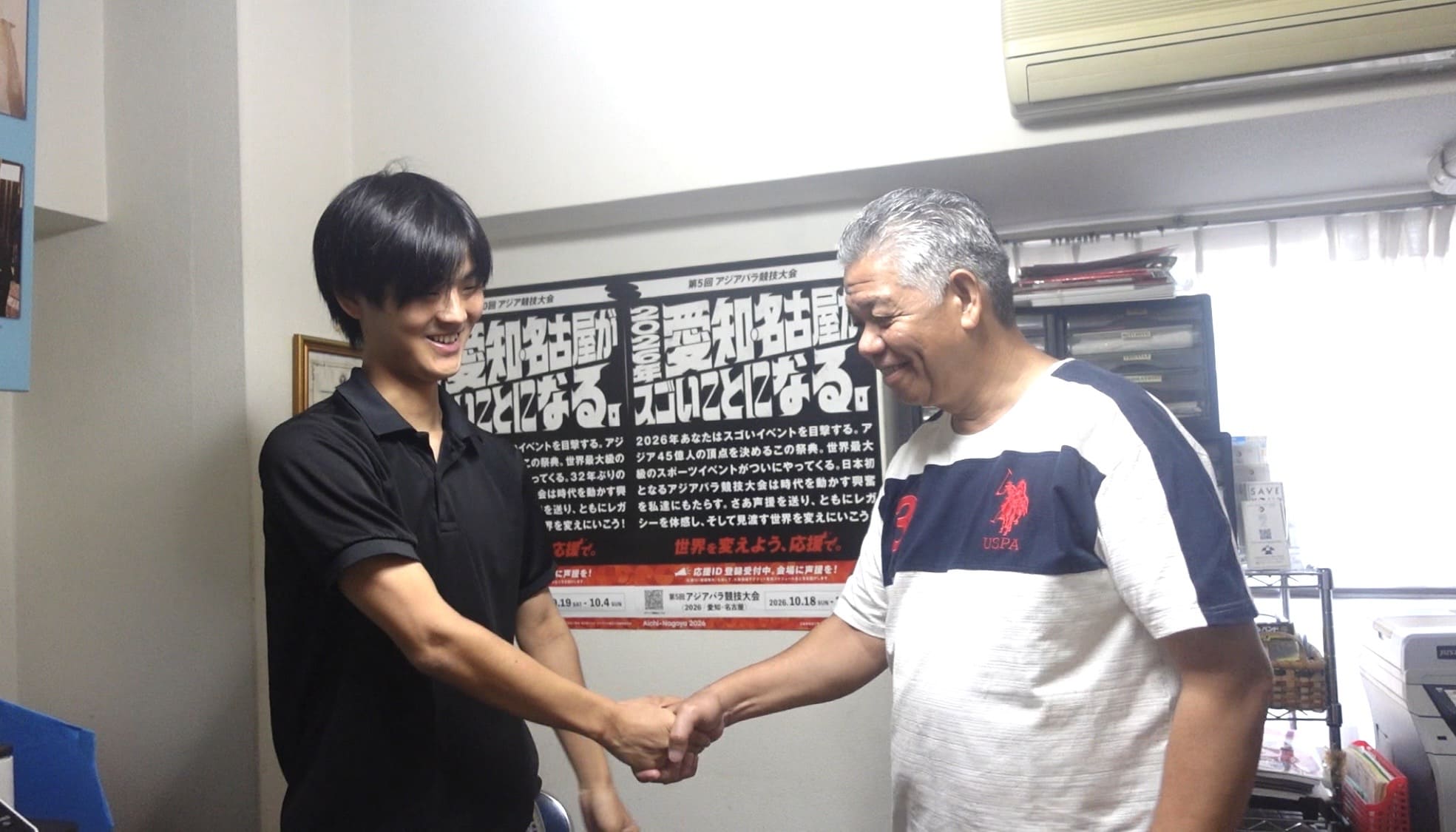
And somehow, I ended up sitting in the office of FCCJ Chairman Nestor, listening to him explain how Filipino communities across Central Japan are connected.
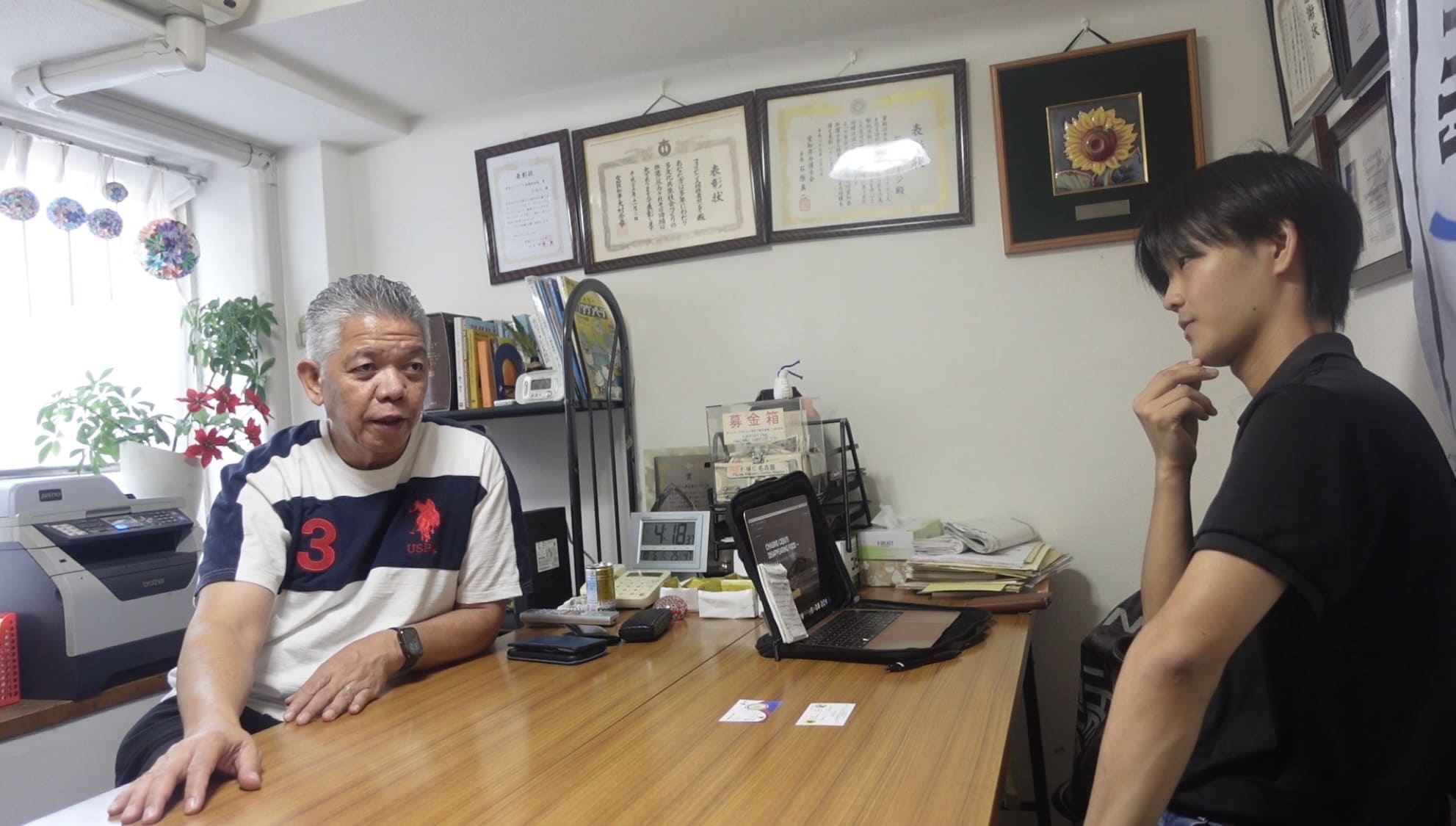
FCCJ Chairman Nestor explained:
“FCCJ is an umbrella organization that unifies 23 Filipino organizations across nine prefectures, with a focus on unity, welfare, Filipino culture, and cultural exchange with Japanese communities.”
FCCJ itself is relatively young. According to Chairman Nestor, the organization was formed around two years ago, after the Philippine Consulate General in Nagoya began working to connect Filipino communities across its nine-prefecture jurisdiction.
Niigata. Nagano. Yamanashi. Shizuoka. Aichi. Gifu. Fukui. Ishikawa. Toyama.
Today, FCCJ brings together 23 Filipino organizations across those prefectures.
FCCJ is not the beginning of Filipino community life in Nagoya. From what Nestor described, it is a newer umbrella over organizations that already existed.
As he described it, FCCJ sits at the top as the umbrella organization, with groups like PSJ Nagoya, FMC, and CPFA underneath it.
FCCJ may be young, but the communities underneath it are not.
According to Chairman Nestor, PSJ Nagoya was organized in 1985, during the period of political upheaval surrounding the Marcos dictatorship. That is more than forty years before FCCJ.
He also mentioned the Chubu Philippine Friendship Association, which he said was established around the same period, and the Filipino Migrant Center, or FMC.
FCCJ isn’t replacing these organizations. It’s bringing them together under one umbrella.
And Nestor himself sits across several parts of that network. He told me he is the chairman of FCCJ, the president of PSJ Nagoya, and the vice chairman of FMC.
Network discovered during my interview with FCCJ Chairman Nestor. This is the relationship as explained in that conversation — not an official organizational chart.
| Top | FCCJ (Filipino Community Central Japan) — umbrella organization · 23 Filipino organizations · nine prefectures |
|---|---|
| Underneath | PSJ Nagoya · FMC (Filipino Migrant Center) · CPFA (Chubu Philippine Friendship Association) · and others |
| People Named | Nestor — FCCJ Chairman, PSJ Nagoya President, FMC Vice Chairman Virgie Ishihara — Filipino Migrant Center (FMC) |
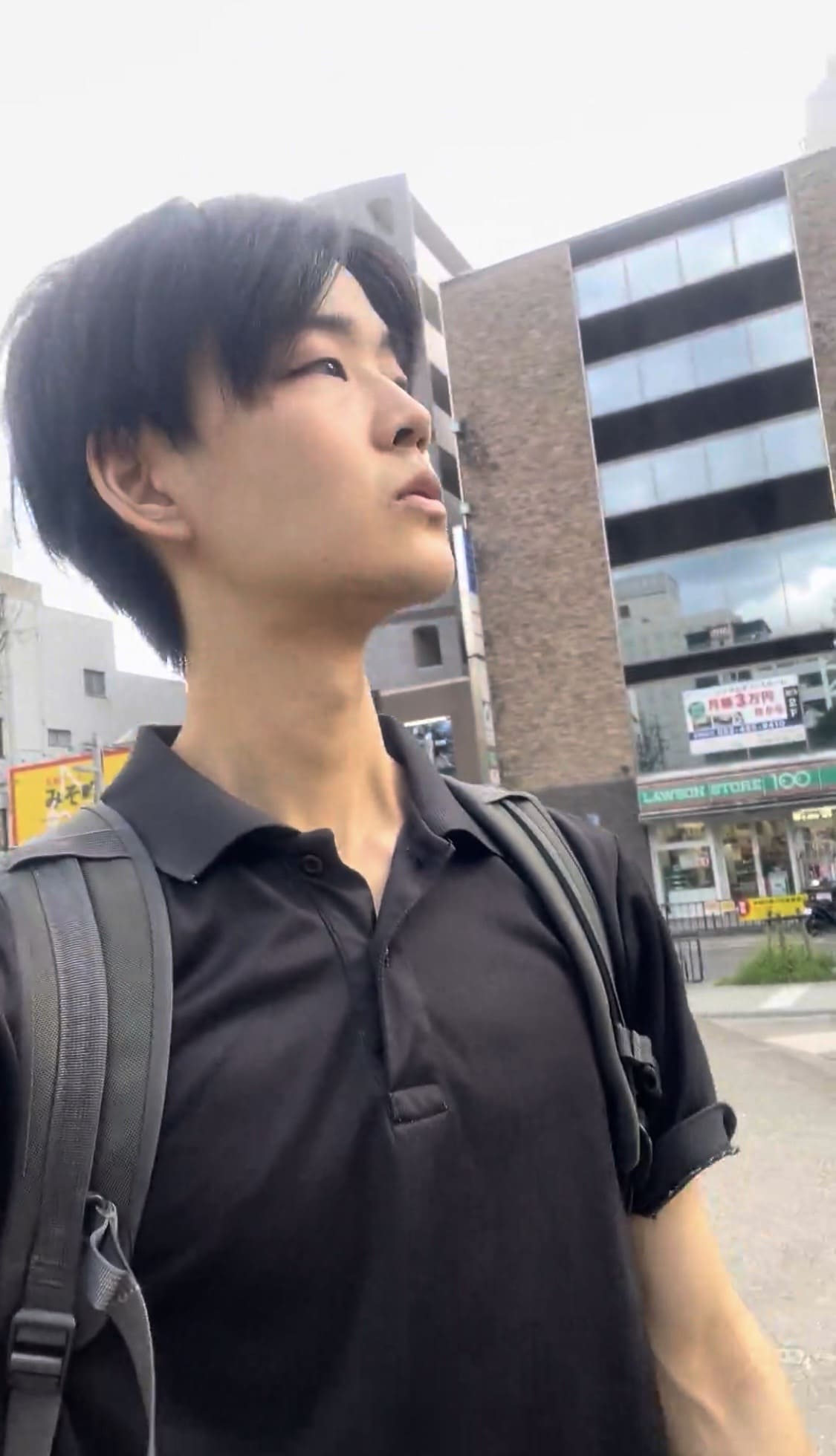
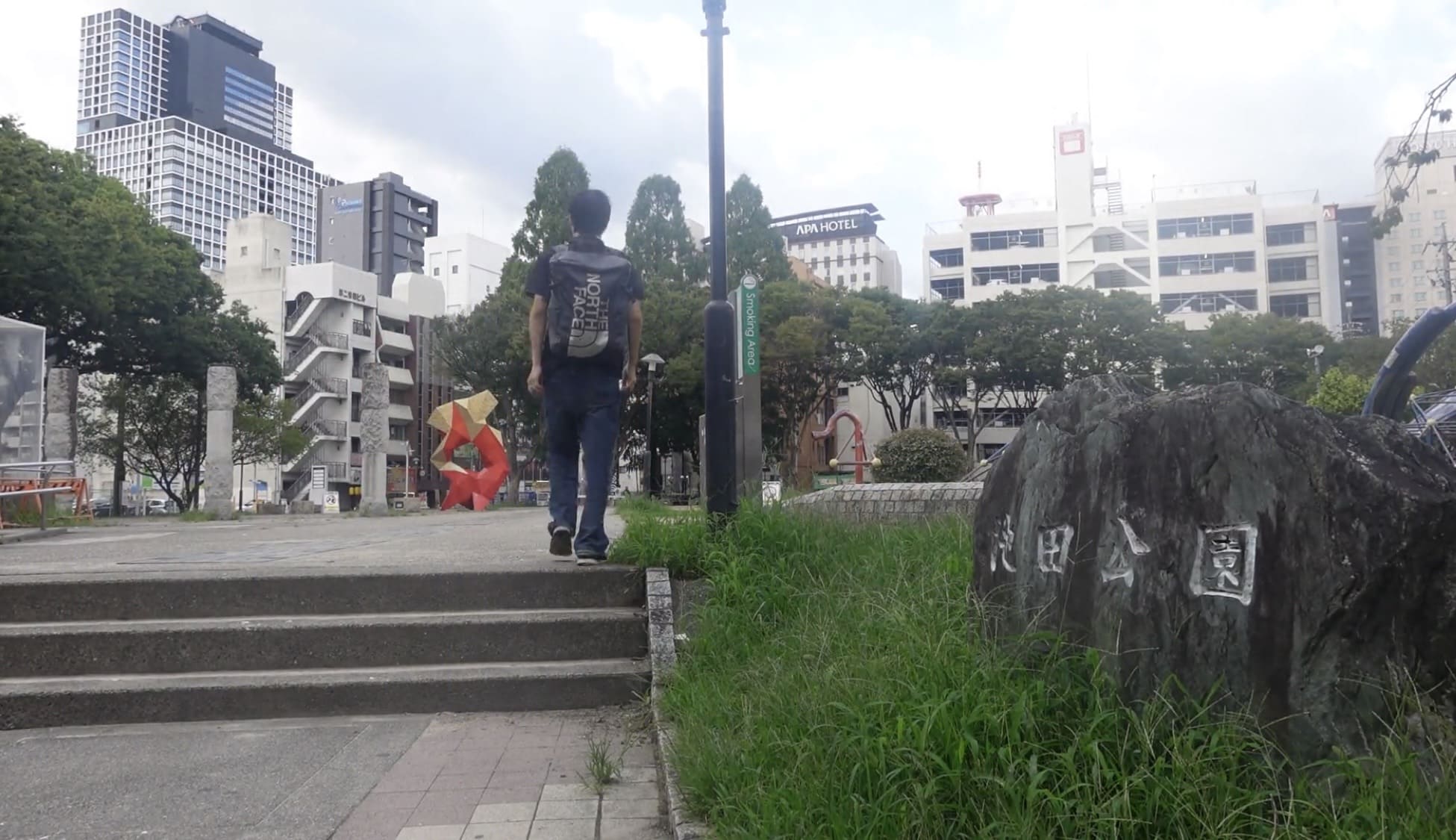
Then I asked about Ikeda Park.
“By the way, why do so many Filipinos gather around Ikeda Park at night?”
He told me that many Filipinos work around Sakae 4-chome, where he estimates there are roughly 200 food and entertainment businesses, and many also live nearby, in the apartment buildings around the area.
They don’t need to take a train to work.
They just walk.
“So that’s their daily life,” I said.
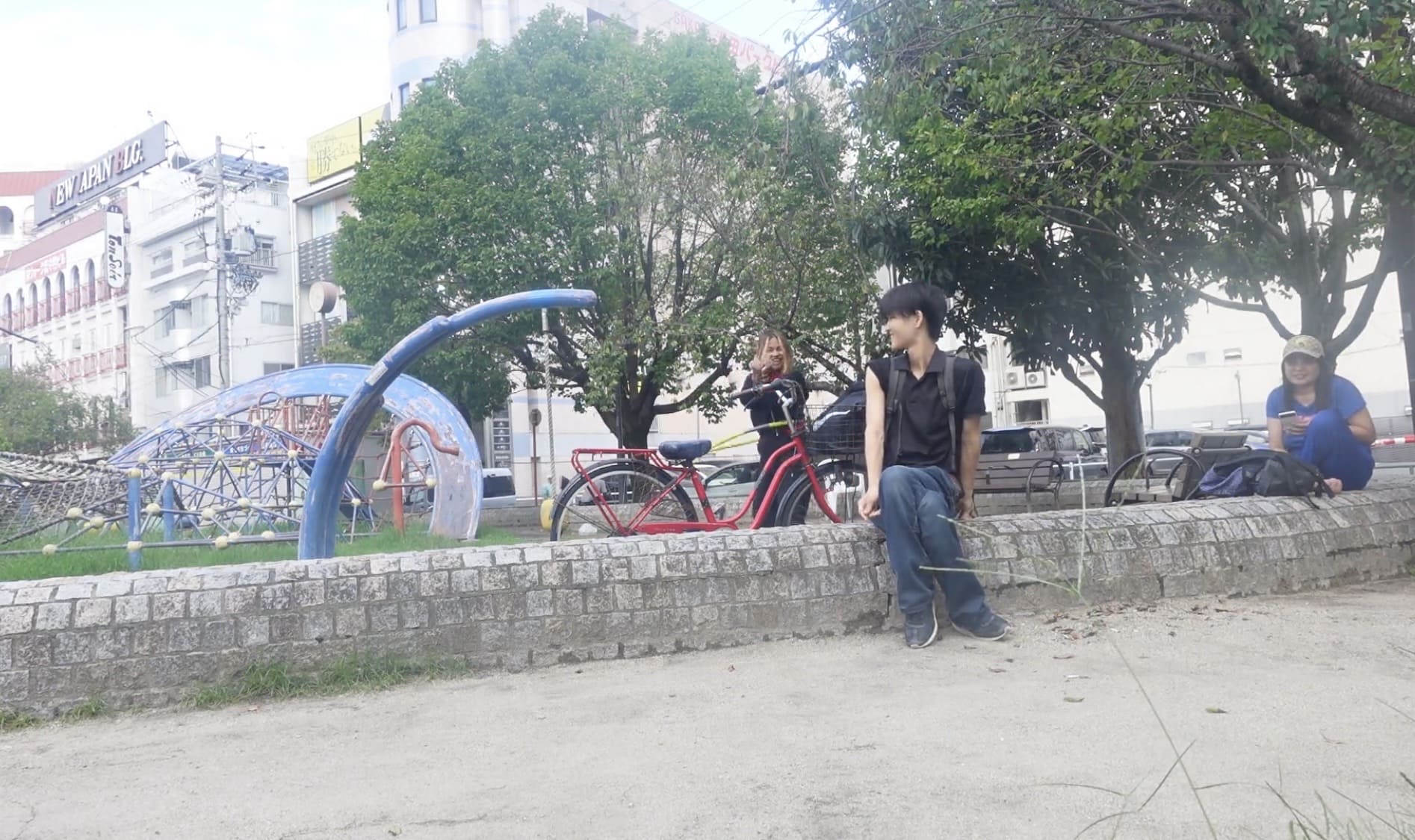
During the day, the neighborhood can look like any other part of central Nagoya. At night, according to Nestor, the same streets can feel like “a small Manila.”
And suddenly, Ikeda Park looked different to me.
It wasn’t just a place where Filipinos happened to gather.
It was part of a much bigger network of everyday life.
Then he casually told me:
“There’s an event at Ikeda Park this weekend.”
“This week?”
“Yeah.”
I had never seen the announcement.
“So I looked it up on the internet.”
He laughed.
“No. Filipinos don’t use the internet. Only Facebook.”
Me: “...Hay nako 😂”
Before this conversation, I had been trying to find Filipino communities in Nagoya through Google. Google showed me places. Nestor showed me connections — which organizations exist, who is connected to whom, where people work, where they live, and which community leaders I should meet next.
The information existed. I just wasn’t looking in the right place.
I had been searching Google. They had been talking to each other.
I started the day looking for a Filipino community.
I ended it realizing I wasn’t really looking for a place.
I was looking for how people build a life together.
And somehow, I still have more questions than answers.
Still Learning.
Still Exploring.
One conversation at a time 🖖
Before I left, Chairman Nestor offered to introduce me to several people in the Filipino community.
Ishihara Virgie of the Filipino Migrant Center.
Members of Bright Circle.
Leaders of other organizations within FCCJ.
Suddenly, I had a list of people I hadn’t met yet.
That was something I hadn’t expected when I walked into the FCCJ office.
I had come to Nagoya looking for one Filipino community.
Instead, one conversation had led me to an entire network — and to the people who make that network what it is.
Now I want to meet them.
This Quest isn’t over yet.
I walked into that office thinking my search was about finding one place.
A park. A church. A street corner where Filipinos in Nagoya happen to gather.
Then the chairman told me they just walk to work.
It made me stop for a second.
The Ikeda Park I stood in back in September wasn’t the answer to my question. I’ve archived that almost two weeks ago: "I Followed a Clue to Find Filipinos in Nagoya, Ikeda Park" It was the part of something bigger that happens to show up at night.
I’d been looking for a destination. He was describing a network — a neighborhood, organizations older than the one I was sitting in, and an umbrella only about two years old.
I came looking for a Filipino community and found an entire network — Ikeda Park was just the part of it that shows up at night.
| Date | October 6, 2026 |
|---|---|
| Location | 4 Chome Sakae, Nagoya |
| Event Type | FCCJ Office Visit / Interview with the FCCJ Chairman |
| Access Method | Invited to the office by FCCJ Chairman Nestor |
| Food Featured | None |
| Cost to Attend | Free |
| Rarity | 🟨🟨🟨🟨⬜ — An invited conversation inside a community organization's office |
| Bayanihan Index | 🟨🟨🟨🟨⬜ — 23 organizations across nine prefectures, as described by the chairman |
I still don't know how many of the people holding this network together I have yet to meet.