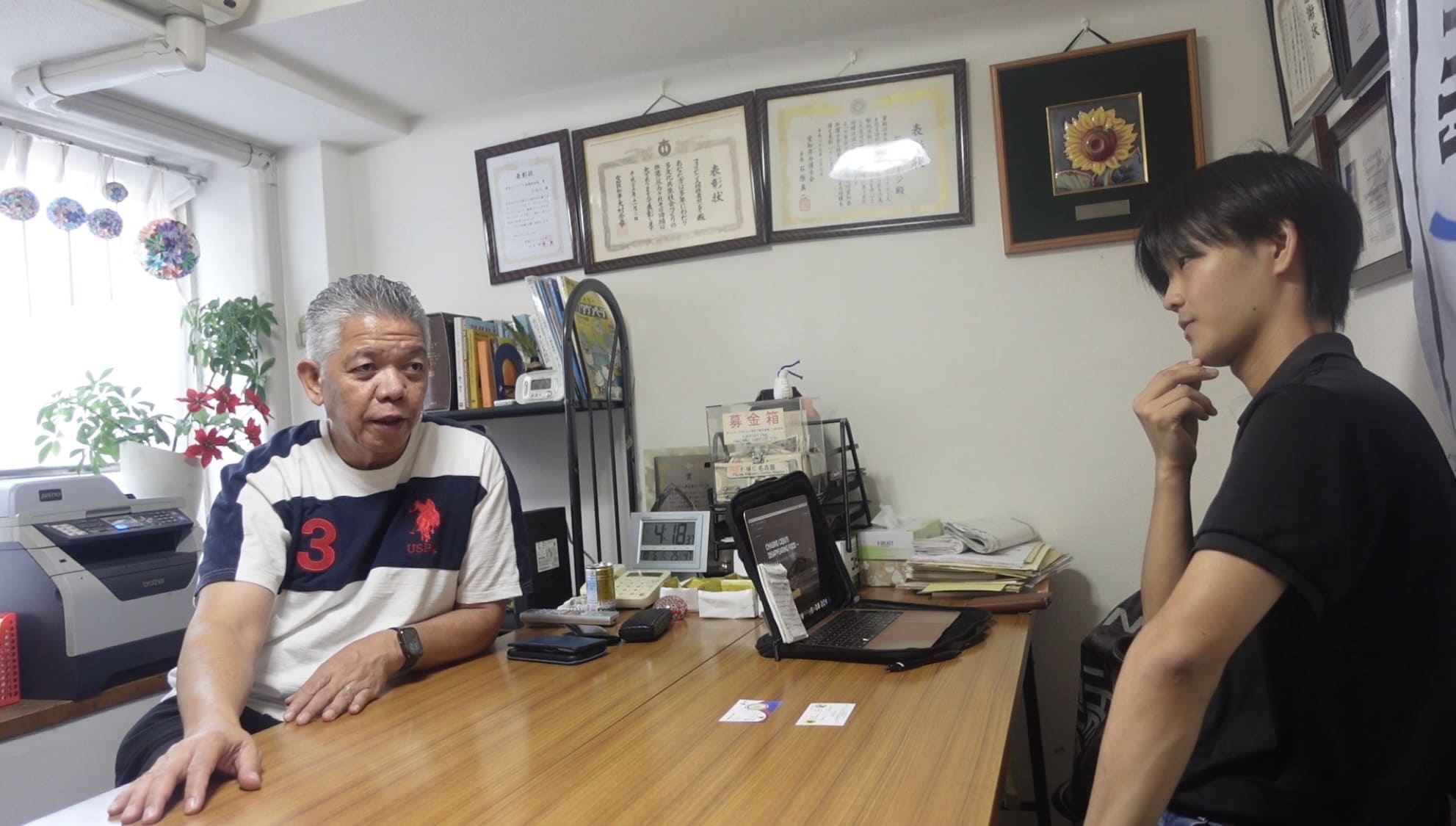
“We love Japanese. That’s why we’re here.”
Then she told me something I wasn’t expecting to hear.
I spoke with Keiko Makikawa, founder of Bright Circle, a Filipino community in Nagoya.
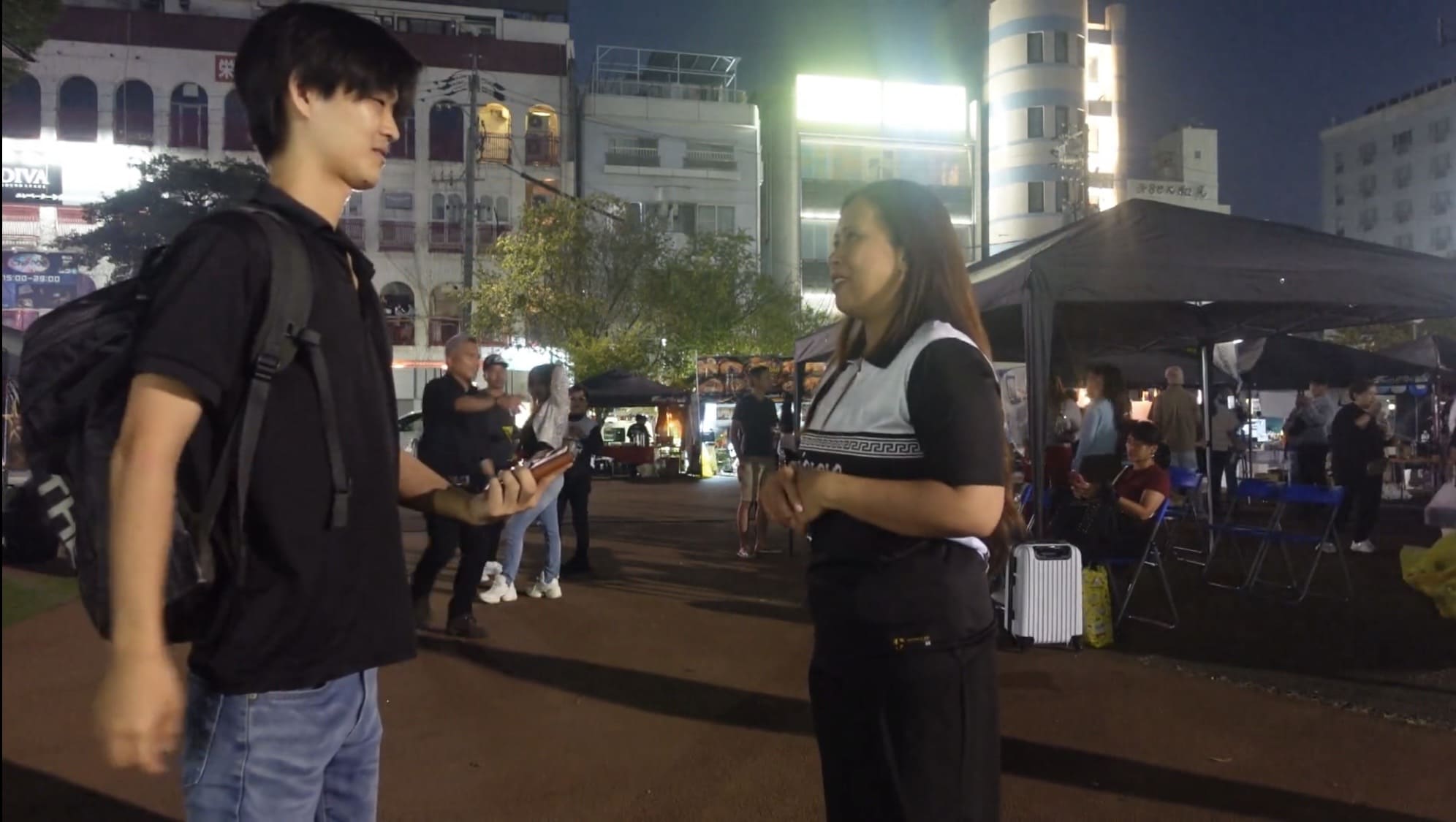
I asked her:
“What do you want Japanese people to know?”
Her answer wasn’t about food, festivals, or the things people usually associate with Filipino culture.
It was about how difficult it can be to build a life in a country you love.
“I’ve experienced kind of discrimination because of language,” she told me.
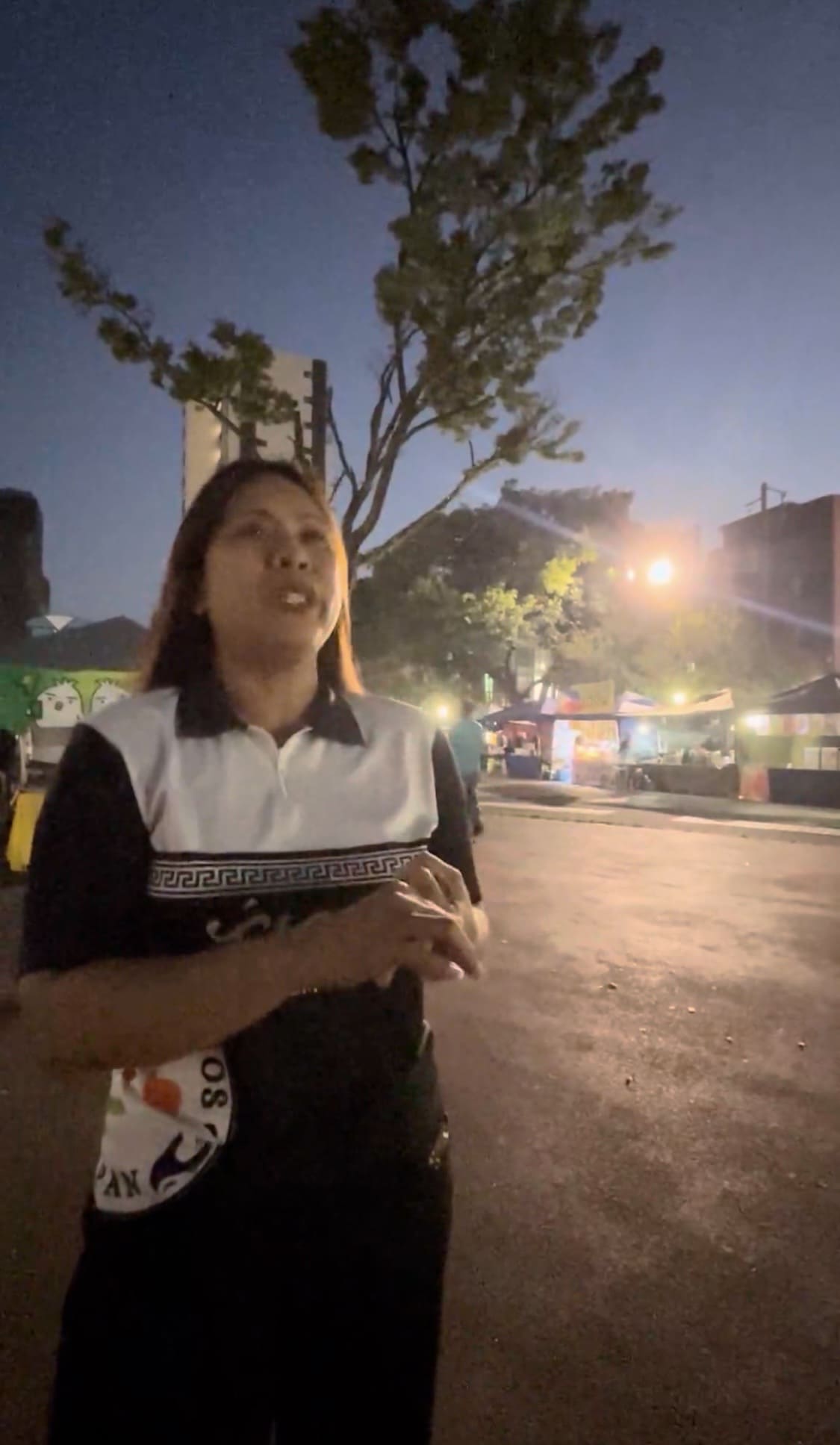
She was careful to explain that she wasn’t saying Japanese people are bad.
But when you can’t communicate comfortably, even everyday interactions can become difficult. And sometimes, the language barrier affects how people treat you.
I’m Japanese. For almost three years, I’ve been living in the Philippines, trying to understand a culture different from my own.
I’m still learning Bisaya.
Still getting things wrong.
Still discovering how much I don’t understand.
In the Philippines, English usually makes communication possible even when you don't speak a local language.
But when I returned to Japan after a long time away, I realized how different things can be here.
Many people don't feel comfortable communicating in English.
Putting myself in the shoes of Filipinos living in Japan, I began to understand why learning Japanese is so important.
When I asked Keiko what could help, she spoke about three things:
Language first.
Then culture.
And discipline — learning to adapt to the society you live in.
Her answer made me think beyond what Filipinos need to do to adapt to Japan.
It made me think about the effort it takes on both sides to understand one another.
Because loving a country and finding it easy to live there are two very different things.
And maybe that’s something we don’t talk about enough.
I started this conversation wanting to know what she wanted Japan to understand.
I left with a question for myself:
How much of another person’s struggle can we really understand if we’ve never had to live it ourselves?
I’ll keep learning Bisaya on my journey.
Still Learning.
Still Exploring.
One conversation at a time.
I've experienced kind of discrimination because of language.
We are not trying to say Japanese are bad." — Keiko Makikawa, founder of Bright Circle
Her answer didn't sound like a request. It sounded like something she had been carrying carefully, choosing every word so it wouldn't land as blame.
I know that feeling from the other side. In the Philippines, I'm the one smiling through a sentence I only half understood. I'm the one who says the wrong word and waits to be corrected.
Different countries. Same pause before the right word arrives.
I came here thinking I was asking what Japan should understand. I left realizing I had never really asked what it takes to be understood here.
I came to hear what she wanted Japan to understand, and left realizing that loving a country and finding it easy to live in are two very different things.
| Date | October 10, 2026 |
|---|---|
| Location | Ikeda Park, Nagoya, Aichi |
| Event Type | October Fest at Ikeda Park in Sakae, Nagoya |
| Access Method | Spoke directly with the founder of Bright Circle |
| Food Featured | None |
| Cost to Attend | Free admission |
| Rarity | 🟨🟨⬜⬜⬜ — A candid personal account |
| Bayanihan Index | 🟨🟨🟨⬜⬜ — Community-minded, shared one-on-one |
She loves Japan. So what does that hard work actually cost?