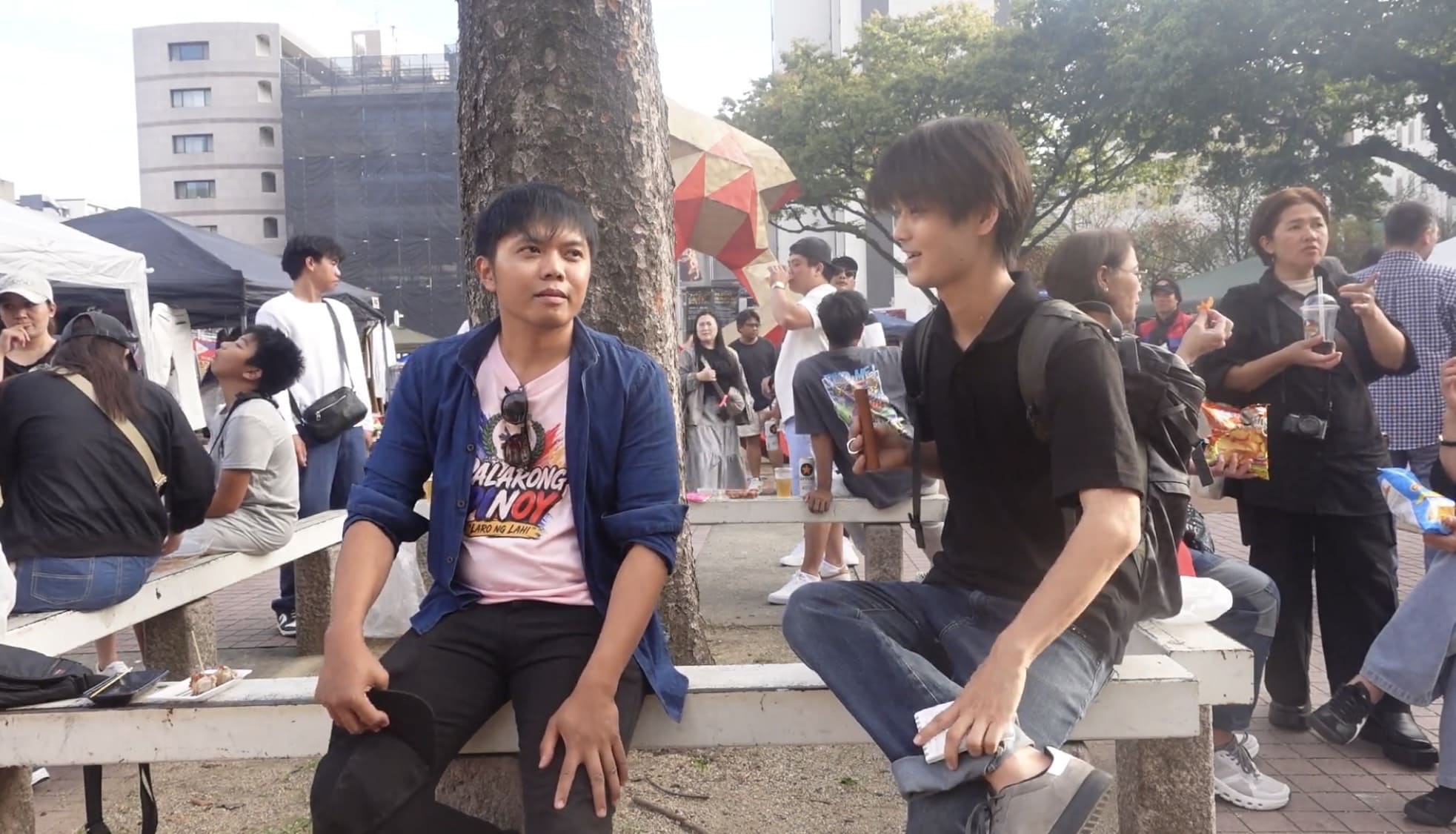
“They should learn Japanese.”
That’s what one Japanese man told me.
He believes that people who choose to live in Japan should make an effort to learn the language and adapt to Japanese society.
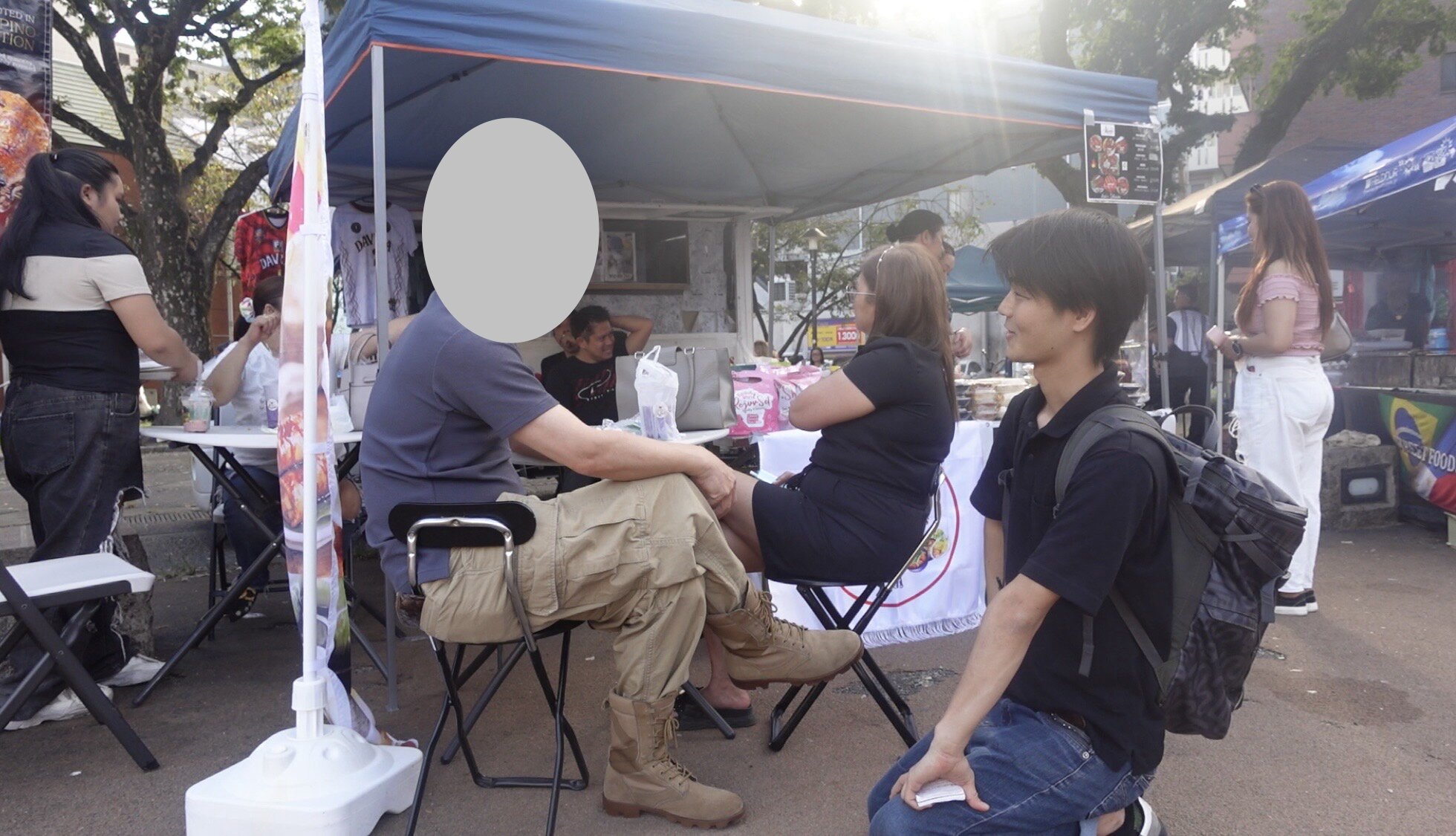
And I understand his point.
But then he said something I wasn’t expecting.
Japan needs to do its part, too.
If Japan welcomes foreign workers, shouldn’t it also help them understand the language, rules, and culture?
So I asked other Japanese people: What should Japan do?
“Rules.”
“The basics, at least.”
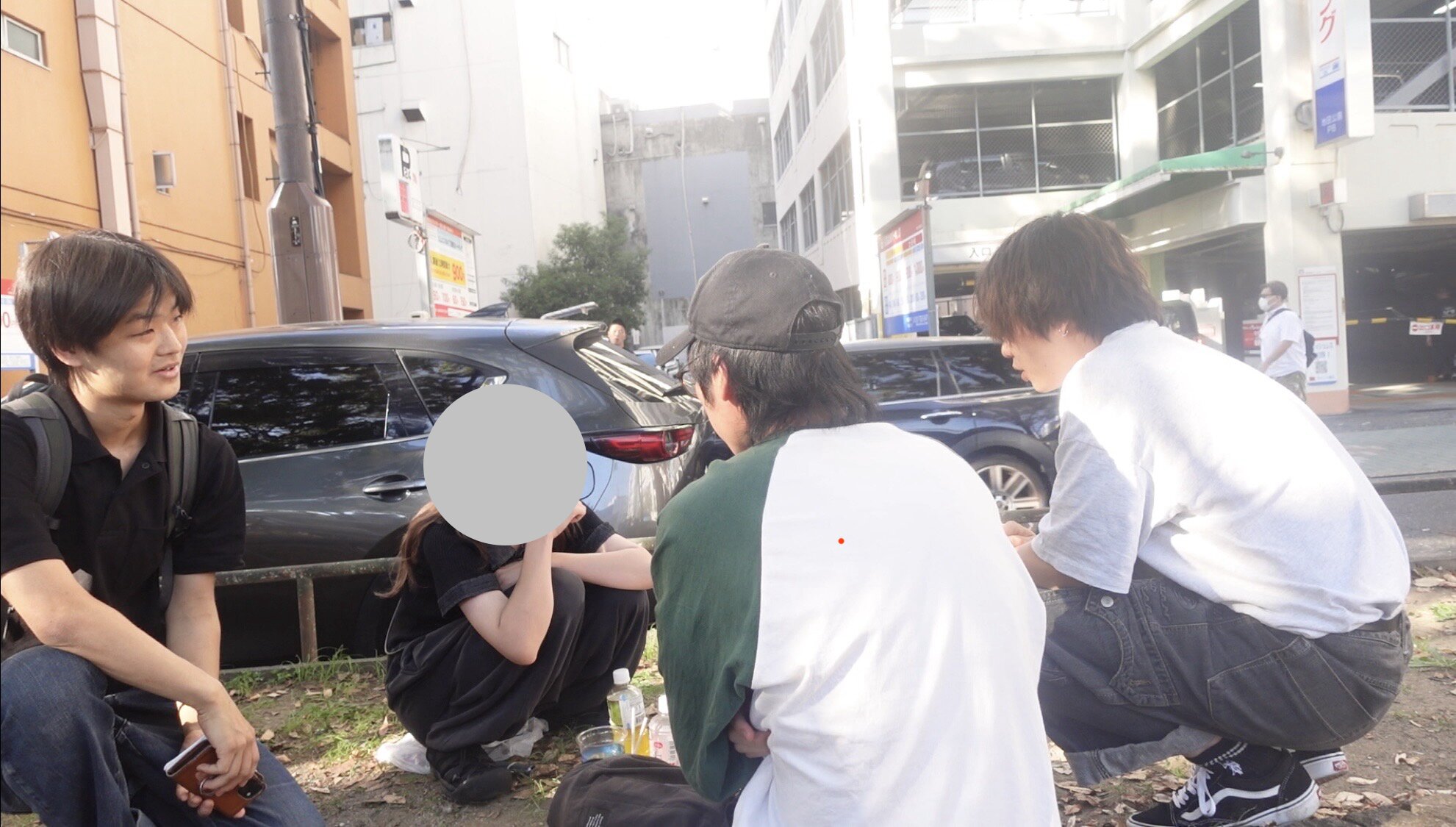
Simple answers. But an important question remained: Who is responsible for making this work?
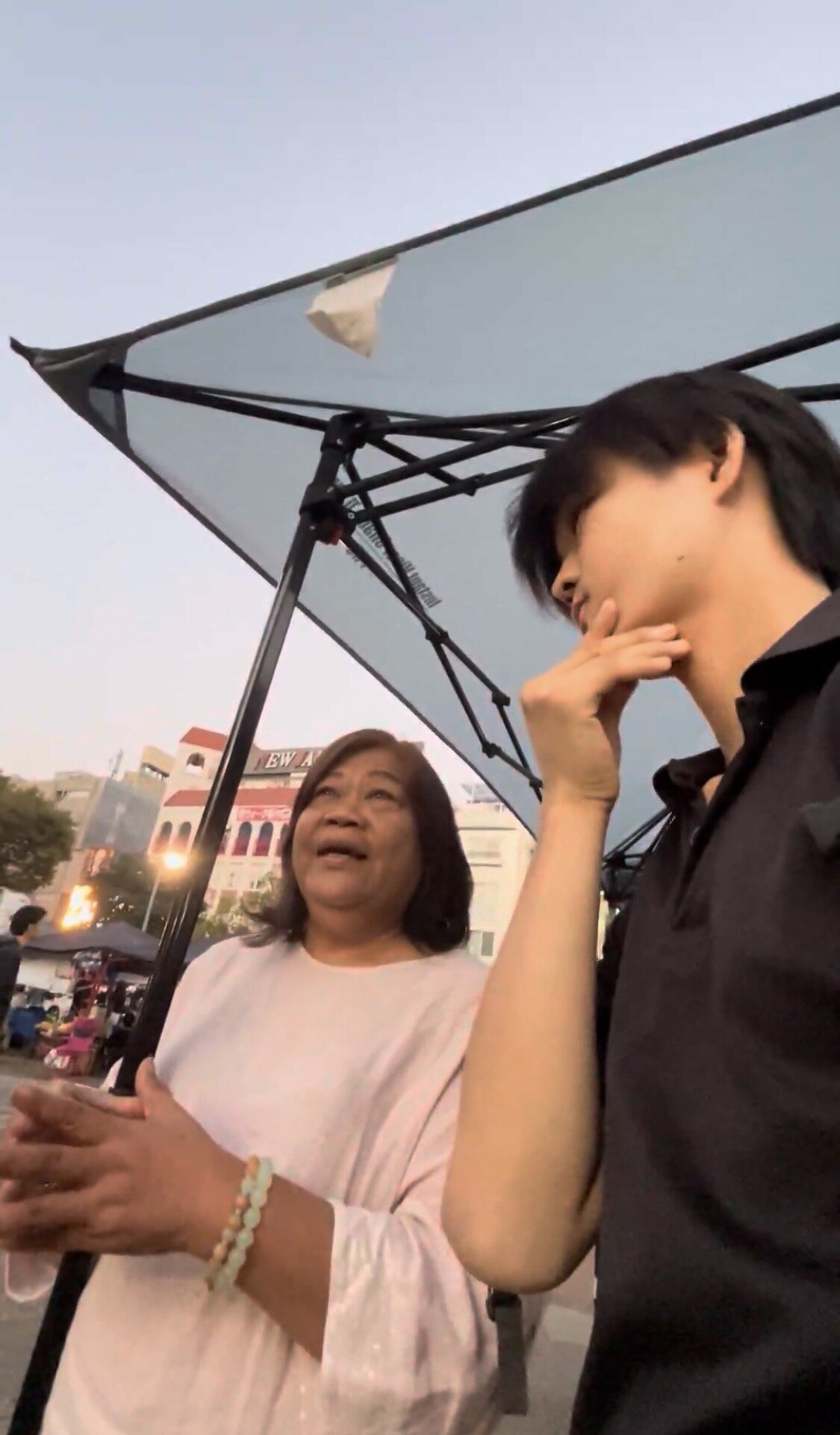
Yesterday, I had a conversation with Virgie, a Filipina living in Japan.
She told me how Filipinos in Japan are doing their best to understand Japanese society — while also hoping to share their own culture and traditions with Japan.
That stayed with me.
I'm Japanese, and I've been living in the Philippines for almost three years.
I'm still learning Bisaya. Still making mistakes. Still discovering how much I have to learn about a culture different from my own.
And that experience has made me think differently about what it means to live in another country.
Adapting matters. But so does being welcomed, understood, and given the chance to learn.
When does the responsibility to adapt end — and the responsibility to welcome begin?
What do you think Japan could do to help foreign residents adapt while respecting Japanese language and culture?
I'd genuinely love to hear your perspective.
Still Learning.
Still Exploring.
One conversation at a time.
“They can still make an effort even after coming to Japan.” — A Japanese man
"We are also very willing to introduce Filipino culture and tradition in Japan."
"We are Filipinos living in Japan so we need to tell the Japanese people why we are here in Japan." — Ms. Virgie, representative of the Filipino Migrants Center in Nagoya
I agreed with the first man. If you choose to live in a country, you learn its language. That still makes sense to me.
Then came answers from other Japanese people. "Rules." "The basics, at least." Short. Plain.
What stopped me was where I was standing while I listened.
I'm Japanese. But for almost three years, I've been the one who doesn't know the words, making mistakes in Bisaya and trying again. I had never put those two things side by side before: my effort, and the people who let me keep trying.
Virgie was describing the same thing from the other direction. Filipinos in Japan, working to understand Japanese society, and hoping Japan might take an interest in theirs.
I came thinking this was a question about what foreigners in Japan should do. I left thinking I'd only been listening to half of it.
I came to ask what foreign residents in Japan should do, and left realizing I'd been listening to only half of a conversation about who adapts and who welcomes.
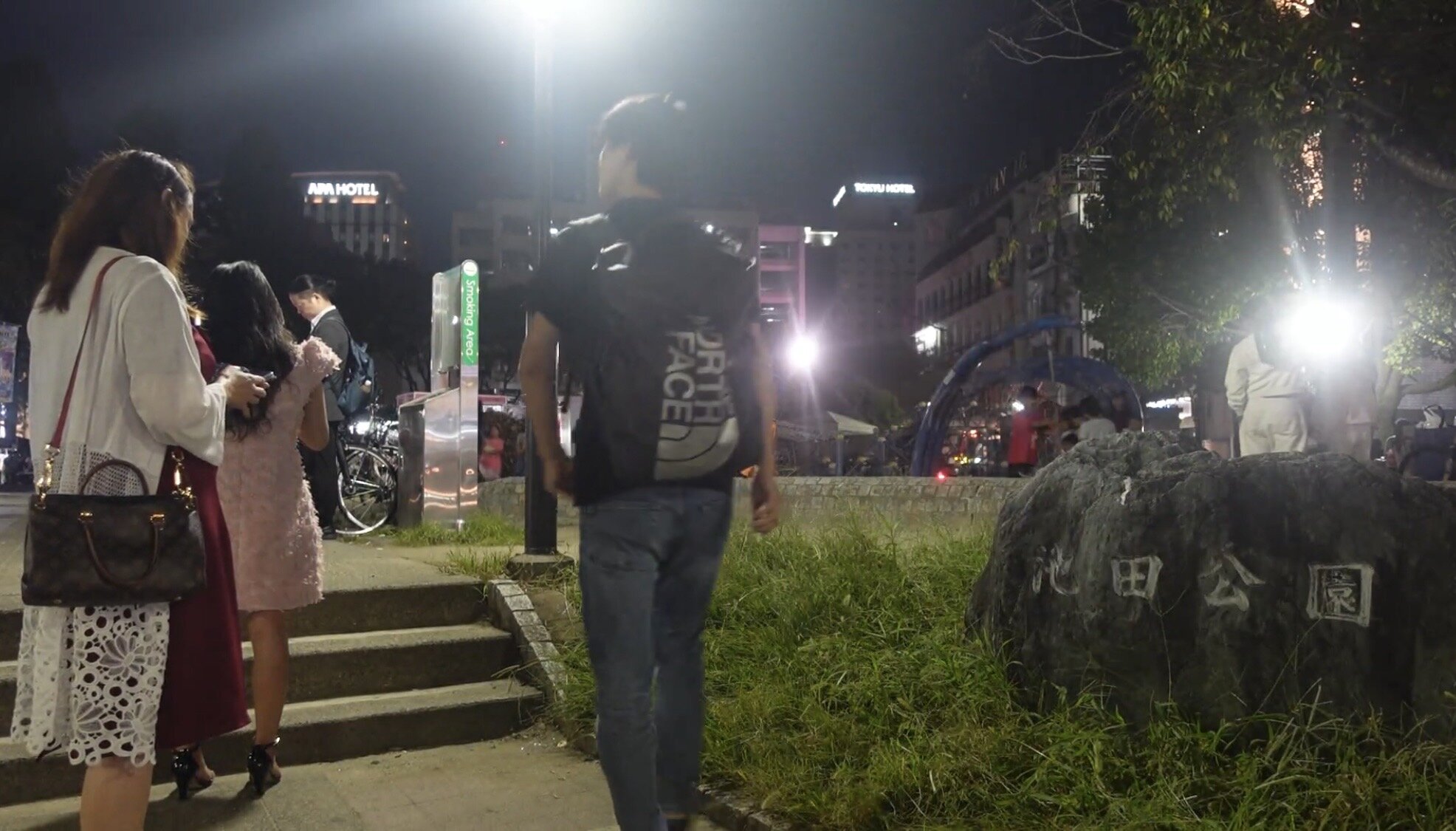
Virgie is a Filipina living in Japan and a representative of the Filipino Migrants Center in Nagoya. I first spoke with her at Ikeda Park, in What Helps Japanese and Filipinos in Nagoya Understand Each Other?
She told me that many Filipinos in Japan are Filipinas who married Japanese men, and described an earlier period when many Filipino entertainers came to Japan and started families here. She also introduced me to the term “tabunka kyosei,” and told me about a local illumination event where Filipino community members were invited to push the button that switched on the lights.
This time, she told me how Filipinos in Japan are doing their best to understand Japanese society, while also hoping to share their own culture and traditions with Japan.
What I know about her is still only what she has chosen to tell me in conversation.
| Date | October 11, 2026 |
|---|---|
| Location | Ikeda Park, Nagoya, Aichi |
| Event Type | October Fest at Ikeda Park in Sakae, Nagoya |
| Access Method | Everyday conversations with Japanese residents, and a follow-up with Virgie |
| Food Featured | None |
| Cost to Attend | Free admission |
| Rarity | 🟨🟨⬜⬜⬜ — Ordinary conversations, an unusual question |
| Bayanihan Index | 🟨🟨⬜⬜⬜ — Community themes, no group event |
I still don't know who decides when someone has adapted enough, or whether welcoming is ever finished.