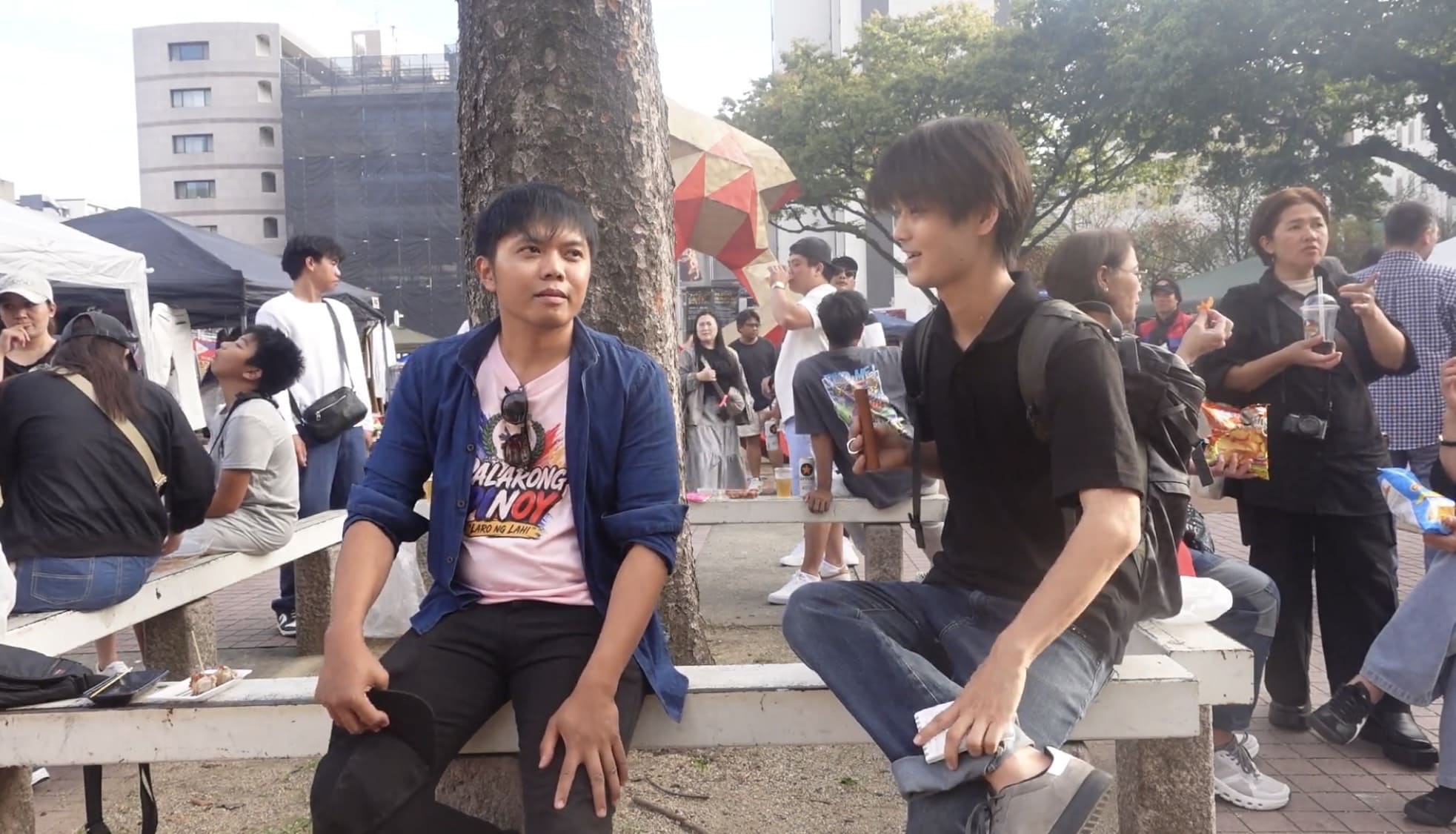
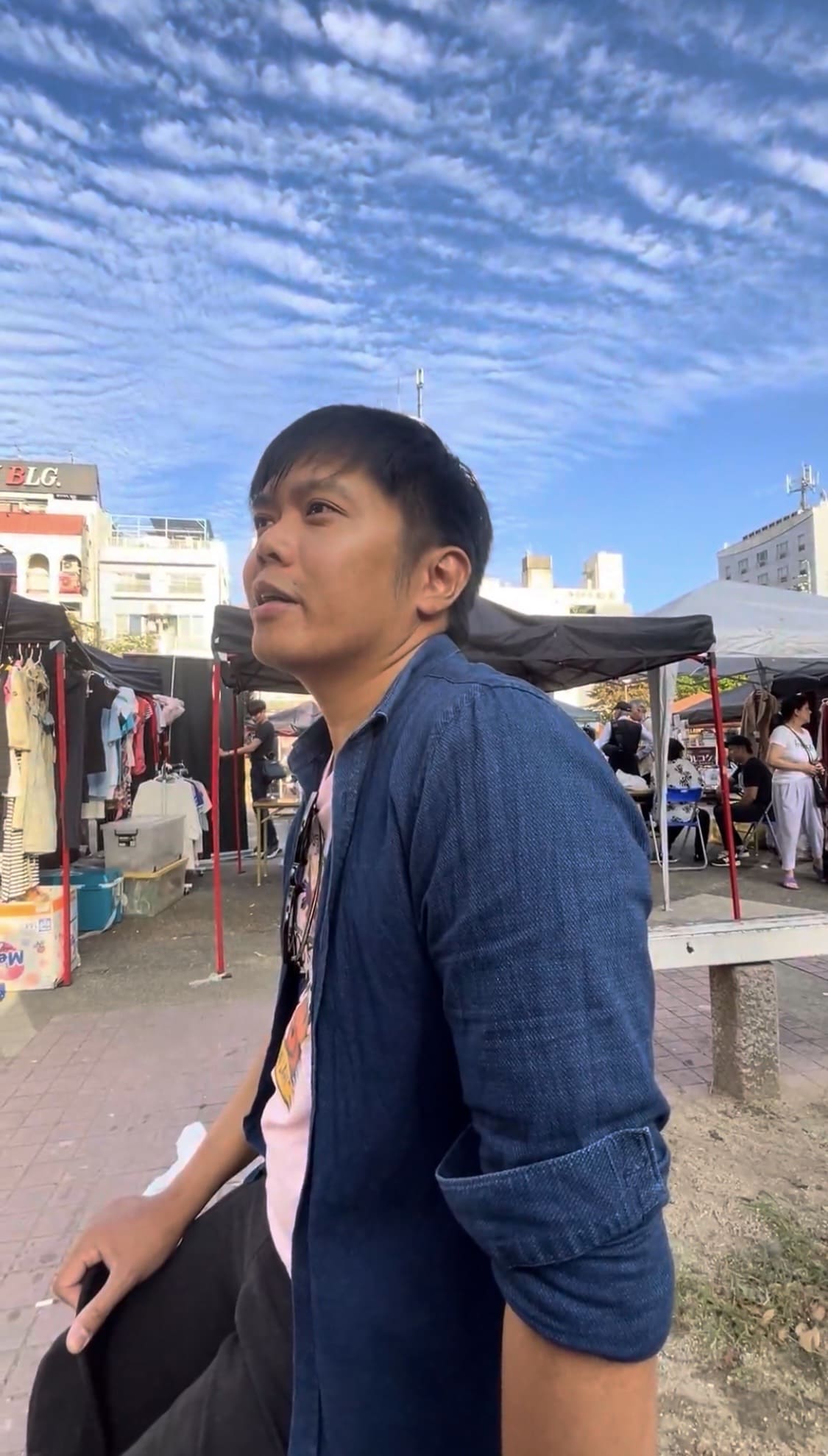
I asked Ms. Virgie, a representative of the Filipino Migrants Center in Nagoya, Japan, about the history of Filipinos in Japan.
“Many of the Filipinos in Japan are Filipinas who married Japanese men.”
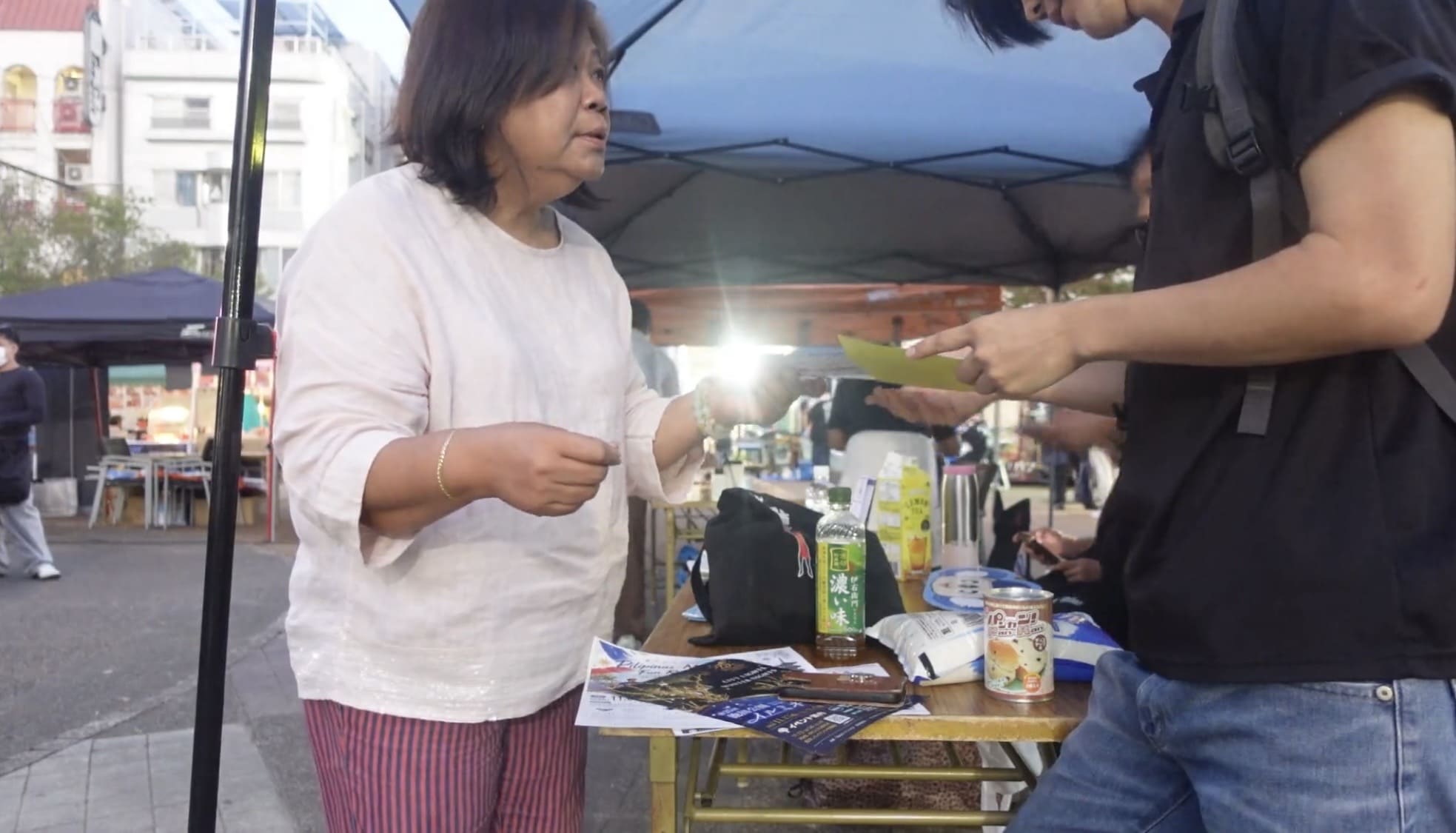
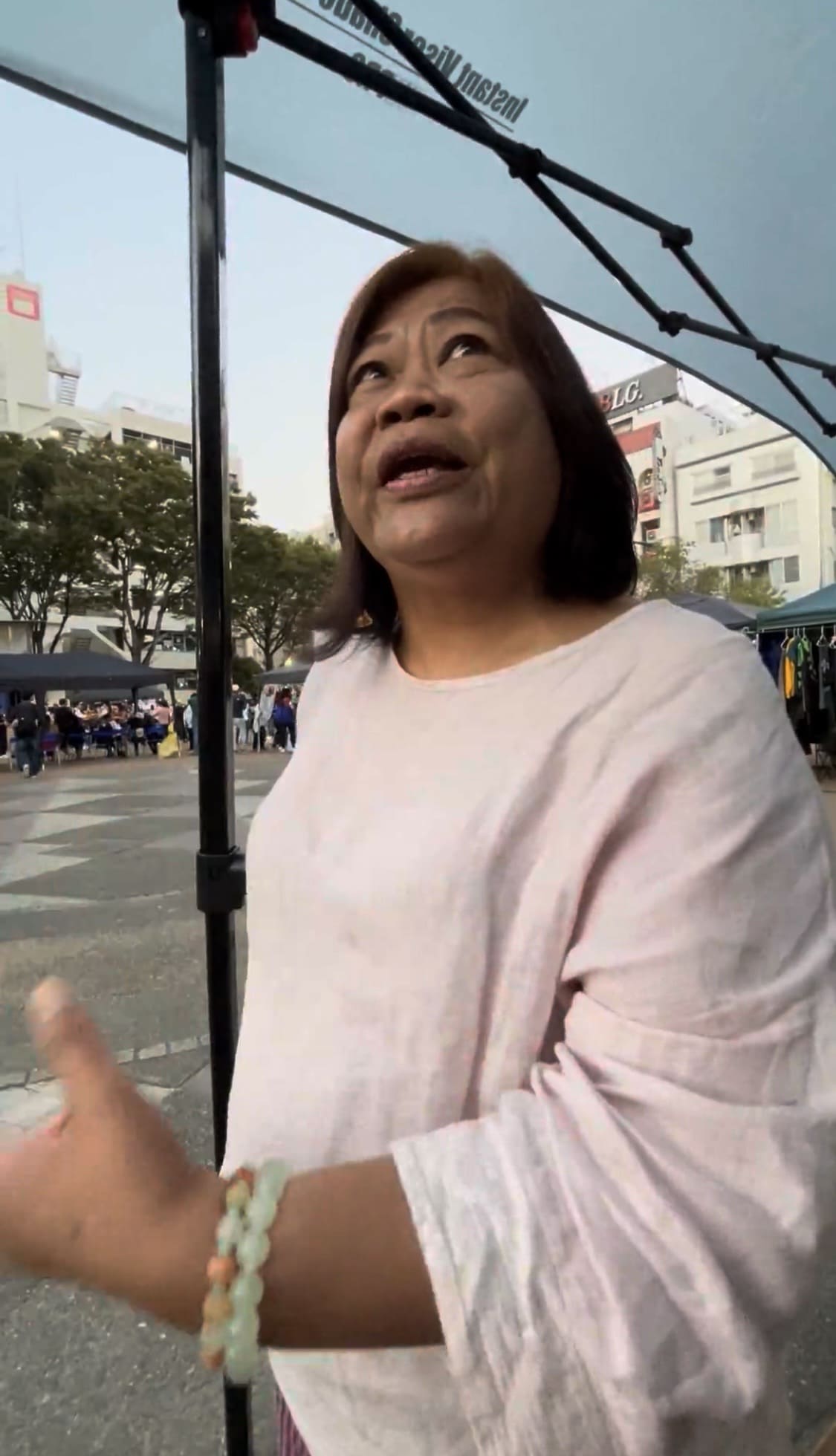
She also spoke about an earlier period when many Filipino entertainers came to Japan, married Japanese men, and started families.
Then I spoke with a Filipino man who first arrived in Japan in 2011. In 2014, he began working as a technical intern trainee.
Their experiences were different, but I wanted to ask them another question:
What helps Japanese and Filipinos understand each other?
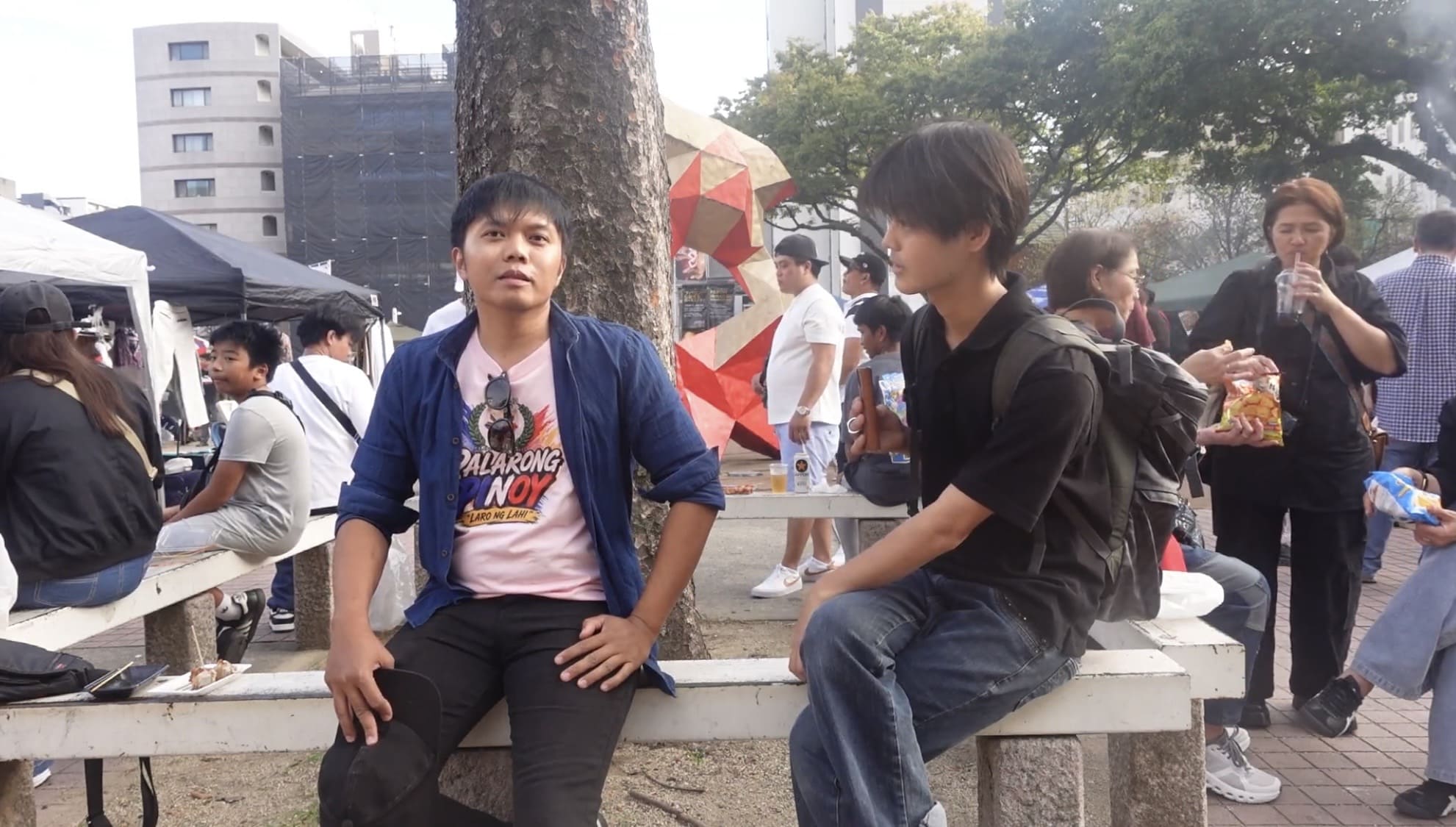
The man's answer was direct.
“They must visit every Filipino event and get to know our culture.”
He also mentioned Filipino food and how people spend their weekends.
Ms. Virgie introduced me to the term “tabunka kyosei,” or multicultural coexistence.
She told me about a local illumination event where members of the Filipino community were invited to push the button that switched on the lights.
“They include us,” she explained. “We feel they are really welcoming the Filipino community in this area.”
That example stayed with me.
I hadn't thought much about how being invited to take part in a local event could affect how welcome people feel in their community.
I'm Japanese, and I've spent almost three years in the Philippines trying to understand a culture different from my own.
Now, through conversations like these, I'm also learning about the experiences of Filipinos who have made Japan their home.
I don't have all the answers. But I want to keep listening to the people who experience these things firsthand.
What helps people from different cultural backgrounds feel welcome in their local communities?
Still Learning.
Still Exploring.
One conversation at a time.
There used to be Many Filipino entertainers. They married Japanese man and started family." — Ms. Virgie, representative of the Filipino Migrants Center in Nagoya
I started with a question about understanding, expecting answers about language and knowledge.
The man's answer was about showing up. Ms. Virgie's was about being asked.
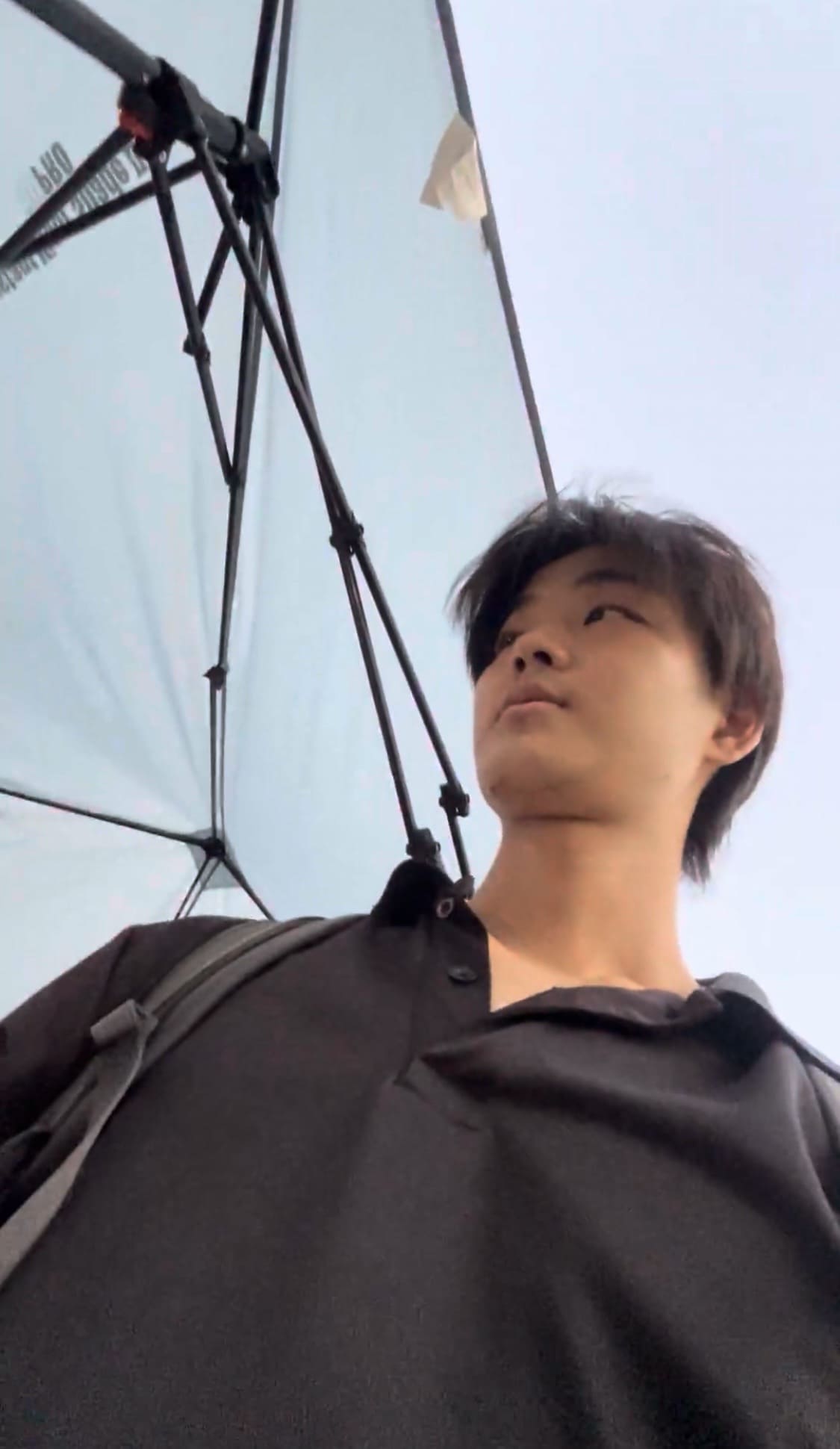
In the Philippines, I'm the outsider. Here, in the city where I was born, I'm standing on the other side of the same question.
I came to learn what helps people understand each other, and found that being invited may matter as much as being informed.
The Filipino man. The same truck driver I met in the previous quest. Real name still unknown — I only know him by his Instagram username. Last time I learned that he had driven a truck shift that morning on two hours of sleep, that he is a member of Nagoya Filcom (a group I could only find through its Facebook page), and that he offered me a T-shirt. This time I learned that he first arrived in Japan in 2011, and that in 2014 he began working as a technical intern trainee. He also talked about Filipino food and how people spend their weekends.
Ms. Virgie. A representative of the Filipino Migrants Center (FMC) in Nagoya. I only know her first name. She told me many Filipinos in Japan are Filipinas who married Japanese men, and about an earlier period when many Filipino entertainers came to Japan and started families. She also introduced me to the term "tabunka kyosei." In an earlier quest, the FCCJ chairman told me he is the vice chairman of FMC.
Still unconfirmed: Who is actually in Nagoya Filcom? And where and when was the illumination event Ms. Virgie described?
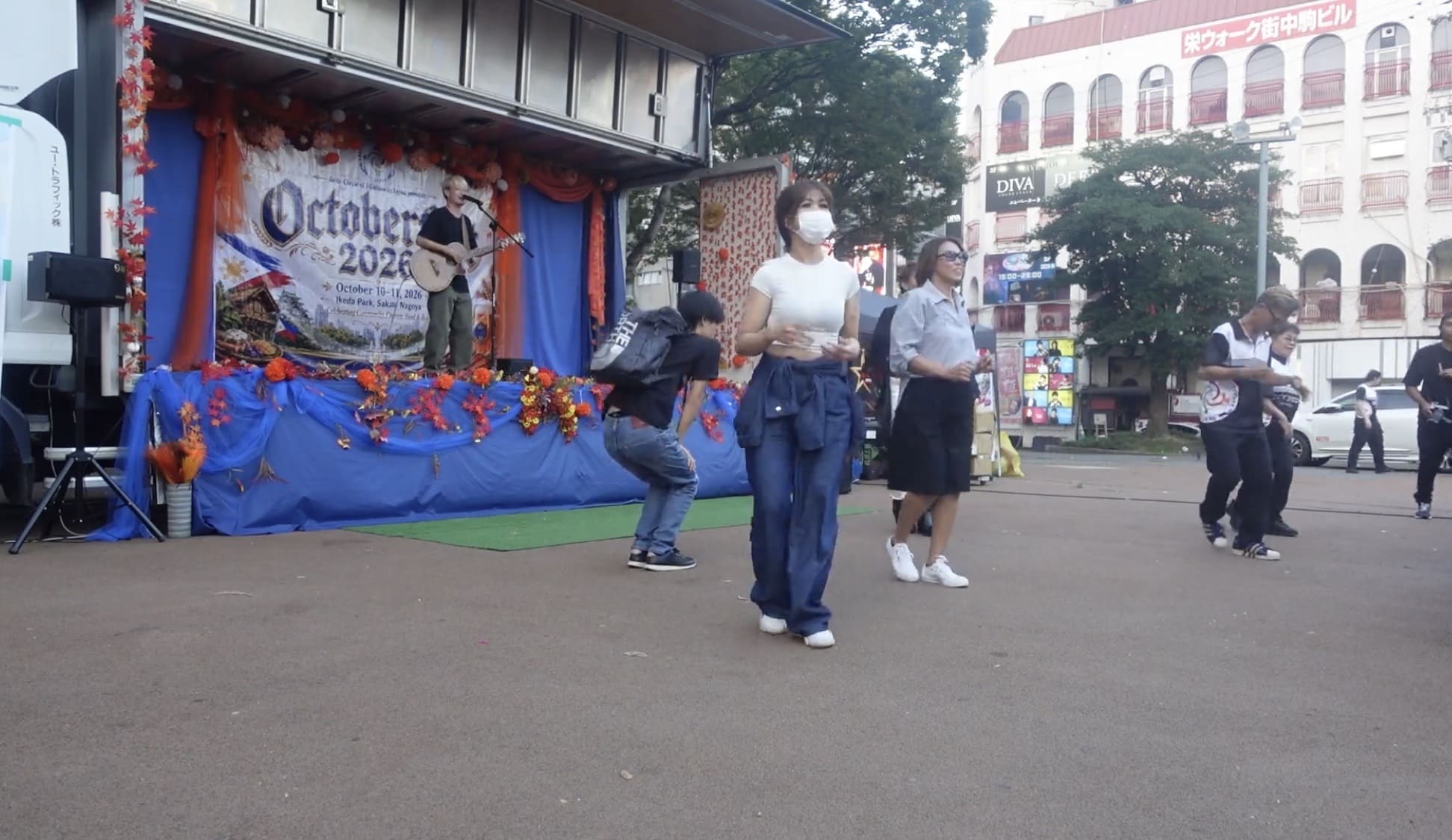
| Date | October 11, 2026 |
|---|---|
| Location | Ikeda Park, Nagoya, Aichi |
| Event Type | October Fest at Ikeda Park in Sakae, Nagoya |
| Access Method | Spoke with a representative of the Filipino Migrants Center and a Filipino man I had met before |
| Food Featured | None (Filipino food came up in conversation) |
| Cost to Attend | Free admission |
| Rarity | 🟨🟨⬜⬜⬜ — Two first-hand conversations |
| Bayanihan Index | 🟨🟨🟨⬜⬜ — Generous with their time and stories |
I still don't know all the answers. But what does it take for a community to truly feel at home?