What actually makes a sari-sari store a sari-sari store?
I came back to Japan to renew my driver's license.
Somewhere along the way, I saw something that stopped me in my tracks.
A sari-sari store.
In Japan.
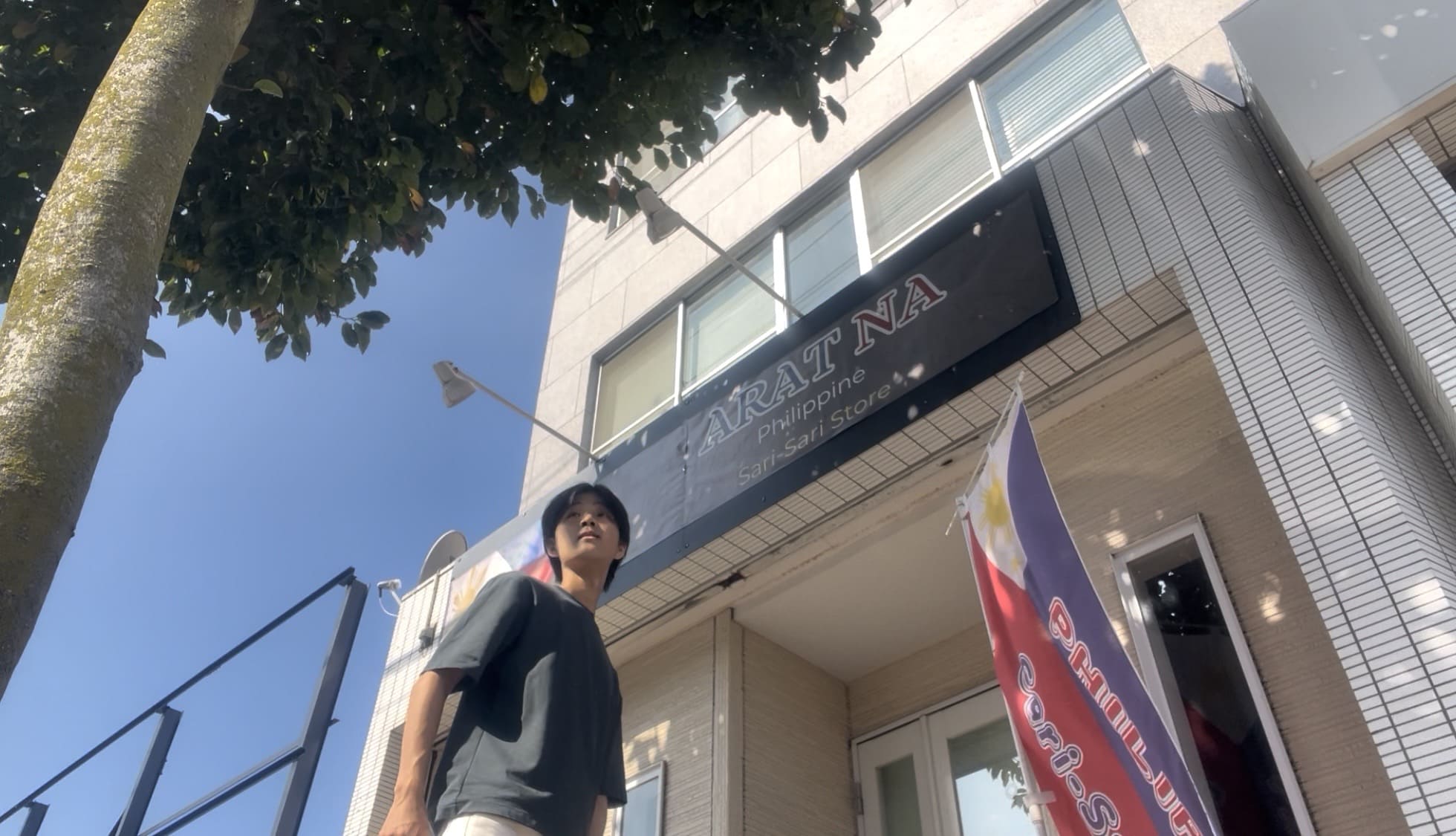
The funny part?
It was closed.
So I couldn't even go inside.
On my way to the driver's license center, I walked around the area for a while, wondering:
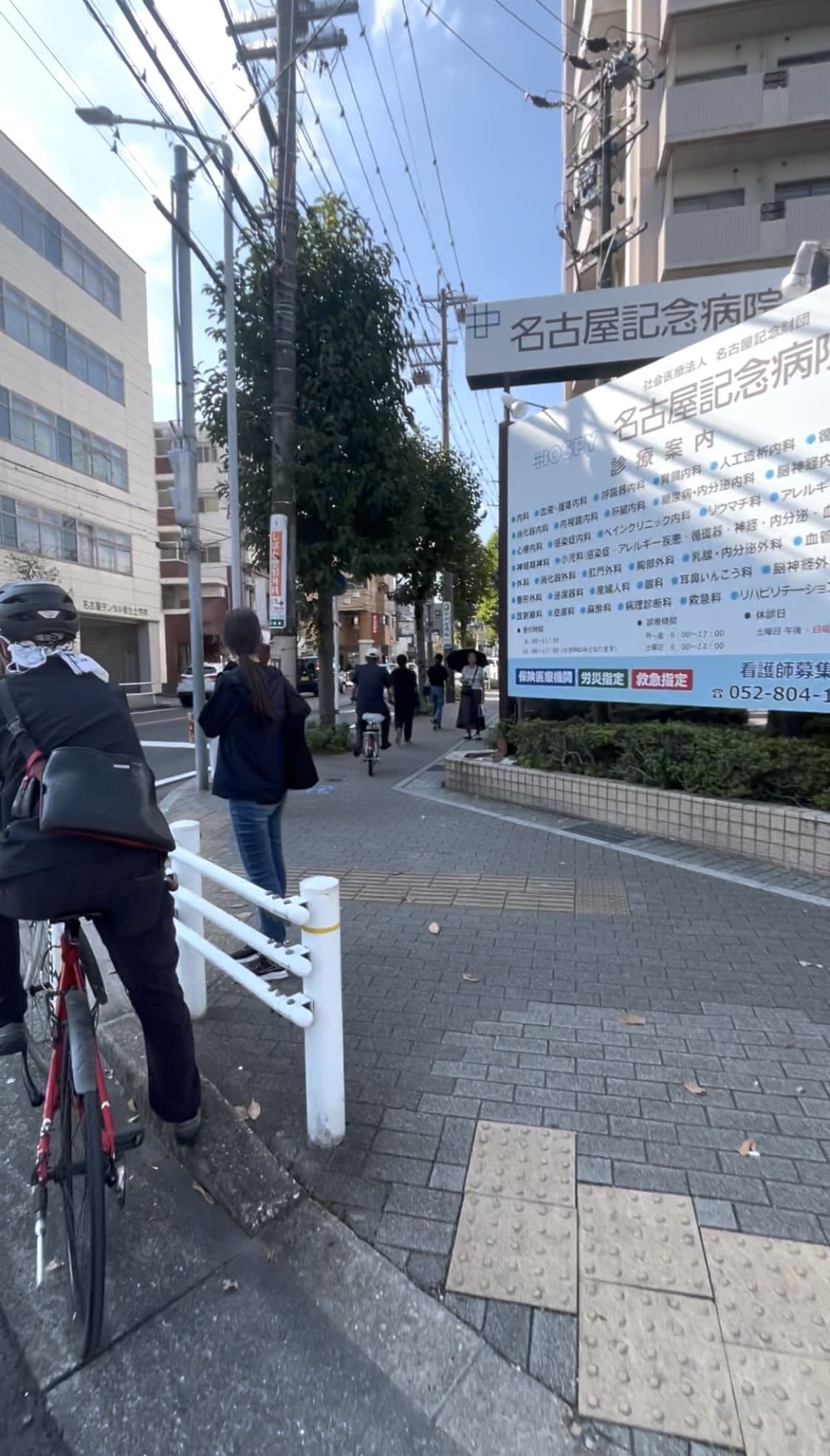
“What actually makes a sari-sari store a sari-sari store?”
Then I noticed there were FamilyMarts everywhere.
And I thought:
“Oh... maybe a sari-sari store is basically the Filipino version of a FamilyMart.”
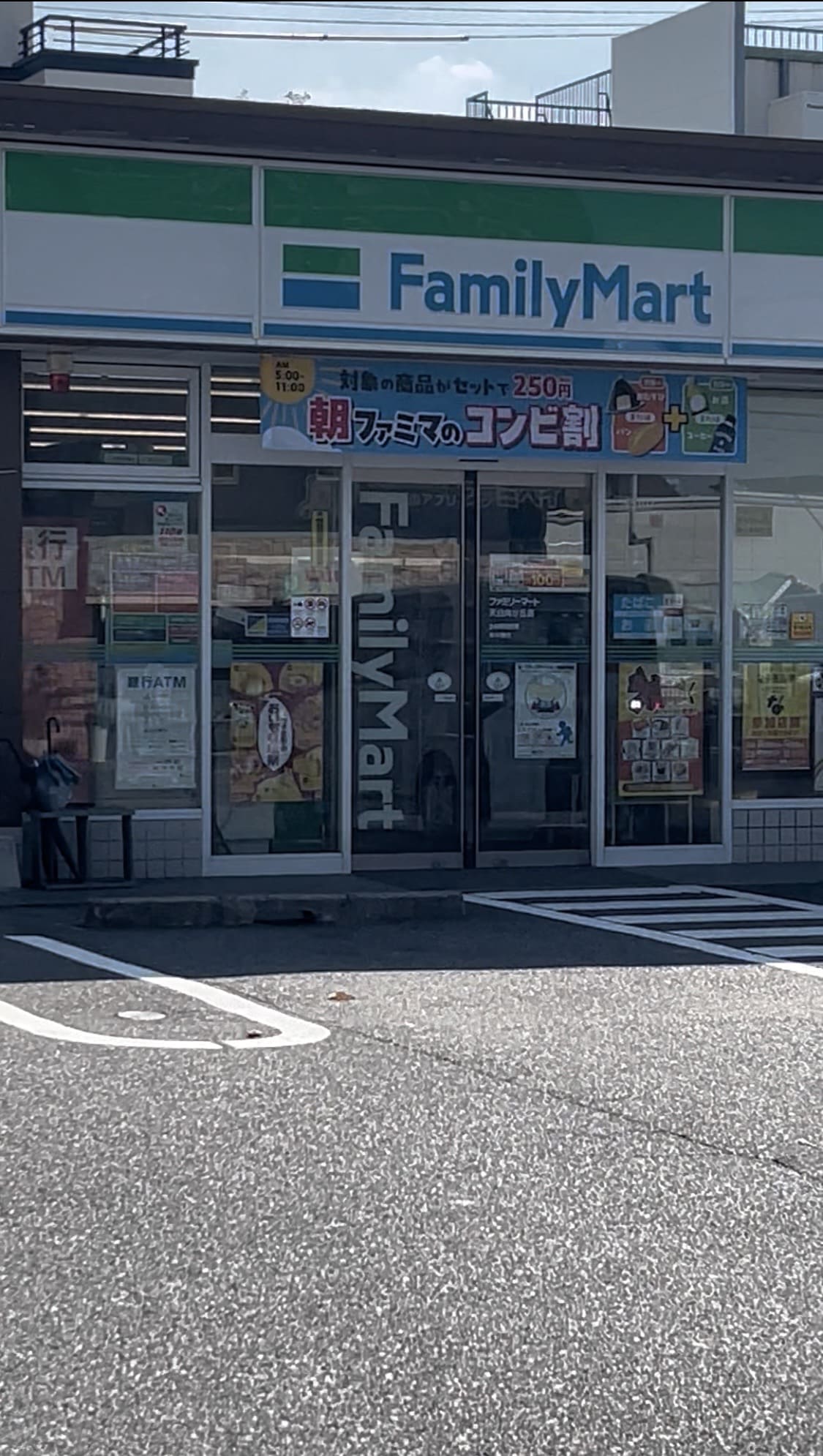
Pretty lazy answer, I know...😂
But after almost 3 years of living in the Philippines, I realized I had never really stopped to think about what actually makes one a sari-sari store.
Coming back from Cebu also made me realize how much I already miss Filipino sari-sari stores.
And honestly, I still miss the guy at the front desk at CityFlats too 😂
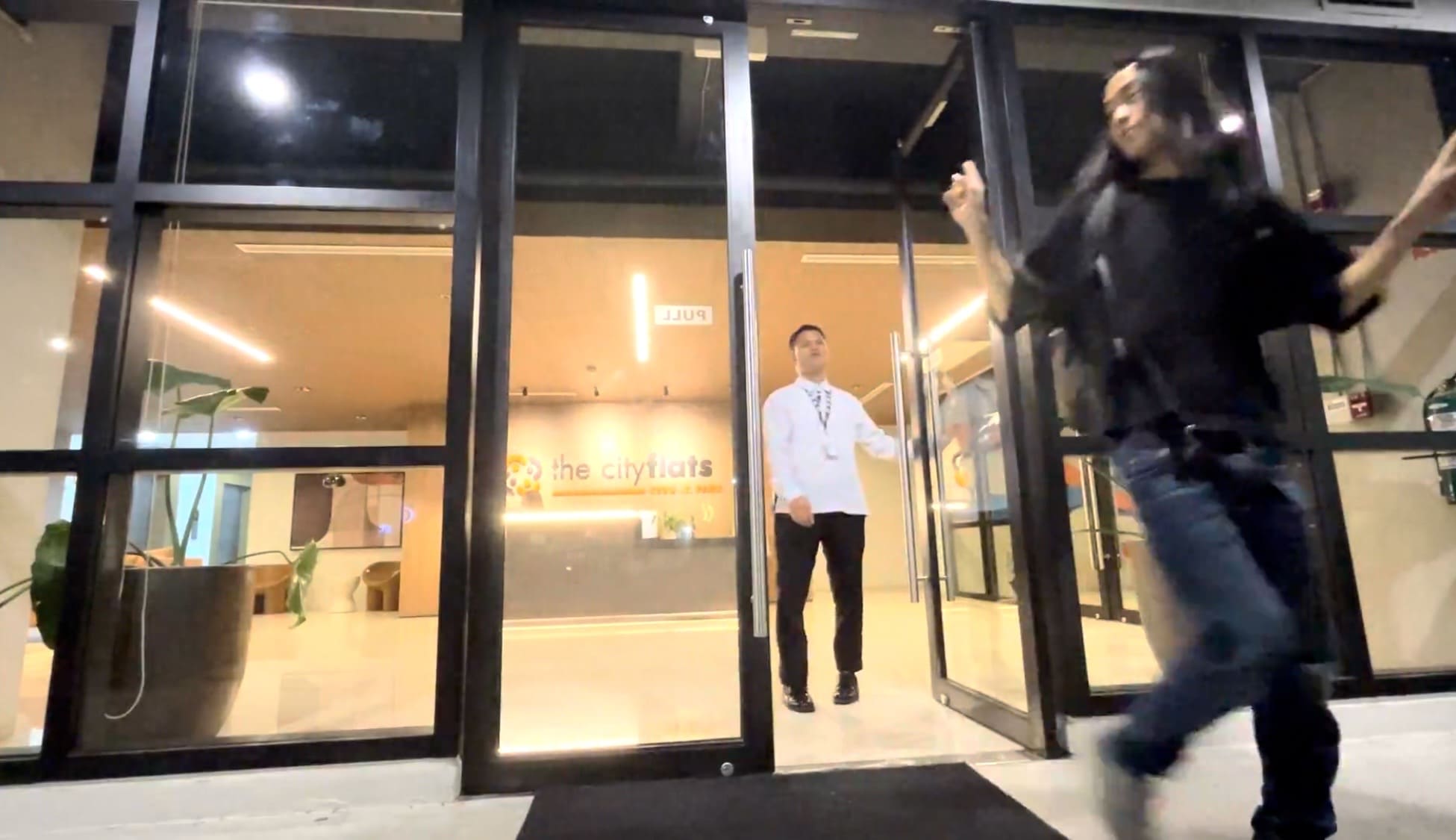
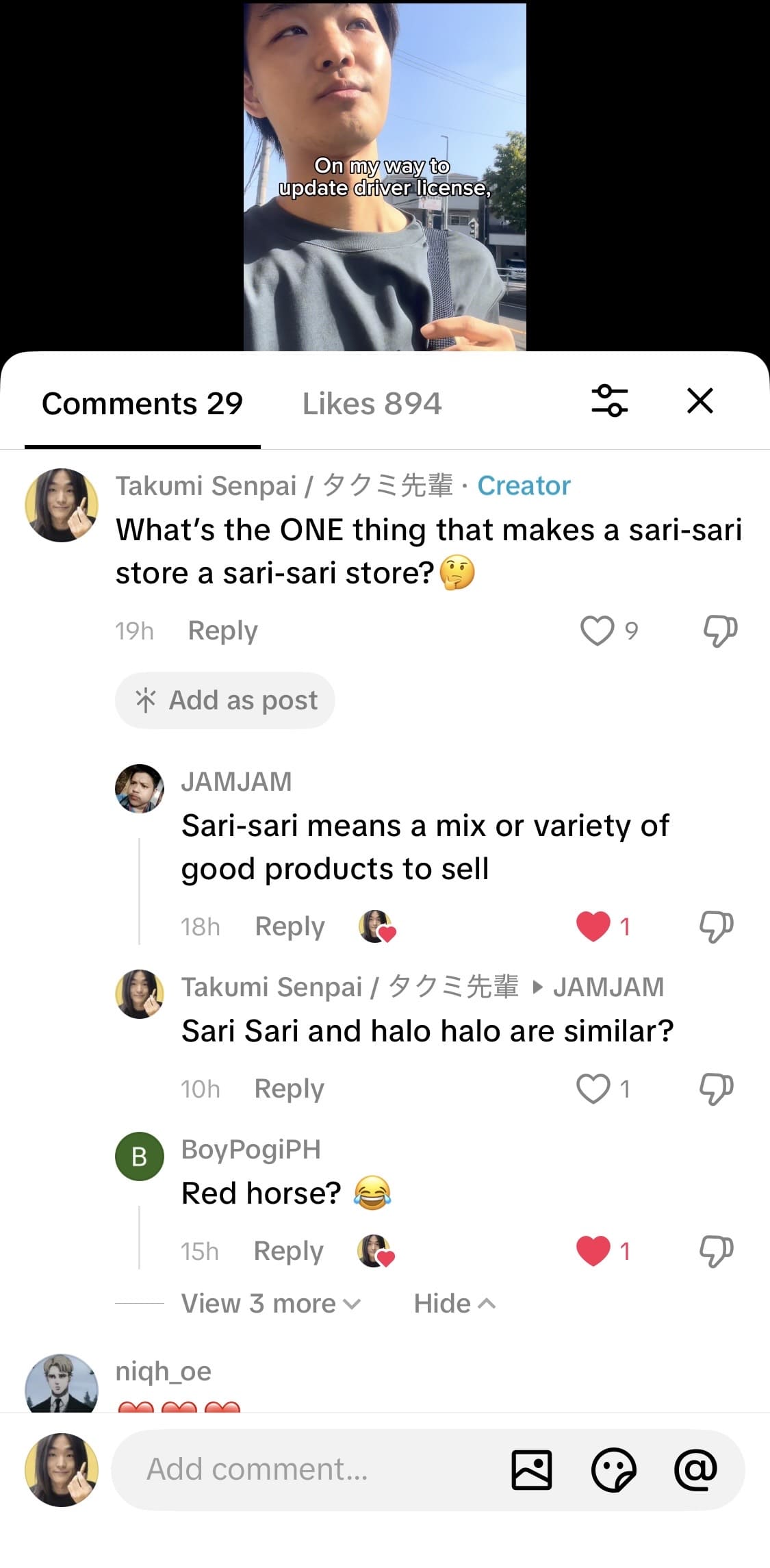
So I posted a video of the store and asked a simple question:
“What's the ONE thing that makes a sari-sari store a sari-sari store?”
I expected people to give me basically the same answer.
They didn't.
Some people said:
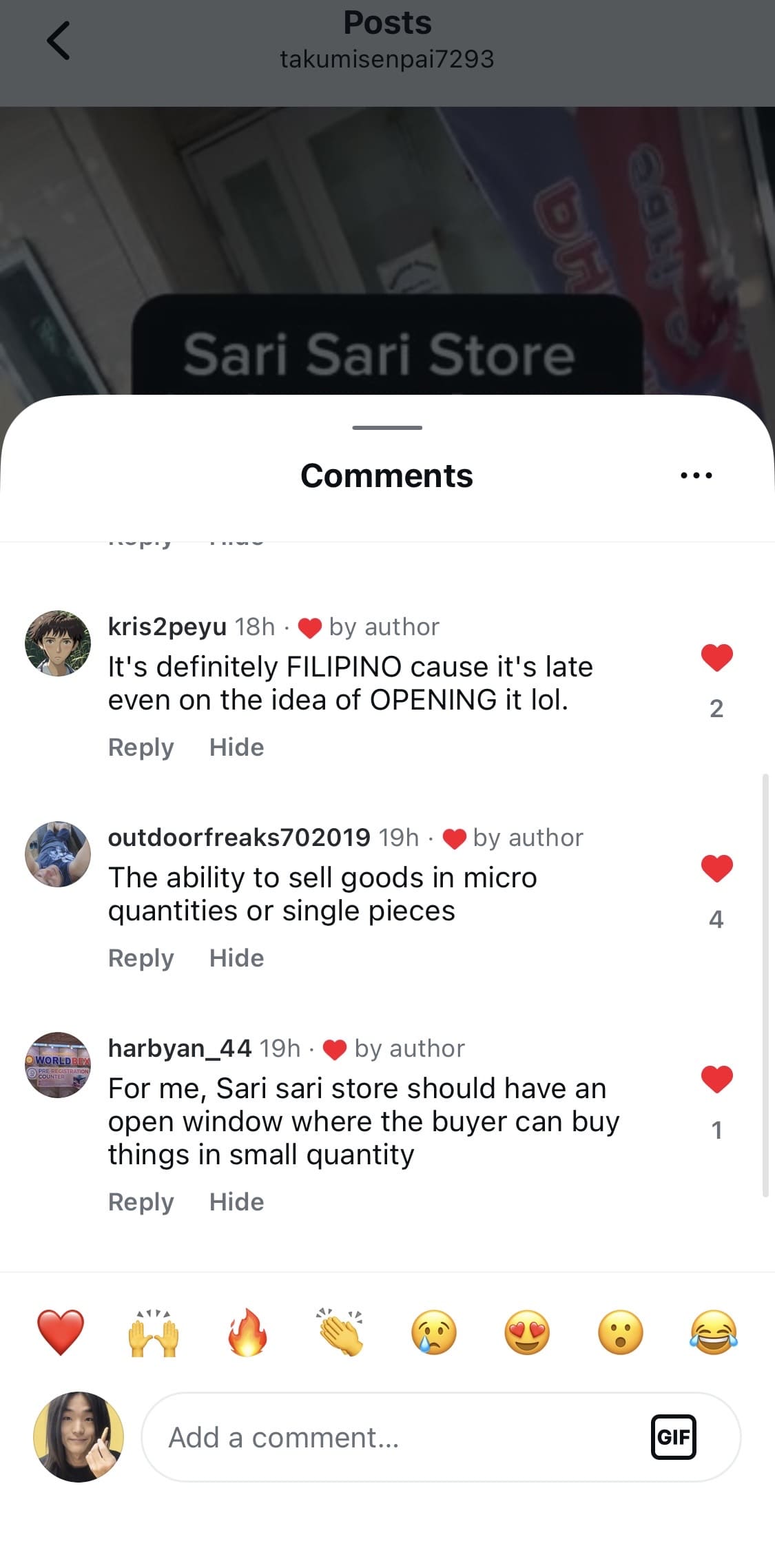
"The ability to sell goods in small quantities."
Others said:
"The window."
Some said:
"The variety of products."
Others argued:
"The long opening hours."
One person simply wrote:
"Red Horse" ...🍺?😂
And somehow...
every answer felt correct.
That's what fascinated me.
Because sari-sari stores are everywhere.
Millions of Filipinos pass by them every day.
People buy coffee, shampoo, snacks, cigarettes, load, drinks, and countless small things from them.
But when I asked people to define one... the answers started going in completely different directions.
And that's when I realized something.
I had spent almost 3 years around sari-sari stores, but apparently I'd never stopped to ask myself what actually makes one a sari-sari store.
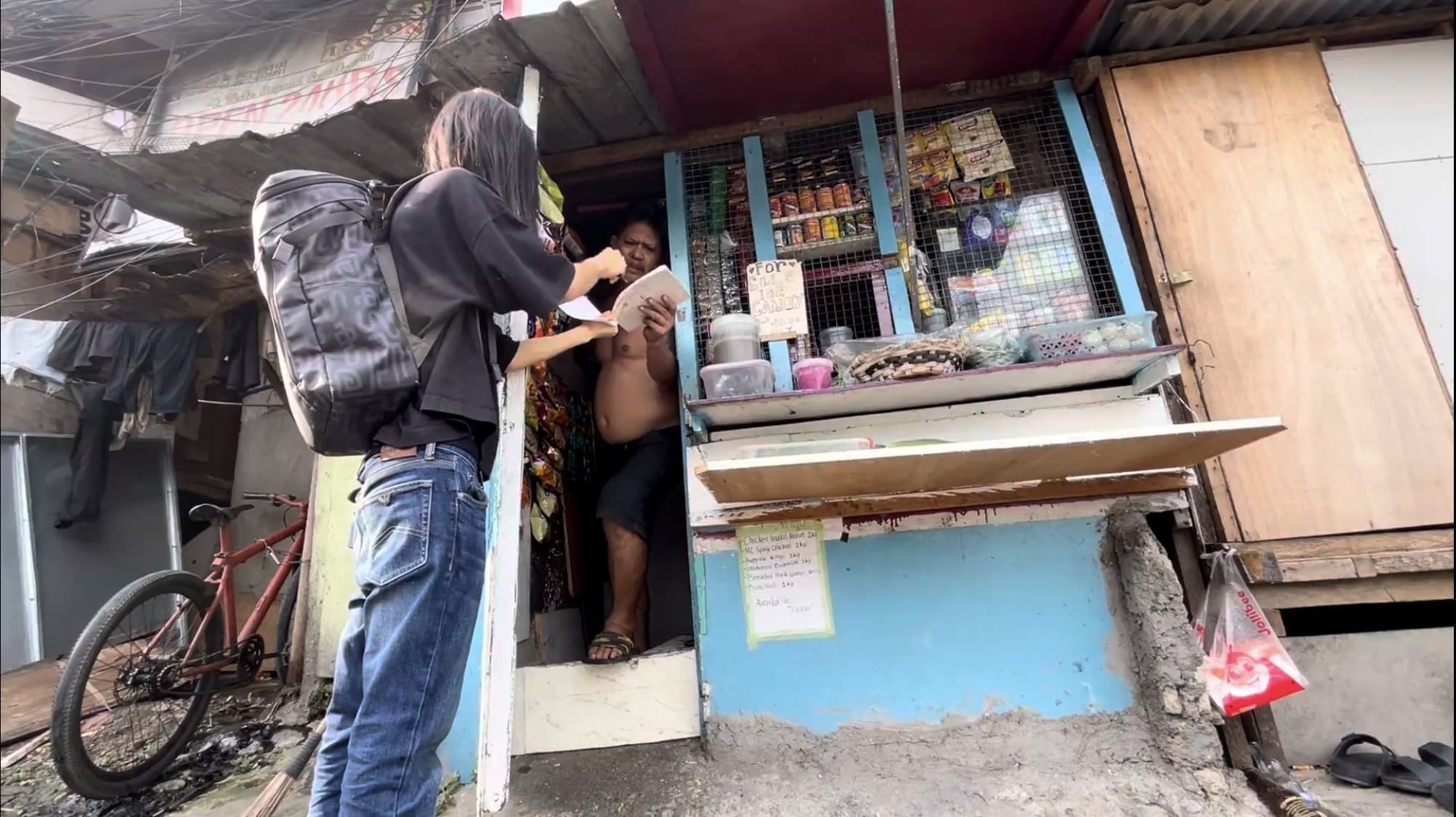
Maybe it's not just one thing.
Maybe it's a combination of all those little things.
And the funny part is... this whole question only happened because the store was closed.
If it had been open, I probably would have walked in, bought something, and moved on.
Instead, I walked away with a question I still can't answer.
So now I'm curious. If you had to choose only ONE thing... What makes a sari-sari store a sari-sari store?
I'm still waiting for someone to convince me 😂
Still Learning. Still Exploring. One conversation at a time.
The store being closed is exactly what made me stop and actually think, instead of just walking in, buying a drink, and moving on like I'd done a thousand times in Cebu.
When I asked people online for the one thing that defines a sari-sari store, I expected a single, obvious answer. Instead I got the window, the small quantities, the variety, the hours, even someone just writing "Red Horse." Different people, pointing at completely different parts of the same thing — and somehow none of them felt wrong.
Almost three years around sari-sari stores, and I'd never once asked myself what actually made one a sari-sari store. Maybe that's the real discovery here — it's not one feature I overlooked, it's that I never thought to look for one at all.
After almost three years of living around sari-sari stores, it took a closed “Sari Sari” store in Japan to make me realize I’d never actually stopped to ask what makes one a sari-sari store.
| Date | September 24, 2026 |
|---|---|
| Location | Arat Na Sarisari Store, Nagoya, Japan |
| Event Type | Cultural Definition Inquiry / Crowd-Sourced Investigation |
| Access Method | Stumbled upon while walking to the driver's license center |
| Food Featured | None — the subject was the sari-sari store itself, not a dish |
| Cost to Attend | Free (Walking to the driver's license center) |
| Rarity | 🟨🟨⬜⬜⬜ — An everyday object that turned out to be surprisingly hard to define |
| Bayanihan Index | 🟨🟨🟨⬜⬜ — Community involvement, but through comments rather than in person |
Whether a sari-sari store comes down to one defining trait or just a bundle of small ordinary things is still something I can't answer.