I spent a month looking for Nagoya’s Filipino community.
I was asking the wrong question.
I was born in Nagoya.
But after spending almost three years in the Philippines, I came back to my hometown and realized something uncomfortable:
I knew less about my own city than I thought.
I assumed all I had to do was find the right place.
Ask a few people. Follow a few clues. Eventually, I’d find them.
So I started asking questions.
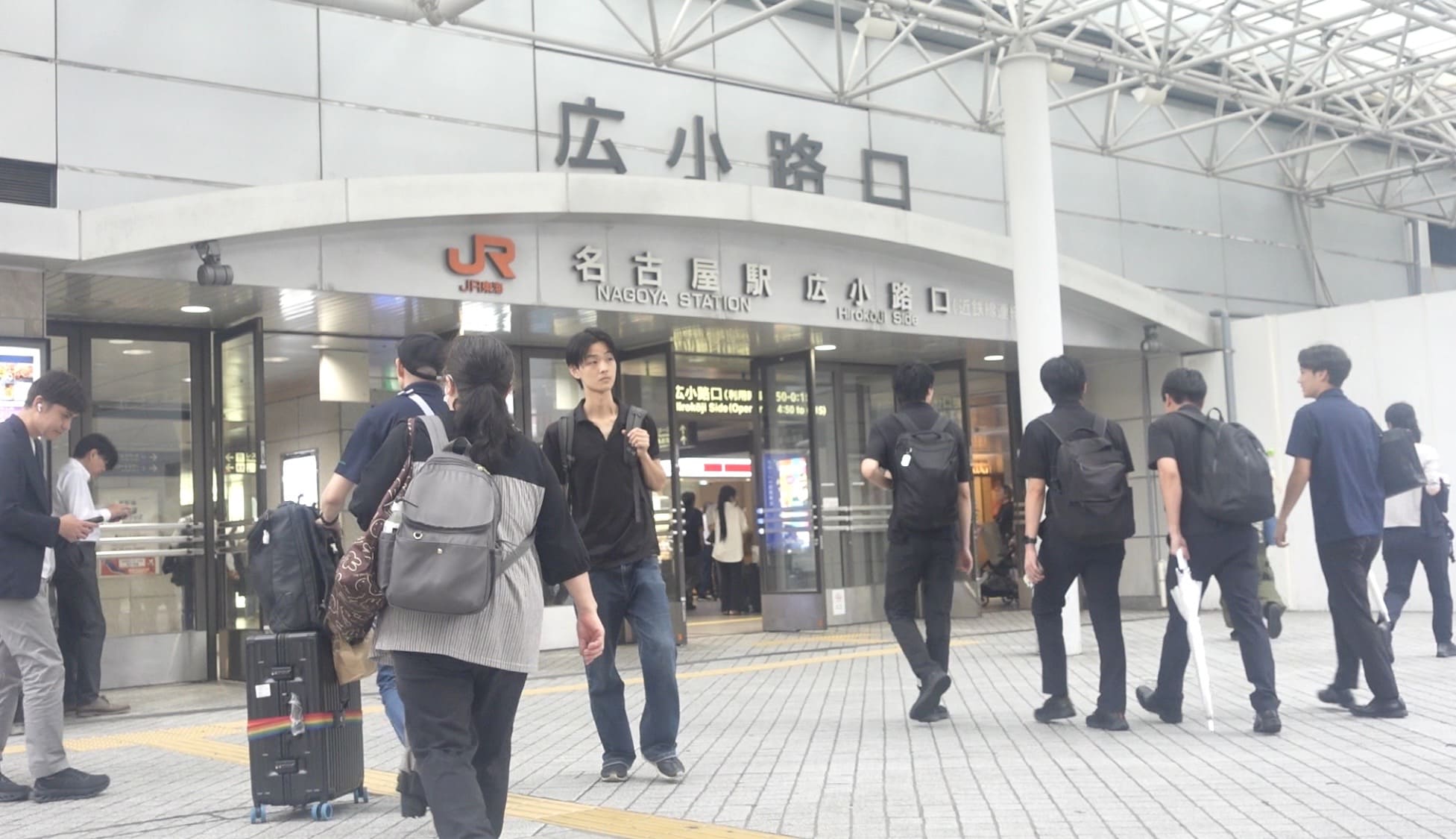
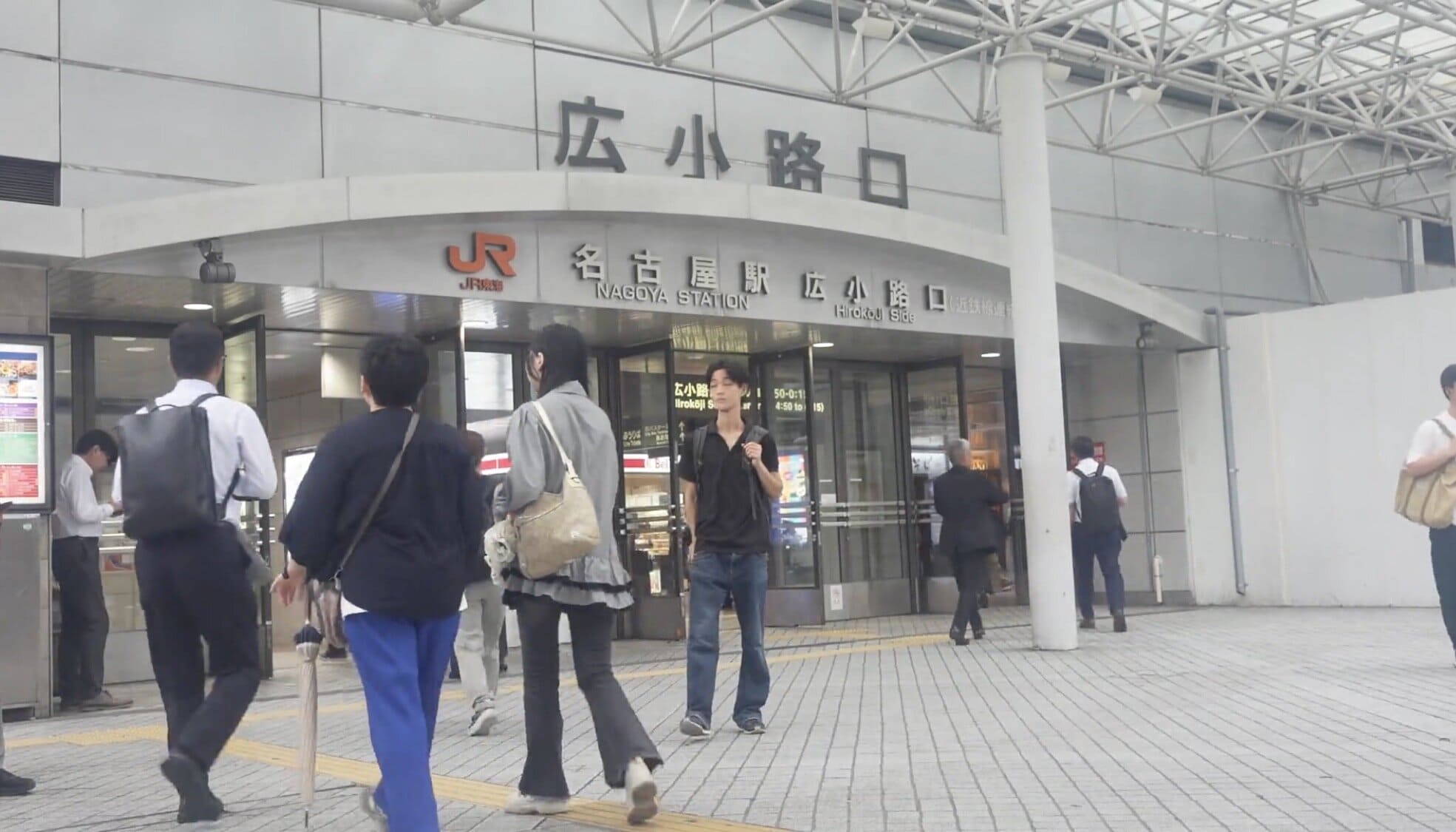
At Nagoya Station, I got nowhere.
Then an elderly man mentioned Obu.
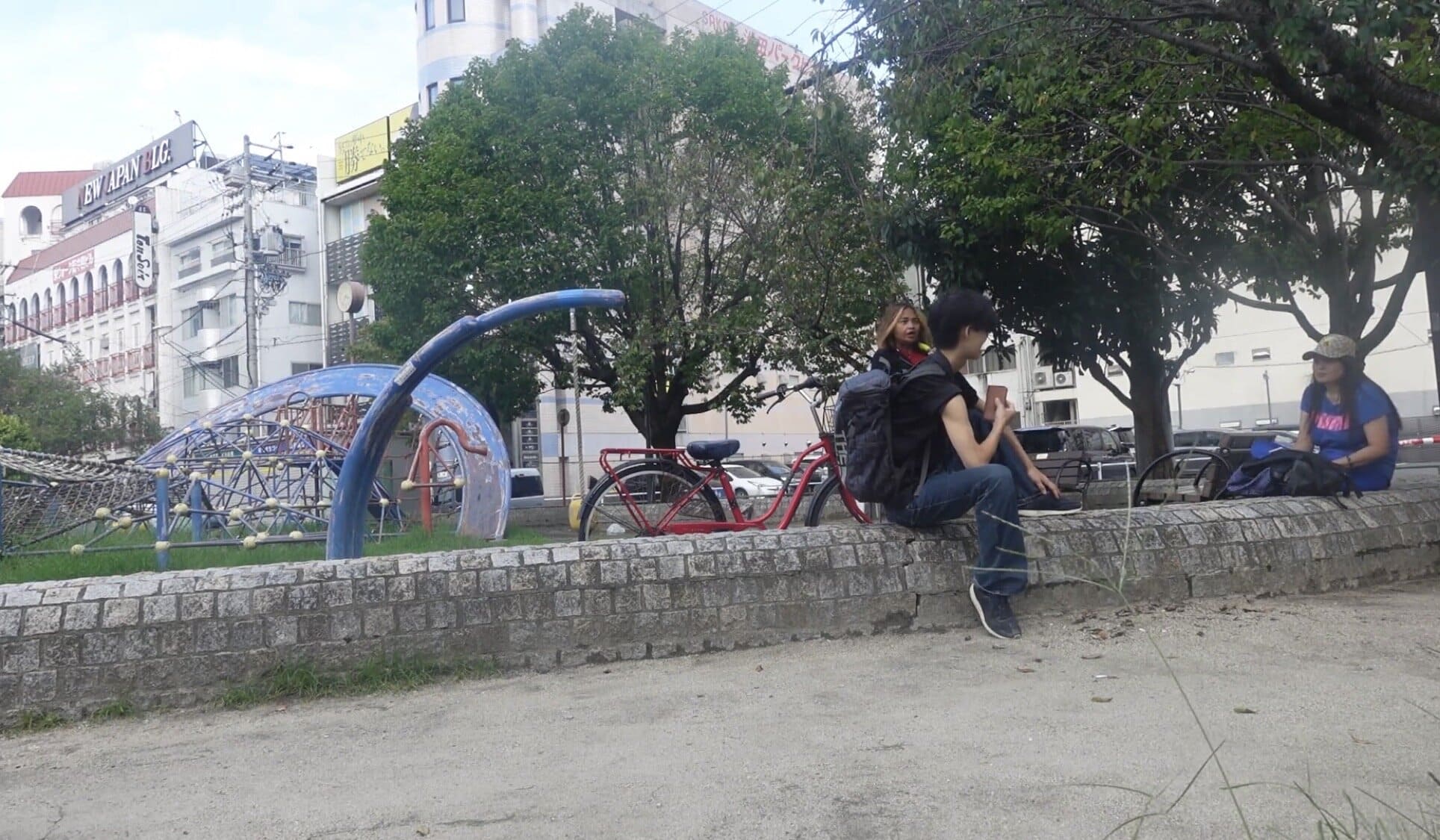
At Ikeda Park, I met Filipinas who pointed me toward a church.
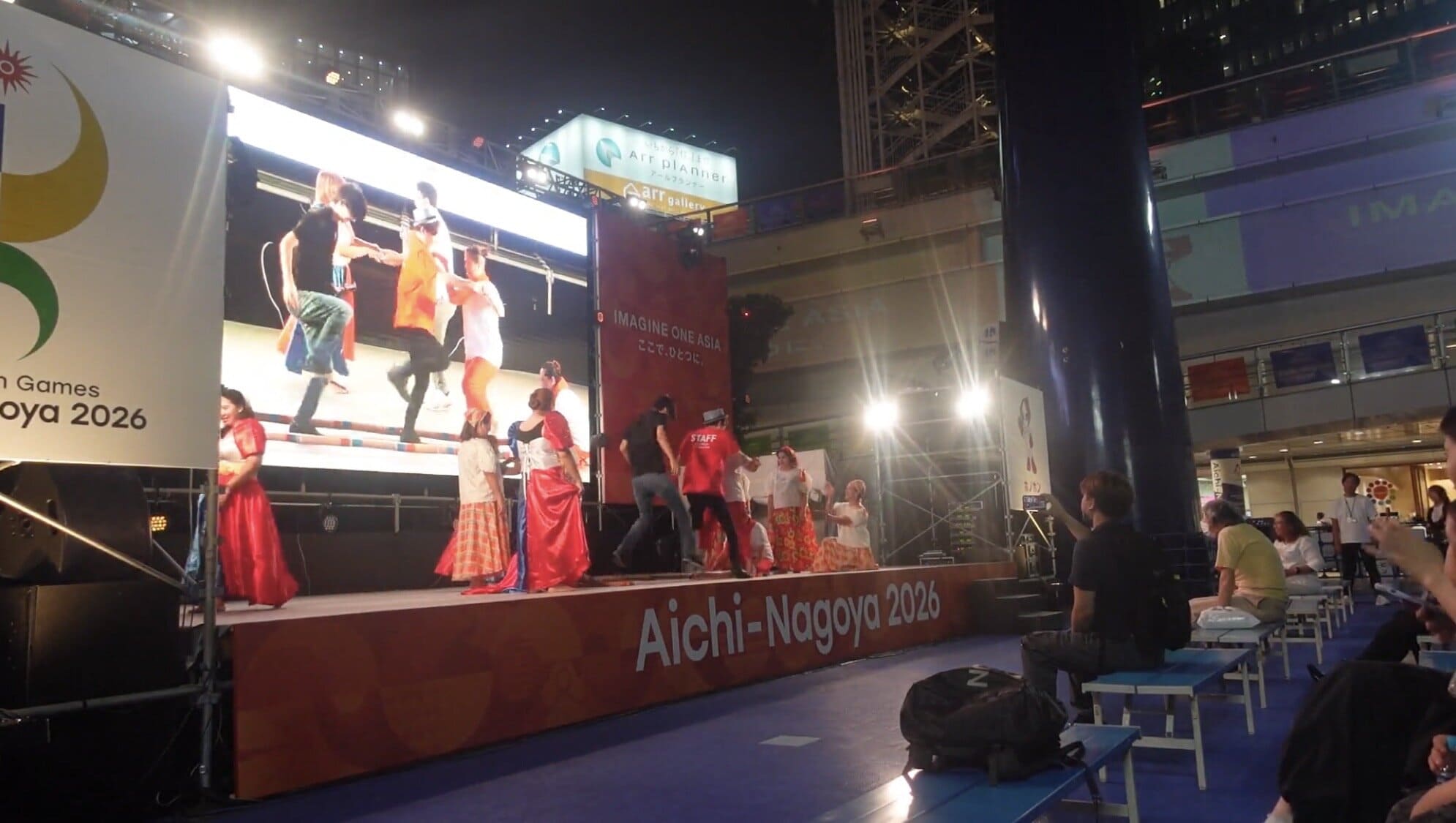
At Oasis 21, I found people I could speak Bisaya with. I even joined a Filipino bamboo dance.
For a while, I thought I was getting closer.
But every answer led somewhere else.
I followed one clue to a church, only to hear Ikeda Park mentioned again.
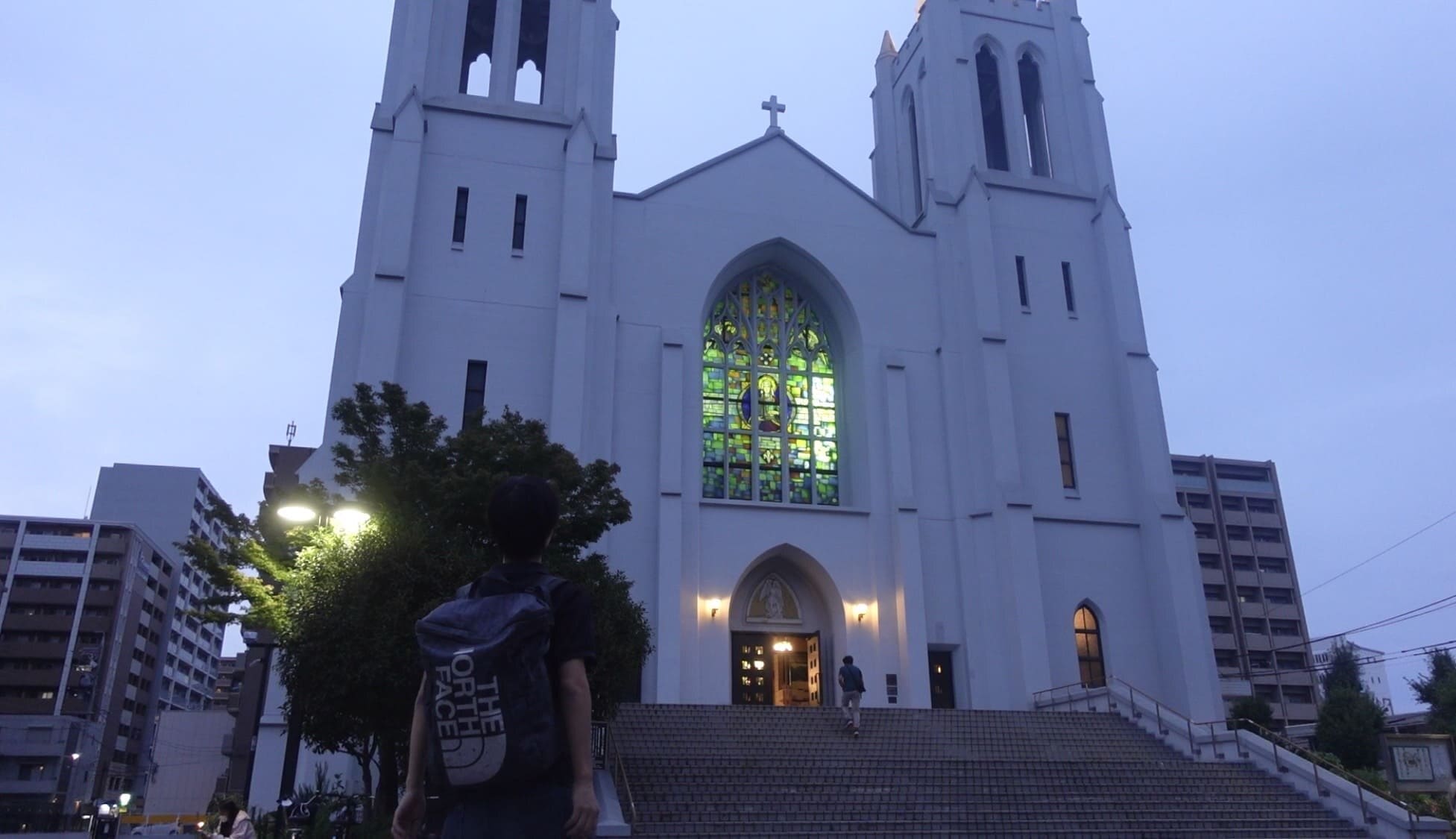
I kept looking for one place that could explain the whole community.
I couldn’t find it.
Then I sat down with Nestor, chairman of FCCJ.
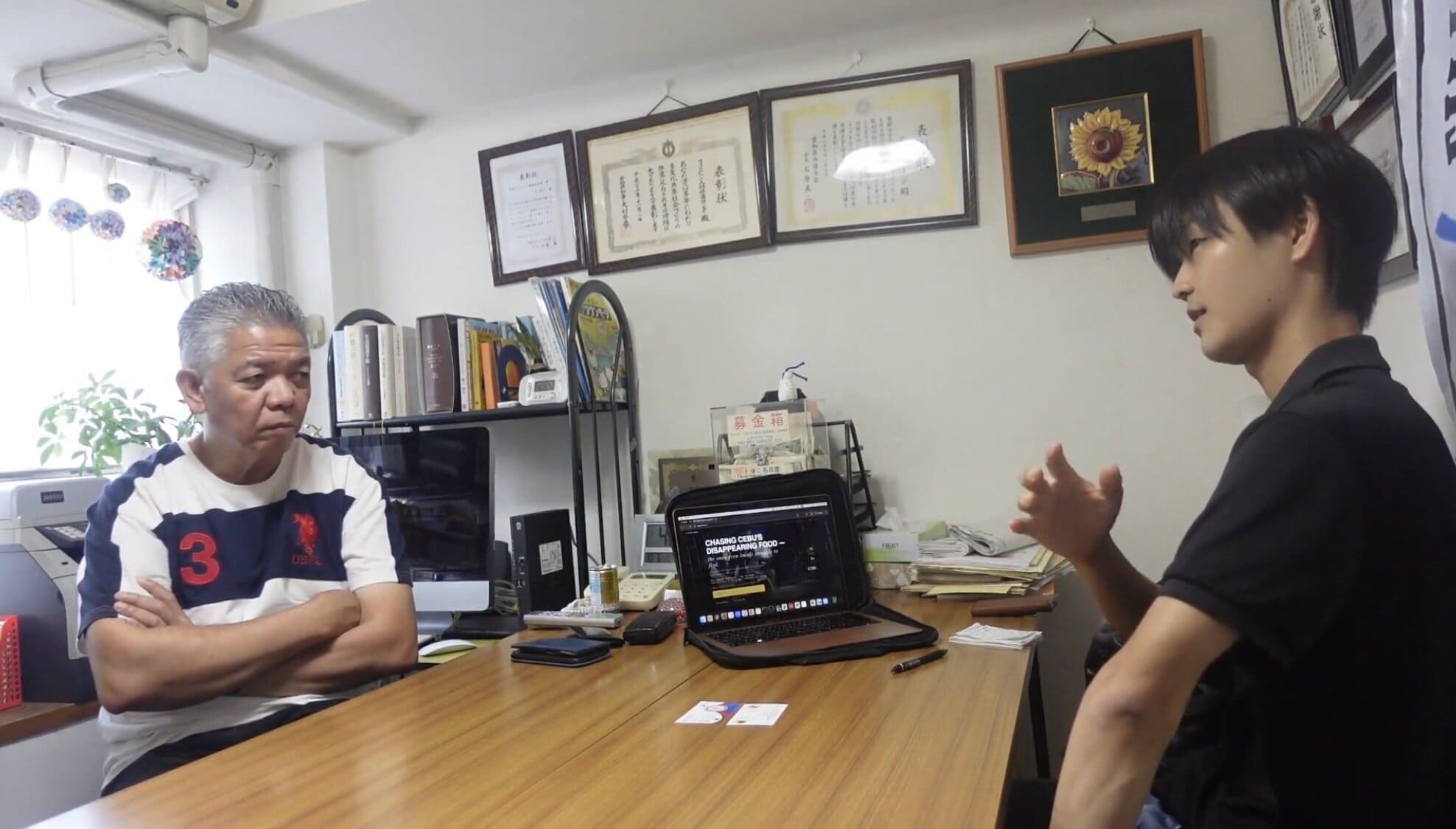
He told me about 23 Filipino organizations connected across nine prefectures in Japan.
That changed how I looked at what I had been searching for.
Ikeda Park wasn’t the whole story. It was one visible part of a much wider network of people, organizations, and relationships connecting Filipinos across Japan.
The more people I spoke with, the more complicated the picture became.
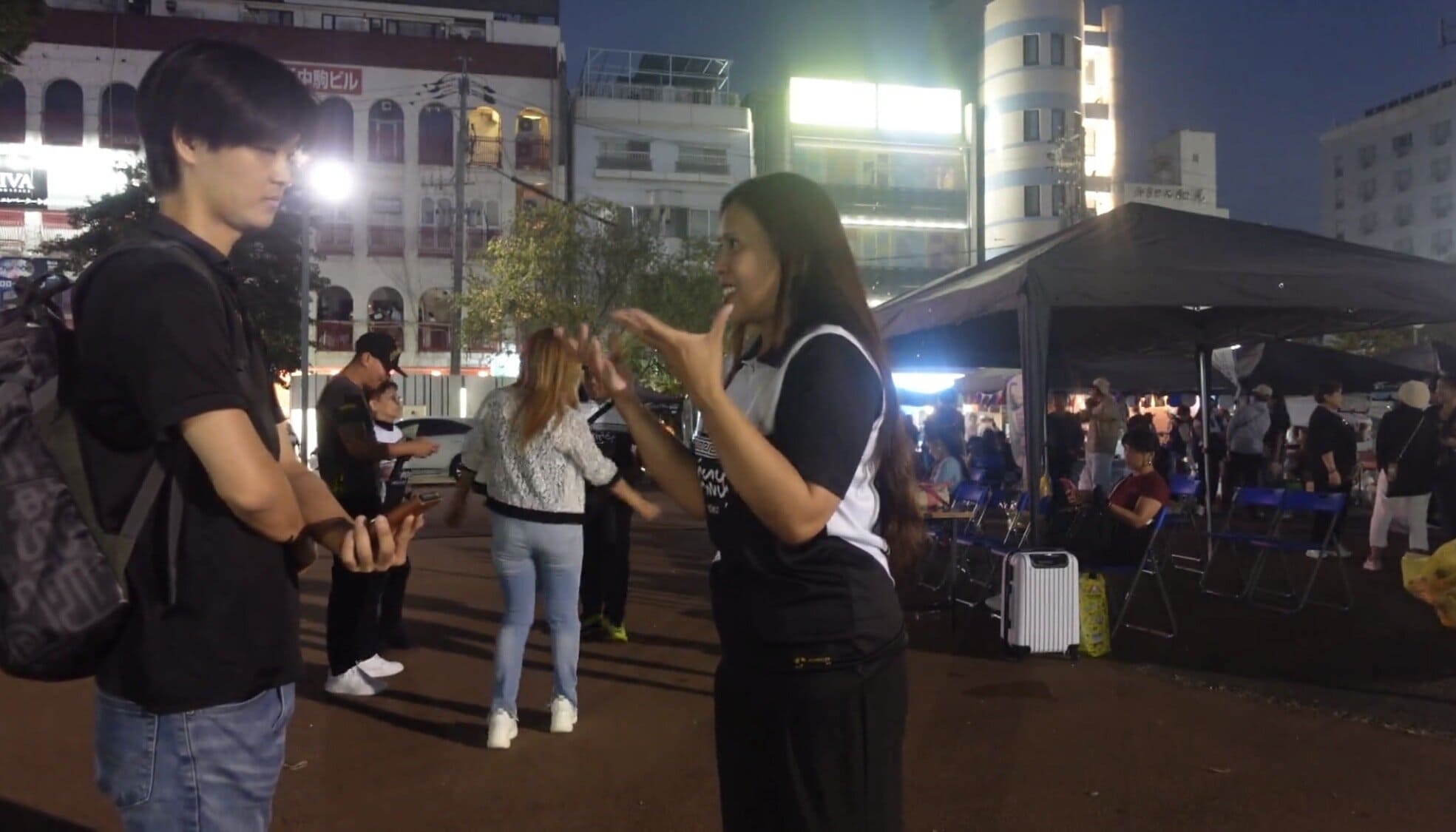
Keiko, who helped build a Filipino community in Japan, spoke about how much she loves the country — and how difficult it can still be to build a life there.
A truck driver reminded me that life is about more than just working.
And I found myself thinking about a question I hadn’t really considered before:
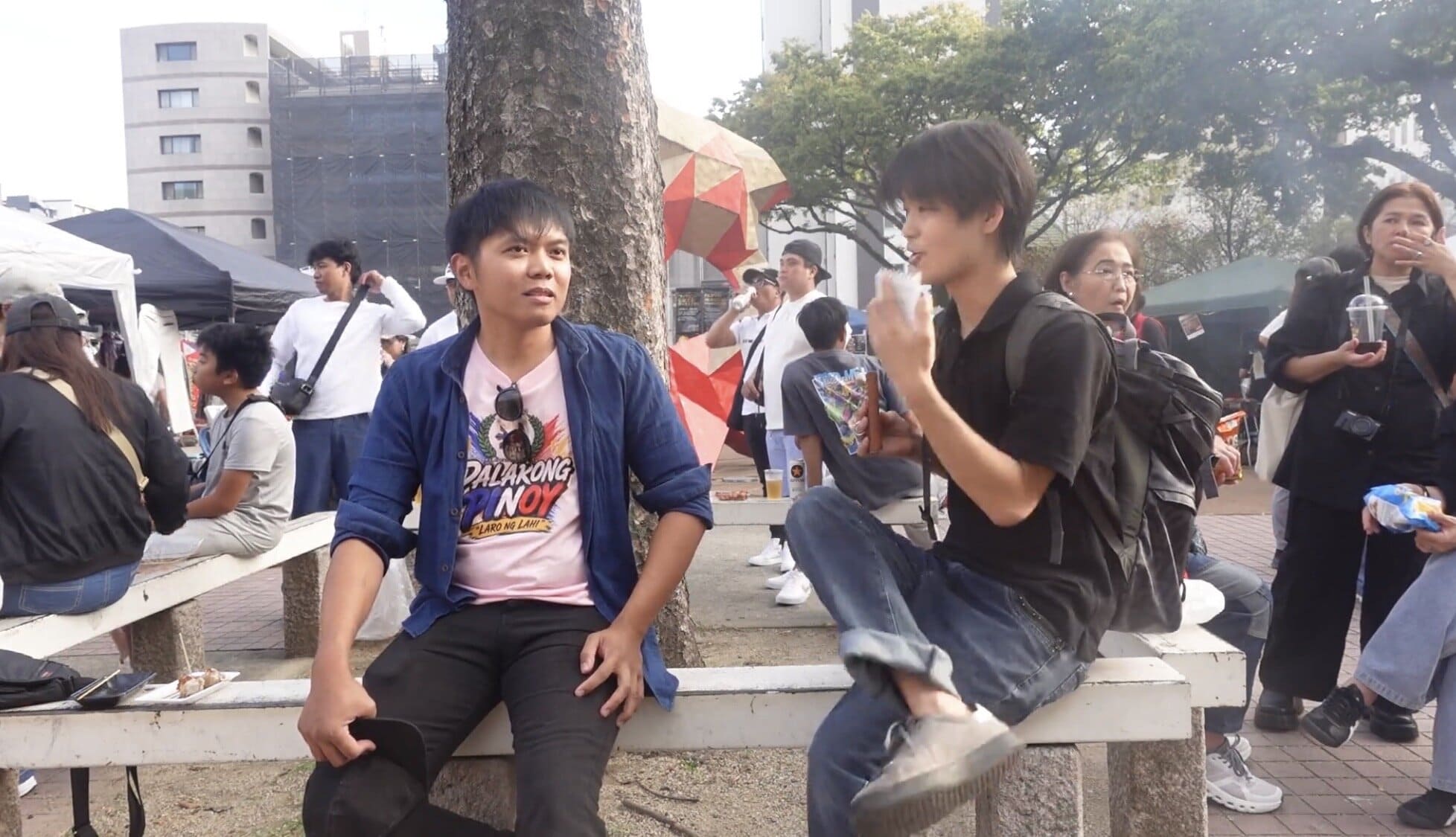
When people move to another country, how much of the responsibility to adapt belongs to them?
And how much belongs to the people already there?
I had started out asking where Filipinos gathered in Nagoya.
I ended up learning about the people trying to build lives, maintain connections, and find a sense of belonging in Japan.
I also started looking at my own hometown differently.
After a month of searching, it was time to say goodbye to my family and leave Nagoya behind.
I headed back to Cebu, with more questions than I had when I arrived.
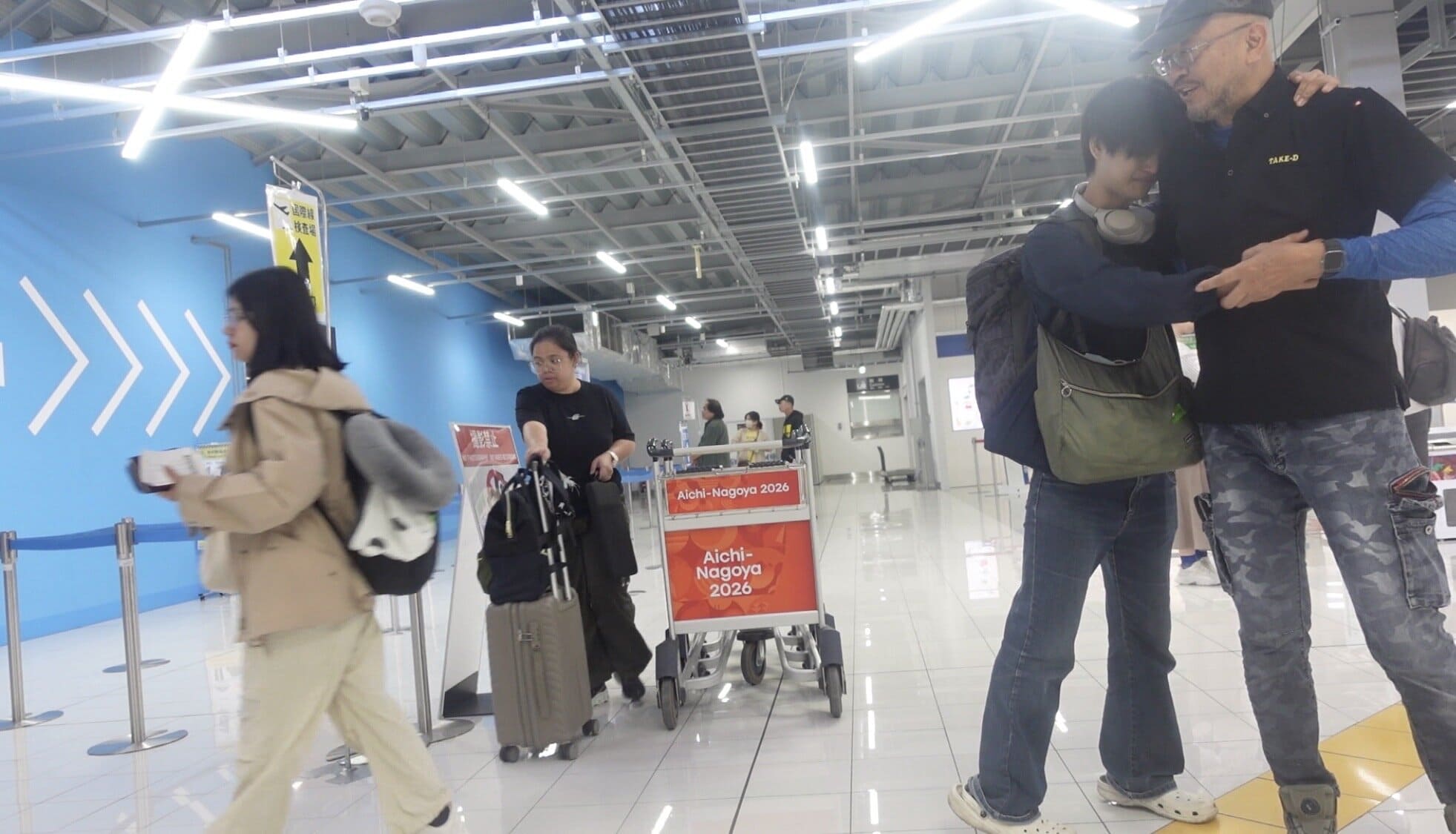
Almost three years in the Philippines, and I’m still learning.
This time, I learned something by looking at my own country from the outside.
Still learning.
Still exploring.
One conversation at a time.
Nagoya 🇯🇵 → Cebu 🇵🇭
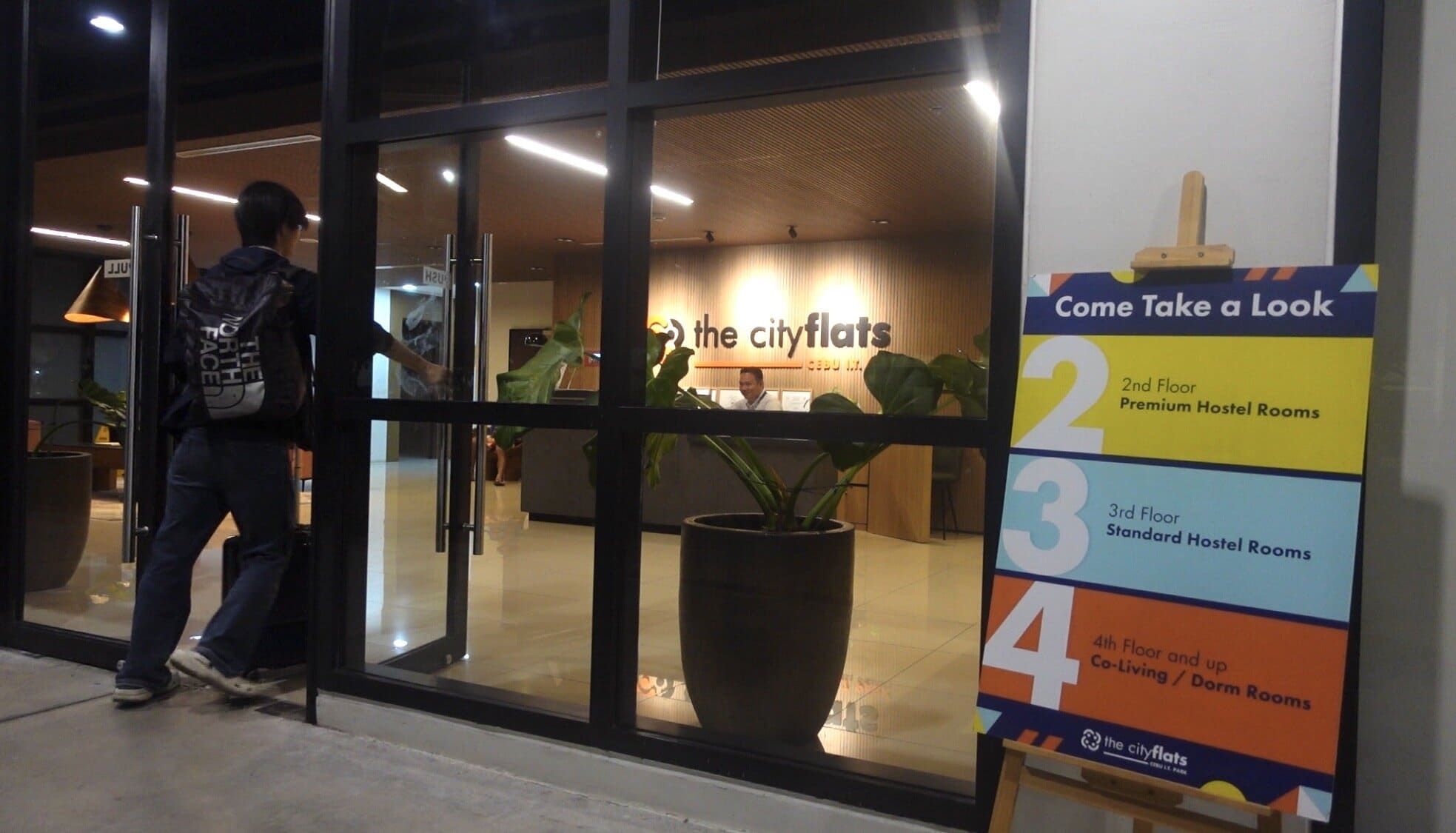
I started this month believing a community was a place.
An address. A corner of the city. Ask enough people, and someone would point me to it.
What changed my mind wasn’t the number 23. It was hearing Nestor describe how the pieces connect, and realizing how little of that I could have found by looking for a spot on a map.
For almost three years in the Philippines, I’ve been the one who doesn’t know how things fit together. I expected my own city to feel different. It didn’t. Here, too, I was the one asking.
I still can’t say whether what I found is how Filipino life works across Japan, or only the corner of Nagoya I happened to walk through.
I started by asking where. What do these connections actually do for the people living inside them?
I started out asking where Filipinos gather in Nagoya, and ended up learning about people trying to build lives, keep connections, and find belonging in Japan.
I was born in Nagoya, but after almost three years in the Philippines, I realized I knew very little about the Filipino community in my own city.
So I started looking, beginning at Nagoya Station on September 17 with a simple question: where do Filipinos gather around here? (Quest 071)
At the start, I was looking for a specific place. I believed that if I found where the community gathers, I would understand the whole community.
Along the way I also stopped for halo-halo and a closed sari-sari store (Quest 074, Quest 076, Quest 075). Those weren’t part of the community search, but they came from the same month.
What I confirmed in conversation. Each row below is something a person told me or something I saw myself, with the quest where it happened.
| No single place | Station staff and the tourist information center didn’t know where Filipinos gather (Quest 071). An older man said Obu, and two Filipinas at Ikeda Park sent me toward Nunoike Church (Quest 072, Quest 073). At the church, a man mentioned Ikeda Park again (Quest 078). At Oasis 21, I got a Bisaya reply and joined a bamboo dance, but still couldn’t call it a community (Quest 077). |
|---|---|
| A network across prefectures | FCCJ Chairman Nestor told me FCCJ is an umbrella organization for 23 Filipino organizations across nine prefectures. As he described it, FCCJ was formed around two years ago, while groups under it, such as PSJ Nagoya (organized in 1985, he said), are much older (Quest 079). |
| Why Ikeda Park | According to Nestor, many Filipinos work around Sakae 4-chome, where he estimates roughly 200 food and entertainment businesses, and many also live nearby. They walk to work (Quest 079). |
| Different lives in Japan | A woman who has lived here 27 years (Quest 072). A man who has lived here almost 20 years, with a son who grew up here (Quest 078). Keiko Makikawa of Bright Circle, who told me she has experienced discrimination because of language, and said “We love Japan but too much hard work” (Quest 080, Quest 081). A truck driver on two hours of sleep who just wants people to enjoy their private life (Quest 081). |
| Adapting and welcoming | A Japanese man said foreign residents should learn Japanese, then added that Japan has to do its part too (Quest 083). Ms. Virgie told me being invited to switch on a local illumination made her community feel welcome (Quest 082). |
What I make of it. This part is my own reading, not something anyone confirmed for me.
Ikeda Park looks to me like one visible part of something larger, not the whole story. That is how I understand what Nestor described, and I should be clear that the 23 organizations and how they connect come from one conversation. I haven’t independently checked the full list, or what “connected” means in daily practice.
I also came away thinking that adapting to a new country isn’t only the newcomer’s job. Keiko named language, culture, and discipline as what people need to adapt. A Japanese man and Ms. Virgie each pointed at the welcoming side. I heard both, and I haven’t settled how to weigh them.
| My starting assumption | If I found the place where Filipinos gather, I would understand the whole community. |
|---|---|
| What the conversations showed | I had to look at people, organizations, churches, and connections across areas, not at one location. |
| The question I’m left with | What role do these connections play in the daily lives and sense of belonging of people building a life in Japan? |
I don’t want to present this search as finished. These are the questions still open for me.
I still don’t know how many of the people holding this network together I have yet to meet, or what other groups exist beyond the ones Nestor named (Quest 079).
I still don’t know how experiences differ by generation and by how long someone has lived in Japan. I have a handful of conversations, from a few years to nearly three decades, and that isn’t enough to say.
I still don’t know how a community’s connection to its neighborhood actually gets built. The illumination invitation is one example, from one person, and I haven’t yet confirmed where or when it happened (Quest 082).
I also still can’t tell who is really in Nagoya Filcom, the group the truck driver belongs to, which I could only find through its Facebook page (Quest 081).
And I still don’t know how much of the responsibility to adapt belongs to the people who move, and how much belongs to the people already there (Quest 083).
There was one more conversation during that month, and it was with my family.
My parents don’t fully support what I’m doing. They’d rather I work seriously in Japan, and they gave me a time limit: six months.
Honestly, it made me feel bad. Really bad.
But I understand where it comes from. I have one brother, and he’s already married. I’m the only one still doing what I want. My parents have a picture of a good life, which is getting married and building a good family, and they hope I’ll have it too.
During my stay in Nagoya, my parents were the ones taking care of me. My mom and dad looked after me while I was home, and I was genuinely grateful for that.
I’m not usually someone who talks much with my family. But when my dad drove me to the airport and we said goodbye in front of the departure gate, I unexpectedly started crying.
It was a strange feeling. I hadn’t expected to react that way.
But standing there, I started thinking about how I’m able to live in Cebu and keep exploring, doing the things I want to do. Maybe it’s partly because my parents, even if they don’t completely agree with my choices, are still watching over me and allowing me to follow this path.
I felt incredibly grateful in that moment.
I spent a month asking other people how they build a life in a country. It was strange to be on the receiving end of that question.
I still hope that what I’m doing here leaves something of value. I just don’t know yet whether six months is enough to show it, or what “value” will mean to them when the time comes.
| Date | September 17 – October 21, 2026 |
|---|---|
| Location | Nagoya, Aichi, Japan |
| Event Type | Month-long community search / Field summary |
| Access Method | Street conversations, a Tagalog Mass, an invited interview at the FCCJ office, and follow-ups at Ikeda Park |
| Food Featured | None (this summary covers the community search) |
| Cost to Attend | Not recorded |
| Rarity | 🟨🟨🟨⬜⬜ — A month of connected conversations in one city |
| Bayanihan Index | 🟨🟨🟨🟨⬜ — Many people took the time to answer, point me onward, or invite me in |
I still don’t know what these connections actually do for the people living inside them.